Nighttime pacing in older dogs is a common yet distressing behavior that many pet owners face. It often begins subtly—a few laps across the living room, restless circling before lying down—but over time, it can escalate into hours of wandering, whining, or even apparent confusion. While occasional restlessness might not raise concern, persistent pacing at night typically signals an underlying issue, ranging from physical discomfort to cognitive decline. Understanding the root causes and responding with compassion and strategy can significantly improve your senior dog’s quality of life—and restore peace to your household.
Understanding Canine Cognitive Dysfunction (CCD)
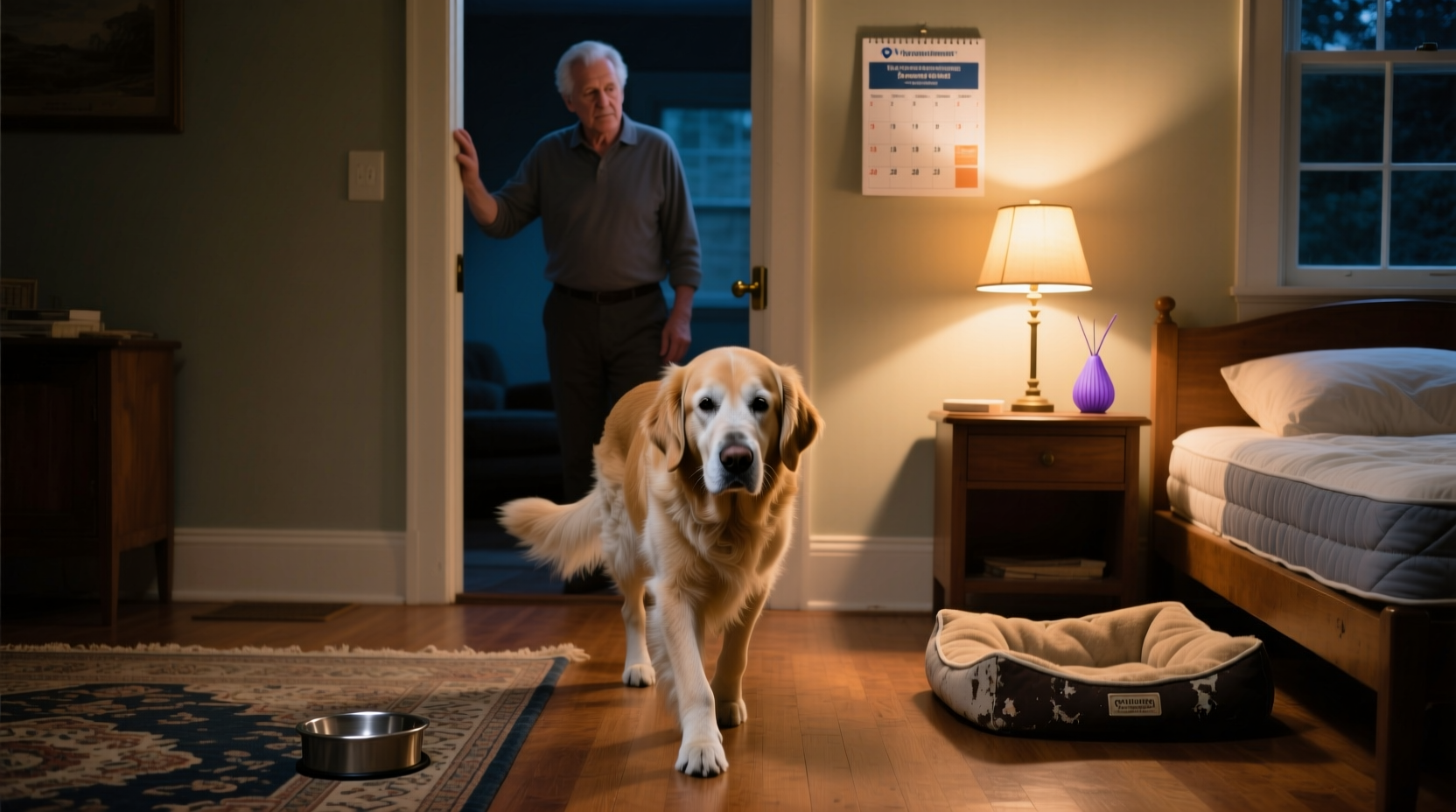
One of the most frequent reasons older dogs pace at night is Canine Cognitive Dysfunction (CCD), often referred to as “doggy dementia.” Similar to Alzheimer’s disease in humans, CCD affects brain function, leading to disorientation, altered sleep-wake cycles, and behavioral changes. Dogs with CCD may forget familiar commands, appear lost in their own home, or stare blankly at walls—especially during nighttime hours when sensory input is low.
Studies estimate that over 60% of dogs aged 15 and older show at least one sign of cognitive decline. Pacing is a hallmark symptom, often occurring because the dog has lost the ability to distinguish between day and night. Their internal clock becomes disrupted, leading to increased activity when the household is quiet and dark.
“Senior dogs don’t just slow down—they can experience real neurological changes. Nighttime pacing is often the first clue that something deeper is going on.” — Dr. Karen Becker, Integrative VeterinarianTip: Maintain a consistent daily routine—feeding, walks, and bedtime—at the same times each day to help regulate your dog’s circadian rhythm.
Physical Health Issues That Trigger Restlessness
Before attributing nighttime pacing solely to aging or mental decline, it’s essential to rule out physical ailments. Pain and discomfort are major contributors to restlessness in older dogs. Common conditions include:
- Arthritis: Joint pain makes it difficult for dogs to find a comfortable sleeping position, prompting them to rise and move repeatedly.
- Urinary tract infections (UTIs) or kidney disease: Increased need to urinate leads to pacing followed by trips outside or attempts to signal.
- Gastrointestinal discomfort: Bloating, constipation, or nausea can cause unease and wandering.
- Hearing or vision loss: Sensory deprivation increases anxiety, especially in dim lighting.
- Hypothyroidism or Cushing’s disease: Hormonal imbalances can disrupt energy levels and sleep patterns.
A veterinary exam is crucial. Blood work, urinalysis, and joint assessments can identify treatable conditions. For example, a dog with undiagnosed arthritis may respond dramatically to anti-inflammatory medication or joint supplements like glucosamine and chondroitin.
Do’s and Don’ts When Assessing Physical Causes
| Action | Recommended | Not Recommended |
|---|---|---|
| Pain evaluation | Schedule a vet visit with mobility assessment | Assume pacing is \"just old age\" |
| Medication | Use vet-prescribed pain relief | Give human NSAIDs like ibuprofen |
| Diet | Feed a senior-formula diet with joint support | Switch foods abruptly without guidance |
| Exercise | Short, gentle walks to maintain mobility | Forced long hikes or jumping |
Environmental and Behavioral Triggers
Even in the absence of medical issues, environmental factors can contribute to nighttime pacing. Older dogs are sensitive to changes in routine, noise, or household dynamics. A new pet, construction sounds, or even a different sleeping location can heighten anxiety.
Additionally, some dogs develop learned behaviors. If pacing has previously resulted in attention—such as being let onto the bed or given a treat—the behavior may persist as a way to solicit interaction. This is especially true if the dog feels isolated at night.
Creating a Calming Nighttime Environment
Modifying your dog’s surroundings can make a significant difference. Consider these adjustments:
- Install nightlights in hallways and near water bowls to assist dogs with vision loss.
- Use orthopedic memory foam beds to ease joint pressure.
- Provide white noise or calming music to mask disruptive sounds.
- Keep bedding and toys within easy reach to minimize the need to wander.
- Use pheromone diffusers (like Adaptil) to reduce anxiety.
Step-by-Step Guide to Reducing Nighttime Pacing
Addressing nighttime pacing effectively requires a multi-pronged approach. Follow this timeline to identify and manage the cause:
- Week 1: Observe and Document
Keep a journal noting when the pacing occurs, duration, associated behaviors (whining, panting, accidents), and any potential triggers. This log will be invaluable for your veterinarian. - Week 2: Veterinary Consultation
Schedule a full geriatric check-up. Request bloodwork, a urinalysis, and a joint evaluation. Discuss cognitive health using tools like the Canine Cognitive Dysfunction Rating (CCDR) scale. - Week 3: Implement Medical and Dietary Changes
Begin prescribed treatments—pain medication, thyroid supplements, or cognitive support formulas like Senilife or Aktivait. Transition to a senior-specific diet rich in antioxidants and omega-3 fatty acids. - Week 4: Optimize Sleep Environment
Introduce nightlights, orthopedic bedding, and calming aids. Restrict access to stairs or slippery areas. Consider confining your dog to a quiet, familiar room at night. - Ongoing: Establish Routine and Mental Stimulation
Maintain consistent feeding and walking schedules. Engage your dog in low-impact enrichment activities during the day, such as puzzle feeders or scent games, to promote daytime tiredness.
Real-Life Example: Max, the 13-Year-Old Labrador
Max, a 13-year-old yellow Labrador, began pacing nightly around 2 a.m., circling the kitchen and occasionally barking at nothing. His owner, Sarah, initially thought he needed to go outside, but even after multiple bathroom breaks, the behavior continued. Concerned, she recorded a video and visited her vet.
Blood tests revealed mild kidney insufficiency and elevated liver enzymes. X-rays showed moderate hip dysplasia. The vet diagnosed early-stage CCD compounded by chronic pain and metabolic changes. Max was started on a prescription kidney diet, gabapentin for nerve pain, and a supplement containing S-adenosylmethionine (SAMe).
Sarah also made environmental changes: she added a heated orthopedic bed, installed motion-sensor nightlights, and began evening walks to encourage daytime activity. Within three weeks, Max’s nighttime pacing decreased by 70%. By week six, he was sleeping through the night most nights, only occasionally rising to drink water.
“I didn’t realize how much he was suffering,” Sarah said. “Now that we’re managing both his body and his mind, he seems more like himself again.”
Supportive Therapies and Supplements
Beyond conventional medicine, several complementary therapies have shown promise in reducing nighttime restlessness:
- Omega-3 Fatty Acids: Found in fish oil, they support brain health and reduce inflammation.
- Medium-Chain Triglycerides (MCTs): Coconut oil or specialized diets (e.g., Hill’s b/d) provide alternative brain fuel for aging neurons.
- Antioxidants: Vitamins E and C, selenium, and flavonoids combat oxidative stress in the brain.
- Acupuncture: Some studies report improved sleep and reduced anxiety in senior dogs after regular sessions.
- Controlled Exercise: Daily walks, even short ones, help regulate sleep cycles and reduce excess energy.
Always consult your veterinarian before introducing supplements, as interactions with medications can occur.
When to Seek Advanced Help
If pacing persists despite interventions, further evaluation may be necessary. Your vet might refer you to a veterinary neurologist or behaviorist. In severe cases of CCD, medications like selegiline (Anipryl) can improve alertness and reduce confusion. Anti-anxiety drugs such as trazodone may be used short-term to break the cycle of nighttime arousal.
It’s also important to recognize when quality of life declines. The HHRQ (Honolulu Heart of the Housepet Quality of Life Scale) assesses pain, mobility, social interaction, and enjoyment of life. Honest conversations with your vet about euthanasia should never be taboo when a dog is suffering without relief.
Frequently Asked Questions
Is nighttime pacing always a sign of dementia?
No. While Canine Cognitive Dysfunction is a common cause, pacing can also result from pain, illness, anxiety, or environmental changes. A thorough veterinary exam is needed to determine the exact cause.
Can I give my dog melatonin for sleep?
Melatonin is sometimes used under veterinary supervision to regulate sleep cycles in dogs. However, dosing varies by size and health status. Never administer supplements without consulting your vet, especially if your dog has liver or kidney issues.
Should I let my dog sleep in my bedroom?
Yes, if it helps them feel secure. Many older dogs benefit from proximity to their owners. Just ensure the space is safe—use baby gates to block stairs and avoid letting them jump on or off furniture, which can worsen joint pain.
Final Checklist: What You Can Do Tonight
- ✅ Check for signs of pain (limping, stiffness, reluctance to move).
- ✅ Ensure fresh water and easy outdoor access if needed.
- ✅ Turn on a nightlight in key areas.
- ✅ Offer a final short walk or potty break before bedtime.
- ✅ Administer any prescribed medications or supplements.
- ✅ Minimize noise and disturbances during the night.
- ✅ Begin a behavior journal to track patterns.
Conclusion: Compassionate Care Makes All the Difference
Nighttime pacing in elderly dogs is more than an inconvenience—it’s a cry for help. Whether rooted in physical pain, cognitive decline, or anxiety, this behavior signals that your loyal companion needs support. With patience, proper veterinary care, and thoughtful environmental adjustments, you can restore calm to your nights and comfort to your dog’s golden years.
Your senior dog has given you years of unconditional love. Now, it’s your turn to return the kindness with informed, compassionate care. Start today—observe, act, and advocate. Share your story, ask questions, and connect with other pet owners facing similar challenges. Together, we can ensure our aging dogs rest peacefully, knowing they are safe, loved, and never alone.
💬 Has your senior dog experienced nighttime pacing? What helped? Share your experience below to support others on the same journey.








