Dog owners often find themselves charmed by the sight of their pet cocking their head to one side, ears perked, eyes wide with curiosity. This seemingly innocent gesture can melt hearts and prompt smiles, but behind that adorable tilt lies a complex mix of instinct, communication, and sometimes, underlying medical concerns. While occasional head tilting is a normal part of canine behavior, persistent or sudden changes in this action can signal something more serious. Understanding the reasons behind your dog’s head tilt—both behavioral and physiological—is essential for responsible pet ownership.
The Science Behind the Tilt: How Dogs Process Sound and Movement
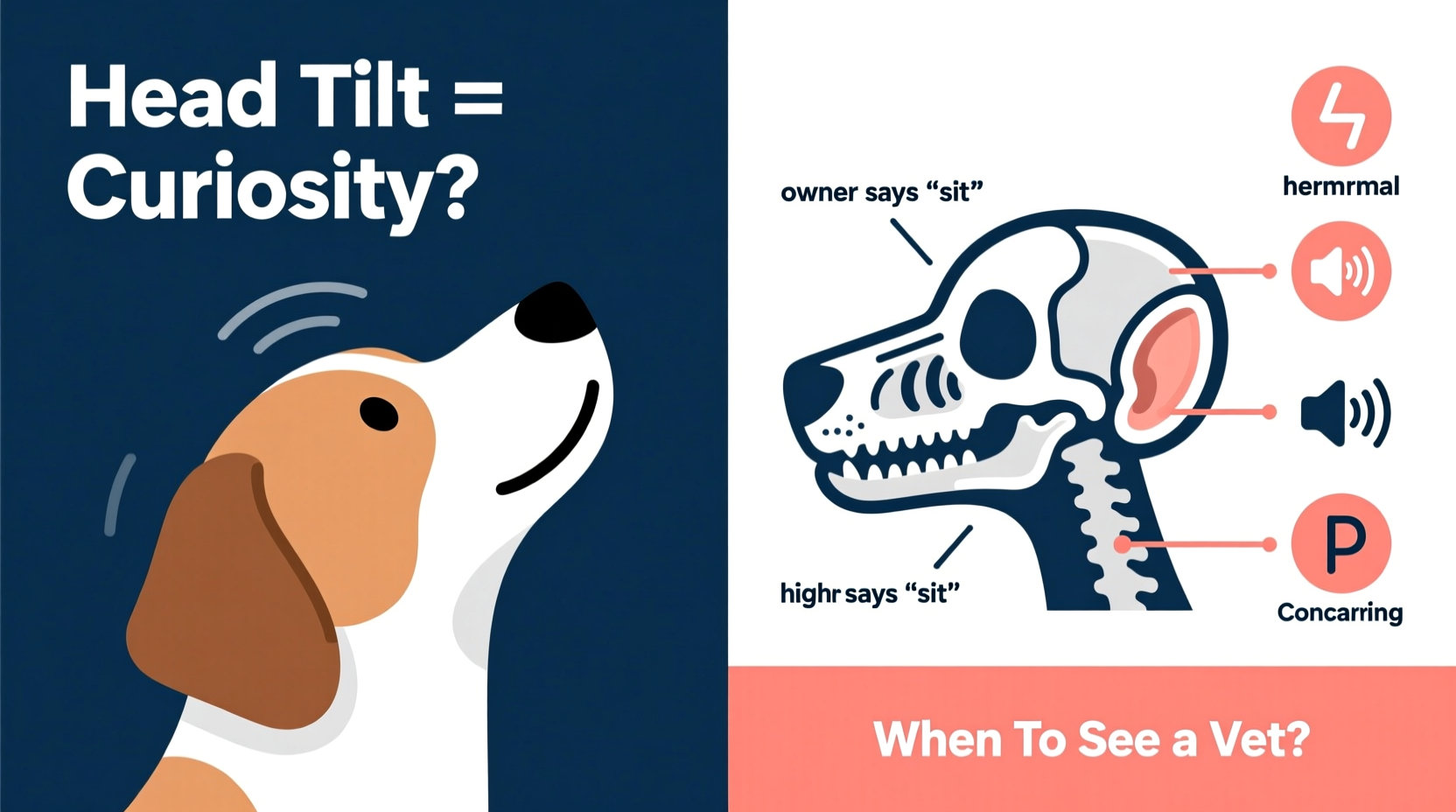
Dogs rely heavily on their senses to interpret the world, and their hearing plays a central role. A dog’s ear structure differs significantly from humans. Their pinnae (outer ears) are mobile and funnel sound into the ear canal with precision. When a dog hears an unfamiliar or high-pitched sound—like a squeaky toy, a bird chirping, or a new word—they may tilt their head to adjust the position of their ears and improve auditory reception.
This motion helps them pinpoint the source of a sound more accurately. By shifting their head, dogs alter how sound waves enter each ear, allowing their brain to better triangulate direction and distance. This is especially useful when trying to locate hidden noises or interpret muffled human speech.
Additionally, dogs use visual cues alongside auditory input. Tilting the head can help reposition their muzzle—especially in long-snouted breeds—out of their line of sight, giving them a clearer view of a person’s face. This improves their ability to read facial expressions and lip movements, which they’ve learned correlate with tone and meaning.
“Dogs are masters of cross-modal perception—they integrate what they hear with what they see. The head tilt is often a sign of active listening and cognitive engagement.” — Dr. Alexandra Horowitz, Canine Cognition Researcher, Barnard College
Behavioral Reasons for Head Tilting
In most cases, head tilting is a voluntary, learned behavior rooted in social interaction and environmental exploration. Here are the most common non-medical explanations:
- Curiosity and attention-seeking: Dogs may tilt their heads when they hear unusual sounds or tones, signaling they’re focused and processing information.
- Positive reinforcement learning: If a dog receives affection, treats, or laughter after tilting their head, they may repeat the behavior to elicit the same response.
- Understanding verbal cues: Many dogs tilt their heads when spoken to, especially if the word has positive associations like “walk,” “treat,” or their name.
- Breed predisposition: Breeds like Shelties, Cavaliers, and Poodles are known for frequent head tilting, possibly due to heightened sensitivity and intelligence.
When Head Tilting Signals a Health Problem
While occasional tilting is normal, a persistent or involuntary head tilt—where the dog cannot return their head to a neutral position—can indicate a medical condition. The most common cause is vestibular disease, which affects the balance system located in the inner ear and brainstem.
Vestibular dysfunction disrupts a dog’s sense of spatial orientation. Symptoms often appear suddenly and may include:
- Constant head tilt (usually to one side)
- Circling or falling to one side
- Nystagmus (rapid, involuntary eye movement)
- Vomiting or nausea
- Loss of appetite
- Reluctance to stand or walk
These symptoms can mimic a stroke, but true strokes are less common in dogs than vestibular issues. However, both require urgent veterinary evaluation.
Common Medical Causes of Persistent Head Tilt
| Condition | Description | Additional Symptoms | Treatment Approach |
|---|---|---|---|
| Ear Infections (Otitis Interna/Media) | Infection spreading to middle or inner ear | Pain, scratching, discharge, odor | Antibiotics, anti-inflammatories, ear flush |
| Vestibular Disease (Peripheral) | Irritation or inflammation of the vestibular nerve | Nystagmus, imbalance, nausea | Supportive care, anti-nausea meds |
| Brain Lesions or Tumors | Abnormal growth affecting brain function | Seizures, behavioral changes, weakness | MRI, surgery, or palliative care |
| Head Trauma | Impact injury affecting inner ear or brain | Lethargy, confusion, bleeding | Imaging, rest, possible surgery |
| Polyneuropathy | Nerve degeneration affecting motor control | Weakness, difficulty walking, voice change | Diagnosis-dependent; no cure in some cases |
Mini Case Study: Bella the Beagle’s Sudden Tilt
Bella, a 7-year-old beagle, began tilting her head sharply to the right after a weekend at a lakeside cabin. Her owner initially thought she was being playful, but within 24 hours, Bella refused to eat, vomited twice, and started walking in circles. Concerned, the owner brought her to the vet.
Upon examination, the veterinarian found redness and discharge in Bella’s right ear canal. A deeper inspection revealed a grass awn lodged in the ear, causing otitis interna—an infection of the inner ear. The foreign object had triggered inflammation of the vestibular nerve, leading to the head tilt and balance issues.
After sedation and careful removal of the awn, Bella received antibiotics and anti-inflammatory medication. Within a week, her head posture returned to normal, and her appetite resumed. This case highlights how quickly a minor outdoor exposure can escalate into a serious condition—and why early intervention matters.
Tip: After hikes or outdoor play, inspect your dog’s ears for debris, ticks, or swelling. Early detection prevents complications.Step-by-Step Guide: What to Do If Your Dog Has a Persistent Head Tilt
If your dog develops a constant head tilt or shows signs of discomfort, follow this sequence to ensure proper care:
- Observe closely: Note when the tilt began, whether it’s one-sided, and any accompanying symptoms like vomiting, stumbling, or eye movement.
- Check the ears: Look for redness, discharge, odor, or swelling. Do not insert anything into the ear canal.
- Limit activity: Prevent falls or injuries by confining your dog to a safe, padded area if they’re unsteady.
- Contact your veterinarian: Describe all observed symptoms and request an urgent appointment.
- Prepare for diagnostics: The vet may perform an otoscopic exam, blood tests, or recommend imaging (CT or MRI) if a neurological cause is suspected.
- Follow treatment plans: Administer prescribed medications consistently and attend all follow-up visits.
- Monitor progress: Track improvements or setbacks daily. Most peripheral vestibular cases show improvement within 72 hours of treatment.
Checklist: Signs That Warrant Immediate Veterinary Attention
Use this checklist to determine if your dog’s head tilt requires emergency care:
- ✅ Head tilt lasting longer than 24–48 hours without improvement
- ✅ Inability to stand or frequent falling
- ✅ Rapid eye movements (nystagmus)
- ✅ Vomiting or excessive drooling
- ✅ Loss of appetite or refusal to drink
- ✅ Discharge or foul smell from the ear
- ✅ Sudden onset after trauma or loud noise exposure
- ✅ Changes in behavior, such as aggression or disorientation
If three or more of these signs are present, seek veterinary care immediately.
FAQ: Common Questions About Dog Head Tilting
Is it bad if my dog tilts his head every time I talk?
No—this is typically a sign of engagement and curiosity. Dogs associate certain sounds with positive outcomes and may tilt their heads to better understand tone and context. As long as the tilt is intermittent and the dog returns to a normal posture, there’s no cause for concern.
Can ear mites cause a head tilt?
Ear mites primarily affect the outer ear and cause intense itching and dark discharge, but they rarely lead to a full head tilt. However, untreated infestations can progress to secondary infections in the middle or inner ear, which may then result in vestibular symptoms including tilting. Regular ear cleaning and parasite prevention reduce this risk.
Do older dogs tilt their heads more due to aging?
Senior dogs are more prone to vestibular disease, often referred to as “old dog vestibular syndrome.” It appears suddenly but usually resolves within a few days to weeks with supportive care. While alarming, it’s often benign. Still, other serious conditions like tumors must be ruled out through veterinary assessment.
Expert Insight: Listening to the Whole Dog
Dr. Karen Becker, a proactive veterinarian and animal wellness advocate, emphasizes a holistic approach:
“It’s easy to romanticize the head tilt as just a cute quirk. But as caregivers, we must learn to distinguish between communicative gestures and pathological signals. The key is consistency—know your dog’s baseline behavior so you can spot deviations early.” — Dr. Karen Becker, DVM, Proactive Care Advocate
This means spending time observing your dog’s typical posture, gait, and habits. A dog that suddenly starts tilting their head when they never did before—even without other symptoms—deserves a vet check.
Conclusion: Balancing Awareness and Affection
The dog’s head tilt sits at the intersection of charm and complexity. It’s a behavior shaped by evolution, learning, and sensory adaptation—one that deepens the bond between pets and people. Yet beneath that endearing gesture can lie hidden health issues requiring prompt attention.
By understanding both the playful and pathological causes of head tilting, you empower yourself to respond appropriately. Celebrate the moments when your dog tilts their head in curiosity, but remain vigilant for signs that it’s more than just communication. Early diagnosis can make the difference between a quick recovery and long-term complications.
🚀 Take action today: Observe your dog’s behavior, schedule regular ear check-ups, and share this knowledge with fellow pet owners. Your awareness could protect not just your dog—but others too.








