
Dogs tilt their heads in ways that instantly melt hearts—perking an ear, cocking the skull slightly, and fixing their gaze with intense focus. While this behavior often seems like harmless charm, many pet owners wonder: Is there more to it? Could a frequent or sudden head tilt indicate a health issue? The answer isn’t always simple. Head tilting is usually a natural response rooted in canine communication and sensory processing, but under certain circumstances, it can signal underlying medical conditions. Understanding the difference between normal behavior and a potential red flag is essential for responsible pet care.
The Science Behind Canine Head Tilting
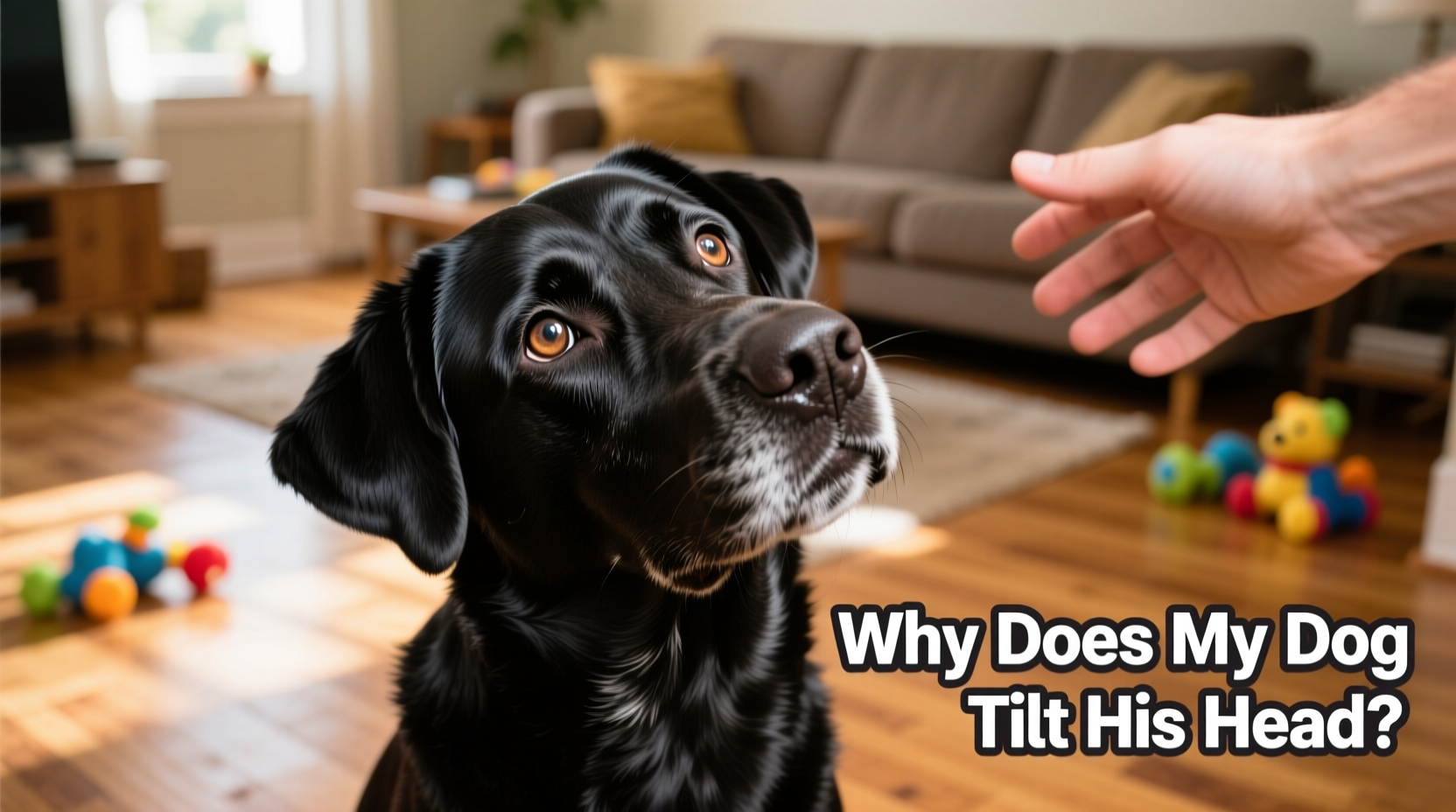
Dogs rely heavily on auditory and visual cues to interpret their environment. When a dog tilts its head, it’s often adjusting its ears and eyes to better process sounds or facial expressions. Unlike humans, dogs have varied ear shapes and placements that affect how sound reaches their eardrums. By tilting their head, they reposition their pinnae (external ear flaps) to funnel sound more effectively into the ear canal, especially when trying to locate the source of a faint or unfamiliar noise.
Veterinary behaviorists suggest that dogs also use head tilting as a way to improve their line of sight. Many dog breeds, particularly those with long muzzles or droopy ears, have limited peripheral vision directly below their snouts. Tilting helps shift their muzzle out of the way, allowing them to see human faces more clearly—especially during conversations or when responding to commands.
“Head tilting is often a sign of active listening. Dogs are fine-tuning both their hearing and vision to gather more information.” — Dr. Sarah Jensen, Veterinary Ethologist
This dual sensory adjustment makes the head tilt not just cute, but functional. It’s part of a broader set of nonverbal communication tools dogs use to engage with people and assess their surroundings.
When Head Tilting Becomes a Concern
While occasional head tilting is normal, a persistent or one-sided tilt—especially if accompanied by other symptoms—may point to a medical issue. The most common concern is vestibular disease, which affects the balance system in the inner ear or brainstem. This condition disrupts a dog’s spatial orientation, leading to dizziness, loss of coordination, and a noticeable lean or tilt of the head toward one side.
Vestibular dysfunction can stem from several causes:
- Ear infections: Bacterial or yeast infections in the middle or inner ear can inflame the vestibular apparatus.
- Idiopathic vestibular syndrome: Common in older dogs, this sudden-onset condition has no identifiable cause but often resolves within days to weeks.
- Tumors: Growths in the ear canal or brain can press on nerves responsible for balance.
- Neurological disorders: Conditions like strokes, inflammation (encephalitis), or congenital abnormalities may also trigger head tilting.
Unlike the brief, responsive tilt seen during play or listening, pathological tilting tends to be constant and involuntary. The dog may struggle to stand straight, circle in one direction, or exhibit nystagmus—rapid, uncontrolled eye movements.
Tip: If your dog holds its head tilted to one side for more than a few hours, especially with vomiting or imbalance, contact your veterinarian immediately.Behavioral vs. Medical Triggers: A Comparison
To determine whether your dog’s head tilt is behavioral or medical, consider frequency, context, and accompanying signs. The following table outlines key differences:
| Factor | Behavioral Head Tilt | Medical Head Tilt |
|---|---|---|
| Duration | Seconds to minutes; occurs intermittently | Persistent (hours to days); constant position |
| Symmetry | May tilt either left or right depending on stimulus | Consistently tilts to one side |
| Triggers | Hearing unusual sounds, seeing gestures, awaiting commands | No clear trigger; occurs at rest or randomly |
| Accompanying Signs | Alertness, wagging tail, normal gait | Nystagmus, circling, vomiting, lethargy |
| Response to Stimuli | Follows objects, responds to voice | May appear disoriented or unresponsive |
Observing these patterns over time helps distinguish innocent curiosity from a possible health problem. When in doubt, err on the side of caution and consult a vet.
Real-Life Example: Max the Cocker Spaniel
Max, a seven-year-old Cocker Spaniel, began tilting his head persistently to the left after a weekend spent swimming at a lake. His owner initially thought it was Max’s quirky way of listening, but within two days, he started walking in tight circles and refused to eat. Concerned, she brought him to the vet. An otoscopic exam revealed a severe bacterial infection deep in his left ear canal, which had spread to the inner ear and disrupted his vestibular function. After a course of antibiotics, anti-inflammatory medication, and supportive care, Max’s balance returned, and the head tilt resolved completely.
This case highlights how environmental exposure—like water trapped in floppy ears—can lead to infections that mimic or cause neurological symptoms. Regular ear cleaning and post-swim care are crucial for breeds predisposed to ear issues.
Step-by-Step: What to Do If Your Dog Tilts Its Head Frequently
If you notice your dog tilting its head more than usual, follow this structured approach to assess and respond appropriately:
- Observe the pattern: Note how often the tilt occurs, whether it’s always to the same side, and what your dog is doing when it happens.
- Check for other symptoms: Look for signs like scratching at ears, discharge, stumbling, eye twitching, or changes in appetite.
- Review recent activities: Did your dog swim, travel by car, or get exposed to loud noises? These could contribute to temporary or lasting ear issues.
- Inspect the ears: Gently examine the outer ear for redness, odor, wax buildup, or swelling. Do not insert anything into the ear canal.
- Contact your veterinarian: Share your observations and schedule an exam. The vet may perform a neurological evaluation, ear cytology, or imaging (CT/MRI) if needed.
- Follow treatment plans: If an infection or other condition is diagnosed, adhere strictly to prescribed medications and follow-up visits.
- Monitor progress: Track improvements or setbacks and report them to your vet promptly.
Early intervention significantly improves outcomes, especially when infections or inflammation are involved.
Expert Recommendations for Prevention and Care
While not all causes of head tilting are preventable, proactive care reduces risks associated with ear health and neurological wellness. Veterinarians emphasize routine ear maintenance, especially for dogs with floppy ears or histories of infections.
“Regular ear checks and cleanings can prevent up to 70% of vestibular issues linked to ear disease.” — Dr. Alan Reyes, Veterinary Neurologist
Use veterinarian-approved ear cleaners every 1–2 weeks for high-risk breeds. Avoid cotton swabs, which can push debris deeper into the canal. After bathing or swimming, dry the ears thoroughly with a soft towel or use a drying solution recommended by your vet.
In addition to ear care, maintaining overall neurological health involves balanced nutrition, regular exercise, and avoiding head trauma. Older dogs should receive annual senior wellness exams, including neurological screenings, to catch subtle changes early.
Tip: Teach your dog basic commands using hand signals. This strengthens communication and reduces reliance on vocal cues alone, minimizing excessive head tilting due to auditory confusion.Frequently Asked Questions
Is head tilting a sign of intelligence in dogs?
Not directly. However, dogs that tilt their heads frequently may be more attentive or socially engaged. The behavior reflects active processing rather than innate intelligence. Breeds like Border Collies or Poodles may do it more often because they’re highly attuned to human communication.
Can puppies tilt their heads too?
Yes, even young puppies exhibit head tilting as they learn to interpret sounds and social cues. As long as the tilt is intermittent and the puppy is developing normally—eating well, gaining weight, and showing no balance issues—it’s typically nothing to worry about.
Should I discourage my dog from tilting its head?
No. Unless it’s a symptom of illness, head tilting is a natural behavior. Discouraging it could interfere with your dog’s ability to communicate or process information. Focus instead on ensuring the behavior remains situational and not constant.
Action Checklist: Monitoring and Responding to Head Tilting
Use this checklist to stay proactive about your dog’s head-tilting behavior:
- ✅ Observe frequency and duration of head tilts
- ✅ Check for consistent tilting to one side
- ✅ Monitor for balance issues or circling
- ✅ Inspect ears weekly for redness, odor, or discharge
- ✅ Clean ears regularly with vet-approved solutions
- ✅ Schedule a vet visit if tilt persists beyond 24 hours
- ✅ Keep records of behavior changes for veterinary consultations
Conclusion: Listen Beyond the Tilt
A dog’s head tilt is more than a photogenic quirk—it’s a window into their sensory world and emotional state. Most of the time, it’s a healthy, adaptive behavior driven by curiosity and connection. But when it becomes persistent or one-sided, it may be your dog’s way of signaling discomfort or distress. Recognizing the subtle differences between normal and abnormal patterns empowers you to act swiftly and compassionately.
Your dog depends on you to interpret their silent language. By staying observant, maintaining preventive care, and seeking professional guidance when needed, you ensure their well-being goes far beyond surface-level charm. The next time your dog cocks its head, take a moment to listen—not just to what you’re saying, but to what they might be telling you.
💬 Have a story about your dog’s head tilt? Share your experience in the comments—your insight could help another pet owner recognize a warning sign or simply enjoy the joy of canine quirks.








