Dogs are naturally curious and expressive animals, but certain behaviors can unsettle even the most experienced pet owners. One such behavior is prolonged staring at a blank wall. While an occasional glance at a surface may not raise concern, when your dog fixates on a wall for minutes at a time, repeatedly or without apparent cause, it’s natural to wonder: Is this normal? Could it signal a health issue? And more importantly—should you be worried?
This article explores the potential reasons behind this puzzling behavior, from benign explanations like boredom or auditory distractions to more serious conditions such as canine cognitive dysfunction or seizures. We’ll also provide practical steps you can take to assess and address the issue, supported by expert insights and real-life examples.
Understanding Canine Behavior: What Does Staring Mean?
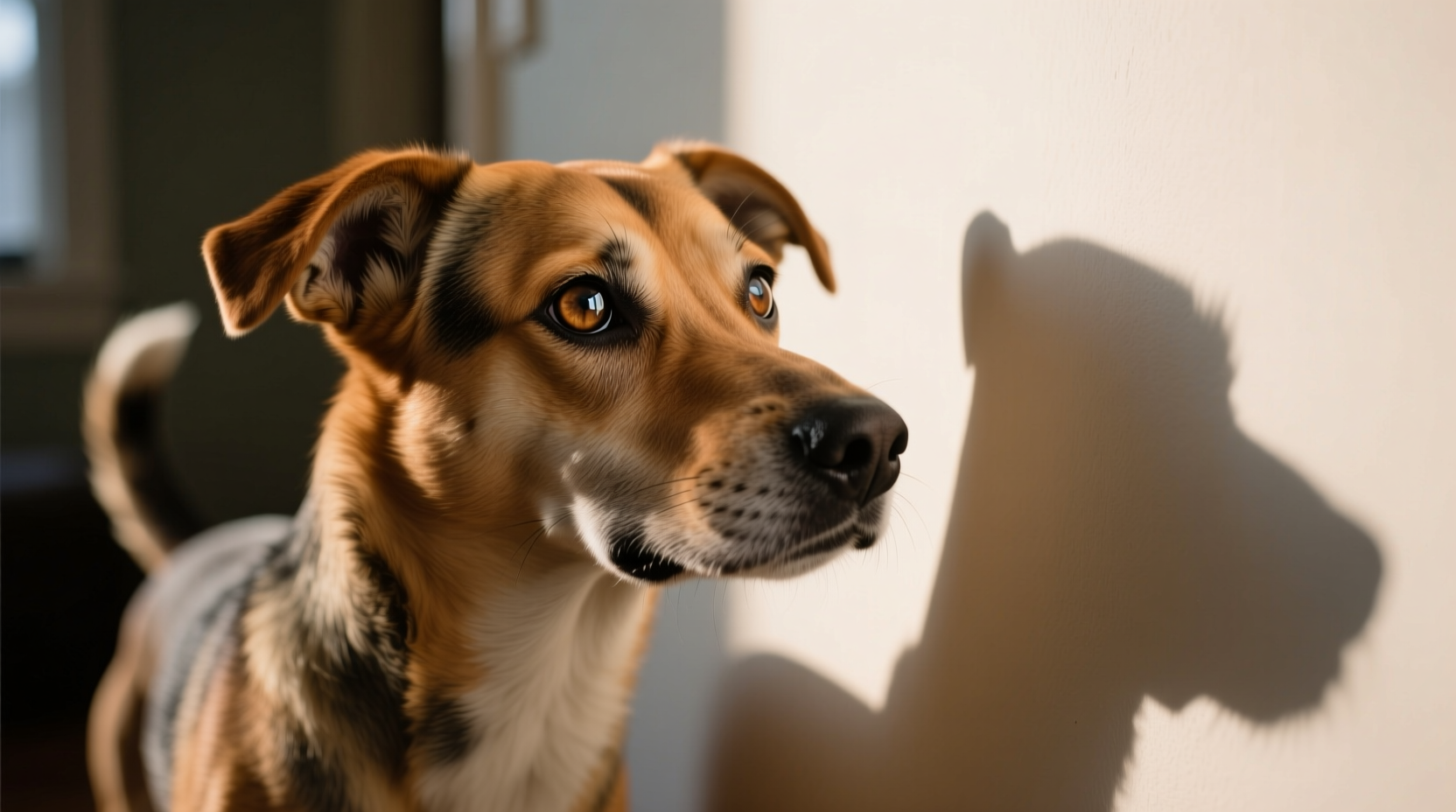
Dogs use visual focus to process their environment. Unlike humans, they rely heavily on movement, scent, and sound cues. A sudden stillness or intense gaze often means they’ve detected something unusual—even if we can’t perceive it. However, sustained staring without response to external stimuli may indicate that something deeper is occurring.
In some cases, dogs stare because they hear high-frequency sounds (like rodents in walls or electrical buzzing), see shadows or light reflections, or respond to subtle vibrations. These triggers are often imperceptible to humans, which makes the behavior seem inexplicable.
On the other hand, persistent unresponsiveness during these episodes—where your dog doesn't react when called or touched—can point toward neurological or psychological disturbances. It's important to distinguish between momentary curiosity and repetitive, trance-like fixation.
Tip: Observe your dog in different lighting and quiet environments to determine whether the staring coincides with specific sensory stimuli.Potential Causes of Wall-Staring in Dogs
Wall-staring isn’t a diagnosis—it’s a symptom. The underlying cause could range from harmless to medically urgent. Below are common explanations, categorized by likelihood and severity.
1. Environmental Stimuli
Dogs have superior hearing and vision in low-light conditions. They may detect:
- Faint scratching noises from pests inside walls
- High-pitched electronic hums from appliances or wiring
- Moving shadows caused by sunlight or tree branches outside
- Reflections off glass or polished surfaces creating illusions of motion
If the behavior occurs only in certain rooms or times of day, environmental factors are likely involved.
2. Boredom or Compulsive Behavior
Dogs left alone for long periods may develop compulsive habits due to under-stimulation. Repetitive actions like tail-chasing, air-snapping, or wall-gazing can emerge as coping mechanisms. This is especially common in intelligent breeds such as Border Collies, German Shepherds, or Australian Shepherds.
These behaviors start occasionally but can escalate into full-blown compulsions if not addressed through increased mental and physical engagement.
3. Canine Cognitive Dysfunction (CCD)
Similar to Alzheimer’s disease in humans, CCD affects older dogs (typically over age 9). Symptoms include disorientation, altered sleep cycles, house-soiling, and vacant staring. A dog with CCD might stand motionless in a corner, seemingly “zoned out,” for several minutes.
“Senior dogs exhibiting unexplained staring spells should be evaluated for cognitive decline. Early intervention can significantly improve quality of life.” — Dr. Laura Greenfield, Veterinary Neurologist
4. Seizures or Partial Epileptic Episodes
Not all seizures involve convulsions. Focal (or partial) seizures affect only a portion of the brain and may manifest as fixed gaze, lip-licking, trembling, or aimless wandering. During these episodes, the dog may appear awake but unresponsive.
These events typically last 30 seconds to 2 minutes, though post-ictal confusion can extend longer. If your dog seems dazed afterward or loses bladder control, consult a veterinarian immediately.
5. Vision or Hearing Changes
Impaired senses can lead to misinterpretation of surroundings. A dog losing sight might stare at bright areas, mistaking them for objects. Similarly, hearing loss can result in delayed responses, making it seem as though they’re ignoring stimuli—or focusing on nothing.
When Should You Be Concerned?
Occasional wall-looking isn’t alarming. But certain red flags warrant professional evaluation:
| Behavior | May Be Normal | Warrants Veterinary Attention |
|---|---|---|
| Duration | Less than 10–15 seconds | Repeated episodes lasting over 30 seconds |
| Responsiveness | Dog reacts when called | No reaction to voice or touch |
| Frequency | Once every few weeks | Daily or multiple times per day |
| Associated Signs | None | Tremors, drooling, pacing, disorientation |
| Age of Dog | Young adult, active | Senior dog (>8 years) |
The presence of any concerning signs, particularly lack of responsiveness or abnormal movements, requires prompt veterinary assessment. Delaying diagnosis can limit treatment effectiveness, especially in cases involving epilepsy or neurodegenerative conditions.
Step-by-Step Guide: How to Respond When Your Dog Stares at Walls
If your dog exhibits this behavior, follow this structured approach to gather information and determine next steps:
- Observe quietly. Don’t interrupt the episode. Note how long it lasts, whether the eyes are focused or glazed, and if there’s twitching or vocalization.
- Record the incident. Use your phone to film the behavior. Video evidence helps veterinarians differentiate between compulsive actions and neurological events.
- Check the environment. Look for sources of noise, light reflection, or drafts that might attract attention. Test by turning off electronics or closing blinds.
- Assess overall behavior. Track changes in appetite, energy level, sleep patterns, and interaction with family members.
- Schedule a vet visit. Bring your notes and video. Your vet may perform blood tests, neurological exams, or refer you to a veterinary neurologist.
Early documentation increases diagnostic accuracy. Many owners assume minor quirks aren’t worth mentioning, but consistent reporting builds a clearer clinical picture.
Real-Life Example: Max, the Golden Retriever
Max, a 10-year-old Golden Retriever, began standing motionless in front of the living room wall each evening. His owner, Sarah, initially dismissed it as napping. But when the episodes grew longer—up to five minutes—and were followed by confusion and urination indoors, she became alarmed.
She recorded one episode and brought it to her vet. After reviewing the footage and conducting a full workup—including MRI scans—Max was diagnosed with late-stage canine cognitive dysfunction. He also showed mild epileptiform activity.
With medication (selegiline), a specialized diet rich in antioxidants, and environmental enrichment (puzzle toys, daily walks, and structured routines), Max’s symptoms improved significantly within two months. Though he still has occasional \"off\" moments, the wall-staring decreased dramatically.
Had Sarah waited longer, Max’s condition might have progressed further before treatment began. This case underscores the importance of early action.
Prevention and Management Strategies
Depending on the root cause, various interventions can reduce or eliminate wall-staring behavior.
Mental and Physical Enrichment
For boredom-related staring, increase stimulation:
- Daily interactive play sessions (fetch, tug-of-war)
- Food puzzle toys and snuffle mats
- Training new commands or tricks to engage the mind
- Controlled socialization with other dogs
Environmental Adjustments
Modify the home to minimize false triggers:
- Cover reflective surfaces during peak sunlight hours
- Seal gaps where rodents might enter walls
- Replace flickering lights or buzzing transformers
Medical Treatments
If a medical condition is diagnosed:
- Anti-seizure medications (e.g., phenobarbital, levetiracetam) for epilepsy
- Selegiline (Anipryl®) for cognitive dysfunction
- Supplements like omega-3 fatty acids, SAMe, or medium-chain triglycerides (MCT oil)
FAQ: Common Questions About Dogs Staring at Walls
Is it normal for dogs to stare at walls sometimes?
Yes, brief moments of focused attention are normal, especially if triggered by sound or light. However, repeated, prolonged, or unresponsive staring is not typical and should be evaluated.
Can anxiety cause my dog to stare at walls?
Absolutely. Anxiety can manifest in repetitive behaviors. Dogs under stress may fixate on objects as a displacement behavior. Addressing the source of anxiety—such as separation, loud noises, or changes in routine—often reduces these actions.
Should I wake my dog if they're staring at a wall?
If the dog responds normally when gently called or touched, it’s likely safe to redirect their attention. However, if they seem entranced or disoriented, avoid startling them. Instead, softly speak their name and guide them to a quiet area. Document the event and discuss it with your vet.
Final Checklist: What to Do Next
- ✅ Observe and document the frequency, duration, and context of the staring.
- ✅ Record a video of the behavior during a typical episode.
- ✅ Eliminate obvious environmental triggers (noise, reflections).
- ✅ Evaluate your dog’s overall health and behavior changes.
- ✅ Schedule a veterinary exam, especially if the dog is senior or shows other abnormalities.
- ✅ Follow through on recommended diagnostics (bloodwork, imaging, etc.).
- ✅ Implement enrichment strategies regardless of diagnosis to support brain health.
Conclusion: Take Action Before It Escalates
Your dog’s wall-staring may be innocent—or it could be the first sign of a hidden medical issue. The key is vigilance without panic. By observing closely, documenting carefully, and seeking timely veterinary input, you protect your dog’s well-being and ensure they continue to live a happy, healthy life.
Don’t dismiss odd behaviors simply because they seem strange rather than painful. In many cases, early detection leads to better outcomes, whether the cause is treatable epilepsy, manageable anxiety, or age-related cognitive change. Your awareness today could make all the difference tomorrow.
💬 Has your dog ever stared at a wall or space for no clear reason? Share your experience below—your story might help another pet owner recognize a warning sign early.








