Dogs are naturally curious and expressive animals, but when your pet begins fixating on a blank wall, it’s easy to feel uneasy. At first glance, this behavior might seem quirky or harmless—perhaps your dog is just zoning out. However, prolonged or repeated staring can signal underlying issues ranging from boredom to serious neurological conditions. Understanding why your dog stares at the wall requires careful observation and, in some cases, veterinary evaluation. This article explores the full spectrum of possible causes, how to differentiate between benign habits and red flags, and what steps you should take next.
Common Behavioral Causes: Boredom and Fixation
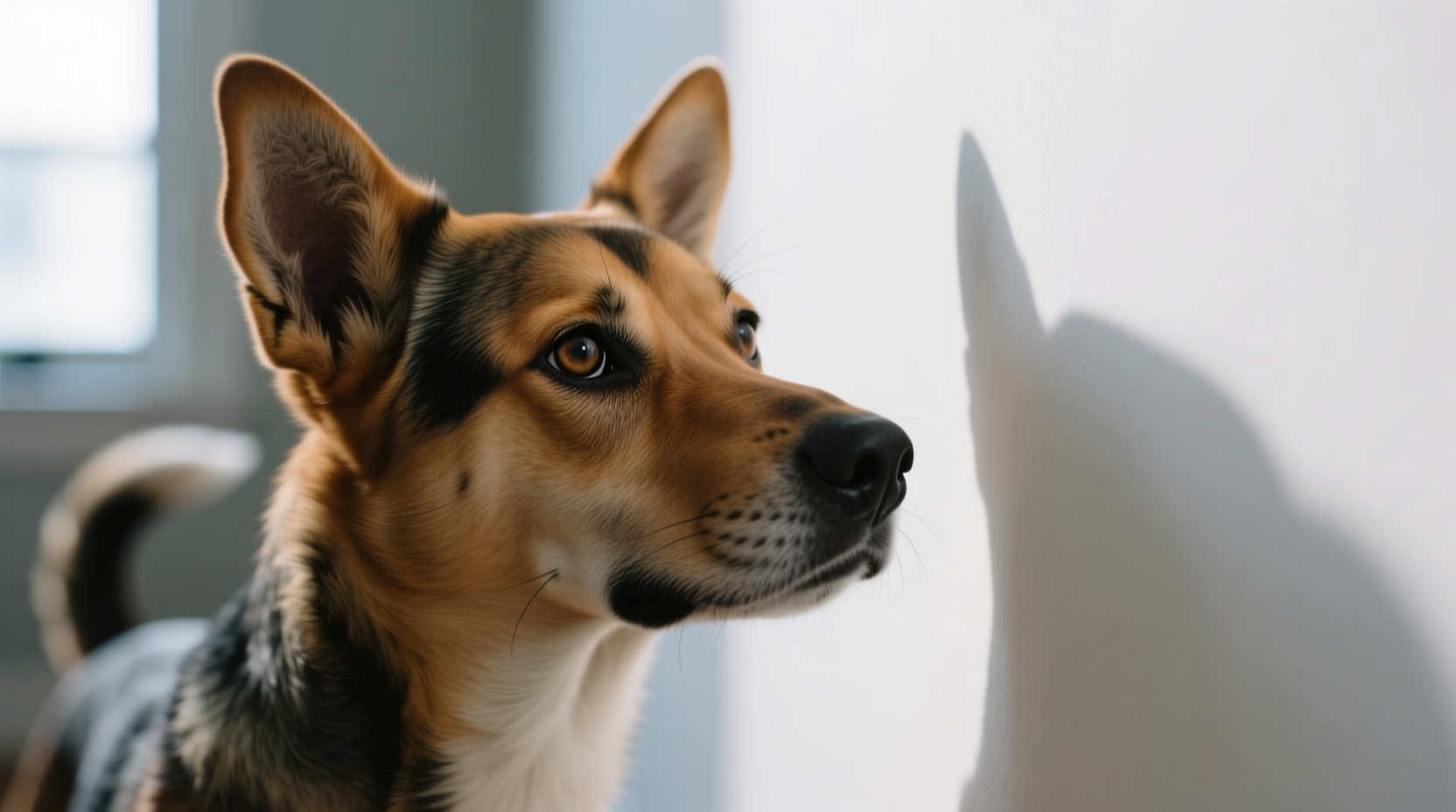
Dogs thrive on routine, stimulation, and interaction. When these needs go unmet, they may develop repetitive behaviors as a coping mechanism. Staring at a wall can fall into this category, especially in dogs left alone for long periods or those lacking sufficient mental and physical engagement.
Boredom-induced staring often occurs during quiet times of the day—early morning, late evening, or when the household is empty. The dog may appear relaxed, occasionally blinking or shifting position, but remains focused on one spot. In such cases, the behavior isn’t typically accompanied by other signs of distress.
Some dogs also develop fixation behaviors similar to obsessive-compulsive tendencies. These may stem from anxiety, lack of early socialization, or environmental stressors. For example, a rescue dog with an unknown past might fixate on walls due to learned habits formed in a confined space.
Tip: Rotate toys weekly and introduce puzzle feeders to keep your dog mentally stimulated and reduce the risk of repetitive behaviors.Medical Conditions That May Cause Wall-Staring
While behavioral reasons are common, wall-staring can also point to medical problems. Unlike boredom-related staring, medically driven episodes tend to be sudden, intense, and consistent in pattern. Key conditions include:
- Seizures (especially partial or focal seizures): Dogs experiencing focal seizures may appear \"zoned out,\" stand motionless, drool, or exhibit subtle twitching while staring intently at a wall. These episodes usually last seconds to minutes and may be followed by disorientation.
- Cognitive Dysfunction Syndrome (CDS): Common in senior dogs, CDS resembles dementia in humans. Affected dogs may wander aimlessly, forget commands, bark at nothing, or stare at walls for extended periods.
- Vision or hearing loss: As sensory input declines, dogs may misinterpret shadows, light reflections, or auditory cues, leading them to focus on walls where they perceive movement or sound.
- Neurological disorders: Brain tumors, inflammation, or vestibular disease can alter perception and behavior, sometimes manifesting as unexplained staring.
It's crucial to note that not all seizure activity involves dramatic convulsions. Subtle seizures can be mistaken for daydreaming, making them easy to overlook without proper observation.
When to Suspect a Seizure
Look for accompanying signs such as:
- Rigid posture or muscle twitching
- Unresponsiveness to voice or touch
- Excessive salivation or lip-smacking
- Repetitive movements like paw lifting or tail chasing afterward
- Confusion or fatigue post-episode
“Focal seizures in dogs are often underdiagnosed because owners mistake them for odd behavior. If your dog seems 'absent' for more than a few seconds, consider video recording the episode for your vet.” — Dr. Laura Simmons, Veterinary Neurologist
Environmental Triggers and Sensory Misinterpretations
Sometimes, there’s a logical explanation behind the gaze. Dogs have acute senses and may react to stimuli imperceptible to humans. Common environmental factors include:
- Insects or rodents inside walls: Scratching or scurrying sounds can captivate a dog’s attention, especially in quiet homes.
- Light patterns or shadows: Sunlight reflecting off mirrors, blinds, or shiny surfaces can create moving illusions on walls.
- Faint noises: Pipes, HVAC systems, or electrical hums may emit high-frequency sounds that dogs hear but humans don’t.
To assess whether environmental triggers are involved, observe when the behavior occurs. Is it always near a specific wall? Does it happen only at certain times of day? Try altering lighting or blocking access to the area temporarily to see if the behavior stops.
Assessment Checklist: What You Should Monitor
If your dog frequently stares at walls, use this checklist to gather information before consulting a veterinarian:
Checklist:- Record the duration and frequency of staring episodes.
- Note any associated behaviors (trembling, drooling, circling).
- Identify the time of day and environmental context.
- Check for changes in appetite, sleep, or house-training habits.
- Video record an episode if possible.
- Assess recent changes in routine, diet, or home environment.
- Evaluate your dog’s age and overall health history.
This data will help your veterinarian determine whether further diagnostics—such as blood work, MRI, or EEG—are necessary.
Case Study: Max, a 9-Year-Old Border Collie
Max, a normally energetic and obedient Border Collie, began standing motionless in the hallway every evening, staring at a patch of wall near the staircase. His owner initially assumed he was watching dust particles in the sunlight. But over weeks, the episodes grew longer—up to five minutes—and were followed by Max walking in circles and appearing dazed.
Concerned, Max’s owner recorded a video and brought it to their vet. After a neurological exam and blood tests, Max was referred to a veterinary neurologist. An MRI revealed a small lesion in the temporal lobe, consistent with a brain tumor. Max was started on anti-seizure medication, which significantly reduced the staring episodes. While the diagnosis was serious, early detection allowed for effective management and improved quality of life.
Max’s case illustrates how seemingly minor behaviors can indicate significant underlying conditions—especially in older dogs.
Differentiating Between Boredom and Medical Issues
Telling the difference between a habit and a health problem comes down to consistency, context, and co-occurring symptoms. The following table outlines key distinctions:
| Factor | Boredom/Fixation | Medical Concern |
|---|---|---|
| Duration | Variable; often breaks voluntarily | Prolonged (30+ seconds), rigid |
| Responsiveness | May respond to name or treat | Unresponsive during episode |
| Frequency | Irregular, situational | Daily or multiple times per day |
| Aftermath | Normal behavior resumes | Disoriented, tired, or confused |
| Age of Onset | Any age, often young dogs | More common in seniors (7+ years) |
| Triggers | Loneliness, lack of activity | None apparent; may occur mid-activity |
Use this guide to evaluate your dog��s behavior objectively. If the pattern aligns more closely with the “Medical Concern” column, professional assessment is strongly advised.
Step-by-Step: What to Do If Your Dog Stares at Walls
If you’ve noticed this behavior, follow these steps to ensure your dog’s well-being:
- Observe and Document: Note when, where, and how long the staring lasts. Look for patterns.
- Eliminate Environmental Causes: Check for insects, drafts, lights, or sounds that might attract attention.
- Increase Mental and Physical Stimulation: Add daily walks, training sessions, and interactive toys to reduce idle time.
- Rule Out Sensory Decline: Have your vet check vision and hearing, especially in older dogs.
- Consult Your Veterinarian: Share your observations and any videos. Request a full physical and neurological exam.
- Follow Up with Specialists if Needed: Depending on findings, a referral to a veterinary neurologist or behaviorist may be appropriate.
- Implement Treatment Plan: Whether behavioral modification, medication, or environmental adjustments, consistency is key.
Early intervention can prevent mild issues from escalating and improve outcomes for serious conditions.
Frequently Asked Questions
Can stress cause my dog to stare at walls?
Yes. Dogs under chronic stress or anxiety may develop compulsive behaviors, including repetitive staring. Changes in environment, separation anxiety, or loud noises can contribute. Addressing the root cause of stress often resolves the behavior.
Is wall-staring normal in puppies?
Occasional staring may be part of exploratory behavior in puppies, but frequent or prolonged fixation is not typical. Puppies are generally active and easily distracted. Persistent staring warrants evaluation to rule out developmental or neurological issues.
How can I tell if my dog is having a seizure?
Focal seizures may involve subtle signs: vacant stare, chewing motions, freezing in place, or brief twitching. Unlike generalized seizures, there may be no falling or convulsions. Recording the episode and sharing it with your vet is the most reliable way to confirm.
Conclusion: Listen to Your Instincts
Your dog relies on you to interpret their needs, especially when they can’t communicate in words. While occasional wall-gazing might simply reflect curiosity or downtime, persistent or unusual staring deserves attention. It could be a cry for more enrichment—or a silent signal of a deeper health issue.
Don’t dismiss changes in behavior as “just getting old” or “being weird.” With thoughtful observation and timely veterinary care, many underlying causes are manageable. Whether the solution involves more playtime, environmental tweaks, or medical treatment, taking action ensures your dog stays happy, healthy, and mentally sharp for years to come.
💬 Has your dog ever stared at a wall? What did you discover? Share your experience in the comments—your story could help another pet owner recognize a warning sign early.








