
Dogs are naturally curious and expressive animals, but certain behaviors can leave even the most attentive pet owners puzzled. One such behavior is when a dog fixates on a blank wall, seemingly for no reason. While occasional staring might be harmless, persistent or intense wall-gazing can signal underlying health or psychological issues. Understanding the difference between quirky habits and warning signs is essential for responsible pet care.
This article explores the full spectrum of reasons behind this behavior—from environmental triggers to neurological conditions—and provides clear guidance on when it’s time to consult a veterinarian. By recognizing early indicators and knowing how to respond, you can ensure your dog remains healthy, comfortable, and mentally stimulated.
Common Reasons Dogs Stare at Walls
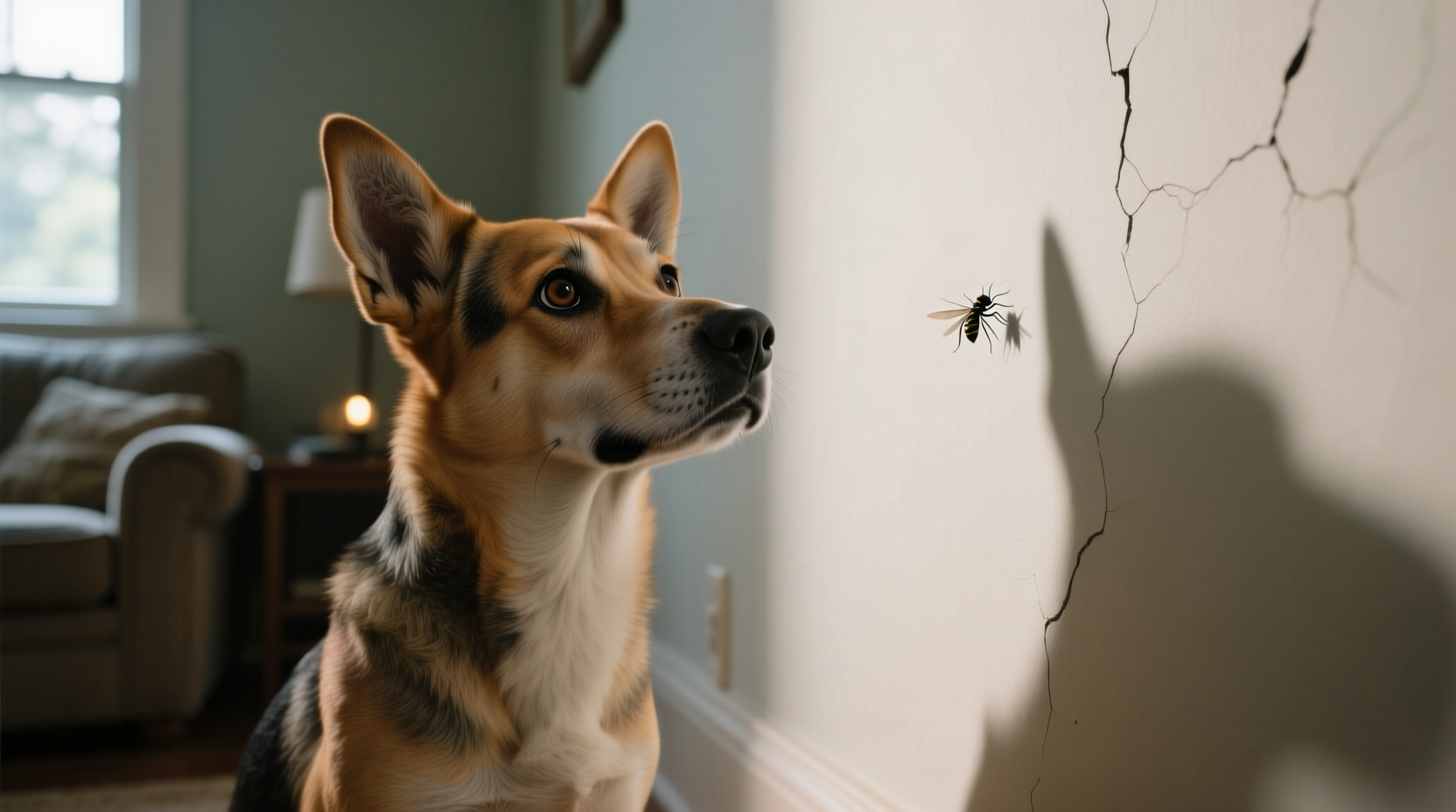
Dog behavior often stems from sensory input, instinct, or learned patterns. Staring at walls isn’t always alarming; sometimes, it’s simply a response to stimuli humans can’t perceive. Here are several non-emergency explanations:
- Auditory distractions: Dogs have far superior hearing than humans. They may detect high-frequency sounds from appliances, plumbing, or insects within walls—such as rodents or termites—that trigger focused attention.
- Visual movement: Shadows, flickering light, or dust particles in sunbeams can capture a dog’s interest, especially in low-light conditions.
- Boredom or lack of stimulation: Dogs left alone for long periods may develop repetitive behaviors like staring due to under-stimulation or anxiety.
- Learned attention-seeking: If a dog receives a reaction (even negative) when staring, they may repeat the behavior to engage their owner.
In many cases, these behaviors are fleeting and resolve once the stimulus ends or the environment changes. However, context matters: frequency, duration, and accompanying symptoms determine whether the behavior warrants concern.
Tip: Observe your dog’s body language during wall-staring episodes. Relaxed posture suggests curiosity; rigid stance, dilated pupils, or trembling may indicate distress.Medical Conditions Linked to Wall-Staring
When wall-staring becomes repetitive, prolonged, or occurs without apparent external cause, it may point to a medical issue. Several neurological and cognitive disorders can manifest through abnormal gaze fixation.
Epilepsy and Seizure Activity
Focal (partial) seizures in dogs often involve unusual behaviors such as unresponsiveness, lip-licking, or fixed staring. These episodes may last seconds to minutes and are sometimes followed by disorientation. A dog experiencing a focal seizure might appear “zoned out” while staring at a wall, unaware of surroundings.
“Focal seizures can be subtle. Owners often mistake them for daydreaming. But if your dog seems detached and doesn’t respond normally, video the episode and show it to your vet.” — Dr. Laura Bennett, Veterinary Neurologist
Canine Cognitive Dysfunction (CCD)
Similar to Alzheimer’s in humans, CCD affects older dogs and leads to confusion, altered sleep cycles, and repetitive actions. Affected dogs may wander aimlessly, get stuck in corners, or stare at walls for extended periods. This condition typically emerges after age 9 and progresses gradually.
Vision or Hearing Loss
Sensory decline can lead to disorientation. A dog with deteriorating vision might press their face against a wall, mistaking it for open space. Alternatively, hearing loss could reduce environmental feedback, making the dog more reliant on visual cues—even static ones.
Brain Tumors or Lesions
Structural abnormalities in the brain can disrupt normal behavior patterns. Depending on the location, tumors may affect spatial awareness, motor control, or perception, leading to compulsive staring or circling.
Behavioral vs. Medical: How to Tell the Difference
Distinguishing between behavioral quirks and medical emergencies requires careful observation. The following table outlines key differences to help assess your dog’s situation:
| Factor | Behavioral Cause | Medical Cause |
|---|---|---|
| Duration | Short bursts, ends when distracted | Prolonged (minutes), hard to interrupt |
| Triggers | Linked to environment (e.g., noise, shadows) | No obvious trigger; happens randomly |
| Response to Owner | Responds when called | Ignores commands, appears unaware |
| Physical Signs | None | Trembling, drooling, twitching, pacing |
| Frequency | Occasional | Recurring multiple times daily |
If your dog exhibits signs from the \"Medical Cause\" column, especially in combination, professional evaluation is strongly advised.
Mini Case Study: Max, the Senior Terrier
Max, a 12-year-old Jack Russell Terrier, began spending increasing time standing motionless in the hallway, gazing at the same spot on the wall. His owner, Sarah, initially assumed he was reacting to mice in the walls. She set traps, sealed cracks, and even replaced insulation—but Max continued staring.
The behavior escalated: he started pacing at night, forgetting house training, and not responding when called. Concerned, Sarah recorded a 30-second clip of one episode and brought it to her veterinarian. After a neurological exam and blood work, Max was diagnosed with Canine Cognitive Dysfunction. His vet prescribed a management plan including a therapeutic diet, mental enrichment exercises, and a low-dose medication to support brain function.
Within six weeks, Max’s staring episodes decreased significantly. Sarah also adjusted his routine—adding short walks, puzzle toys, and consistent bedtime cues—which improved his overall well-being. This case highlights the importance of early intervention and accurate diagnosis.
When to Call the Vet: A Step-by-Step Guide
Not every instance of wall-staring demands immediate veterinary attention, but knowing when to act can prevent worsening conditions. Follow this timeline to assess urgency:
- Observe and document (Day 1–3): Note the time, duration, frequency, and any associated behaviors (e.g., drooling, whining). Use your phone to record a video if possible.
- Eliminate environmental causes: Check for drafts, noises, or visual stimuli. Try redirecting your dog with a toy or command. If the behavior stops, it may be benign.
- Monitor for progression (Days 4–7): If episodes increase in frequency or duration, or if new symptoms arise (loss of balance, confusion, accidents indoors), schedule a vet visit within the week.
- Seek urgent care if:
- Your dog cannot be snapped out of the episode.
- Staring is followed by collapse, twitching, or loss of consciousness.
- You notice sudden aggression, blindness, or extreme lethargy.
- Follow up with diagnostics: Your vet may recommend blood tests, MRI, or EEG to rule out metabolic disease, infection, or structural brain issues.
Prevention and Daily Management Strategies
While some causes of wall-staring—like aging or genetic predispositions—can’t be prevented, proactive care reduces risk and supports overall brain health:
- Mental stimulation: Rotate puzzle toys, teach new tricks, and incorporate scent games to keep your dog’s mind active.
- Physical exercise: Regular walks, play sessions, and off-leash time improve circulation and reduce anxiety-related behaviors.
- Consistent routine: Dogs thrive on predictability. Feed, walk, and sleep at the same times daily to minimize stress.
- Nutrition: Diets rich in antioxidants, omega-3 fatty acids, and medium-chain triglycerides (MCTs) support cognitive function, especially in senior dogs.
- Regular vet checkups: Annual or biannual exams catch early signs of illness before they escalate.
Checklist: What to Do If Your Dog Stares at Walls
- ✅ Record the behavior on video
- ✅ Note time, duration, and frequency
- ✅ Check for environmental triggers (noise, light, pests)
- ✅ Test responsiveness (call their name, offer a treat)
- ✅ Watch for additional symptoms (tremors, disorientation, accidents)
- ✅ Schedule a vet visit if behavior persists beyond 3–5 days
- ✅ Ask about neurological screening if seizures are suspected
Frequently Asked Questions
Is it normal for puppies to stare at walls?
Occasionally, yes—especially if they’re reacting to movement or sound. However, persistent staring in young dogs is less common and should be evaluated, as it could indicate developmental issues or early-onset epilepsy.
Can anxiety cause my dog to stare at walls?
Yes. Dogs with separation anxiety or noise phobias may develop compulsive behaviors, including fixation on objects or spaces. These actions serve as self-soothing mechanisms. Addressing the root anxiety through training or behavioral therapy often resolves the symptom.
How is canine dementia diagnosed?
Vets diagnose Canine Cognitive Dysfunction by ruling out other medical conditions through blood work, urinalysis, and imaging (MRI/CT). A detailed history of behavior changes—provided by the owner—is critical to the diagnostic process.
Conclusion: Trust Your Instincts and Act Early
Dogs communicate primarily through behavior, and unusual actions like staring at walls are often their way of signaling something is wrong. While not every episode indicates a serious problem, dismissing repeated or escalating behaviors can delay crucial treatment. Whether the cause is medical, cognitive, or environmental, early detection improves outcomes and quality of life.
As a pet owner, your observations are invaluable. Keep a journal, use your phone to document concerns, and don’t hesitate to reach out to your veterinarian—even if you’re unsure. When it comes to your dog’s health, it’s always better to ask sooner rather than later.
💬 Have you noticed your dog staring at walls? Share your experience or questions in the comments—your story could help another pet owner recognize a warning sign early.








