Every dog owner has seen it: the ritualistic turn, sometimes once, sometimes three times, always just before settling into a nap. It’s endearing, predictable, and oddly precise. But what lies beneath this seemingly simple act? Why does your dog spin in circles before lying down? The answer stretches back thousands of years, rooted deep in canine evolution, survival instincts, and behavioral adaptation. This behavior isn’t random—it’s a legacy passed down from wild ancestors, preserved through domestication, and still relevant today.
Understanding this instinct offers more than just trivia; it provides insight into your dog’s mind, their needs, and how ancient behaviors continue to shape modern pet life. From wolves on the open tundra to lapdogs on plush sofas, this spinning motion persists for reasons both practical and profound.
The Origins: A Survival Mechanism from the Wild
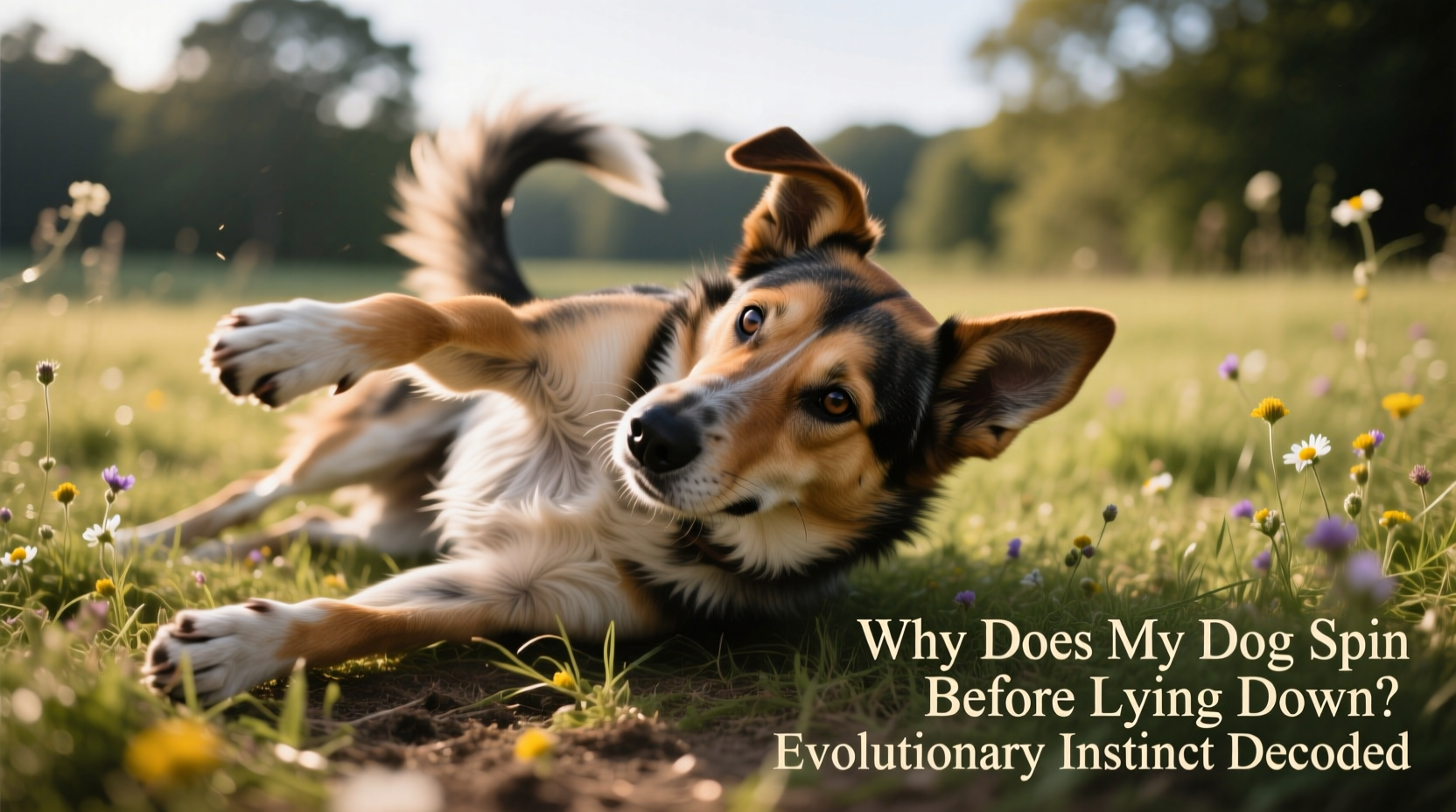
In the wild, canines like wolves, coyotes, and dingoes didn’t have the luxury of climate-controlled homes or orthopedic beds. Their sleeping areas were exposed to the elements—tall grass, snow, dirt, and uneven terrain. Before lying down, these animals would trample down vegetation, flatten tufts of grass, and scare away insects or hidden threats like snakes and rodents. This preparation ensured a safer, more comfortable resting spot.
Spinning served multiple functions:
- Clearing debris: Flattening grass or snow created a level surface and removed sharp objects.
- Deterrence: Movement disturbed pests and alerted the animal to nearby dangers.
- Thermoregulation: In colder climates, circling helped pack down snow or create a compacted nest that retained body heat.
- Scent marking: As the dog turns, its anal glands release scent, subtly marking the territory as “claimed” and safe.
This behavior was so crucial to survival that it became hardwired into canine DNA. Even today, domesticated dogs perform this routine despite having clean, soft beds. Evolution doesn’t erase useful habits quickly—especially when they cost little energy and carry no risk.
Tip: If your dog spins excessively or seems distressed while doing so, observe for signs of pain or neurological issues—consult a vet if the behavior changes suddenly.Instinct vs. Environment: Why It Still Matters Today
You might wonder: if my dog sleeps on a memory foam bed indoors, why bother spinning? The answer lies in the difference between instinct and environment. Dogs don’t analyze whether their actions are necessary—they respond to internal cues shaped by millennia of evolution.
Even in secure, modern homes, the brain still signals the need to “prepare” the sleeping area. This is similar to how some birds still attempt to build nests even in captivity, or how cats knead soft surfaces—a kitten behavior linked to stimulating milk flow from their mother.
Interestingly, studies in ethology (the science of animal behavior) show that domestication hasn’t erased such rituals. Instead, they’ve been repurposed. What once ensured survival now contributes to comfort and psychological security. For many dogs, skipping the spin might feel incomplete, much like a human who forgets to fluff their pillow before bed.
Behavioral Consistency Across Breeds
This spinning behavior is observed across all breeds—from working huskies to toy poodles. However, frequency and intensity vary. Working and herding breeds, such as German Shepherds or Border Collies, often exhibit more pronounced circling, possibly due to higher instinctual drive. In contrast, brachycephalic breeds like Pugs may spin less due to physical limitations or selective breeding that reduced certain wild traits.
“Canine rituals like pre-sleep circling are windows into their ancestral past. They remind us that even our most pampered pets carry the genetic blueprint of survival specialists.” — Dr. Lena Torres, Canine Ethologist, University of Colorado
The Science Behind the Spin: Neurology and Routine
Beyond survival, the spinning ritual also serves neurological and psychological purposes. Repetitive behaviors help animals transition into rest states. Just as humans might brush their teeth or read before bed, dogs use circling as a bedtime cue—a signal to the brain that it’s time to relax.
Research published in *Applied Animal Behaviour Science* suggests that consistent pre-sleep routines reduce anxiety in dogs. Animals with structured habits fall asleep faster and experience deeper sleep cycles. Spinning acts as a self-soothing mechanism, especially in unfamiliar environments where uncertainty is higher.
Additionally, the act of turning helps dogs position themselves strategically. In the wild, facing a certain direction could protect against wind or provide a better view of approaching threats. Today, dogs may still align themselves relative to room layout, doorways, or even their owner’s location—subconsciously optimizing for safety.
When Spinning Becomes a Concern
While occasional spinning is normal, excessive or obsessive circling can indicate underlying problems. Conditions such as cognitive dysfunction syndrome (similar to dementia in older dogs), vestibular disease, spinal issues, or anxiety disorders may manifest through repetitive movements.
Watch for red flags:
- Circling more than 5–6 times without lying down
- Appearing disoriented or uncoordinated during the spin
- Attempting to lie down but failing repeatedly
- Spinning at inappropriate times (e.g., mid-walk or during meals)
If these behaviors emerge suddenly, especially in senior dogs, veterinary evaluation is essential.
Practical Implications for Dog Owners
Recognizing this behavior as instinctive—not quirky or pointless—helps owners foster empathy and improve pet care. Rather than discouraging the spin, allow space and time for it. Interrupting the ritual may cause stress or prevent your dog from feeling fully settled.
Here’s how you can support your dog’s natural instincts while ensuring comfort and safety:
Tip: Provide a spacious sleeping area—restricting movement during circling can lead to frustration or incomplete rest.Optimizing Your Dog’s Sleep Environment
A well-designed sleeping zone respects both instinct and modern comfort. Consider these factors:
| Factor | Wild Canine Need | Modern Solution |
|---|---|---|
| Surface Stability | Flattened ground or snow | Firm, supportive bed with low sides |
| Temperature Control | Insulated nest | Cooling mat in summer, heated pad in winter |
| Safety Perception | Visibility and escape routes | Place bed near wall or corner, avoid high-traffic zones |
| Scent Familiarity | Territory marking | Wash bedding infrequently; rotate instead of replacing |
By aligning your dog’s sleeping space with both ancestral needs and current comforts, you bridge the gap between instinct and domestication.
Mini Case Study: Max the Rescue Shepherd
Max, a 4-year-old German Shepherd mix, was adopted from a rural shelter where he lived outdoors. After moving into an apartment, his new owners noticed he spun intensely before lying down—sometimes up to ten full rotations—and often avoided his expensive orthopedic bed.
A certified dog behaviorist evaluated Max and concluded that while the spinning was instinct-driven, the intensity stemmed from environmental mismatch. Outdoors, Max had ample space to circle and flatten grass. Indoors, the small bed and slippery tile floor made the ritual feel incomplete.
The solution?
- Replaced the bed with a larger, round bolster bed allowing full rotation.
- Laid a non-slip mat underneath to improve traction.
- Introduced a nightly routine: a short walk, then access to the sleeping area.
Within two weeks, Max’s circling reduced to 2–3 turns, and he began using the bed consistently. His owners reported improved sleep quality and fewer nighttime awakenings. The case illustrates how honoring instinctive behavior leads to better well-being.
Step-by-Step: Supporting Healthy Pre-Sleep Behavior
If you want to ensure your dog’s spinning ritual supports, rather than disrupts, their rest, follow this practical guide:
- Observe the Pattern: Note how many times your dog spins, whether they seem satisfied afterward, and if any signs of discomfort appear.
- Assess the Space: Ensure there’s enough room (at least 1.5x your dog’s length in diameter) for safe, unrestricted movement.
- Check Flooring: Hard or slick surfaces can make spinning difficult. Use rugs or mats for better grip.
- Evaluate the Bed: Choose a design that allows turning—avoid overly high walls or narrow shapes.
- Maintain Routine: Dogs thrive on predictability. Perform feeding, walks, and bedtime at consistent hours.
- Monitor Changes: Sudden increases in spinning, pacing, or inability to settle warrant a vet visit.
This proactive approach ensures your dog’s instincts are respected while minimizing stress or physical strain.
Frequently Asked Questions
Is it normal for puppies to spin before lying down?
Yes. Puppies as young as 8 weeks old display this behavior. It emerges early because it’s instinctive, not learned. Some puppies may spin awkwardly at first but refine the motion with age.
Do all dogs spin before lying down?
Most do, but not all. Some dogs skip the spin entirely, especially if raised in highly structured environments or certain breeds bred for reduced instinctual behaviors. Lack of spinning isn’t a concern unless accompanied by anxiety or discomfort.
Can I train my dog to stop spinning?
Technically, yes—but it’s not recommended. Suppressing natural behaviors can increase stress. Instead, accommodate the spin by adjusting the environment. Training should focus on coexistence, not elimination, of instinct.
Conclusion: Honoring the Legacy of the Spin
The simple act of a dog spinning before lying down is far more than a cute quirk. It’s a living echo of survival strategies forged in the wild, refined over generations, and preserved in the DNA of every domestic dog. Understanding this behavior transforms how we see our pets—not as broken machines needing correction, but as complex beings shaped by history.
By recognizing the evolutionary roots of this ritual, we become better caregivers. We create spaces that honor instinct while providing modern comfort. We observe with curiosity, not frustration. And we deepen the bond between species by appreciating the wild heart that still beats within our beloved companions.
💬 Have you noticed unique sleeping rituals in your dog? Share your observations in the comments—your experience could help other pet owners understand their furry friends better.








