If you’ve ever lifted your dog’s paw and caught a whiff of something oddly reminiscent of corn chips or stale tortilla snacks, you’re not alone. Many dog owners report their pets emitting a distinct “Frito feet” odor—unpleasant but surprisingly common. While it may seem harmless at first, this scent can signal an underlying imbalance in the microbial environment of your dog’s paws. Understanding the root causes, recognizing signs of overgrowth, and taking proactive steps can make a significant difference in your dog’s comfort and long-term health.
The so-called “Frito smell” is typically caused by naturally occurring bacteria and yeast on your dog’s skin—specifically *Proteus* and *Pseudomonas* bacteria, as well as *Malassezia* yeast. These microorganisms thrive in warm, moist environments, making the spaces between your dog’s toes an ideal breeding ground. When present in normal levels, they are part of a balanced microbiome. But when conditions shift due to moisture, diet, allergies, or immune function, these microbes can multiply rapidly, producing volatile organic compounds that result in that unmistakable snack-like aroma.
Understanding the Science Behind the Smell
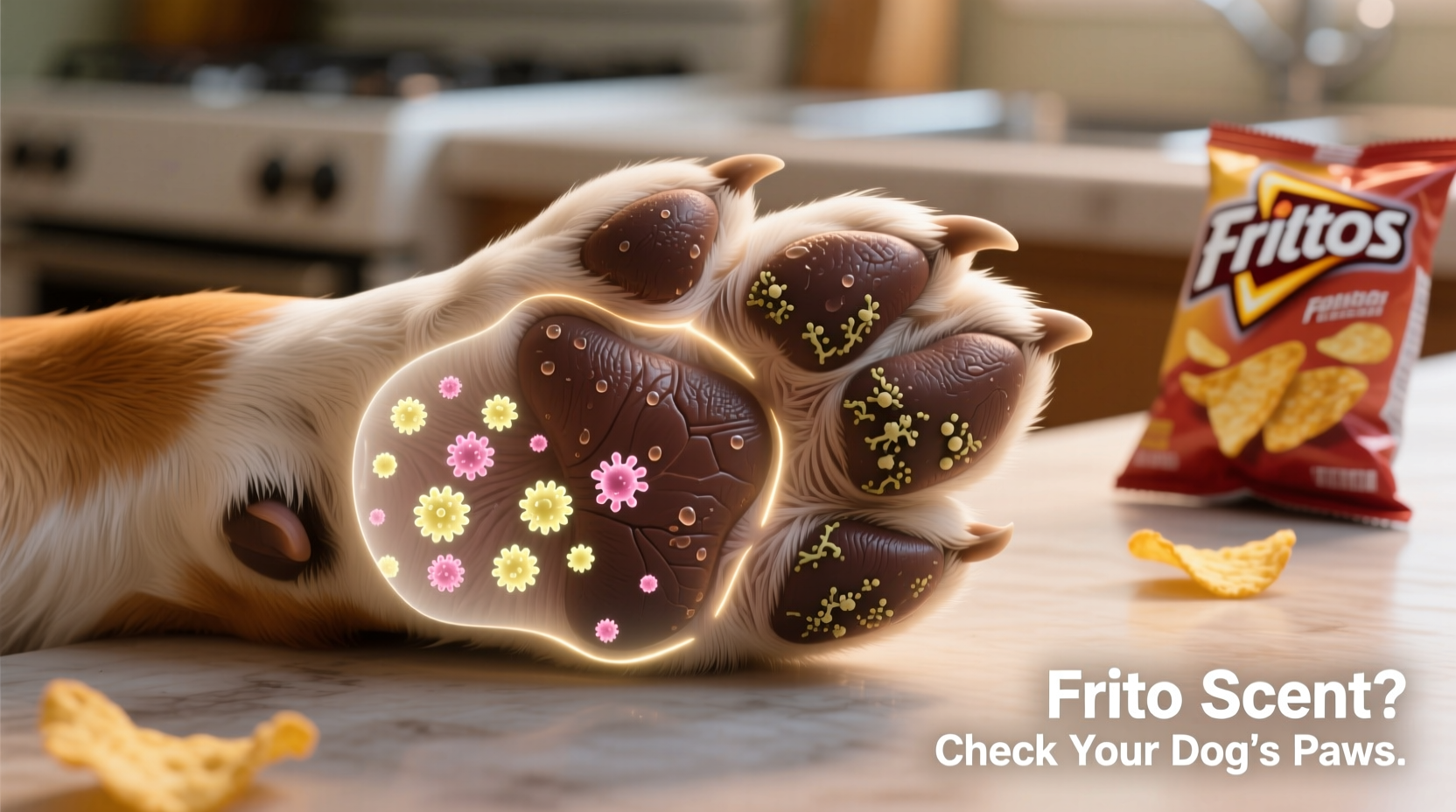
Dogs have a unique skin microbiome—a complex ecosystem of bacteria, fungi, and other microorganisms living on their skin surface. This microbiome plays a crucial role in protecting against pathogens, regulating inflammation, and maintaining skin barrier integrity. Just like in humans, an imbalance (dysbiosis) can lead to issues such as odor, itching, redness, and even infections.
The characteristic Frito-like smell comes from metabolic byproducts released by certain bacteria and yeast. For example:
- Proteus species: Produce a musty, corn chip-like odor as they break down proteins in dead skin cells.
- Pseudomonas aeruginosa: Can emit a sweet, fruity, or sometimes earthy-musty scent, often described as similar to rotting fruit or tortilla chips.
- Malassezia pachydermatis: A common yeast in dogs that, when overgrown, produces a rancid, greasy smell with nutty or cheesy undertones.
These organisms are usually present in small numbers and kept in check by a healthy immune system and dry, clean skin. However, factors like excessive licking, humidity, food sensitivities, or allergic dermatitis can disrupt this balance.
“Yeast and bacterial overgrowths on the paws are often secondary to an underlying condition such as environmental or food allergies. Treating only the symptom without addressing the root cause leads to recurring issues.” — Dr. Lena Reyes, DVM, Veterinary Dermatology Specialist
How to Check Your Dog’s Paws for Imbalance
Regular paw inspections should be part of your dog care routine. Early detection of microbial overgrowth can prevent progression to more serious infections. Here’s how to conduct a thorough check:
- Smell the paws: Gently lift each paw and sniff between the toes. A mild earthy scent is normal; a strong, persistent corn chip or sour odor is a red flag.
- Inspect visually: Look for redness, swelling, discharge, or dark staining on the fur around the toes (often seen in light-colored dogs).
- Check for texture changes: Feel the skin between the pads. Is it greasy, flaky, or rough? Healthy skin should be smooth and dry.
- Observe behavior: Excessive licking, chewing, or limping may indicate discomfort from irritation or infection.
- Note frequency: If the smell returns quickly after washing, it suggests ongoing microbial activity.
Common Causes of Yeast and Bacterial Overgrowth
While the presence of microbes is normal, several triggers can lead to overpopulation:
| Cause | How It Contributes | Prevention Strategy |
|---|---|---|
| Allergies (food or environmental) | Trigger inflammation, increasing skin oil production and moisture—ideal for yeast growth. | Work with a vet to identify allergens; consider hypoallergenic diets. |
| Moisture retention | Wet fur between toes from rain, swimming, or licking creates a humid microclimate. | Dry paws thoroughly after outdoor activity; trim excess hair between pads. |
| Overbathing or harsh shampoos | Strips natural oils, disrupting pH and microbiome balance. | Bathe no more than once every 4–6 weeks with a gentle, pH-balanced shampoo. |
| Weakened immune system | Chronic illness or medication use reduces the body’s ability to control microbial growth. | Support immunity with balanced nutrition and regular vet checkups. |
| Obesity or conformation issues | Dogs with deep toe folds or those who can’t groom properly are at higher risk. | Maintain healthy weight; clean between toes regularly. |
Step-by-Step Guide to Restoring Paw Health
If your dog’s paws show signs of microbial imbalance, follow this structured approach to restore health and eliminate odor:
- Stop the Licking
Use an Elizabethan collar or soft recovery suit if your dog is obsessively chewing their paws. Saliva introduces more moisture and bacteria, worsening the cycle. - Clean the Paws
Wash with a veterinary-approved antimicrobial or antifungal wipe or solution. Avoid human products, which may be too harsh. A diluted chlorhexidine solution (2%) is effective and safe for dogs. - Dry Thoroughly
After cleaning, use a clean towel to dry between each toe. For stubborn moisture, use a hairdryer on cool setting, keeping it at a safe distance. - Apply a Targeted Treatment
Use a vet-recommended topical spray or cream containing miconazole, ketoconazole, or chlorhexidine. Apply daily for 7–14 days or as directed. - Trim Interdigital Hair
Long hair traps moisture and debris. Regular trimming improves airflow and makes cleaning easier. - Review Diet
Consider switching to a limited-ingredient or novel protein diet if food allergies are suspected. Omega-3 fatty acids can support skin health. - Schedule a Vet Visit
If the smell persists beyond two weeks, or if there’s visible inflammation, pain, or discharge, consult your veterinarian. They may perform a skin cytology test to confirm yeast or bacterial involvement.
Mini Case Study: Bella the Labrador Retriever
Bella, a 4-year-old chocolate Lab, began excessively licking her paws during spring. Her owner noticed a strong Frito-like smell and redness between her toes. Despite frequent baths, the odor returned within days. A veterinary exam revealed elevated levels of *Malassezia* yeast and *Staphylococcus* bacteria. Further testing identified pollen allergies as the underlying trigger.
The vet prescribed a medicated wipe regimen, a short course of oral antifungals, and a hydrolyzed protein diet. The owner also started using breathable booties during walks and drying Bella’s paws immediately after coming inside. Within three weeks, the odor disappeared, and paw licking decreased significantly. Ongoing management includes seasonal allergy medication and monthly paw maintenance.
This case highlights that while topical treatments help, lasting resolution requires identifying and managing root causes like allergies.
Do’s and Don’ts: Managing Frito Feet
| Do’s | Don’ts |
|---|---|
| Inspect paws weekly | Ignore persistent licking or odor |
| Dry paws after walks | Use human antifungal creams (some are toxic to dogs) |
| Trim hair between toes | Over-bathe with scented shampoos |
| Use vet-approved wipes | Allow untreated infections to continue |
| Address allergies early | Assume the smell is “normal” for dogs |
Frequently Asked Questions
Is the Frito smell harmful to my dog?
While the odor itself isn’t dangerous, it often indicates microbial overgrowth that can progress to painful infections if left untreated. Chronic yeast or bacterial presence can erode the skin barrier, leading to secondary issues like hot spots or deep tissue infections.
Can I treat this at home without going to the vet?
Mild cases may respond to consistent cleaning, drying, and over-the-counter antifungal wipes. However, if symptoms persist beyond 10–14 days, worsen, or involve swelling, pain, or discharge, professional diagnosis and treatment are necessary. Self-treating severe infections can delay healing and allow complications to develop.
Are certain breeds more prone to Frito feet?
Yes. Dogs with deep interdigital folds (like Bulldogs, Shar-Peis, and Pugs), heavy coat types (such as Newfoundlands or Bernese Mountain Dogs), or those predisposed to allergies (like Retrievers and Terriers) are at higher risk. Breeds that love water or snow are also more likely to retain moisture between their toes.
Long-Term Prevention Strategies
Once the immediate issue is resolved, focus shifts to preventing recurrence. A proactive approach includes:
- Routine hygiene: Wipe paws after walks, especially in damp or dirty conditions.
- Nutritional support: Feed a high-quality diet rich in omega-3s and probiotics to support skin and immune health.
- Allergy management: Work with your vet on allergy testing and immunotherapy if needed.
- Environmental control: Use air purifiers indoors, wash bedding frequently, and avoid known irritants.
- Regular vet checkups: Include skin and ear exams as part of annual wellness visits.
“The key to managing recurrent paw odor is consistency. It’s not about one deep clean—it’s about creating a sustainable routine that supports your dog’s natural defenses.” — Dr. Alan Zhou, Integrative Veterinarian
Conclusion: Take Action for Healthier, Fresher Paws
The Frito feet phenomenon may sound quirky, but it’s a clear signal from your dog’s body that something is off. Whether it’s a minor imbalance or a sign of deeper health concerns like allergies or immune dysfunction, ignoring the smell can lead to discomfort and more serious complications. By understanding the science behind the scent, conducting regular paw checks, and implementing a targeted care plan, you can restore balance and keep your dog feeling—and smelling—their best.
Your dog relies on you to notice the subtle cues they can’t communicate. A simple sniff of the paws could be the first step toward better health. Start today: inspect, clean, dry, and monitor. If in doubt, consult your veterinarian. Small actions now can prevent big problems later.
💬 Have experience with Frito feet or successful remedies? Share your story in the comments—your insight could help another pet parent find relief for their dog.








