
Dogs communicate in ways that often go beyond barking or tail wagging. One of the most common yet misunderstood behaviors is the deep, audible sigh a dog releases when settling into rest. You’ve likely seen it: your dog lies down, shifts slightly, then lets out a long, drawn-out exhalation that sounds almost human. It’s easy to interpret this as sadness—especially if you're feeling emotional yourself—but is that what it really means? The truth is more nuanced, rooted in biology, behavior, and subtle emotional expression. Understanding your dog’s sighs requires looking beyond human assumptions and examining what science and animal behavior experts have observed.
The Science Behind Canine Sighing
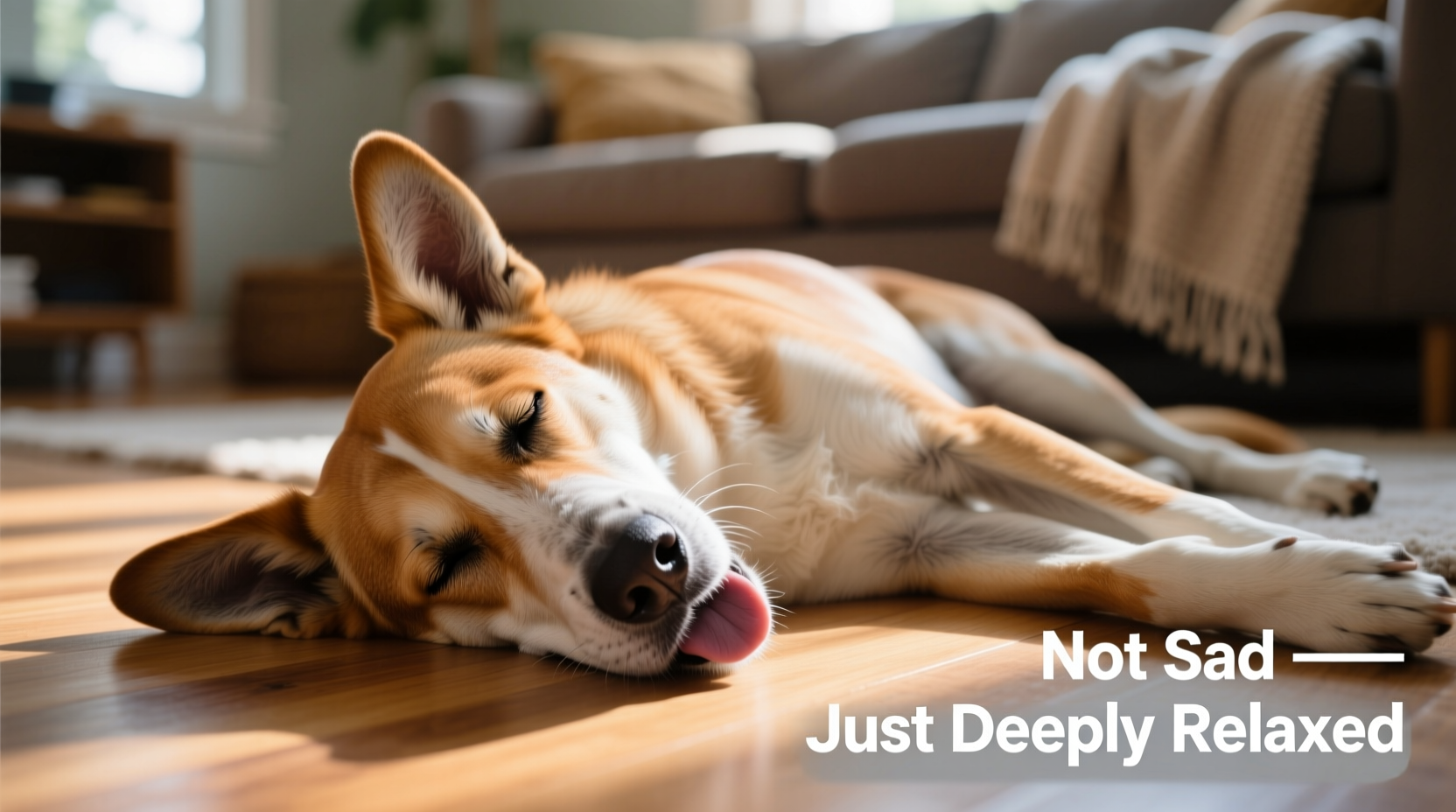
In both humans and animals, a sigh is a physiological reflex involving a breath that’s deeper than normal, followed by a prolonged exhalation. In dogs, this mechanism serves several purposes. According to Dr. Karen Overall, a board-certified veterinary behaviorist, \"Sighing is a regulatory behavior—it helps reset breathing patterns and can signal a transition between states of arousal and relaxation.\"
From a biological standpoint, sighing helps reinflate alveoli (tiny air sacs in the lungs) that may have partially collapsed during shallow breathing. This maintains optimal lung function. In dogs, these sighs often occur after periods of alertness, play, or even mild stress. The heavy exhale acts like a bodily reset, helping the nervous system shift from sympathetic (active) to parasympathetic (rest-and-digest) mode.
This doesn’t mean the dog was stressed in a harmful way—just that their body is naturally regulating itself. Think of it like stretching after sitting for too long; the sigh is a physical recalibration.
Common Contexts for Heavy Sighing in Dogs
Sighing isn’t random. It typically occurs in specific situations, many of which are entirely normal. Recognizing the context helps distinguish between benign behavior and potential concern.
- After activity: A dog may sigh heavily after playing, walking, or chasing. This is often a sign of physical fatigue and contentment.
- During relaxation: When settling onto a favorite couch spot or bed, a sigh can indicate comfort and readiness to rest.
- Following interaction: After being petted or receiving attention, some dogs sigh as a release of tension or pleasure.
- When ignored: A dog might sigh when their owner stops engaging with them, possibly expressing mild disappointment—but not necessarily sadness.
The key is consistency. Occasional sighing in relaxed settings is normal. Frequent, isolated sighing—especially when paired with other behavioral changes—is worth closer observation.
Tip: Observe your dog’s body language alongside the sigh. Relaxed eyes, loose posture, and slow blinking usually indicate contentment.Is Your Dog Sad? Decoding Emotions in Canines
The question of whether dogs experience sadness like humans do is complex. While dogs don’t process emotions with the same cognitive depth as people, they do feel basic affective states such as joy, fear, anxiety, and distress. However, equating a sigh with human-like melancholy is an example of anthropomorphism—the tendency to assign human traits to animals.
Dr. Alexandra Horowitz, cognitive scientist and author of Inside of a Dog, explains:
“Dogs have rich emotional lives, but their feelings are grounded in the present moment. What looks like sadness might be resignation, boredom, or simply fatigue.”
A dog may appear “sad” when left alone, but this is more accurately described as separation-related distress. Similarly, a sigh after being denied a treat reflects momentary frustration, not existential sorrow. True clinical depression in dogs—while rare—does exist and is typically triggered by major life changes such as loss of a companion, relocation, or chronic illness.
Signs of actual emotional distress in dogs include:
- Withdrawal from social interaction
- Loss of appetite
- Excessive sleeping or lethargy
- Decreased interest in toys or walks
- Vocalizations like whining or whimpering without cause
If your dog sighs occasionally but remains active, eats well, and engages normally, the sigh is likely just part of their resting routine—not a cry for emotional help.
When Sighing Might Signal a Health Issue
While most sighing is harmless, it can sometimes point to underlying medical conditions—especially if new, frequent, or accompanied by physical symptoms. Respiratory, cardiac, or musculoskeletal problems may manifest through altered breathing patterns.
Conditions to consider include:
| Condition | Related Symptoms | Action Step |
|---|---|---|
| Respiratory infection | Coughing, nasal discharge, labored breathing | Veterinary exam with possible chest X-ray |
| Heart disease | Fatigue, coughing at night, reduced stamina | Echocardiogram and cardiac evaluation |
| Arthritis or pain | Stiffness, reluctance to move, yelping when touched | Pain assessment and anti-inflammatory treatment |
| Anxiety disorders | Panting, pacing, trembling, avoidance behaviors | Behavioral consultation and environmental enrichment |
If your dog suddenly begins sighing frequently—particularly if they stretch dramatically before or after the sigh, breathe rapidly at rest, or seem uncomfortable when lying down—it’s wise to consult a veterinarian. Pain can cause dogs to sigh as they adjust their posture to relieve pressure, mimicking relaxation when they’re actually coping with discomfort.
Mini Case Study: Bella, the Senior Labrador
Bella, a 9-year-old Labrador Retriever, began sighing loudly every time she lay down. Her owner, Maria, initially thought Bella was depressed since she had recently retired and spent more time home alone. But over weeks, Bella also started avoiding stairs and showed less enthusiasm for walks.
A veterinary visit revealed moderate hip dysplasia and early-stage osteoarthritis. The heavy sighs were linked to discomfort when shifting positions. With a regimen of joint supplements, weight management, and low-impact exercise, Bella’s mobility improved—and her sighing decreased significantly. This case illustrates how physical issues can masquerade as emotional ones, emphasizing the need for thorough evaluation.
How to Respond to Your Dog’s Sighing: A Practical Guide
Not every sigh demands action, but being attentive strengthens your bond and ensures your dog’s well-being. Follow this step-by-step approach to assess and respond appropriately:
- Observe the pattern: Note when the sighing happens—after play? During quiet time? When alone?
- Check body language: Look for soft eyes, exposed belly, relaxed ears (positive signs) versus tense muscles, tucked tail, or avoidance (concerning).
- Monitor frequency: Occasional sighs are normal. Daily or multiple-times-a-day occurrences warrant closer scrutiny.
- Assess recent changes: Has there been a change in routine, household members, or environment?
- Rule out pain: Gently touch areas like hips, shoulders, and spine to check for sensitivity.
- Consult a professional: If unsure, schedule a vet check or speak with a certified dog behaviorist.
Do’s and Don’ts of Interpreting Canine Sighs
| Do | Don’t |
|---|---|
| Consider the full behavioral context | Assume the dog is sad without evidence |
| Respond with calm reassurance if anxiety is suspected | Reinforce sighing with excessive comforting (may encourage attention-seeking) |
| Maintain consistent routines for emotional stability | Ignore sudden changes in behavior or energy levels |
| Provide comfortable bedding for older dogs | Use human emotional labels like “depressed” or “lonely” without basis |
FAQ: Common Questions About Dog Sighing
Can dogs sigh when they’re happy?
Yes. Many dogs sigh as a sign of contentment, especially when lying near their owners or after affectionate interactions. Paired with half-closed eyes and a loose body, it’s akin to a human letting out a satisfied breath after a good meal.
Should I worry if my puppy sighs a lot?
Occasional sighing in puppies is normal, especially after bursts of energy. However, constant sighing or labored breathing should be evaluated, as young dogs typically have high stamina and shouldn’t exhibit signs of fatigue without cause.
Do certain breeds sigh more than others?
There’s no scientific evidence that breed determines sighing frequency. However, brachycephalic breeds (like Bulldogs or Pugs) may have noisier breathing due to anatomy, which can resemble sighing. Always differentiate between normal exhalations and respiratory strain in these dogs.
Conclusion: Listening Beyond the Sigh
Your dog’s heavy sigh when lying down is rarely a sign of sadness. More often, it’s a natural physiological response—a signal of relaxation, transition, or minor physical adjustment. By learning to read your dog’s full body language and understanding the contexts in which they sigh, you gain deeper insight into their inner world.
That said, never dismiss persistent or sudden behavioral changes. Dogs rely on us to notice when something is off—even when they don’t bark, limp, or cry. Whether the cause is physical discomfort, environmental stress, or genuine emotional unease, your awareness makes all the difference.
💬 Have you noticed your dog sighing in different situations? Share your observations in the comments—your experience could help other pet owners better understand their furry companions.








