Dog owners often notice their pets engaging in repetitive paw licking. While occasional grooming is normal, constant or obsessive paw licking can signal an underlying issue. This behavior may stem from medical conditions, environmental factors, or psychological triggers. Understanding the root cause is essential to addressing it effectively and ensuring your dog's comfort and well-being. Left unchecked, excessive licking can lead to skin infections, hair loss, and even behavioral complications. This article explores the most common reasons behind persistent paw licking and provides practical, veterinarian-backed solutions.
Common Medical Causes of Excessive Paw Licking
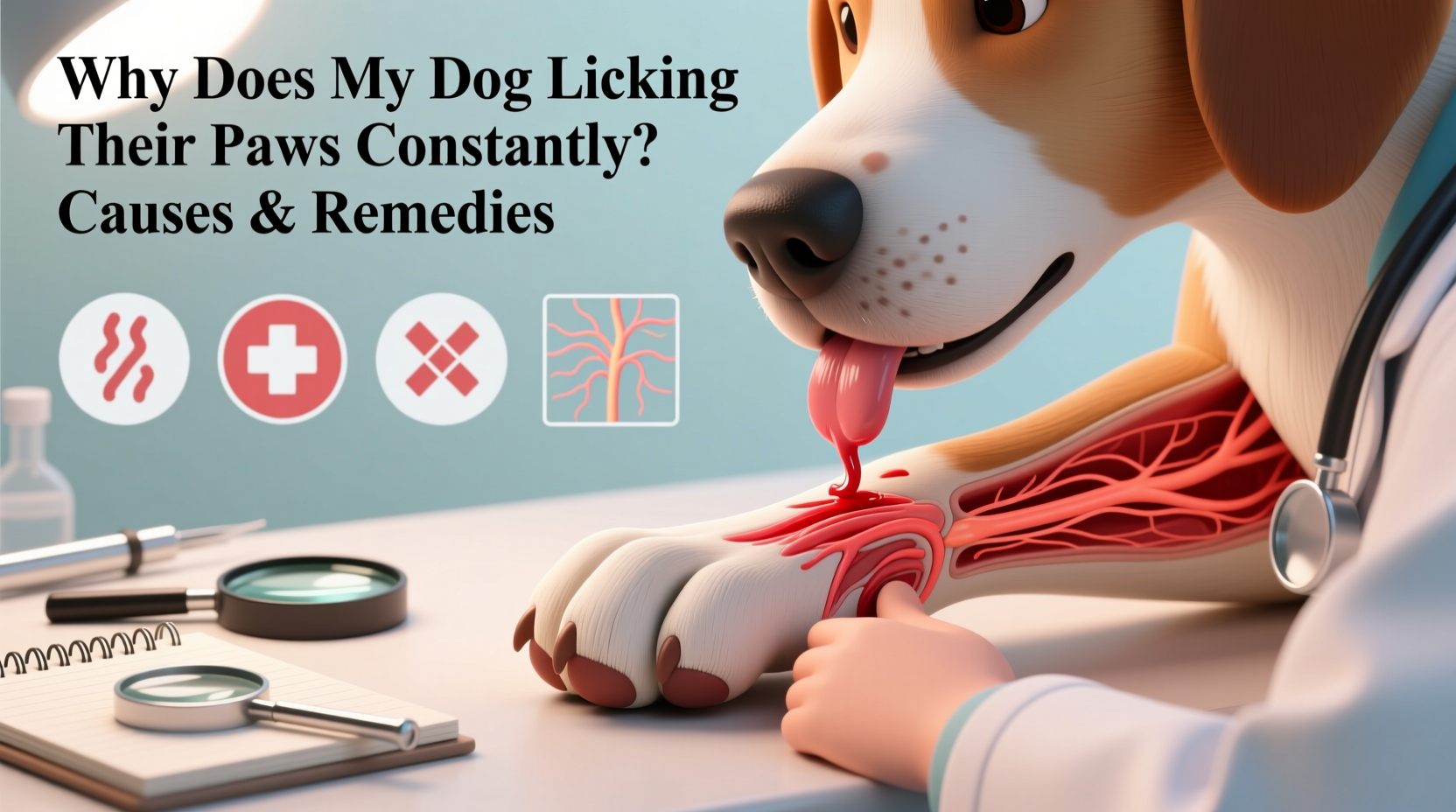
One of the primary reasons dogs obsessively lick their paws is due to physical discomfort. Several medical conditions can trigger this behavior, often beginning as a response to pain or irritation and evolving into a compulsive habit.
- Allergies: Environmental allergens (pollen, dust mites, mold) or food sensitivities are among the top causes. These trigger inflammation and itchiness, particularly in the paws, which dogs try to relieve by licking.
- Yeast or bacterial infections: Moisture trapped between paw pads creates an ideal environment for yeast (Malassezia) or bacteria to grow, leading to redness, odor, and intense itching.
- Parasites: Fleas, ticks, and mites—especially Demodex or Sarcoptes—can infest the skin around the paws, causing irritation and prompting licking.
- Injuries: Small cuts, thorns, splinters, or cracked paw pads can be painful. Dogs instinctively lick to soothe the area, but over-licking delays healing.
- Arthritis or joint pain: Older dogs may lick their paws due to referred pain from sore joints, especially if they’re favoring one leg.
Behavioral and Psychological Triggers
Not all paw licking stems from physical causes. Behavioral issues are increasingly recognized as significant contributors, especially when medical problems have been ruled out.
Dogs are intelligent, emotionally responsive animals. Stress, boredom, or anxiety can manifest through compulsive behaviors like excessive licking. Common psychological triggers include:
- Separation anxiety – Dogs left alone for long periods may develop licking as a self-soothing mechanism.
- Lack of mental stimulation – Under-stimulated dogs often resort to repetitive actions to occupy themselves.
- Changes in routine – Moving homes, new family members, or disrupted schedules can heighten stress levels.
- Reinforcement – If licking earns attention (even negative), dogs may repeat the behavior to engage their owners.
“Compulsive licking can become a displacement behavior—a way for dogs to cope with uncertainty or emotional discomfort.” — Dr. Karen Becker, Integrative Veterinarian
Step-by-Step Guide to Identifying the Cause
Pinpointing why your dog licks their paws requires a systematic approach. Follow these steps to narrow down potential causes and determine the best course of action.
- Observe the pattern: Note when the licking occurs (after walks, at night, during storms) and whether it’s focused on one paw or multiple.
- Inspect the paws: Look for cuts, swelling, discoloration, or foreign objects. Check between the toes and under the pads.
- Review diet and environment: Have there been recent changes in food, cleaning products, or outdoor exposure? Seasonal licking suggests allergies.
- Eliminate parasites: Use vet-approved flea and tick preventatives and consider a skin scrape test if mites are suspected.
- Consult your veterinarian: A full physical exam, allergy testing, or skin culture may be necessary to diagnose infections or immune-related issues.
- Monitor behavior: Track licking episodes alongside daily routines to identify emotional or situational triggers.
Effective Remedies and Treatment Options
Treatment depends on the underlying cause. Addressing only the symptom—such as using a cone or sock to block access—without treating the root issue will likely result in recurrence.
| Cause | Treatment Approach | Expected Timeline |
|---|---|---|
| Allergies (food or environmental) | Diet trial with novel protein; antihistamines; immunotherapy | 4–8 weeks for food trials; longer for immunotherapy |
| Yeast or bacterial infection | Topical antifungal/antibiotic creams; oral medication; medicated baths | 1–3 weeks with proper treatment |
| Parasites | Flea control; prescription anti-parasitic medication | Days to weeks depending on infestation |
| Behavioral (anxiety/boredom) | Increased exercise; enrichment toys; behavior modification; possible anti-anxiety meds | Weeks to months for habit reversal |
| Injury | Cleaning, bandaging, vet evaluation for deep wounds | Healing varies by severity |
In cases of chronic licking, veterinarians may recommend an Elizabethan collar (E-collar) temporarily to prevent further damage while treatment takes effect. However, long-term use should be avoided as it can increase stress.
Tip: Consider soft recovery collars or protective booties as more comfortable alternatives to traditional plastic cones.Mini Case Study: Bella the Labrador
Bella, a 4-year-old yellow Labrador, began excessively licking her front paws every evening. Her owner initially assumed it was post-walk dirt, but the behavior persisted even after wiping her feet. Over two weeks, the fur on her paws thinned, and the skin became raw.
A veterinary visit revealed no injuries or parasites. Blood work and allergy testing showed sensitivity to grass pollen and chicken. Bella’s symptoms worsened in spring and after backyard play. The vet recommended switching to a limited-ingredient duck-and-potato diet and using hypoallergenic paw wipes after outdoor activity.
Within three weeks, the licking decreased significantly. The owner also introduced puzzle feeders and daily nose-work games to reduce evening boredom. After six weeks, Bella’s paws healed completely, and the licking stopped.
This case illustrates how both environmental allergies and lack of mental engagement can combine to create persistent licking behavior—and how a multifaceted approach leads to resolution.
Prevention Checklist
Preventing excessive paw licking involves proactive care and consistent monitoring. Use this checklist to minimize risk:
- ✅ Wipe your dog’s paws after walks, especially during high-allergen seasons.
- ✅ Feed a balanced, high-quality diet with no known allergens.
- ✅ Use monthly parasite prevention year-round.
- ✅ Provide daily mental stimulation through training, puzzles, or scent games.
- ✅ Maintain a stable, low-stress home environment with predictable routines.
- ✅ Schedule regular vet check-ups, including skin and coat evaluations.
- ✅ Avoid harsh chemical cleaners that could irritate sensitive paw pads.
FAQ
Is it normal for dogs to lick their paws?
Yes, moderate licking as part of self-grooming is normal. However, constant, prolonged, or forceful licking—especially if it leads to redness, swelling, or hair loss—is not and should be evaluated.
Can anxiety really cause paw licking?
Absolutely. Anxiety triggers displacement behaviors in dogs, and licking releases endorphins that calm them. If your dog licks more during storms, when left alone, or in chaotic environments, anxiety may be the driver.
Should I stop my dog from licking immediately?
Immediate intervention is needed if the skin is damaged or infection is present. However, simply blocking the behavior without addressing the cause (e.g., with a cone) won’t solve the problem. Identify and treat the root issue for lasting results.
When to See a Veterinarian
Seek professional help if you observe any of the following:
- Persistent licking lasting more than a few days without improvement
- Swollen, bleeding, or infected-looking paws
- Noticeable hair loss or darkened skin on the paws
- Limping or reluctance to walk
- Signs of generalized itching (ears, belly, face)
- Behavioral changes such as lethargy, aggression, or withdrawal
Your veterinarian may refer you to a veterinary dermatologist or behaviorist for complex cases involving chronic allergies or compulsive disorders.
Conclusion: Take Action for Your Dog’s Comfort
Constant paw licking is more than just a quirky habit—it’s a signal from your dog that something isn’t right. Whether the cause is medical, environmental, or emotional, early recognition and appropriate intervention can prevent long-term complications. By combining attentive home care with professional guidance, you can restore your dog’s comfort and stop the cycle of licking for good.
💬 Have you dealt with a dog that licks their paws obsessively? Share your experience or tips in the comments below—your insight could help another pet owner find relief for their furry friend.








