
Dogs communicate in ways that aren't always obvious. While occasional floor licking might seem harmless, obsessive or repetitive behavior can signal underlying physical or psychological issues. When a dog persistently licks floors—especially hard surfaces like tile, wood, or linoleum—it's more than just quirky behavior. It may be a symptom of medical distress, nutritional deficiency, or anxiety. Understanding the root cause is essential for both the dog’s well-being and long-term health.
This behavior, clinically referred to as excessive licking of surfaces (ELS), has gained increasing attention among veterinary behaviorists and internal medicine specialists. Research shows that dogs exhibiting ELS are significantly more likely to have an underlying medical condition than those who don’t. The challenge lies in distinguishing between behavioral compulsions and physiological drivers—because treating one while ignoring the other can prolong suffering.
Medical Causes Behind Obsessive Floor Licking
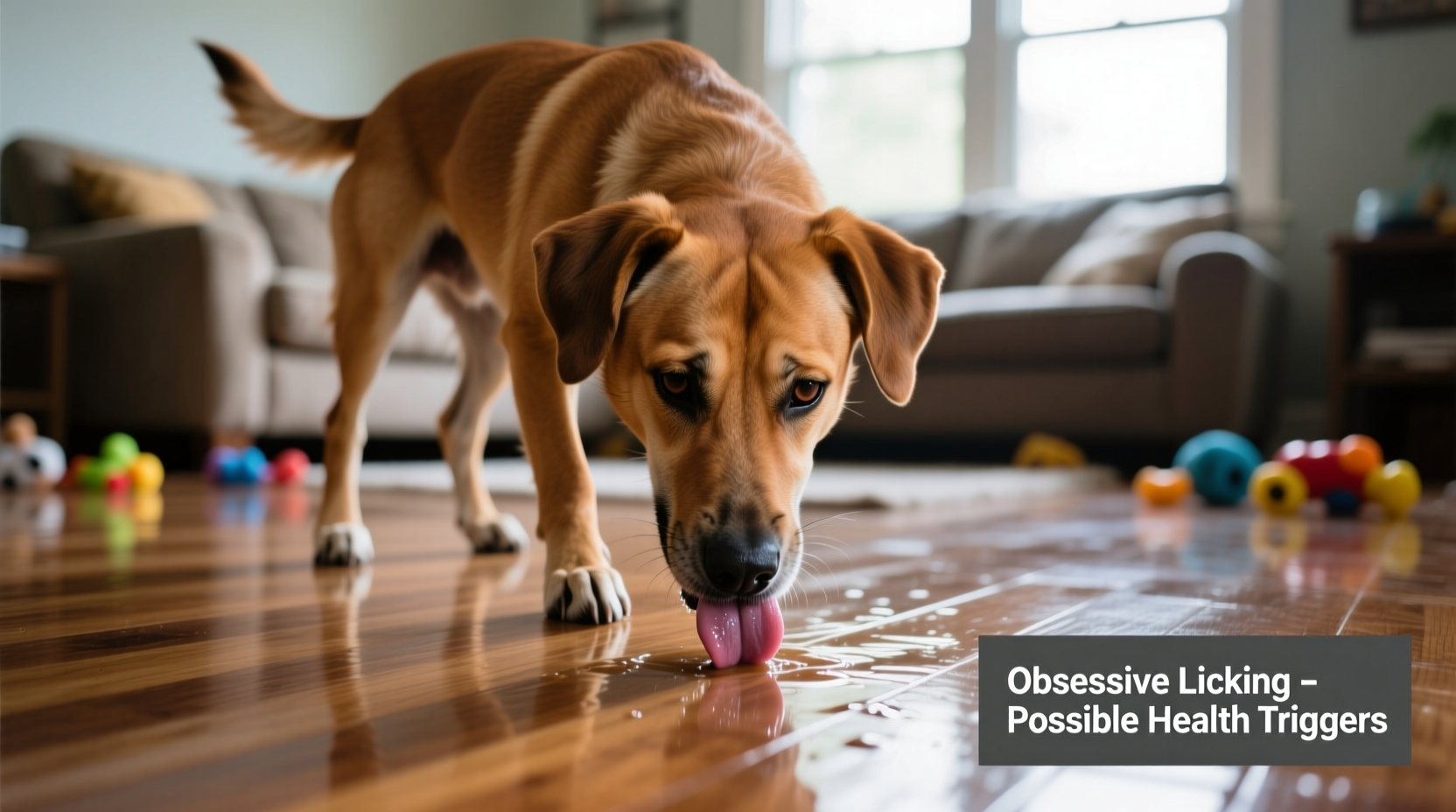
Many owners assume their dog is simply bored or seeking attention when they see them licking the floor. However, persistent licking often stems from internal discomfort. Below are some of the most common medical conditions associated with this behavior:
- Gastrointestinal disorders: Conditions such as inflammatory bowel disease (IBD), gastritis, or acid reflux can cause nausea, leading dogs to lick floors as a self-soothing mechanism.
- Nutritional deficiencies: Low levels of iron (anemia), vitamin B12, or zinc may trigger pica-like behaviors, including licking non-food surfaces.
- Dental pain or oral disease: Dogs with tooth decay, gum infections, or oral tumors may drool excessively and lick floors to alleviate discomfort or swallow saliva.
- Neurological issues: Seizure disorders, particularly focal seizures originating in the temporal lobe, can manifest as repetitive licking episodes.
- Endocrine imbalances: Diseases like Cushing’s disease (hyperadrenocorticism) or hypothyroidism may alter brain chemistry and lead to compulsive behaviors.
- Pain or arthritis: Chronic pain, especially in older dogs, can result in displacement behaviors such as licking.
“Excessive licking of surfaces is not normal canine behavior. In our clinical studies, over 70% of dogs presenting with this symptom had an identifiable medical condition—most commonly gastrointestinal.” — Dr. Karen Overall, Veterinary BehavioristTip: Monitor the timing of the licking. If it occurs before meals or at night, it could indicate nausea or hunger-related gastric upset.
Behavioral vs. Medical: How to Tell the Difference
While medical causes dominate, behavioral factors cannot be ruled out. Anxiety, stress, boredom, or compulsive disorders may also drive floor licking. The key is identifying patterns that point toward psychological origins.
Behavioral licking tends to occur in response to environmental triggers: loud noises, separation from owners, changes in routine, or new household members. It may start as a coping mechanism and evolve into a compulsive habit, similar to how humans bite their nails under stress.
In contrast, medically driven licking is often rhythmic, intense, and disconnected from surroundings. A dog may wake up in the middle of the night to lick baseboards or continue despite being interrupted. These episodes are typically unresponsive to distraction or commands.
| Factor | Medical Indicator | Behavioral Indicator |
|---|---|---|
| Timing | Likely around mealtimes, after eating, or overnight | During stressful events, when left alone, or during storms |
| Response to Distraction | Limited; dog returns to licking quickly | May stop temporarily if redirected |
| Other Symptoms | Vomiting, diarrhea, weight loss, excessive swallowing | Panting, pacing, hiding, destructive behavior |
| Age of Onset | Can occur at any age, but common in seniors | Often begins in adolescence or early adulthood |
| Treatment Response | Improves with medication or dietary change | Responds to enrichment, training, or anti-anxiety meds |
Diagnostic Steps: What Your Veterinarian Will Do
If your dog is licking the floor obsessively, a systematic diagnostic approach is crucial. Here’s what you can expect during a veterinary evaluation:
- Comprehensive history: Your vet will ask about frequency, duration, timing, diet, environment, and recent changes in behavior or routine.
- Physical and oral examination: To check for dental disease, abdominal pain, or signs of systemic illness.
- Blood work and urinalysis: These tests screen for metabolic diseases, organ dysfunction, infections, and nutrient deficiencies.
- Abdominal ultrasound or endoscopy: If GI disease is suspected, imaging or biopsy may be necessary.
- Neurological assessment: For dogs with sudden onset or seizure-like activity, advanced imaging (MRI) may be recommended.
- Food trial: A hypoallergenic or novel protein diet may be prescribed to rule out food sensitivities.
It's important not to skip diagnostics in favor of behavioral assumptions. One study published in the Journal of Veterinary Behavior found that 82% of dogs referred for compulsive licking were later diagnosed with a medical condition—most commonly gastrointestinal tract disease.
Mini Case Study: Max, a 7-Year-Old Labrador Retriever
Max began licking kitchen tiles every evening after dinner. His owner initially dismissed it as a quirk until Max started losing weight and vomiting bile at night. A visit to the vet revealed elevated liver enzymes and signs of chronic gastritis. After a course of antacids, a switch to a low-fat prescription diet, and treatment for H. pylori infection, Max’s licking stopped completely within three weeks. This case underscores how subtle symptoms can mask serious digestive issues.
Environmental and Dietary Triggers
Sometimes, the floor itself contributes to the behavior. Residue from cleaning products, spilled food, or even the texture of certain flooring materials may attract a dog’s tongue. Dogs with strong scent drives may be drawn to lingering odors invisible to humans.
Diet plays a critical role too. Low-quality kibble lacking in digestible protein or essential nutrients may leave dogs feeling unsatisfied, prompting them to seek oral stimulation. Sudden diet changes, food allergies, or intolerances to ingredients like corn, soy, or dairy can also contribute to gastrointestinal discomfort and subsequent licking.
Tip: Switch to a high-digestibility, limited-ingredient diet if food sensitivity is suspected. Avoid cleaners with strong citrus or chemical scents that may entice licking.When Anxiety Is the Root Cause
In absence of medical findings, behavioral causes must be explored. Canine compulsive disorder (CCD) is a recognized condition where dogs perform repetitive actions without purpose. Like human OCD, it often develops after stress and becomes ingrained over time.
Dogs in chaotic households, those with histories of trauma, or breeds predisposed to high arousal (e.g., Border Collies, German Shepherds) are more vulnerable. Without intervention, compulsive licking can escalate and interfere with normal activities.
Management includes:
- Increasing mental and physical enrichment (puzzle toys, daily walks, training)
- Establishing predictable routines
- Using positive reinforcement to redirect behavior
- Considering anti-anxiety medication under veterinary supervision
Action Plan: What You Should Do Next
If your dog is licking the floor obsessively, follow this step-by-step guide to identify and address the cause:
- Document the behavior: Note when it happens, how long it lasts, and any associated symptoms (vomiting, whining, lethargy).
- Schedule a vet visit: Prioritize blood work, fecal exams, and a full physical exam.
- Review diet and feeding schedule: Feed smaller, more frequent meals if nausea is suspected. Eliminate treats or table scraps temporarily.
- Eliminate environmental lures: Clean floors thoroughly with pet-safe, unscented cleaners. Remove access to areas with strong odors.
- Rule out pain or dental issues: Have your vet examine teeth and joints, especially in older dogs.
- Consult a veterinary behaviorist: If no medical cause is found, seek behavioral evaluation.
- Implement enrichment strategies: Introduce chew toys, snuffle mats, or training games to reduce idle time.
Checklist: Signs That Warrant Immediate Veterinary Attention
- Licking occurs more than 5 times per day, lasting over a minute each
- Dog appears nauseous (licking lips, gulping, drooling)
- Weight loss, decreased appetite, or diarrhea present
- Licking is accompanied by trembling, disorientation, or collapse
- Behavior persists despite environmental changes
Frequently Asked Questions
Is floor licking always a sign of illness?
No, not always. Occasional licking due to residual food smells or curiosity is normal. However, repetitive, prolonged, or intense licking should be evaluated by a veterinarian to rule out medical causes.
Can anxiety really make a dog lick the floor?
Yes. Just as people may pace or fidget when stressed, dogs use repetitive behaviors like licking to manage anxiety. Over time, this can become compulsive—even in the absence of the original stressor.
Are certain breeds more prone to obsessive licking?
Some breeds with high working drives—such as Doberman Pinschers, Labrador Retrievers, and Shetland Sheepdogs—are more susceptible to compulsive behaviors. However, any dog can develop the habit under the right conditions.
Conclusion: Don’t Ignore the Signal
Obsessive floor licking is not a behavior to brush aside. Whether rooted in stomach pain, nutrient deficiency, or emotional distress, it’s a form of communication. Your dog is telling you something isn’t right. By taking it seriously and pursuing a thorough investigation, you can uncover treatable conditions, improve quality of life, and prevent long-term complications.
Start today: keep a symptom journal, call your vet, and begin the process of elimination. Early action can mean faster relief and a healthier, happier companion.
💬 Have a dog that licks the floor? Share your experience below. Your story could help another pet owner recognize a hidden health issue.








