
Dogs communicate in ways that aren't always obvious. While occasional floor licking might seem harmless—perhaps your pup is just cleaning up a crumb—obsessive licking is different. When your dog repeatedly licks floors for minutes at a time, especially with no visible reward like food residue, it’s a signal worth investigating. This behavior can range from mild habit to a symptom of serious medical or psychological conditions. Understanding the root cause is essential to helping your dog feel better and preventing complications.
Understanding Obsessive Floor Licking in Dogs
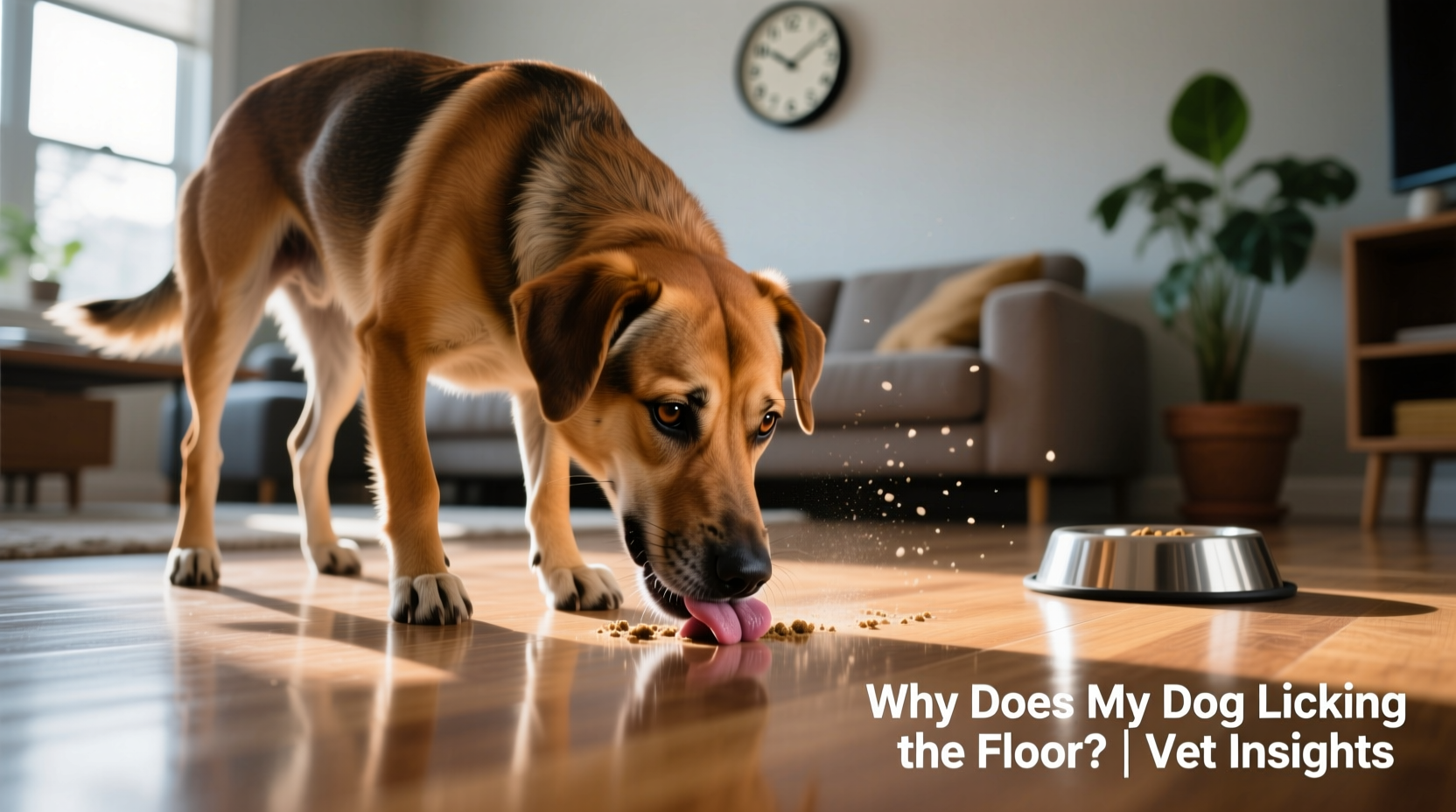
Obsessive floor licking isn’t just quirky behavior—it’s often a sign of underlying discomfort or distress. Veterinarians classify this as a “compulsive” or “stereotypic” behavior when it becomes repetitive, out of context, and difficult to interrupt. The act itself may start occasionally but can escalate into a ritualistic routine, especially if reinforced by temporary relief or attention.
There are two primary categories of causes: medical and behavioral. Medical issues such as gastrointestinal problems, dental pain, or neurological disorders can trigger licking as a response to internal discomfort. On the behavioral side, anxiety, boredom, or learned habits may manifest through repetitive actions like floor licking. In many cases, both factors coexist, making diagnosis more complex.
Tip: Record a short video of your dog’s licking episodes—including duration, frequency, and surroundings—to share with your veterinarian.Common Medical Causes Behind the Behavior
When a dog persistently licks the floor, one of the first avenues to explore is health-related issues. Several medical conditions can prompt this behavior, often because licking releases endorphins that temporarily soothe discomfort.
- Gastrointestinal Distress: Nausea, acid reflux, or irritable bowel syndrome may cause dogs to lick floors. The behavior could be an attempt to stimulate saliva production, which buffers stomach acid.
- Dental Disease: Painful teeth, gum infections, or oral tumors can lead dogs to lick surfaces obsessively, possibly mimicking chewing motions to relieve pressure.
- Epilepsy or Neurological Disorders: Some dogs exhibit “fly-biting” or floor-licking as focal seizures. These episodes may last seconds to minutes and are often followed by disorientation.
- Nutritional Deficiencies: Anemia or mineral imbalances (e.g., low sodium or iron) may drive pica-like behaviors, including licking non-food surfaces.
- Endocrine Diseases: Conditions like Cushing’s disease or hypothyroidism can alter brain chemistry and lead to compulsive behaviors.
A 2021 study published in the Journal of Veterinary Behavior found that over 60% of dogs presenting with excessive licking had an underlying gastrointestinal issue confirmed via diagnostics. This highlights the importance of ruling out physical illness before assuming behavioral causes.
“Persistent floor licking should never be dismissed as ‘just a habit.’ It’s often the only way a dog can tell us something hurts.” — Dr. Lena Torres, DVM, Veterinary Neurologist
Behavioral and Environmental Triggers
Even in the absence of medical conditions, dogs may develop obsessive licking due to stress, boredom, or environmental triggers. These behaviors often begin as coping mechanisms and become ingrained over time.
Common psychological contributors include:
- Anxiety: Separation anxiety, noise phobias (thunderstorms, fireworks), or changes in household dynamics can lead to displacement behaviors like licking.
- Understimulation: Dogs left alone for long periods without toys, walks, or mental engagement may resort to repetitive actions to occupy themselves.
- Learned Reinforcement: If a dog receives attention—even negative—for licking, the behavior may persist. For example, scolding can still be reinforcing compared to being ignored.
- Trauma or Past Neglect: Rescue dogs with histories of malnutrition or unstable environments may retain compulsive habits long after adoption.
In some breeds—particularly Doberman Pinschers, Bull Terriers, and Labrador Retrievers—genetic predispositions to compulsive behaviors have been observed. These dogs may require early intervention to prevent habits from becoming severe.
Real-Life Example: Max the Beagle
Max, a 4-year-old Beagle, began licking the kitchen floor for 15–20 minutes each evening. His owner initially assumed he was chasing crumbs, but the behavior persisted even after thorough cleaning. A veterinary exam revealed elevated liver enzymes and signs of nausea. After treating an underlying bile duct issue, Max’s licking decreased by 90% within three weeks. This case underscores how a medical root can mimic behavioral issues.
Step-by-Step Guide to Addressing Obsessive Floor Licking
Resolving this behavior requires a structured approach. Follow these steps to identify and treat the cause effectively:
- Observe and Document: Note when, where, and how often the licking occurs. Is it after meals? During storms? Does it happen on specific surfaces?
- Schedule a Veterinary Check-Up: Request a full panel including blood work, urinalysis, and GI screening. Mention the licking specifically.
- Rule Out Dental Issues: Ask for an oral examination under sedation if needed. Hidden tooth root abscesses are common culprits.
- Consider Neurological Evaluation: If episodes resemble seizures (glassy eyes, twitching, confusion afterward), consult a veterinary neurologist.
- Address Behavioral Factors: Increase daily exercise, introduce puzzle toys, and establish predictable routines to reduce anxiety.
- Modify the Environment: Use area rugs or baby gates to limit access to favorite licking spots. Replace tile or hardwood with less appealing textures if possible.
- Consult a Behaviorist: For persistent cases, a certified animal behaviorist can design a desensitization and counter-conditioning plan.
- Monitor Response to Treatment: Track improvements weekly. Adjust strategies based on progress or setbacks.
Do’s and Don’ts: Quick Reference Table
| Do’s | Don’ts |
|---|---|
| Seek veterinary evaluation promptly | Ignore the behavior as “just weird” |
| Keep a symptom journal | Yell at or punish your dog for licking |
| Provide mental stimulation (toys, training) | Allow unrestricted access to licking zones |
| Use bitter sprays on floors (pet-safe) | Assume it’s purely behavioral without testing |
| Stick to a consistent daily routine | Change diets or medications without vet input |
Effective Treatments and Interventions
Once the cause is identified, treatment can begin. Options vary widely depending on diagnosis:
- Medical Treatments: Anti-nausea drugs (e.g., maropitant), antacids, antibiotics for dental infections, or anti-seizure medications.
- Dietary Changes: Switching to a hypoallergenic or easily digestible diet may resolve GI-related licking.
- Behavioral Therapy: Positive reinforcement training to replace licking with alternative behaviors like fetching or nose work.
- Medication for Anxiety: In severe cases, veterinarians may prescribe SSRIs (e.g., fluoxetine) alongside behavioral modification.
Environmental enrichment plays a critical role. Daily walks, scent games, and interactive feeders reduce stress and redirect focus. One study showed that dogs receiving 30 minutes of nose work activity per day reduced compulsive behaviors by 70% over six weeks.
Checklist: What You Can Do Today
- ✅ Observe and log licking episodes (time, duration, triggers)
- ✅ Schedule a vet appointment focused on GI and neurological health
- ✅ Clean floors with pet-safe, unscented products (strong smells may attract licking)
- ✅ Introduce two new enrichment activities (e.g., snuffle mat, treat-dispensing toy)
- ✅ Eliminate xylitol-containing products (toxic and potentially linked to digestive upset)
- ✅ Practice short separation exercises to test for anxiety
- ✅ Consult a veterinary behavior specialist if no improvement in 4–6 weeks
Frequently Asked Questions
Is floor licking dangerous for my dog?
Yes, if left unaddressed. Chronic licking can lead to lip fold dermatitis, worn tooth enamel, or ingestion of harmful cleaning residues. More importantly, it may mask a serious condition like liver disease or epilepsy.
Can anxiety really cause a dog to lick the floor?
Absolutely. Dogs under stress may engage in displacement behaviors—actions that serve no immediate purpose but help manage emotional tension. Licking releases endorphins, creating a calming effect that reinforces the habit.
How long does it take to stop obsessive licking?
Improvement timelines vary. Medical causes may resolve within weeks of treatment. Behavioral issues often take 6–12 weeks of consistent intervention to show meaningful change. Patience and consistency are key.
Conclusion: Taking Action for Your Dog’s Well-Being
Obsessive floor licking is not normal behavior—it’s a message. Whether rooted in physical pain, neurological dysfunction, or emotional distress, your dog is trying to communicate discomfort. Dismissing it as odd or harmless risks delaying vital treatment. By taking a proactive, compassionate approach, you can uncover the cause and restore your dog’s comfort and quality of life.
The journey starts with observation, continues with professional guidance, and thrives on consistency. Every small step you take—from scheduling that vet visit to introducing a new puzzle toy—brings you closer to understanding and helping your companion.
💬 Have you noticed changes in your dog’s licking habits? Share your experience or questions below—your story could help another pet parent find answers.








