Dogs communicate in ways that don’t always involve barking or tail wagging. One subtle but telling behavior is excessive floor licking. While an occasional lick might be harmless—perhaps chasing a crumb or exploring a scent—constant floor licking can signal something more serious. The reasons range from medical conditions like gastrointestinal distress to behavioral issues such as boredom or anxiety. Understanding the difference between nausea-driven licking and boredom-induced habits is essential for responsible pet ownership. This article breaks down the causes, signs, and solutions so you can respond appropriately and keep your dog healthy and happy.
Understanding Canine Licking Behavior
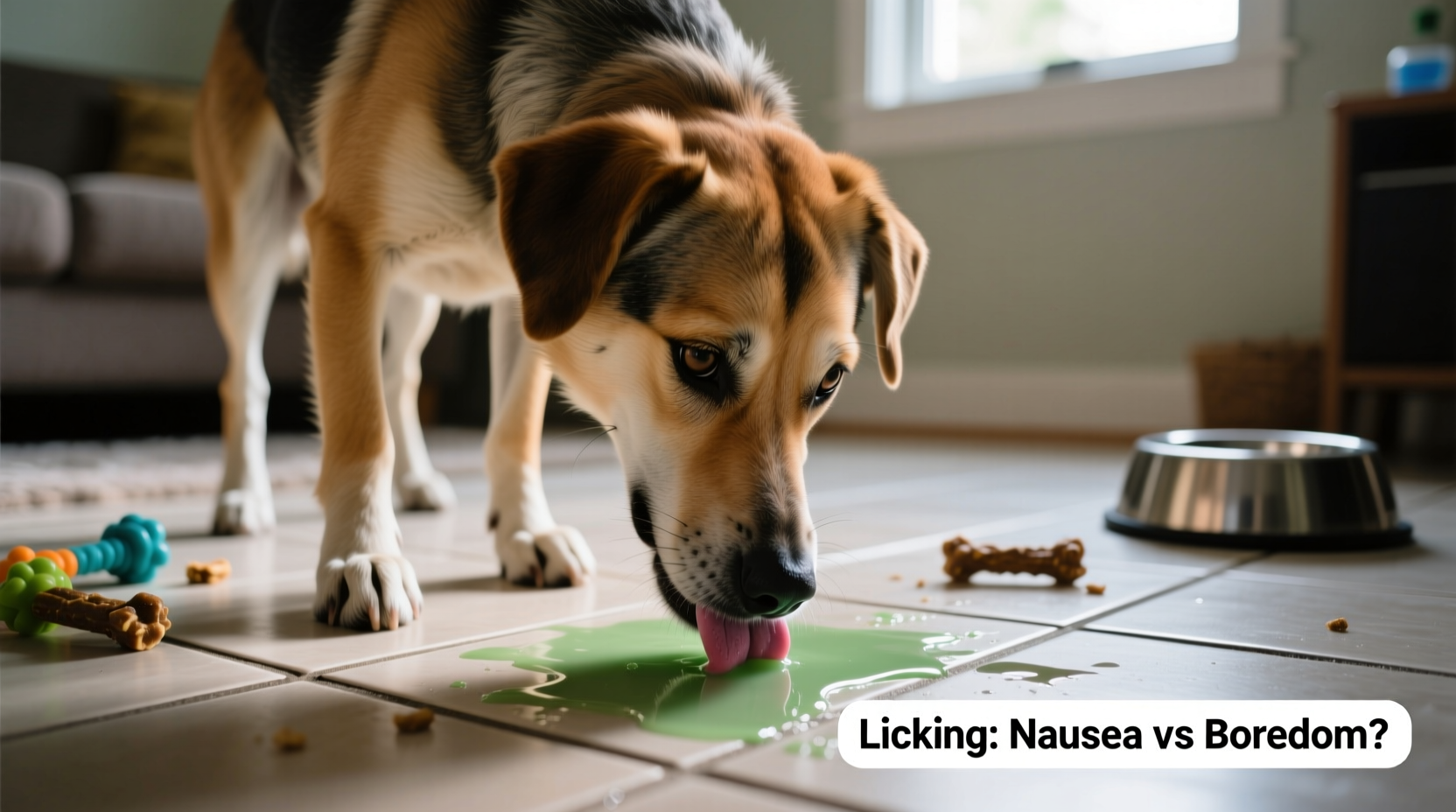
Licking is a natural behavior for dogs. They use their tongues to explore the world, groom themselves, show affection, and even self-soothe. Puppies lick their mothers; adult dogs may lick their owners as a sign of submission or bonding. However, when licking becomes repetitive, focused on surfaces like floors, and occurs for extended periods, it crosses into compulsive territory. Veterinarians refer to this as “excessive licking of surfaces” (ELS), and it’s often a red flag.
The key to addressing ELS lies in identifying its root cause. Two of the most common explanations are nausea and boredom, but they require very different interventions. Misdiagnosing one for the other can delay treatment and worsen outcomes. For example, treating a nauseous dog with behavioral training alone won’t resolve an underlying gastrointestinal disorder. Conversely, medicating a bored dog for a non-existent illness could lead to unnecessary side effects.
Nausea: A Hidden Medical Culprit Behind Floor Licking
One of the most medically significant reasons dogs lick the floor is nausea. Unlike humans, dogs can’t verbally express stomach discomfort. Instead, they exhibit physical behaviors such as drooling, swallowing motions, lip-licking, and yes—floor licking. When a dog feels queasy, licking increases saliva production, which may temporarily soothe an irritated stomach lining.
Veterinary studies have shown a strong correlation between chronic floor licking and gastrointestinal disorders. A 2017 study published in the *Journal of Veterinary Internal Medicine* found that over 60% of dogs presenting with persistent floor licking were later diagnosed with conditions such as inflammatory bowel disease (IBD), pancreatitis, or liver dysfunction. In some cases, foreign body ingestion or ulcers were also identified.
“Excessive licking of surfaces is frequently a symptom of visceral discomfort. It’s not just a habit—it’s often the dog’s way of coping with internal pain.” — Dr. Karen Becker, Integrative Veterinarian
Signs that nausea may be driving your dog’s licking include:
- Licking shortly before or after meals
- Increased drooling or smacking lips
- Refusing food or eating less than usual
- Vomiting or regurgitation
- Pacing or restlessness, especially at night
- Swallowing motions without food
When to Seek Veterinary Help for Nausea
If your dog shows any combination of the above symptoms, a vet visit is crucial. Your veterinarian may recommend blood work, abdominal ultrasound, or endoscopy to check for organ dysfunction, infections, or structural abnormalities. Treatment depends on the diagnosis but may include dietary changes, anti-nausea medications like maropitant (Cerenia), or antibiotics for bacterial overgrowth.
Boredom and Anxiety: Behavioral Roots of Compulsive Licking
Not all floor licking stems from physical illness. Dogs are intelligent, social animals that require mental stimulation. Without adequate activity, they may develop compulsive behaviors to fill the void. Floor licking is one such outlet—a repetitive action that provides sensory feedback and temporary relief from stress or monotony.
This type of licking often occurs when the dog is left alone, during quiet hours, or in environments lacking enrichment. It’s commonly seen in dogs with limited outdoor access, those living in small apartments, or pets experiencing changes in routine such as a new baby, move, or owner’s work schedule.
Anxiety-related licking may start as a response to a stressful event and become habitual. Over time, the brain reinforces the behavior through dopamine release, making it harder to break without intervention. Breeds prone to anxiety—such as Border Collies, German Shepherds, and Shetland Sheepdogs—are particularly vulnerable.
Signs That Boredom or Anxiety Is the Cause
- Licking occurs mainly when the dog is alone or inactive
- No digestive symptoms like vomiting or diarrhea
- Licking stops when the dog is engaged in play or training
- Other signs of anxiety: pacing, whining, destructive chewing
- Improved mood and reduced licking after walks or mental games
“Behavioral licking is a coping mechanism. It’s the dog’s version of nail-biting—it helps them manage emotional overload.” — Dr. Sophia Yin, Applied Animal Behaviorist
Differentiating Between Nausea and Boredom: A Practical Guide
Telling the difference between medical and behavioral licking isn’t always straightforward. Some dogs experience both simultaneously—chronic nausea leading to anxiety, or stress triggering stomach upset. To help clarify the cause, consider the following checklist.
Checklist: Is It Nausea or Boredom?- Does the licking happen mostly around meal times? → Points to nausea
- Is your dog drooling excessively or swallowing frequently? → Strong indicator of nausea
- Have there been recent diet changes or access to garbage? → Suggests GI upset
- Does licking decrease when your dog plays or goes for a walk? → Suggests boredom
- Is the behavior worse when you’re away? → Indicates separation anxiety
- Has your dog had blood tests recently with normal results? → Supports behavioral cause
For a clearer picture, track your dog’s behavior over several days using a simple log. Note the time of day, duration of licking, presence of other symptoms, and environmental factors (e.g., alone vs. family present). This record can be invaluable for your vet or animal behaviorist.
Comparison Table: Nausea vs. Boredom in Dogs
| Factor | Nausea-Related Licking | Boredom/Anxiety-Related Licking |
|---|---|---|
| Timing | Before/after meals, early morning, late night | During downtime, when alone, post-nap |
| Physical Signs | Drooling, lip-licking, vomiting, loss of appetite | None beyond the licking itself |
| Response to Distraction | Licking continues despite engagement | Stops when playing or trained |
| Diet History | Recent change, scavenging, table scraps | Stable, no GI issues reported |
| Veterinary Findings | Abnormal bloodwork, imaging results | Normal diagnostics |
Real-Life Example: Max the Labrador’s Story
Max, a 5-year-old yellow Labrador, began licking the kitchen floor every evening. His owner, Sarah, initially thought he was chasing crumbs. But when the behavior persisted for weeks and started occurring multiple times a day, she grew concerned. Max wasn’t vomiting, but he had lost interest in his evening walk and seemed lethargic.
Sarah recorded a video of the behavior and took it to her vet. Blood tests revealed elevated liver enzymes and low albumin levels. An ultrasound showed signs of chronic hepatitis. Max was prescribed a liver-supportive diet and medication. Within three weeks of treatment, the floor licking stopped completely.
In Max’s case, the licking was a subtle but early warning sign of a serious condition. Had Sarah assumed it was boredom and increased walks without seeking medical evaluation, the liver damage could have progressed further.
What You Can Do: Step-by-Step Action Plan
If your dog is licking the floor constantly, follow these steps to determine the cause and take appropriate action.
- Observe and Document: Track when, how long, and under what circumstances the licking occurs. Note any related behaviors.
- Review Diet and Environment: Check for recent food changes, exposure to toxins, or scavenging behavior.
- Schedule a Veterinary Exam: Rule out medical causes with blood work, fecal tests, and possibly imaging.
- Implement Enrichment (if medical causes ruled out): Introduce puzzle toys, daily training sessions, and longer walks.
- Consult a Behaviorist (if needed): For persistent anxiety-related licking, professional guidance can help modify the behavior.
- Monitor Progress: Keep logging behavior to assess whether interventions are working.
Frequently Asked Questions
Can dehydration cause my dog to lick the floor?
Yes, though it’s less common. Dehydrated dogs may lick cool surfaces in search of moisture. However, this is usually accompanied by other signs like dry gums, sunken eyes, and lethargy. Always ensure fresh water is available.
Is it safe to give my dog grass to eat if I suspect nausea?
Occasional grass eating is normal and may help induce vomiting if the dog feels unwell. However, frequent grass consumption combined with floor licking warrants a vet visit. Avoid lawns treated with pesticides.
Will ignoring the licking stop the behavior?
Ignoring works only if the behavior is attention-seeking. If it’s due to nausea or anxiety, ignoring may worsen the problem. First, identify the cause before deciding on a response strategy.
Conclusion: Listen to What Your Dog Is Trying to Tell You
Constant floor licking isn’t just a quirky habit—it’s communication. Whether driven by physical discomfort or emotional need, your dog is signaling that something is off. Jumping to conclusions based on assumptions can delay proper care. A methodical approach—starting with veterinary evaluation and followed by behavioral assessment—ensures your pet gets the right support.
Never underestimate the value of early intervention. What seems like a minor oddity today could be the first sign of a treatable condition tomorrow. By paying attention, acting promptly, and partnering with professionals when needed, you strengthen your bond with your dog and safeguard their long-term well-being.
💬 Your dog’s behavior matters. Have you noticed sudden changes lately? Share your experience or questions below—your story could help another pet owner recognize a warning sign.








