Dogs communicate in ways that often leave their owners puzzled—licking is one of the most common yet misunderstood behaviors. When your dog persistently licks your feet, it might seem endearing at first, but over time, the constant attention can raise questions. Is this just a quirky affectionate gesture, or could it signal an underlying physical or emotional issue? Understanding the reasons behind foot licking requires looking at canine psychology, sensory perception, and potential health concerns. This article explores the full spectrum of possibilities, from bonding behavior to medical red flags, so you can respond appropriately and keep your dog healthy and balanced.
The Science Behind Canine Licking Behavior
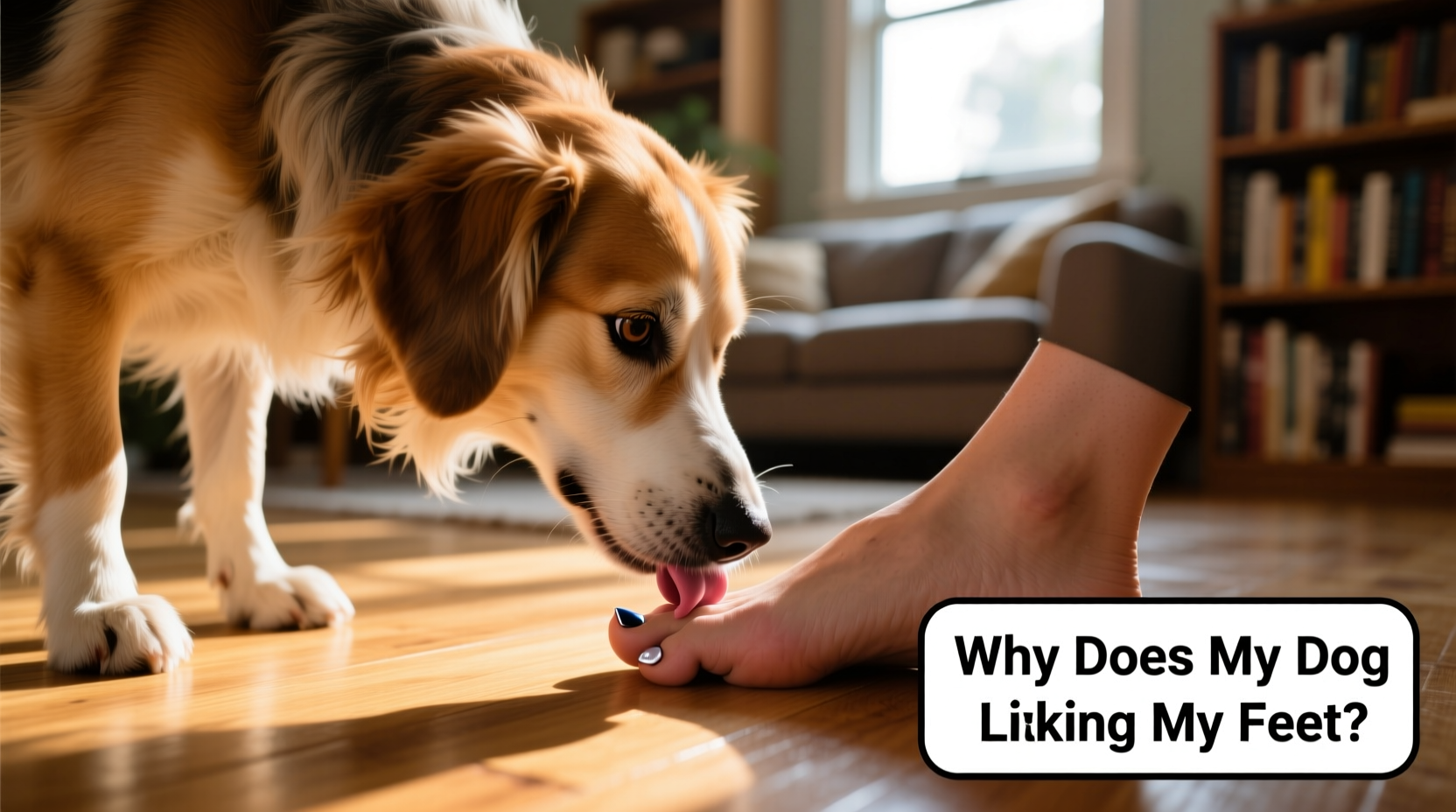
Licking is a natural, instinctive behavior for dogs rooted in survival, communication, and comfort. From birth, puppies are licked by their mothers to stimulate breathing, aid digestion, and maintain hygiene. As they grow, licking becomes a social tool used to express submission, seek attention, or reinforce bonds with pack members—including humans.
Dogs possess highly sensitive olfactory and taste receptors. Your feet, though mundane to you, carry a rich cocktail of scents: sweat, bacteria, lotions, food residue, and even traces of where you’ve walked. These odors provide valuable information to a dog’s curious nose and tongue. In fact, research suggests that dogs can detect changes in human body chemistry linked to stress, illness, or hormonal shifts through scent alone.
“Dogs use their mouths and tongues as primary tools for exploration. What seems odd to us is often their way of gathering information.” — Dr. Laura Bongiorno, Veterinary Ethologist
While occasional licking is normal, persistent or obsessive foot licking warrants closer examination. It may reflect deeper needs beyond curiosity or affection.
Common Reasons Dogs Lick Feet
There are numerous motivations behind foot licking, ranging from behavioral to physiological. Below are the most frequent causes:
- Affection and bonding: Licking releases endorphins in dogs, creating a calming effect. It’s often a sign of trust and attachment.
- Attention-seeking: If licking gets a reaction—laughter, petting, or even mild scolding—the dog learns it’s an effective way to engage you.
- Taste appeal: Sweat contains salt, dead skin cells, and bacteria that some dogs find appealing. Lotions or moisturizers may add enticing scents.
- Stress or anxiety: Repetitive licking can be a displacement behavior when a dog feels uncertain or overwhelmed.
- Boredom: Without sufficient mental or physical stimulation, dogs may resort to repetitive actions like licking.
- Medical conditions: Skin infections, allergies, hormonal imbalances, or neurological issues can trigger compulsive licking.
When Foot Licking Becomes a Problem
Occasional licking is typically harmless. However, excessive or obsessive licking may indicate a problem. Signs that licking has crossed into problematic territory include:
- Licking for more than 30 minutes per day
- Redness, irritation, or raw skin on your feet (or theirs, if they’re licking themselves)
- Ignoring commands to stop
- Appearing trance-like or agitated while licking
- Refusing to eat or play until allowed to lick
Compulsive licking can stem from medical conditions such as hypothyroidism, Cushing’s disease, or gastrointestinal discomfort. In some cases, dogs develop lick granulomas—a self-inflicted skin lesion caused by chronic licking—even on human skin they frequently contact.
Medical Red Flags to Watch For
If your dog shows any of the following alongside foot licking, consult a veterinarian promptly:
- Sudden onset of intense licking behavior
- Changes in appetite, energy levels, or bathroom habits
- Excessive self-grooming or licking other body parts
- Vocalizing while licking (whining, growling)
- Aggression when interrupted
Behavioral vs. Medical Causes: A Comparison
| Factor | Behavioral Cause | Medical Cause |
|---|---|---|
| Onset | Gradual, linked to routine or environment | Sudden or unexplained |
| Triggers | Owner presence, boredom, stress | Pain, illness, hormonal imbalance |
| Response to Distraction | Can be redirected easily | Resists interruption |
| Other Symptoms | None beyond the licking | Weight change, lethargy, itching |
| Solution Focus | Training, enrichment, routine | Veterinary diagnosis and treatment |
Real-Life Example: Max the Labrador
Max, a 4-year-old Labrador Retriever, began obsessively licking his owner’s feet after she returned from maternity leave. At first, the family found it sweet—Max was reconnecting with her after weeks apart. But within two months, he was fixated: he’d follow her barefoot around the house, whining if denied access. Attempts to redirect him failed. Concerned, the owner consulted a veterinary behaviorist.
After ruling out medical issues through blood work and allergy testing, the specialist concluded Max was experiencing separation anxiety exacerbated by the household’s new routine. The licking had become a self-soothing mechanism. A structured plan involving increased exercise, puzzle toys, and gradual desensitization to solitude reduced the behavior significantly within six weeks. The key wasn’t stopping the licking directly, but addressing the root emotional need behind it.
“Licking isn’t always about the target—it’s about what the dog is feeling.” — Dr. Rachel Nguyen, Certified Applied Animal Behaviorist
Step-by-Step Guide to Managing Excessive Foot Licking
If your dog’s foot licking is becoming disruptive, follow this evidence-based approach to assess and address the behavior:
- Document the behavior: Note frequency, duration, triggers, and context (e.g., after meals, during storms).
- Rule out medical causes: Schedule a vet visit to check for infections, allergies, pain, or systemic illness.
- Assess environmental factors: Evaluate recent changes—new pet, baby, move, schedule shift—that may cause stress.
- Increase mental and physical stimulation: Provide daily walks, training sessions, and interactive toys to reduce boredom.
- Redirect gently: When licking starts, offer a chew toy or initiate a command like “sit” or “go to bed.” Reward compliance.
- Set boundaries: If licking persists, calmly leave the room or place the dog in a safe space with enrichment items.
- Consult a professional: For persistent cases, seek help from a certified dog trainer or veterinary behaviorist.
Practical Tips to Reduce Unwanted Licking
While you work on long-term solutions, these strategies can help minimize foot licking in daily life:
- Wear socks or slippers indoors to create a physical barrier.
- Wash your feet after sweating to remove salty residues.
- Avoid scented lotions that may attract your dog.
- Engage your dog in alternative bonding activities like grooming or fetch.
- Use a cue word like “enough” followed by a distraction when licking begins.
Checklist: Responding to Excessive Foot Licking
- ☐ Monitor licking episodes for patterns
- ☐ Schedule a veterinary check-up
- ☐ Increase daily exercise and mental challenges
- ☐ Introduce chew toys or lick mats as alternatives
- ☐ Practice consistent redirection techniques
- ☐ Limit access to feet when unsupervised
- ☐ Seek professional advice if no improvement in 3–4 weeks
Frequently Asked Questions
Is it safe for my dog to lick my feet?
In most cases, yes—but there are caveats. Human skin can carry bacteria, fungi, or irritants that may upset a dog’s digestive system if ingested in large amounts. Open wounds, fungal infections (like athlete’s foot), or topical medications should be kept away from a dog’s mouth. Additionally, excessive licking can cause skin irritation on your feet.
Can licking be a sign my dog is sick?
Yes. While licking people isn’t always indicative of illness, sudden or obsessive licking—especially if paired with changes in appetite, energy, or mood—can signal pain, nausea, or neurological issues. Dogs may also lick surfaces (floors, walls) excessively when experiencing gastrointestinal distress.
How do I stop my dog from licking my feet without damaging our bond?
Focus on replacement behaviors rather than suppression. Strengthen your relationship through structured play, training, and calm interaction. When your dog chooses not to lick and engages in an alternative behavior, reward them generously. This reinforces cooperation without creating fear or confusion.
Conclusion: Listening Beyond the Lick
Your dog’s foot licking habit may begin as a simple expression of affection, but when it becomes constant, it’s worth pausing to listen. Behind every repeated behavior is a message—whether it’s “I love you,” “I’m bored,” or “I need help.” By observing closely, responding thoughtfully, and seeking professional guidance when needed, you can ensure your dog’s well-being while maintaining a harmonious home.
Understanding your dog isn’t about eliminating quirks; it’s about interpreting them. The next time your dog nudges your foot with their nose, take a moment to consider not just what they’re doing, but why. That small act of awareness can deepen your connection and safeguard their health for years to come.
💬 Have a story about your dog’s licking habits? Share your experience or questions in the comments—your insight could help another pet owner find clarity.








