
Dogs communicate in ways that often leave their owners puzzled, amused, or even slightly uncomfortable. One such behavior—licking ears—can range from a sweet gesture of affection to a concerning compulsion. While it might seem harmless at first, repeated ear-licking can signal deeper emotional, behavioral, or even medical issues. Understanding why your dog engages in this behavior is essential to ensure both their well-being and your comfort.
Ear-licking sits at the intersection of instinct, social bonding, and sensory curiosity. Dogs rely heavily on scent and taste to interpret their world, and human ears offer a unique combination of salt, moisture, and familiar scent. But when does this natural curiosity cross the line into problematic behavior? This article explores the science behind ear-licking, distinguishes affection from obsession, and provides practical steps for managing the behavior appropriately.
The Science Behind Canine Licking Behavior
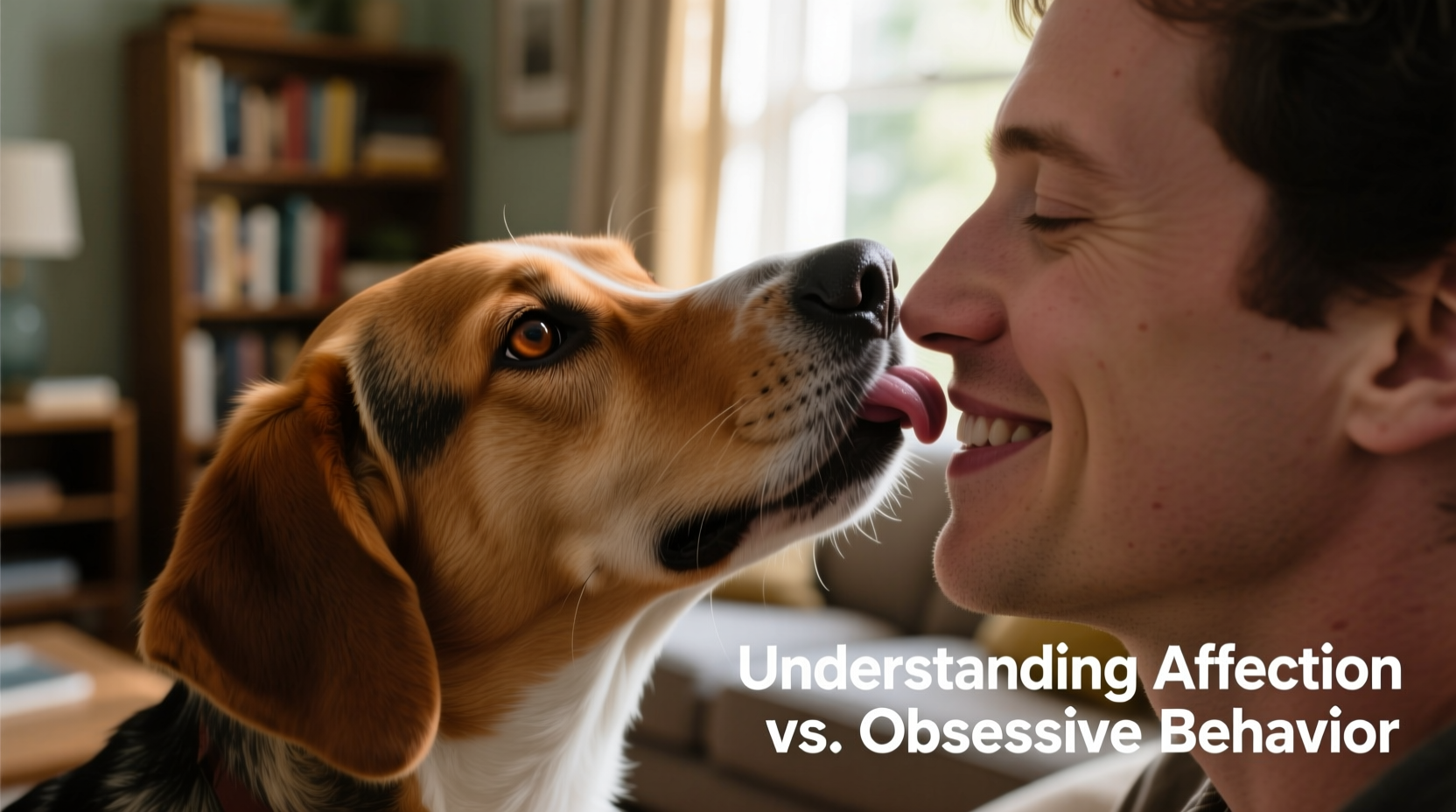
Licking is one of the most fundamental behaviors in canine communication. From birth, puppies are licked by their mothers to stimulate breathing, encourage elimination, and foster bonding. As they grow, dogs continue to use licking as a tool for social interaction, submission, grooming, and exploration.
When a dog licks your ear, they’re not just acting on impulse—they’re responding to a complex mix of biological and environmental cues. Human skin emits pheromones and sweat containing sodium, which dogs find appealing. The warm, moist environment of the ear canal also carries a distinct scent profile that may intrigue your pet.
“Licking is a multifaceted behavior in dogs. It can express affection, reduce anxiety, or serve as a self-soothing mechanism.” — Dr. Laura Bongiorno, Veterinary Ethologist
In the wild, subordinate wolves will lick the mouths of dominant pack members as a sign of respect. Domestic dogs have retained this behavior and often direct it toward their human caregivers, viewing them as part of their social hierarchy. Ear-licking may therefore be an extension of this ingrained social ritual—a way for your dog to show deference and strengthen the bond.
Affectionate Licking: Signs Your Dog Loves You
Not all ear-licking is cause for concern. In many cases, it's simply a dog’s way of showing love. Just as humans hug or kiss to express affection, dogs use physical contact like licking to reinforce emotional connections.
Signs that your dog’s ear-licking is rooted in affection include:
- Licking occurs occasionally, especially after you return home or during moments of calm interaction.
- Your dog appears relaxed—tail wagging gently, body loose, eyes soft.
- The behavior stops when redirected, with no signs of frustration.
- Licking is part of a broader set of affectionate behaviors (leaning, nuzzling, following you).
Dogs form deep emotional attachments to their owners, and licking is one of the primary ways they express attachment. Research published in the journal *Animal Cognition* shows that dogs release oxytocin—the “love hormone”—during positive physical interactions with their humans, similar to the way humans do during bonding moments with infants or partners.
Tip: If your dog licks your ear affectionately, acknowledge the gesture with gentle praise or a brief pet—but avoid reinforcing excessive licking by giving prolonged attention.Obsessive Licking: When Affection Turns Into Compulsion
While occasional licking is normal, repetitive or intense ear-licking can indicate underlying problems. Obsessive licking is characterized by frequency, intensity, and resistance to redirection. A dog that fixates on your ears—nudging your head, whining until allowed to lick, or becoming agitated when stopped—may be displaying compulsive behavior.
Common signs of obsessive licking include:
- Licking multiple times per day, lasting several minutes each time.
- Attempting to lick ears even during inappropriate moments (e.g., while you're sleeping or on a phone call).
- Becoming visibly distressed or anxious when prevented from licking.
- Neglecting other activities (eating, playing) in favor of licking.
Obsessive behaviors in dogs often stem from anxiety, boredom, or unmet mental stimulation needs. In some cases, they can be symptoms of medical conditions such as gastrointestinal discomfort, dental pain, or neurological imbalances. Repetitive actions like licking release endorphins, creating a temporary sense of relief—this can lead to a cycle where the dog relies on the behavior to self-soothe.
Triggers of Obsessive Ear-Licking
| Trigger | Description | Potential Solution |
|---|---|---|
| Separation Anxiety | Dog licks ears more when owner is present after being alone | Gradual desensitization, enrichment, training |
| Boredom | Licking increases during idle periods | More walks, puzzle toys, training sessions |
| Olfactory Fixation | Attracted to earwax, sweat, or skincare products | Wipe ears gently post-wash; avoid scented products |
| Medical Condition | May indicate oral pain, nausea, or skin allergy | Veterinary exam and diagnostics |
How to Respond: A Step-by-Step Guide
If you're unsure whether your dog’s ear-licking is healthy or problematic, follow this structured approach to assess and manage the behavior.
- Observe Frequency and Context: Track when and how often your dog licks your ears over a week. Note triggers such as stress, excitement, or solitude.
- Rule Out Medical Causes: Schedule a vet visit to check for dental issues, ear infections, gastrointestinal problems, or nutrient deficiencies.
- Assess Emotional State: Determine if your dog seems anxious, overstimulated, or under-stimulated. Consider recent changes in routine, environment, or household dynamics.
- Redirect the Behavior: When your dog approaches to lick, gently redirect them with a toy or command like “sit” or “go to bed.” Reward compliance immediately.
- Establish Boundaries: Avoid rewarding the behavior with attention—even negative reactions can reinforce it. Instead, remain neutral and consistent.
- Increase Mental and Physical Exercise: Provide daily walks, nose work games, and interactive toys to reduce compulsive tendencies.
- Consult a Professional: If the behavior persists, seek help from a certified dog behaviorist or veterinary behaviorist.
“Consistency is key. Dogs thrive on predictable responses. If licking is unwanted, every family member must respond the same way—no mixed signals.” — Sarah Kim, Certified Canine Behavior Consultant
Real-Life Example: Managing Obsessive Licking in a Rescue Dog
Max, a 3-year-old mixed breed rescue, was adopted by a couple in Colorado. Within weeks, they noticed he would persistently lick the husband’s ears, especially after work hours. At first, they found it endearing, but soon Max began nudging his owner’s head during meals and waking him at night to lick.
After ruling out medical causes, a behaviorist discovered that Max had developed separation anxiety from his previous abandonment. The ear-licking released calming chemicals in his brain, making it a coping mechanism. The solution involved a structured routine: two daily walks, a food puzzle each morning, and a “settle” command reinforced with treats. Over eight weeks, the licking decreased by 90%, replaced by calmer resting behaviors.
This case illustrates how seemingly odd habits can stem from deep emotional roots—and how targeted intervention leads to meaningful change.
Prevention and Healthy Alternatives
Preventing obsessive licking starts with proactive care. Even if your dog currently licks only occasionally, establishing boundaries early helps maintain balance.
Tip: Never punish licking behavior—it can increase anxiety. Instead, focus on positive reinforcement for desired actions.Encourage healthier bonding activities such as:
- Brushing sessions (many dogs enjoy being groomed)
- Training new tricks using treats and praise
- Interactive play with tug toys or fetch
- Calm cuddle time on a designated mat or bed
These alternatives fulfill your dog’s need for connection without encouraging potentially problematic physical habits.
Checklist: Is Your Dog’s Licking Normal?
- ☐ Occurs infrequently (less than once or twice a day)
- ☐ Stops easily when redirected
- ☐ Not accompanied by pacing, whining, or fixation
- ☐ Happens during relaxed, positive interactions
- ☐ No signs of skin irritation or infection on your ears
- ☐ Vet has cleared any underlying health issues
If all boxes are checked, your dog is likely expressing affection. If several are unchecked, further evaluation is recommended.
Frequently Asked Questions
Is it safe for my dog to lick my ears?
Occasional licking is generally safe for healthy individuals. However, dog saliva contains bacteria that can pose risks if you have cuts, infections, or a compromised immune system. Chronic licking can also lead to irritation or fungal growth in the ear canal. It’s best to limit access and maintain good hygiene.
Can ear-licking be a sign of illness in my dog?
Yes. Excessive licking—of ears, paws, or surfaces—can indicate gastrointestinal discomfort, dental pain, or cognitive dysfunction. Dogs with nausea sometimes lick obsessively due to increased salivation. Always consult a veterinarian if the behavior is sudden, intense, or worsening.
Why does my dog only lick my ears and not other people’s?
This usually comes down to scent familiarity and bonding. Your dog knows your unique odor profile, including the composition of your sweat and earwax. They may also associate you with safety and affection, making you the preferred target. Additionally, if you’ve unconsciously rewarded the behavior in the past, your dog has learned it works specifically with you.
Conclusion: Balancing Bonding and Boundaries
Dog licking is a nuanced behavior—one that blends instinct, emotion, and learned patterns. When your dog licks your ears, they may be saying “I love you” in the only language they know. But when that gesture becomes compulsive, it’s a signal that something deeper needs attention.
The goal isn’t to eliminate all licking, but to foster a balanced relationship where affection is expressed in healthy, mutual ways. By observing your dog’s behavior, addressing underlying causes, and offering enriching alternatives, you can strengthen your bond without compromising well-being.
💬 Have a story about your dog’s ear-licking habits? Share your experience in the comments—your insight could help another pet owner understand their furry companion better.








