
Dogs occasionally lick their paws as part of grooming—it’s a natural behavior. But when licking becomes constant, intense, or focused on one paw, it’s more than just hygiene. Excessive paw licking is a signal. It may point to physical discomfort, environmental triggers, or even emotional distress. Ignoring it can lead to sores, infections, and worsening underlying conditions. Understanding the root cause is essential for effective treatment and long-term relief.
This article explores the most common reasons behind obsessive paw licking in dogs, outlines practical remedies backed by veterinary insight, and provides a clear action plan to restore your dog’s well-being.
Common Causes of Excessive Paw Licking
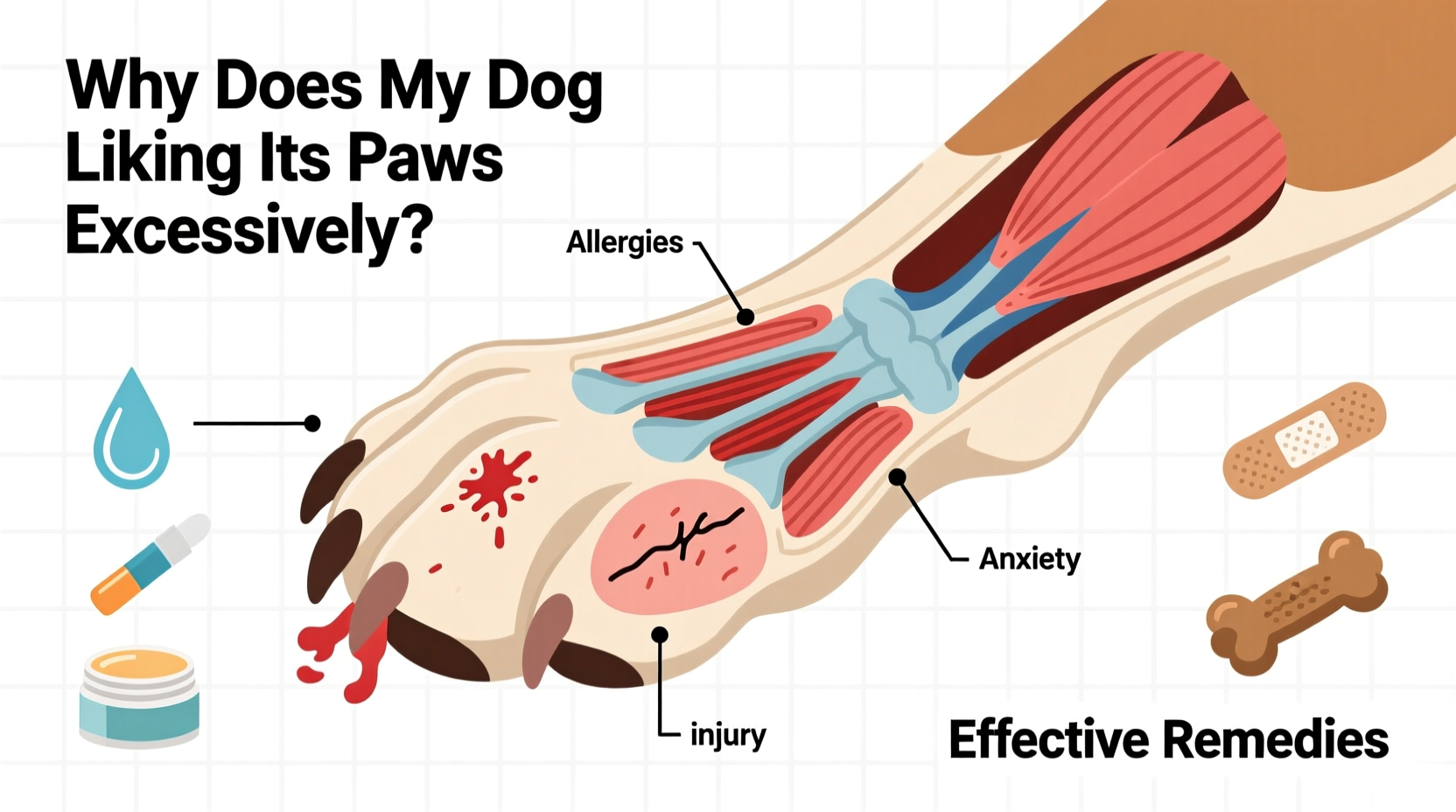
Excessive paw licking rarely has a single explanation. It often results from a combination of factors that build up over time. Identifying the primary trigger is key to resolving the issue.
Allergies: The Leading Culprit
Allergies are the most frequent cause of chronic paw licking. Dogs with allergies often chew or lick their paws because allergens irritate the skin between their toes and on the paw pads. Common types include:
- Environmental allergies (atopy): Pollen, mold, dust mites, and grass can trigger reactions, especially during seasonal changes.
- Food sensitivities: Ingredients like chicken, beef, dairy, wheat, or soy may provoke inflammatory responses that manifest in the skin.
- Contact allergens: Cleaning products, pesticides on lawns, or synthetic flooring materials can cause localized irritation.
Allergic reactions often lead to yeast or bacterial overgrowth on the paws, creating a cycle of itching, licking, and reinfection.
Tip: Wipe your dog’s paws with a damp cloth after walks to remove pollen, dirt, and chemicals.Skin Infections and Yeast Overgrowth
Moisture trapped between toes creates an ideal environment for yeast (Malassezia) and bacteria (Staphylococcus). These organisms thrive in warm, humid conditions and cause intense itching. Signs include:
- Pink or reddish discoloration of the fur around the paws
- Foul odor resembling corn chips (\"Frito feet\")
- Swollen, tender paws
- Cracked or thickened skin
Infections often develop secondary to allergies but can also occur independently due to poor drying after baths or swimming.
Parasites and Foreign Objects
External parasites such as fleas, mites, or ticks can provoke localized irritation. Even a single flea bite may trigger an allergic reaction in sensitive dogs. Similarly, small foreign bodies—like thorns, splinters, glass shards, or burrs—can become lodged between toes, causing pain and prompting persistent licking.
Dogs with access to wooded areas or tall grass are particularly at risk. A quick inspection of the paws weekly can prevent minor issues from escalating.
Joint Pain and Arthritis
Older dogs or those with orthopedic conditions may lick specific paws due to chronic pain. The act of licking releases endorphins, which provide temporary comfort. If your dog focuses on one paw, especially after activity or in cold weather, joint inflammation or injury could be the cause.
Limping may not always be obvious, but stiffness, reluctance to jump, or difficulty rising are telltale signs.
Anxiety and Behavioral Triggers
Like humans who bite their nails, dogs may develop compulsive licking habits when stressed. Common stressors include:
- Separation anxiety
- Changes in routine (moving, new pets, or family members)
- Lack of mental stimulation
- Noise phobias (thunderstorms, fireworks)
Behavioral licking typically occurs during downtime—such as when the dog is resting or left alone—and may affect multiple paws symmetrically.
“Paw licking is a symptom, not a diagnosis. Treating the behavior without identifying the cause often leads to recurrence.” — Dr. Rachel Nguyen, DVM, Veterinary Dermatology Specialist
How to Diagnose the Underlying Issue
Because causes range from medical to psychological, a systematic approach is necessary. Start with observation and progress to professional evaluation.
Step-by-Step Diagnostic Process
- Inspect the paws daily: Look for redness, swelling, discharge, cuts, embedded objects, or hair loss.
- Note patterns: Is licking worse after walks? At night? Only on one paw?
- Review diet and environment: Have there been recent food changes? Exposure to new cleaners or outdoor areas?
- Monitor behavior: Does your dog seem anxious, restless, or painful when moving?
- Visit your veterinarian: A full workup may include skin scrapings, allergy testing, blood work, or X-rays.
Your vet may refer you to a veterinary dermatologist or behaviorist depending on initial findings.
Effective Remedies and Treatments
Treatment depends on the diagnosed cause. A multi-pronged strategy often yields the best results.
Medical Interventions
| Condition | Treatment | Expected Outcome |
|---|---|---|
| Allergies | Antihistamines, immunotherapy, hypoallergenic diets | Reduced itching within 4–8 weeks |
| Yeast/Bacterial Infection | Topical antifungal shampoos, oral antibiotics | Clearing of infection in 2–4 weeks |
| Parasites | Flea/tick preventives, medicated dips | Resolution within days of treatment |
| Arthritis | NSAIDs, joint supplements, physical therapy | Improved mobility and reduced licking |
| Anxiety | Behavior modification, anti-anxiety medication | Gradual decrease in compulsive behaviors |
Natural and Home-Based Solutions
While not replacements for medical care, supportive measures can enhance recovery and prevent recurrence.
- Paw soaks: Soak paws in a solution of warm water and diluted apple cider vinegar (1:4 ratio) for 5 minutes to combat yeast. Rinse and dry thoroughly.
- Coconut oil: Apply a small amount to irritated skin for its antimicrobial and soothing properties. Prevent ingestion by using an Elizabethan collar if needed.
- Omega-3 fatty acids: Found in fish oil, these reduce systemic inflammation and support skin health.
- Probiotics: Improve gut health, which plays a role in immune response and allergy management.
Mini Case Study: Max, the Golden Retriever with Chronic Licking
Max, a 5-year-old Golden Retriever, had been licking his front paws daily for months. His owner initially dismissed it as a habit. Over time, the fur turned brown from saliva staining, and Max began limping slightly after long walks.
A veterinary exam revealed mild arthritis in his wrists and a positive reaction to grass pollen. The vet recommended a dual approach: starting Max on a glucosamine-chondroitin supplement for joint support and switching to a limited-ingredient diet to rule out food triggers. Additionally, his owner began wiping Max’s paws after every walk and introduced daily puzzle toys to reduce boredom.
Within six weeks, paw licking decreased by 80%. After three months, Max stopped limping and no longer showed interest in chewing his feet. The combination of medical treatment and environmental adjustment proved transformative.
Prevention Checklist
Preventing excessive paw licking requires consistency. Use this checklist to minimize risks:
- ✅ Inspect your dog’s paws weekly for injuries or debris.
- ✅ Bathe your dog with a gentle, hypoallergenic shampoo every 4–6 weeks.
- ✅ Wipe paws with a damp cloth after outdoor activities.
- ✅ Feed a high-quality, balanced diet free of common allergens.
- ✅ Maintain a consistent flea and tick prevention schedule.
- ✅ Provide mental enrichment (toys, training, walks) to reduce stress.
- ✅ Schedule annual vet checkups, including skin and joint assessments.
Frequently Asked Questions
Is it normal for dogs to lick their paws after a walk?
Yes, light grooming after being outside is normal. Dogs may clean off dirt or water. However, prolonged, vigorous, or repetitive licking—especially if accompanied by redness or odor—is not normal and should be evaluated.
Can I use human antifungal cream on my dog’s paws?
No. Many human creams contain ingredients toxic to dogs if ingested, such as clotrimazole in high concentrations or propylene glycol. Always consult your vet before applying any topical product.
How long does it take for paw licking to stop after treatment begins?
Improvement timelines vary. Infections may resolve in 2–4 weeks. Allergy management can take 6–8 weeks to show results. Behavioral issues may require several months of consistent training. Patience and adherence to the treatment plan are crucial.
Conclusion: Take Action for Your Dog’s Comfort
Excessive paw licking is more than a quirky habit—it’s a communication tool your dog uses to express discomfort. Whether the source is physical pain, environmental irritation, or emotional stress, addressing it promptly prevents secondary complications and improves quality of life.
The path to resolution starts with careful observation, continues with veterinary collaboration, and thrives on consistent care. From dietary adjustments to behavioral enrichment, every step you take builds toward a healthier, happier dog.
💬 Have you noticed a change in your dog’s paw-licking behavior after trying a remedy? Share your experience in the comments—your insights could help another pet owner find relief for their furry companion.








