Dogs often groom themselves by licking their paws, but when the behavior becomes constant or obsessive, it can signal underlying issues that go far beyond simple allergies. While allergic reactions are a common culprit, many pet owners overlook other significant medical, psychological, and environmental factors. Persistent paw licking can lead to secondary problems like skin infections, hot spots, and even tissue damage if left unaddressed. Understanding the full spectrum of potential causes is essential for responsible dog care.
This article explores non-allergic reasons behind excessive paw licking in dogs, offering actionable insights backed by veterinary expertise. From anxiety and boredom to joint pain and foreign body injuries, we’ll examine the hidden triggers and provide clear guidance on how to respond effectively.
Psychological and Behavioral Triggers
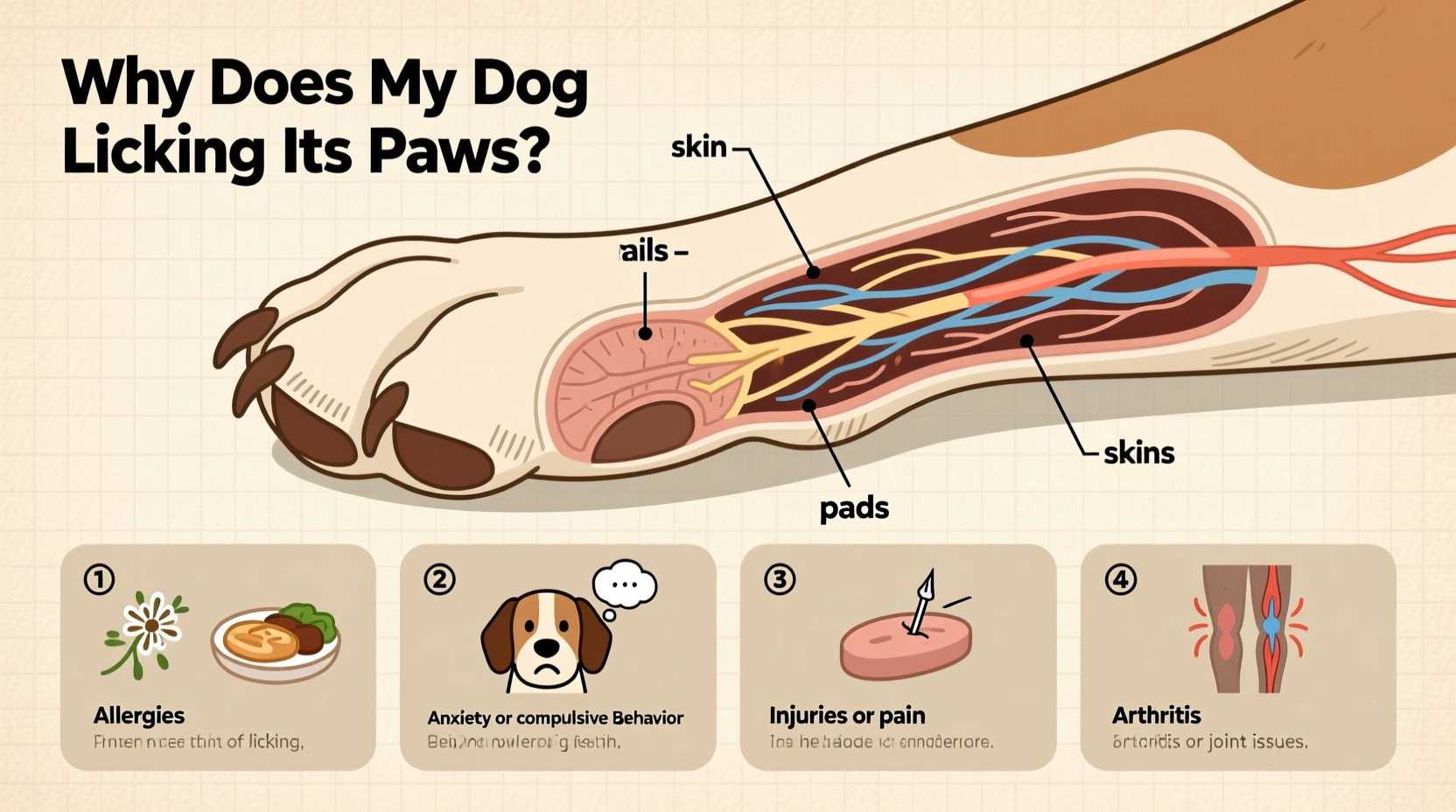
One of the most underestimated causes of chronic paw licking is psychological distress. Dogs are emotionally sensitive animals, and changes in routine, environment, or social dynamics can manifest as compulsive behaviors. Licking releases endorphins—natural feel-good chemicals—which can make the act self-reinforcing, turning occasional grooming into a habit.
- Anxiety and stress: Separation anxiety, loud noises (thunderstorms, fireworks), or moving to a new home can trigger repetitive licking.
- Boredom: Understimulated dogs may resort to paw licking as a form of self-entertainment.
- Obsessive-compulsive disorder (OCD): Some dogs develop compulsive behaviors due to genetics or early life experiences, similar to humans.
A study published in the *Journal of Veterinary Behavior* found that dogs with compulsive licking behaviors showed improvement when provided with structured enrichment and reduced stress exposure. This suggests that behavioral intervention can be as critical as medical treatment.
Tip: Introduce daily puzzle toys, scent games, or short training sessions to mentally engage your dog and reduce idle time that leads to licking.Recognizing Behavioral vs. Medical Licking
Telling the difference between emotional and physical causes isn’t always straightforward. Behavioral licking tends to occur during downtime—when the dog is resting, watching TV, or alone. It often focuses on one specific paw and may pause when interrupted. In contrast, medical licking is usually persistent, occurs at all times, and may be accompanied by limping, swelling, or vocalization.
“Compulsive licking can start as a response to discomfort but evolve into a standalone behavioral issue. Early intervention prevents entrenchment.” — Dr. Lena Torres, Veterinary Behaviorist
Underlying Pain and Orthopedic Issues
Pain is a powerful motivator for licking. Dogs cannot verbally express discomfort, so they often focus on the area that hurts. Chronic paw licking may actually be an attempt to soothe pain originating from joints, bones, or soft tissues in the leg or foot.
Common orthopedic conditions linked to paw licking include:
- Osteoarthritis in older dogs, especially in weight-bearing joints like hips and knees.
- Ligament injuries such as cruciate tears, which alter gait and increase pressure on certain paws.
- Interdigital cysts or pad injuries causing localized pain.
- Developmental issues like hip dysplasia in younger large-breed dogs.
In these cases, the dog may not show obvious signs of limping. Subtle shifts in posture or reluctance to jump can be early indicators. A veterinarian can perform a lameness exam, manipulate joints, and recommend imaging (X-rays or MRI) to identify structural problems.
Tip: Observe your dog’s movement on slippery floors or stairs. Hesitation or favoring one leg may suggest musculoskeletal pain.Case Example: Max, the Labrador with a Hidden Knee Injury
Max, a 6-year-old Labrador Retriever, began obsessively licking his right front paw after a weekend hike. His owner assumed it was a thorn or insect bite. Despite cleaning the paw and using an Elizabethan collar, the behavior continued. A vet visit revealed a partial tear in his cranial cruciate ligament. After surgery and rehabilitation, the licking stopped completely within two weeks. This case highlights how internal joint damage can present as a skin-focused symptom.
Skin Infections and Foreign Bodies
While not classified as allergies, bacterial and fungal infections are frequent causes of paw irritation. Yeast infections (*Malassezia*) thrive in warm, moist environments—between toes being a prime location. Symptoms include redness, greasy discharge, and a musty odor.
Additionally, foreign objects like grass awns (foxtails), splinters, or burrs can become embedded between the toes. These are particularly dangerous because they migrate deeper over time, causing inflammation and infection.
| Cause | Symptoms | Action Required |
|---|---|---|
| Yeast infection | Pink, greasy skin; foul smell; dark hair staining | Antifungal washes; vet-prescribed medication |
| Bacterial infection | Swelling, pus, warmth, pain | Antibiotics; wound cleaning |
| Embedded foreign body | Limping, excessive licking, visible debris | Immediate removal by vet; possible sedation |
| Dry, cracked pads | Flaking skin, small fissures | Moor & hydrate with pet-safe balm |
Inspect your dog’s paws weekly, especially after walks in wooded or grassy areas. Gently spread the toes and look for redness, swelling, or trapped material.
Nutritional Deficiencies and Immune Imbalances
Diet plays a crucial role in skin and coat health. Even without food allergies, deficiencies in essential fatty acids, zinc, or B vitamins can compromise the skin barrier, making paws more susceptible to irritation and infection.
For example:
- Omega-3 and omega-6 imbalances affect skin hydration and inflammation control.
- Zinc-responsive dermatosis, seen in some breeds like Siberian Huskies, causes crusting and licking around paws and mouth.
- Poor-quality kibble with fillers and artificial preservatives may contribute to low-grade inflammation.
Switching to a high-quality, whole-food-based diet rich in bioavailable nutrients can improve skin resilience. Always transition gradually and consult your vet before adding supplements.
“Nutrition is foundational. You can treat the symptoms with meds, but without proper fuel, the skin won’t heal properly.” — Dr. Alan Pierce, Veterinary Dermatologist
Do’s and Don’ts: Paw Care Guidelines
| Do | Don't |
|---|---|
| Wipe paws after walks with a damp cloth | Use human lotions or antiseptics |
| Trim hair between toes to reduce debris trapping | Allow licking to continue unchecked for days |
| Provide balanced, species-appropriate nutrition | Assume it's “just a habit” without evaluation |
| Schedule regular vet check-ups | Delay seeking help if swelling or limping appears |
Step-by-Step Guide: What to Do When Your Dog Licks Its Paws Excessively
If you notice your dog licking its paws more than usual, follow this structured approach to identify and address the root cause:
- Observe the pattern: Note when the licking occurs (after walks, during rest, at night), which paw(s) are targeted, and whether there’s any visible injury.
- Inspect the paws: Check between the toes, under the pads, and around nails for cuts, swelling, thorns, or discharge.
- Assess behavior: Look for signs of pain (limping, reluctance to play), anxiety (pacing, whining), or boredom (destruction, attention-seeking).
- Rule out immediate irritants: Clean the paws with a pet-safe wipe. Consider recent walks on hot pavement, salted roads, or chemical-treated lawns.
- Limit access temporarily: Use a cone or paw bootie to prevent further damage while investigating.
- Consult your veterinarian: Schedule an appointment for a full physical, including orthopedic and dermatological evaluation.
- Follow through with diagnostics: Allow recommended tests—skin scrapings, blood work, X-rays—as needed.
- Implement treatment plan: Whether it’s antibiotics, pain management, behavioral modification, or dietary change, consistency is key.
- Monitor progress: Track improvements weekly and report setbacks to your vet.
- Prevent recurrence: Maintain paw hygiene, manage stress, and feed a balanced diet.
Frequently Asked Questions
Can anxiety really cause my dog to lick its paws raw?
Yes. Anxiety triggers the release of cortisol, which can lower immune function and increase itchiness. Combined with the calming effect of endorphins released during licking, anxious dogs can quickly develop a destructive cycle. Treatment often includes behavior modification, environmental adjustments, and sometimes anti-anxiety medication.
Is it safe to use coconut oil on my dog’s paws?
In moderation, yes. Coconut oil has mild antimicrobial and moisturizing properties. Apply a small amount to dry or cracked pads, but prevent your dog from immediately licking it off—otherwise, it offers no lasting benefit and may cause digestive upset if ingested in large amounts.
Should I stop my dog from licking completely?
No—normal grooming is healthy. The goal is to stop excessive, obsessive licking that leads to injury. Complete suppression without addressing the cause can increase stress. Instead, redirect the behavior and treat the underlying issue.
Final Thoughts and Call to Action
Excessive paw licking in dogs is rarely just a quirky habit. While allergies are a well-known trigger, a wide range of physical, emotional, and environmental factors can drive this behavior. Ignoring it risks worsening pain, infection, or psychological distress. By taking a thorough, compassionate approach—observing closely, consulting professionals, and acting promptly—you protect your dog’s long-term comfort and well-being.
Start today: inspect your dog’s paws, reflect on recent changes in their routine, and schedule a vet visit if licking persists beyond a day or two. Small actions now can prevent serious complications later.
💬 Your experience matters. Have you figured out why your dog licks its paws? Share your story in the comments to help fellow pet owners find answers.








