
Dog owners often notice their pets engaging in repetitive behaviors—licking their paws being one of the most common. While occasional paw licking is normal for grooming or comfort, constant or obsessive licking raises concerns. Two primary causes stand out: allergies and boredom. Understanding which factor drives this behavior is essential to addressing it effectively. Left untreated, excessive paw licking can lead to skin infections, hair loss, and discomfort for your dog. This article explores the underlying causes, how to differentiate between them, and practical solutions to restore your dog’s well-being.
Understanding Normal vs. Abnormal Paw Licking
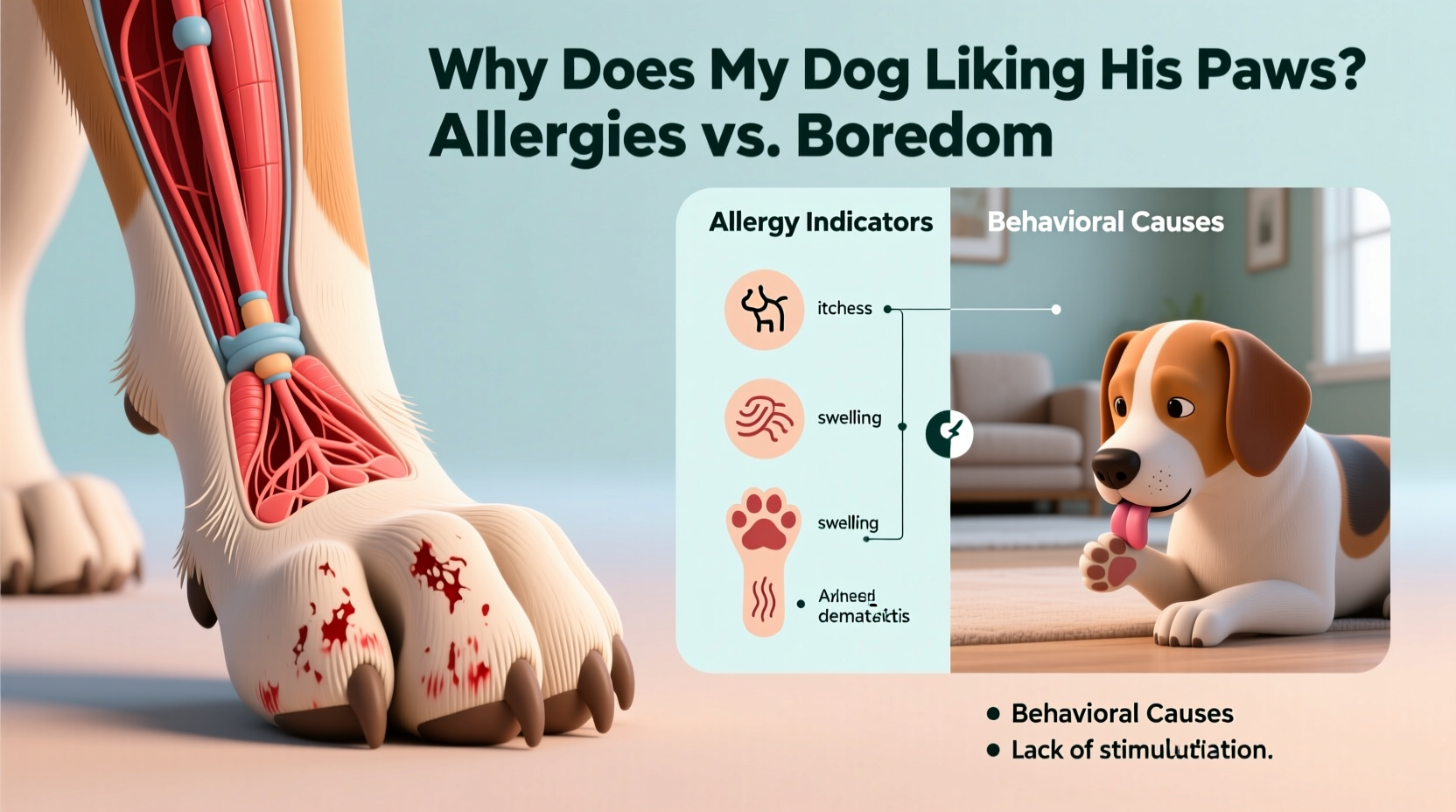
Dogs naturally groom themselves by licking their paws after walks or when they feel a foreign object like dirt or sand. This self-cleaning behavior is typically brief and situational. However, persistent licking—especially if focused on one paw or occurring multiple times daily—signals an underlying issue.
Abnormal licking often follows a pattern: it happens indoors, increases at night, or coincides with changes in environment, diet, or routine. You may also observe redness, swelling, or a foul odor from the affected area. These signs suggest that the behavior has crossed into compulsive territory and requires investigation.
Tip: Monitor your dog’s licking habits for a few days. Note frequency, duration, and any triggers such as meals, weather changes, or alone time.Allergies: A Common Medical Cause of Excessive Licking
Allergies are among the leading medical reasons dogs obsessively lick their paws. Unlike humans who sneeze or develop respiratory symptoms, dogs often manifest allergic reactions through their skin—particularly on the paws, belly, and ears.
There are three main types of allergies in dogs:
- Flea allergy dermatitis: Even a single flea bite can trigger intense itching. Dogs may chew or lick their hind legs and paws relentlessly.
- Environmental allergies (atopy): Pollen, mold, dust mites, and grass can cause seasonal or year-round irritation. Dogs walk through allergens daily, making paws a prime exposure site.
- Food allergies: Ingredients like beef, chicken, dairy, or grains can provoke immune responses. Symptoms often include gastrointestinal upset alongside skin issues.
In allergic reactions, histamine release causes inflammation and itching. The dog licks to soothe the sensation, but saliva further irritates the skin, creating a vicious cycle known as the “itch-scratch cycle.” Over time, this leads to secondary yeast or bacterial infections, darkened skin, and thickened paw pads.
“Over 30% of dogs with environmental allergies present with chronic paw licking as their primary symptom.” — Dr. Laura Bennett, Veterinary Dermatologist
How to Identify Allergy-Related Licking
Look for these clues:
- Licking occurs seasonally (e.g., spring or fall)
- Paws appear red, swollen, or emit a yeasty smell (“corn chip” odor)
- Your dog also scratches ears, rubs face, or chews flanks
- No improvement with behavioral interventions
A veterinarian may perform intradermal skin testing or blood tests (IgE panels) to identify specific allergens. For food allergies, an elimination diet lasting 8–12 weeks is the gold standard for diagnosis.
Boredom and Anxiety: The Behavioral Side of Paw Licking
When no medical cause is found, the culprit may be psychological. Dogs are intelligent, social animals that require mental stimulation and emotional security. Without these, they may develop compulsive behaviors like excessive licking.
Boredom-driven licking often starts as a way to pass time. A dog left alone for long hours with limited toys or interaction may begin licking out of sheer monotony. Over time, the act releases endorphins—natural feel-good chemicals—reinforcing the habit even after the initial trigger is gone.
Anxiety-related licking is more complex. It can stem from separation anxiety, noise phobias (thunderstorms, fireworks), or changes in household dynamics. In these cases, paw licking functions as a self-soothing mechanism, similar to human nail-biting.
Signs Your Dog Is Licking Due to Boredom or Stress
- Licking increases when left alone
- Occurs during high-stress events (e.g., storms, visitors)
- Pauses when distracted (toys, walks, attention)
- No visible skin damage despite frequent licking
- Other signs of anxiety: pacing, panting, whining, or destructive chewing
Comparing Allergies and Boredom: Key Differences
Telling the two apart can be challenging, but this table outlines critical distinctions to guide your assessment:
| Factor | Allergies | Boredom/Anxiety |
|---|---|---|
| Skin Condition | Red, inflamed, odorous, possibly infected | Usually normal unless over-licked long-term |
| Timing | Year-round or seasonal; not tied to owner presence | Worse when alone or stressed |
| Response to Distraction | Minimal change—dog returns to licking | Stops when engaged in play or activity |
| Dietary Changes | May improve with hypoallergenic food | No effect |
| Veterinary Treatment | Antihistamines, steroids, immunotherapy help | Behavioral modification more effective |
Step-by-Step Guide to Addressing Excessive Paw Licking
Resolving paw licking requires a systematic approach. Follow these steps to identify and treat the root cause:
- Inspect the Paws: Check between toes, under pads, and around nails for cuts, thorns, or embedded debris. Clean gently with mild soap and water.
- Rule Out Medical Causes: Schedule a vet visit. Request skin scrapings, fungal cultures, and allergy screening if needed.
- Try an Elimination Diet: If food allergy is suspected, switch to a novel protein (e.g., duck, venison) or hydrolyzed diet for 8–12 weeks with no treats or flavored medications.
- Manage Environmental Allergens: Wipe paws after walks with pet-safe wipes. Use air purifiers, wash bedding weekly, and consider immunotherapy for severe atopy.
- Address Behavioral Triggers: Increase daily exercise, introduce puzzle toys, and establish a predictable routine. For separation anxiety, consult a certified trainer or veterinary behaviorist.
- Interrupt the Habit: Use bitter-tasting sprays (pet-safe) or soft collars temporarily to break the cycle while treating the cause.
- Monitor Progress: Keep a log of licking episodes, noting improvements or setbacks over 4–6 weeks.
Mini Case Study: Max, the Labrador with Itchy Paws
Max, a 4-year-old yellow Labrador, began licking his front paws incessantly each spring. His owner initially assumed he was bored, increasing walks and adding new toys. Despite these efforts, Max’s paws became raw and discolored.
A veterinary exam revealed elevated IgE levels to grass pollen. Max was diagnosed with atopic dermatitis. He started on a course of Apoquel (a non-steroidal anti-itch medication) and received monthly Cytopoint injections. His owner also began wiping his paws after outdoor play and switched to an omega-3 fatty acid supplement.
Within six weeks, Max’s licking decreased by 80%. By managing the allergy rather than assuming boredom, Max regained comfort and his coat began to heal.
Prevention Checklist: Reduce Licking Before It Starts
Whether your dog is prone to allergies or anxiety, prevention is key. Use this checklist to minimize risk:
- ✅ Wipe your dog’s paws after every outdoor outing
- ✅ Bathe with hypoallergenic shampoo monthly (or as advised)
- ✅ Provide daily mental stimulation: training, puzzles, sniffing games
- ✅ Maintain a consistent routine for feeding, walks, and sleep
- ✅ Use flea prevention year-round
- ✅ Rotate toys to prevent boredom
- ✅ Schedule annual vet check-ups including skin assessments
Frequently Asked Questions
Can I treat my dog’s paw licking at home?
Mild cases due to minor irritation or temporary stress may improve with paw cleaning, increased exercise, or environmental enrichment. However, if licking persists beyond a few days or causes skin damage, professional evaluation is necessary. Home remedies alone can delay proper diagnosis.
Is it safe to use antihistamines like Benadryl?
Some antihistamines are safe for dogs under veterinary guidance, but they are only effective in about 30% of allergic cases. Dosage varies by weight and health status. Never administer human medications without consulting your vet.
Will cutting my dog’s fur help reduce licking?
Trimming fur between the toes can reduce allergen trapping and make cleaning easier. However, shaving too short may increase skin sensitivity. Use blunt-tipped scissors or seek a professional groomer’s help.
Conclusion: Take Action for Your Dog’s Comfort
Constant paw licking is not just a quirky habit—it’s a signal. Whether driven by invisible allergens or unmet emotional needs, your dog is asking for help. Ignoring the behavior risks escalating discomfort, infection, and long-term skin damage. The distinction between allergy and boredom isn’t always obvious, but with careful observation and professional support, you can pinpoint the cause and take meaningful action.
Start today: examine your dog’s paws, track the timing of licking, and consult your veterinarian. With the right approach, most dogs experience significant improvement. Your dog depends on you to listen—not just to barks, but to subtle cues like a tongue on a paw.
💬 Have you figured out why your dog licks their paws? Share your story or questions in the comments—your experience could help another pet owner find answers.








