Dogs communicate in ways that often go beyond barks and tail wags. One of the most common yet misunderstood behaviors—your dog leaning against you—can stir curiosity, confusion, or even concern among pet owners. Is this a sign of deep affection? A subtle power move? Or simply comfort-seeking? The truth lies somewhere in between, shaped by breed tendencies, individual personality, and learned interactions. Understanding why your dog leans on you isn’t just about decoding behavior—it’s about deepening your bond and ensuring emotional well-being for both of you.
The Science Behind Canine Contact: Touch as Communication
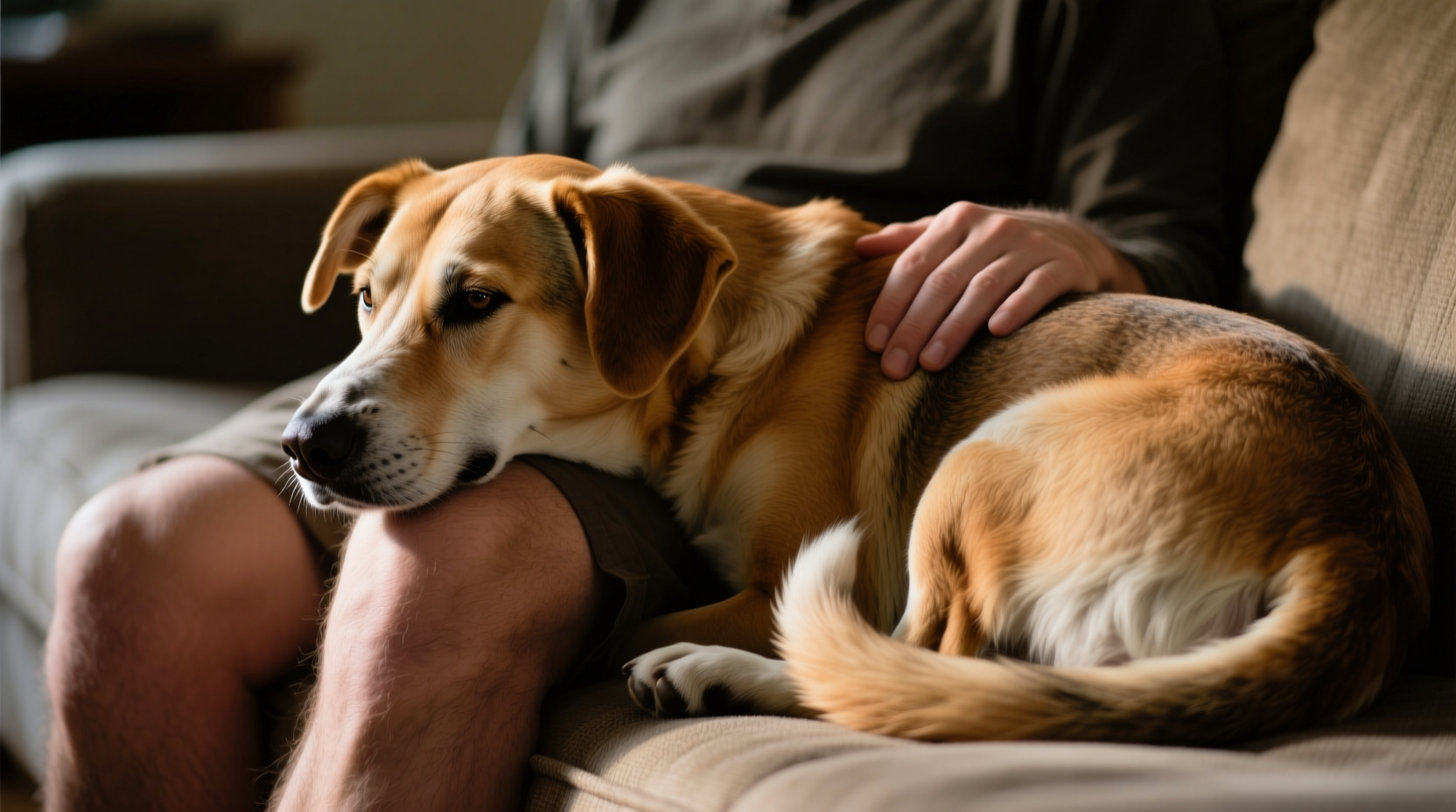
In the wild, canines rely heavily on physical contact to reinforce social bonds. Wolves huddle together for warmth and reassurance; domesticated dogs have retained this instinctual need for proximity. When your dog leans on you, they are engaging in a form of tactile communication. This behavior activates the release of oxytocin—the “love hormone”—in both humans and dogs, reinforcing mutual attachment.
Research from the University of Azabu in Japan found that when dogs and their owners gaze at each other, oxytocin levels rise significantly. Similar hormonal responses occur during physical touch, including leaning, nuzzling, and resting a paw on the owner. These small gestures aren't random—they're biologically rooted signals of trust and connection.
“Physical contact between dogs and humans serves an evolutionary purpose: strengthening the human-animal bond through neurochemical rewards.” — Dr. Brian Hare, Canine Cognition Researcher, Duke University
Affection vs. Dominance: Debunking the Myth
For years, some trainers promoted the idea that dogs leaning on people was an attempt to assert dominance—a way of claiming space or control. This belief stemmed from outdated wolf-pack theories that incorrectly applied wild animal hierarchies to domestic pets. Modern ethology (the study of animal behavior) has largely dismissed this notion.
Dominance in dogs is not expressed through casual leaning. True dominant behaviors include resource guarding, refusal to obey known commands, mounting without invitation, or aggressive posturing when challenged. Leaning, especially if gentle and accompanied by relaxed body language, rarely fits this profile.
Instead, leaning is more accurately interpreted as a **seeking of closeness**. Dogs who feel safe and bonded with their humans use touch to self-soothe and reaffirm security. It's akin to a child hugging a parent—not a challenge for authority, but a request for comfort.
Tip: Observe your dog’s overall body language. If their ears are relaxed, tail is loose, and eyes soft, leaning is likely affectionate. Tense muscles, stiff posture, or avoidance of eye contact may signal anxiety, not dominance.Common Reasons Why Dogs Lean on Their Owners
While affection is the primary driver, several specific motivations explain why your dog chooses to press against you. These reasons often overlap and vary based on context.
1. Emotional Security
Dogs are highly attuned to human emotions. During moments of household tension, loud noises, or unfamiliar environments, your dog may lean on you as a grounding mechanism. This contact helps regulate their nervous system, much like a weighted blanket calms a person with anxiety.
2. Thermoregulation
Some breeds—particularly smaller dogs or those with short coats—lean to absorb body heat. This is especially common in older dogs or those with circulation issues. In colder months, expect increased leaning as a natural effort to stay warm.
3. Attention-Seeking
If leaning gets a reaction—petting, talking, or movement—dogs quickly learn it’s an effective strategy. Over time, this becomes a conditioned behavior. While not manipulative in the human sense, it reflects intelligence and adaptability.
4. Breed-Specific Traits
Certain breeds are predisposed to close-contact behaviors. Cavalier King Charles Spaniels, Greyhounds, and Italian Greyhounds are famously known as \"velcro dogs\" due to their intense desire for physical closeness. Herding breeds like Border Collies may also lean as a way of staying connected during activity.
5. Age and Health Factors
Senior dogs or those with vision or hearing loss may lean more frequently as a navigational aid. It provides spatial awareness and reassurance that their trusted human is nearby. Arthritis or joint pain can also make standing independently uncomfortable, leading to supportive leaning.
When Leaning Might Signal a Problem
While usually benign, excessive or sudden changes in leaning behavior warrant attention. Consider the following red flags:
- New or obsessive leaning: If your dog suddenly begins leaning constantly, especially while awake or active, it could indicate pain or neurological issues.
- Leaning only on one side: This may suggest imbalance, inner ear problems, or musculoskeletal discomfort.
- Accompanied by panting, trembling, or reluctance to move: These signs point to possible illness or distress.
In such cases, a veterinary consultation is essential. Rule out medical causes before assuming behavioral intent.
“Just because a behavior looks behavioral doesn’t mean it isn’t medical. Always start with a vet check when patterns change abruptly.” — Dr. Karen Overall, Veterinary Behaviorist
How to Respond: Encouraging Healthy Attachment
Your response to leaning shapes how often and under what conditions your dog repeats the behavior. The goal isn’t to eliminate it entirely—but to ensure it remains balanced and emotionally healthy.
Step-by-Step Guide: Managing Leaning Behavior
- Assess the context: Is your dog calm or anxious? Are they seeking comfort or demanding attention?
- Respond appropriately: If affectionate, reciprocate with gentle petting. If attention-demanding, wait for them to disengage before offering interaction.
- Teach alternative behaviors: Train a “go to mat” command so your dog learns to settle nearby without constant contact.
- Set boundaries gently: Use positive redirection instead of pushing them away. Offer a cozy bed beside you as an inviting alternative.
- Maintain consistency: All family members should respond similarly to avoid confusing signals.
Checklist: Is Your Dog’s Leaning Healthy?
Use this quick checklist to evaluate whether your dog’s leaning is part of normal bonding or requires further attention:
- ✅ Leans occasionally, especially during rest or stress
- ✅ Body language is relaxed (soft eyes, wagging tail)
- ✅ Responds to cues and moves away when asked
- ✅ No signs of pain or imbalance
- ✅ Enjoys other forms of interaction (toys, walks, play)
- ❌ Leans constantly, even during activity
- ❌ Resists moving or becomes agitated when interrupted
- ❌ Shows physical symptoms (limping, trembling, drooling)
If three or more “❌” items apply, consider a professional evaluation from a veterinarian or certified canine behaviorist.
Real-Life Example: Bella the Rescue Beagle
Bella, a 4-year-old beagle adopted from a rural shelter, began leaning heavily on her new owner within days of arriving home. At first, Sarah assumed it was clinginess. But when Bella started leaning so hard she nearly knocked over a lamp, Sarah grew concerned.
After ruling out medical issues, a behavior consultant observed Bella’s routine. The leaning occurred mostly at night, after loud noises or when left alone briefly. Bella had spent her early months isolated in a backyard kennel—physical contact was foreign, then craved once safety was established.
The solution wasn’t discouragement, but structured reassurance. Sarah introduced a plush orthopedic bed right next to the couch, taught Bella a “place” command, and used calming music during storms. Within weeks, Bella still leaned—but now chose to lie beside rather than atop her owner. The behavior evolved from desperate clinging to secure bonding.
Do’s and Don’ts of Handling Leaning Behavior
| Do | Don’t |
|---|---|
| Acknowledge the behavior with calm affection when appropriate | Push or scold your dog for leaning |
| Provide a comfortable alternative spot nearby | Ignore signs of anxiety or pain associated with leaning |
| Use positive reinforcement to shape desired behavior | Reinforce excessive leaning by giving attention every time |
| Monitor changes in frequency or intensity | Assume all leaning is dominance or manipulation |
Frequently Asked Questions
Is it bad to let my dog lean on me?
Not inherently. Allowing occasional leaning strengthens your bond and supports your dog’s emotional health. However, if it becomes compulsive or interferes with daily life, set gentle boundaries using training and environmental management.
Why does my large dog lean on me but not others?
This typically indicates a stronger attachment to you. Dogs often form a primary bond with one person—their “secure base.” They may show affection differently with others, such as sitting nearby instead of direct contact.
Can leaning be trained out of a dog?
Yes, but it shouldn’t be eliminated completely unless medically necessary. Instead, redirect the behavior. For example, train your dog to rest their chin on your knee rather than their full weight on your leg. Replace the action with a more manageable version, preserving the emotional intent.
Conclusion: Leaning as a Language of Love
Your dog leaning on you is far more likely a whisper of love than a growl of control. It’s a quiet testament to the safety and trust they feel in your presence. Rather than questioning their motives, celebrate the depth of connection you’ve built—one that transcends words and lives in the simple press of fur against skin.
That said, responsible pet ownership means balancing affection with awareness. Pay attention to shifts in behavior, honor your dog’s emotional needs, and don’t hesitate to seek expert guidance when something feels off. By doing so, you ensure that every lean remains a gesture of peace, not distress.
💬 Did your dog’s leaning behavior surprise you? Share your story in the comments—your experience might help another pet owner understand their own furry companion better.








