
Dogs are often described as man’s best friend—and for good reason. Their loyalty, attentiveness, and affection make them deeply integrated into our daily lives. One of the most common yet endearing behaviors many dog owners observe is their pet following them from room to room. While this might seem like simple curiosity or boredom, it's typically rooted in deeper emotional, instinctual, and social factors. Understanding why your dog shadows your every move can deepen your bond and help you respond more empathetically to their needs.
This behavior isn't just cute—it's a window into your dog’s mind. Whether they're trotting behind you to the kitchen, waiting by the bathroom door, or curling up nearby while you work, these actions communicate trust, dependence, and love. But when does normal attachment cross into overdependence? And how can you support a healthy balance between closeness and independence?
The Evolutionary Roots of Following Behavior
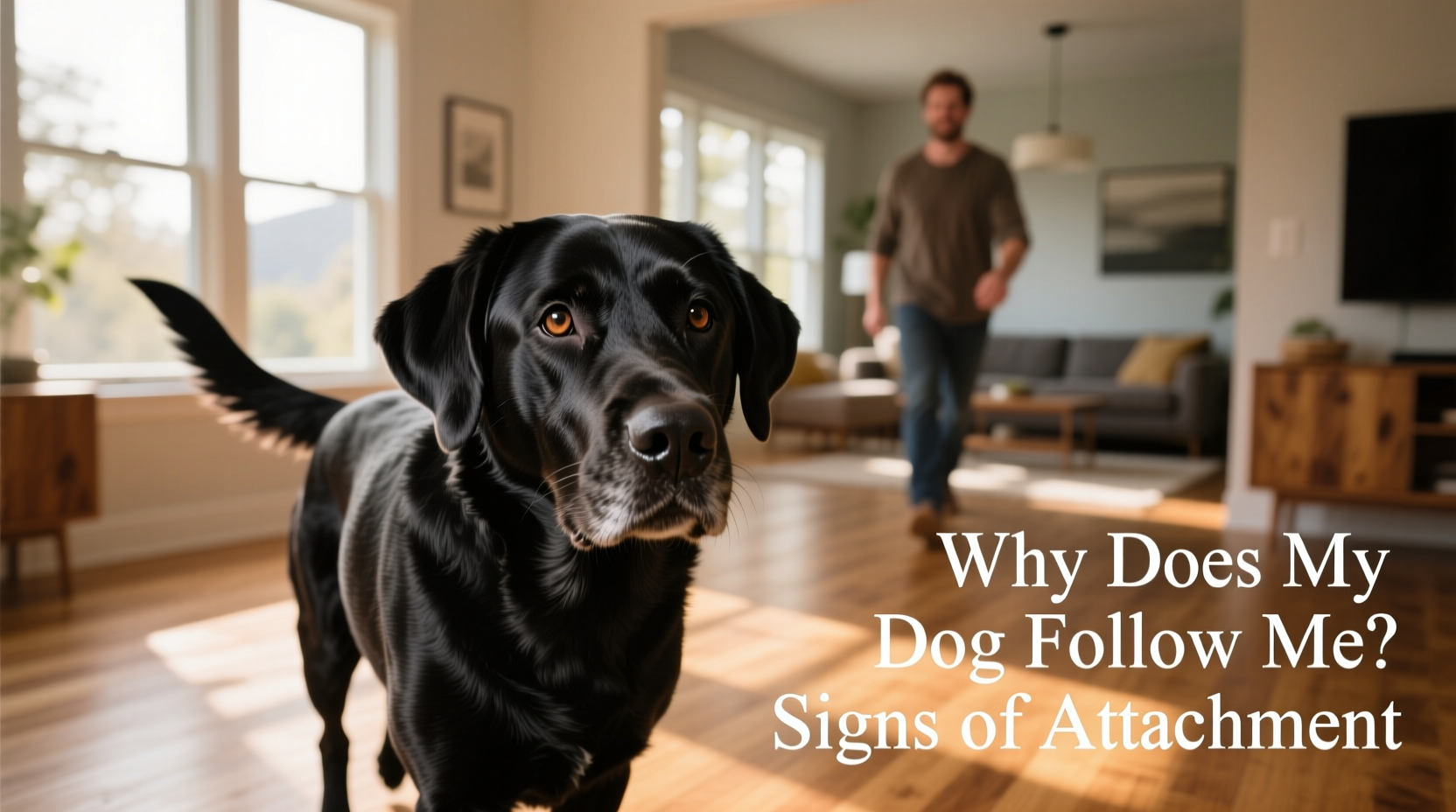
To understand why dogs follow their humans so closely, we must look back at their ancestry. Dogs evolved from wolves, pack animals that rely on tight social bonds for survival. In a wild pack, staying close to group members increases safety, improves hunting success, and strengthens alliances. When domesticated, dogs transferred this pack mentality to their human families—viewing their owners not just as providers, but as leaders and companions.
Modern dogs retain this instinct to stay near their \"pack.\" Unlike cats or some other pets, dogs are inherently social creatures who thrive on proximity. Studies in canine cognition show that dogs form secure attachments to their caregivers similar to those seen in human infants. This attachment drives them to maintain visual or physical contact, especially in unfamiliar or changing environments.
“Dogs don’t just live with us—they bond with us emotionally and cognitively. Their tendency to follow is less about obedience and more about connection.” — Dr. Brian Hare, Canine Cognition Researcher, Duke University
Signs Your Dog’s Following Is Rooted in Attachment
Not all following behavior is equal. Some dogs may trail their owners due to anxiety, while others do so out of genuine affection. Here are key signs that your dog’s behavior reflects a healthy emotional attachment:
- Relaxed body language: A wagging tail, soft eyes, and loose posture indicate comfort, not stress.
- Calming when near you: If your dog settles down quickly once in your presence, they likely feel safe with you.
- Responsive to your emotions: They may nuzzle you when you’re sad or become alert when you stand up, showing attunement to your mood.
- Seeks eye contact: Dogs in strong attachment bonds often check in visually, reinforcing connection.
- Follows without clinginess: They remain confident even if briefly separated, returning to you calmly rather than panicking.
Attachment-based following is usually consistent but flexible. The dog feels secure enough to explore independently but chooses to stay close because it’s comforting—not because they’re afraid to be alone.
Tip: Observe your dog’s body language when they follow you. Relaxed ears, open mouth, and smooth movement suggest positive motivation.When Following Becomes Overdependence
While moderate following is normal, excessive attachment can lead to separation anxiety and behavioral issues. Signs that your dog’s behavior may be problematic include:
- Pacing or whining when you try to close a door
- Refusing to eat or drink when left alone
- Excessive barking or destructive chewing in isolation
- Trembling or hiding when you prepare to leave
These symptoms suggest emotional dependency rather than healthy bonding. Dogs with separation anxiety perceive being apart from their owner as a threat, triggering stress responses akin to panic attacks. This condition doesn’t reflect poor training—it stems from deep-seated insecurity and requires compassionate intervention.
Do’s and Don’ts of Managing Overattachment
| Do’s | Don’ts |
|---|---|
| Practice short departures and returns to build confidence | Scold your dog for anxious behavior—it increases fear |
| Use puzzle toys or treat-dispensing devices during alone time | Ignore severe symptoms; seek professional help early |
| Create a safe, predictable routine | Reinforce clinginess by constantly petting or reassuring |
| Gradually increase time spent apart | Leave your dog alone for long periods without preparation |
Real-Life Example: Max the Rescue Beagle
Max, a three-year-old beagle adopted from a shelter, followed his owner Sarah everywhere—into the shower, while she brushed her teeth, even lying outside the bedroom at night. At first, she found it sweet. But when she tried working from home, Max would bark if she closed her office door. He wouldn’t eat unless she was watching and trembled during thunderstorms.
A veterinary behaviorist diagnosed mild separation-related distress. Max had bonded intensely after past instability. Through structured training—starting with leaving the room for 10 seconds and rewarding calm behavior—Sarah helped Max build confidence. She introduced a “safe zone” with a cozy bed and chew toys. Within eight weeks, Max could stay in another room for 30 minutes without distress. He still enjoys being near Sarah, but now chooses to relax independently too.
This case illustrates how attachment, while natural, can tip into overreliance when a dog lacks coping strategies. With patience and consistency, balance is achievable.
Step-by-Step Guide to Encouraging Healthy Independence
If your dog follows you constantly and shows signs of anxiety when apart, use this gradual approach to foster self-assurance:
- Establish a safe space: Designate a quiet area with a bed, water, and familiar scents. Use a crate or gated section if needed.
- Introduce departure cues positively: Pick up keys or put on shoes, then sit down instead of leaving. Repeat to break the anxiety link.
- Start with micro-separations: Step into another room for 10 seconds, then return. Reward calm behavior with praise or treats.
- Extend duration gradually: Increase absence time by 5–10 second increments only when your dog remains relaxed.
- Incorporate enrichment: Offer food puzzles or chew toys during alone time to create positive associations.
- Maintain routines: Feed, walk, and play at consistent times to reduce uncertainty.
- Avoid emotional greetings: Greet your dog calmly after absences to prevent overexcitement.
Progress may take weeks, especially for rescue dogs or those with trauma histories. The goal isn’t to discourage bonding—but to ensure it doesn’t compromise well-being.
Tip: Use a baby monitor or pet camera to observe your dog’s behavior when you're out of sight. Look for signs of relaxation versus pacing or vocalizing.Frequently Asked Questions
Is it normal for my dog to follow me to the bathroom?
Yes, it’s extremely common. Dogs are curious and protective, and bathrooms often confine you in small spaces, triggering their instinct to stay close. As long as the behavior isn’t accompanied by distress, it’s a sign of companionship, not obsession.
Should I discourage my dog from following me everywhere?
Not necessarily. Constant following isn’t harmful if your dog is relaxed and capable of independent downtime. However, if they can’t tolerate being alone or show anxiety, gentle training to build confidence is recommended.
Can following behavior indicate health problems?
Sometimes. Older dogs with cognitive decline (similar to dementia) may shadow owners due to confusion or disorientation. Sudden changes in behavior—like a previously independent dog becoming clingy—warrant a vet visit to rule out pain, vision loss, or neurological issues.
Conclusion: Embracing the Bond, Building Balance
Your dog following you from room to room is more than habit—it’s a testament to the powerful emotional connection you’ve built. In a world where loyalty is rare, this behavior reflects trust, love, and an unspoken promise of companionship. Rather than viewing it as intrusive, recognize it as one of the purest forms of devotion.
That said, the strongest relationships allow space for both closeness and independence. By understanding the roots of your dog’s attachment—whether evolutionary, emotional, or learned—you can nurture a bond that’s secure without being suffocating. Celebrate the moments they choose to be near you, and gently empower them to feel safe when apart.
Every step they take behind you is a silent “I’m with you.” Return that loyalty with mindful care, and together, you’ll walk through life in balanced harmony.
💬 Does your dog follow you everywhere? Share your story or tips in the comments—your experience could help another pet parent feel understood!








