Dogs do many things that puzzle their owners—chasing their tails, barking at invisible threats, or suddenly rolling in something foul. One of the most common yet baffling behaviors is eating grass. If you’ve ever seen your dog munching on lawn clippings during a walk and wondered, “Why?” you’re not alone. While this behavior often seems strange, it’s actually quite common among canines. The good news? In most cases, it’s completely normal. But under certain circumstances, it could signal an underlying issue. Understanding the reasons behind this habit—and knowing when to intervene—can help you keep your dog healthy and ease your own concerns.
Common Reasons Dogs Eat Grass
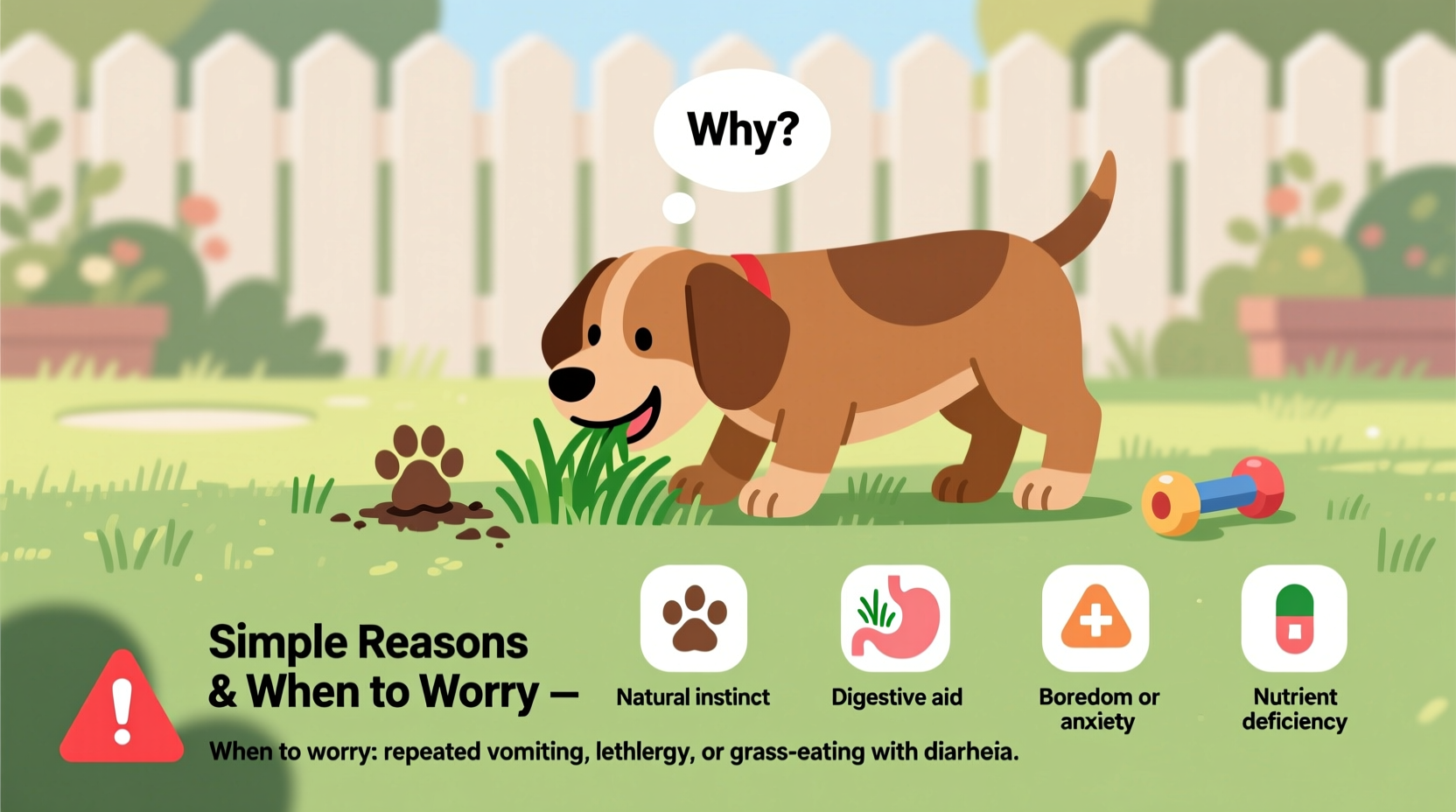
Grass consumption in dogs isn’t a new phenomenon. Studies suggest that up to 79% of dogs engage in this behavior regularly. Most veterinarians agree that occasional grass eating is typically harmless and may even be instinctual. Here are some of the most widely accepted explanations:
- Natural Instinct: Dogs are omnivores with carnivorous roots. Their wild ancestors often consumed plant material through the stomach contents of prey. Eating grass may be an evolutionary carryover—a way to supplement fiber or aid digestion.
- Dietary Supplement: Some dogs may seek out grass to fill a nutritional gap, particularly if their diet lacks sufficient fiber. Grass provides roughage, which can support intestinal motility and regulate bowel movements.
- Boredom or Anxiety: Like humans who bite their nails or chew gum, dogs may turn to grass-eating as a form of oral stimulation when they’re bored, stressed, or anxious. This is especially common in high-energy breeds left alone for long periods.
- Enjoyment: Surprisingly, some dogs simply like the taste or texture of fresh grass. Young, tender shoots can be juicy and palatable, making them appealing snacks during outdoor time.
When Grass Eating Might Signal a Problem
While grass consumption is usually benign, there are situations where it may indicate health issues. The key lies in observing patterns and accompanying symptoms. Not all grass eating is equal—context matters.
For instance, if your dog only nibbles grass occasionally and shows no other unusual behavior, there’s likely nothing to worry about. However, if the behavior becomes compulsive, happens daily, or is followed by vomiting, diarrhea, or lethargy, it may point to something more serious.
Veterinarians caution that excessive grass eating—especially when paired with attempts to induce vomiting—can sometimes be a sign of gastrointestinal distress. Conditions such as inflammatory bowel disease (IBD), parasites, or food sensitivities may cause discomfort that leads a dog to self-medicate by eating grass.
“While grass eating is normal in moderation, sudden changes in frequency or intensity should prompt a veterinary consultation, especially if digestive symptoms are present.” — Dr. Rachel Nguyen, DVM, Small Animal Internal Medicine Specialist
Signs That Warrant a Vet Visit
Monitor your dog closely after grass consumption. Seek professional advice if you notice any of the following:
- Frequent vomiting (especially with blood or bile)
- Diarrhea lasting more than 24 hours
- Loss of appetite or weight loss
- Lethargy or weakness
- Excessive drooling or gagging
- Obsessive grass-seeking behavior
Environmental Risks: What Lurking Dangers Are in the Grass?
Even if your dog’s motivation for eating grass is harmless, the grass itself might not be. Urban lawns, public parks, and even backyard turf can harbor hidden dangers that make grass consumption risky.
Pesticides, herbicides, and fertilizers are commonly used to maintain green lawns but can be toxic to dogs. Chemicals like glyphosate, organophosphates, and iron-based moss killers can cause gastrointestinal upset, neurological symptoms, or even long-term health effects with repeated exposure.
Additionally, grass in public areas may be contaminated with feces from other animals, increasing the risk of parasitic infections such as hookworms, roundworms, or giardia. These parasites can lead to diarrhea, weight loss, and poor coat condition if left untreated.
| Risk Factor | Potential Effect on Dogs | How to Reduce Risk |
|---|---|---|
| Pesticides/Herbicides | Vomiting, tremors, liver damage | Avoid chemically treated lawns; use natural alternatives at home |
| Parasite Contamination | Diarrhea, weight loss, anemia | Regular deworming; prevent access to public dog waste areas |
| Sharp Grass Seeds | Skin irritation, ear or eye injuries | Check fur after walks; groom regularly |
| Excessive Fiber Intake | Loose stools, bloating | Moderate access; ensure balanced diet |
Mini Case Study: Max, the Labrador Who Loved Lawn Snacks
Max, a three-year-old yellow Labrador, started eating grass obsessively during morning walks. His owner, Sarah, initially dismissed it as curiosity. But when Max began vomiting daily after grazing and lost weight over two weeks, she grew concerned.
She brought him to her veterinarian, who ran a fecal exam and discovered a heavy roundworm infestation. After deworming treatment and dietary adjustments, Max’s grass-eating behavior decreased significantly. Follow-up visits confirmed improved digestion and restored appetite.
This case highlights how grass eating can be a symptom rather than a standalone behavior. Without attention to accompanying signs, the root cause—parasites, in this case—might have gone undetected.
Step-by-Step Guide: What to Do If Your Dog Eats Grass
If you're unsure how to respond when your dog eats grass, follow this practical timeline to assess and act appropriately:
- Observe Frequency and Context: Is this a one-time event or a regular habit? Does it happen during walks, in the yard, or only when anxious?
- Check for Immediate Symptoms: Watch for vomiting, diarrhea, or signs of pain within the next few hours.
- Inspect the Grass Source: Was the grass treated with chemicals? Could it be contaminated with animal waste?
- Review Diet and Routine: Is your dog on a balanced diet? Are they getting enough mental and physical stimulation?
- Limit Access if Needed: Use leashes in high-risk areas or supervise outdoor time to prevent uncontrolled grazing.
- Consult a Veterinarian: If behavior persists or worsens, schedule an appointment to rule out medical causes.
Prevention and Management Checklist
To help minimize unnecessary grass consumption and ensure your dog’s safety, use this actionable checklist:
- ✅ Feed a high-quality, fiber-balanced diet approved by your vet
- ✅ Provide daily mental enrichment (puzzle toys, training games)
- ✅ Increase exercise based on breed and energy level
- ✅ Avoid using chemical lawn treatments in your yard
- ✅ Practice basic obedience commands like “leave it” and “come”
- ✅ Schedule routine deworming and fecal exams (at least annually)
- ✅ Monitor grass-eating habits and document changes
Frequently Asked Questions
Is it normal for dogs to vomit after eating grass?
Occasionally, yes. Some dogs eat grass to trigger vomiting if they feel nauseous or have an upset stomach. However, if vomiting happens regularly—even without grass consumption—it’s important to consult a vet to rule out chronic gastrointestinal issues.
Can eating grass cause intestinal blockages?
It’s rare, but possible. Long blades of tough grass can clump in the stomach, especially if consumed in large amounts. More commonly, the concern isn’t the grass itself but foreign objects (like foxtails or seeds) that may be embedded in it. These can migrate into nasal passages, ears, or paws and require medical removal.
Should I stop my dog from eating grass completely?
No—unless it’s frequent, obsessive, or occurs in unsafe areas. Occasional grass eating is natural and generally harmless. Instead of stopping the behavior entirely, focus on ensuring the grass is safe and that your dog’s overall health and environment support well-being.
Final Thoughts: Knowing When to Relax and When to Act
Dogs eat grass for a variety of reasons—many of which are perfectly normal. From instinctual drives to simple enjoyment, this behavior is part of canine nature. For most dogs, it poses no threat and requires no intervention. The real skill lies in observation: learning your dog’s baseline habits so you can spot meaningful changes.
The presence of grass in your dog’s diet isn’t the issue—it’s the pattern, context, and associated symptoms that matter. By staying informed, providing a safe environment, and partnering with your veterinarian when needed, you can confidently distinguish between quirky habits and genuine health concerns.
💬 Have a story about your dog and grass-eating? Share your experience in the comments—your insight could help another pet owner feel less alone.








