Dog owners often pause mid-walk, puzzled, as their pet suddenly drops to the ground and starts munching on grass. It’s a common behavior—some dogs nibble gently, others devour handfuls like they’ve been deprived of greens for weeks. While it may seem odd, grass-eating in dogs is widespread across breeds, ages, and environments. But what drives this behavior? Is it instinctual, nutritional, or a signal of underlying health issues? More importantly, should you intervene?
Understanding why dogs eat grass requires looking at both behavioral and biological factors. The answer isn’t always straightforward, but research and veterinary observations provide valuable insights. In most cases, occasional grass consumption is harmless and even normal. However, context matters—frequency, accompanying symptoms, and the type of grass ingested can all influence whether intervention is necessary.
The Science Behind Canine Grass Consumption
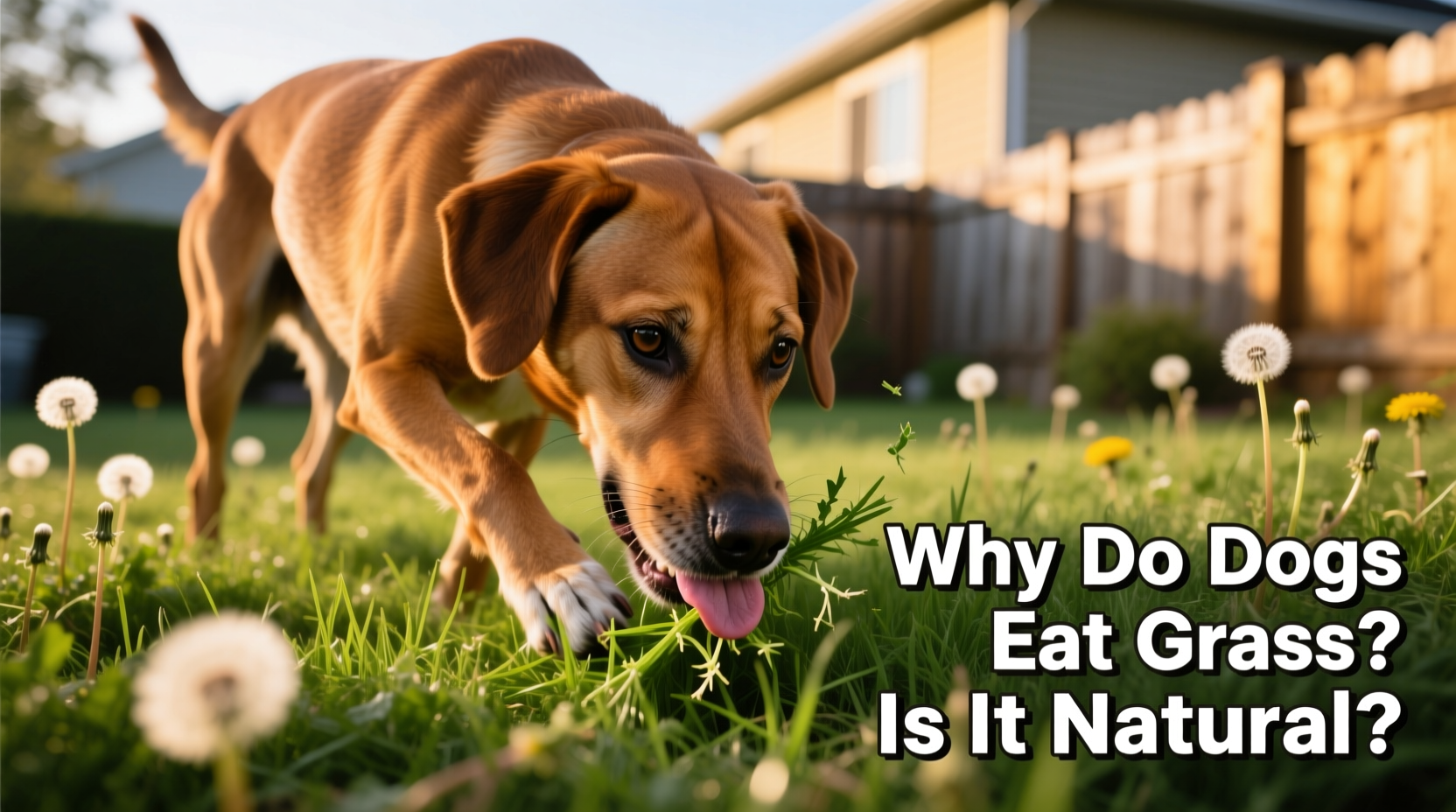
Despite decades of observation, there’s no single explanation for why dogs eat grass. Researchers have explored multiple theories, ranging from evolutionary instincts to dietary deficiencies. One landmark study published in Applied Animal Behaviour Science observed over 1,500 dogs and found that 79% had eaten grass at least once in their lives, with only 9% showing signs of illness beforehand. This suggests that grass-eating is not primarily a response to sickness.
One prevailing theory is rooted in evolution. Dogs are omnivores with carnivorous ancestry, but their digestive systems have adapted to process plant matter. In the wild, canids like wolves often consume the stomach contents of herbivores, which include grasses and other vegetation. Eating grass may therefore be an inherited behavior—a way for domestic dogs to mimic ancestral feeding patterns.
Another hypothesis focuses on fiber intake. Dogs fed highly processed commercial diets might seek out grass to supplement their fiber levels. Fiber aids digestion and can help regulate bowel movements. Some veterinarians suggest that dogs instinctively recognize when their gut motility slows and use grass as a mild laxative or digestive aid.
“Grass eating in dogs is generally considered a normal behavior. Unless it's excessive or associated with vomiting, diarrhea, or lethargy, it rarely indicates a medical problem.” — Dr. Karen Becker, Integrative Veterinarian
Common Reasons Dogs Eat Grass
While no one reason explains every case, several well-documented motivations contribute to this behavior:
- Dietary supplementation: A lack of roughage or certain micronutrients may prompt dogs to seek out plant material.
- Digestive regulation: Grass can stimulate intestinal movement and help expel parasites or indigestible materials.
- Boredom or anxiety: Like humans who bite their nails, some dogs chew grass out of stress or lack of stimulation.
- Taste preference: Fresh spring grass has a sweet, juicy texture that many dogs find appealing.
- Instinctual scavenging: Dogs are opportunistic feeders; grazing fits within their natural foraging repertoire.
When Grass-Eating Becomes a Concern
Occasional grass consumption is typically nothing to worry about. However, red flags arise when the behavior becomes compulsive or coincides with physical symptoms. Watch for these warning signs:
- Eating grass multiple times a day, especially aggressively
- Vomiting immediately after ingestion (particularly if frequent)
- Diarrhea, weight loss, or changes in appetite
- Lethargy or discomfort following grass consumption
- Consumption of chemically treated lawns or toxic plants
If your dog regularly eats grass and vomits afterward, it doesn’t necessarily mean the grass caused the vomiting. In many cases, dogs vomit first due to gastrointestinal upset and then eat grass in response. Alternatively, the act of eating fibrous grass may induce vomiting as a self-correcting mechanism to relieve nausea.
A more serious concern involves exposure to pesticides, herbicides, or fertilizers. Many lawn treatments contain chemicals toxic to dogs, such as organophosphates or glyphosate. Even small amounts ingested via grass can lead to poisoning. Similarly, some ornamental plants commonly found in yards—like lilies, azaleas, or oleander—are highly toxic and must be avoided.
Do’s and Don’ts of Managing Grass-Eating Behavior
| Do’s | Don’ts |
|---|---|
| Provide safe outdoor access to untreated grass | Allow grazing on chemically treated lawns |
| Monitor frequency and post-grazing behavior | Punish or scold your dog for eating grass |
| Offer high-fiber treats or supplements if diet is low in roughage | Assume vomiting is always caused by grass |
| Consult a vet if behavior changes suddenly | Ignore signs of poisoning or chronic illness |
| Use positive redirection with toys or walks | Use aversive training techniques |
Real-Life Example: Bella the Labrador
Bella, a three-year-old Labrador Retriever, began eating grass obsessively every morning during her walk. Her owner, Sarah, noticed she would pull toward patches of lawn and gulp down large amounts, sometimes followed by vomiting. Concerned, Sarah recorded a week of Bella’s behavior and brought the notes to her veterinarian.
After a physical exam and dietary review, the vet determined Bella was otherwise healthy. Her commercial kibble was low in fiber, and she spent long hours alone at home—prime conditions for boredom-related grazing. The vet recommended switching to a higher-fiber diet and increasing mental stimulation through puzzle toys and longer walks.
Within two weeks, Bella’s grass consumption decreased significantly. She still nibbled occasionally, especially in spring, but no longer gorged herself or vomited. The case highlights how environmental and dietary adjustments—not suppression of natural behavior—can resolve problematic patterns.
How to Respond: A Step-by-Step Guide
If you're unsure how to handle your dog’s grass-eating, follow this practical sequence to assess and respond appropriately:
- Observe without interfering: Note when, where, and how often your dog eats grass. Is it casual or frantic? Does it happen on walks, in the yard, or when left alone?
- Check for symptoms: Look for vomiting, diarrhea, drooling, or signs of abdominal pain before or after grass consumption.
- Inspect the environment: Ensure your lawn and walking routes are free of pesticides, herbicides, and toxic plants.
- Evaluate the diet: Consult your vet about whether your dog’s food provides adequate fiber and nutrients. Consider adding pumpkin, psyllium husk, or a vet-approved supplement.
- Increase enrichment: Offer chew toys, food puzzles, or extra play sessions to reduce boredom-driven behaviors.
- Redirect gently: If grass-eating escalates, use commands like “leave it” and reward with a treat or toy to shift focus.
- Seek veterinary advice: If changes persist or health declines, schedule a check-up to rule out gastrointestinal disorders, parasites, or metabolic issues.
Frequently Asked Questions
Is it normal for puppies to eat grass?
Yes. Puppies explore the world through their mouths, and grass is readily available. As long as the grass is clean and untreated, occasional chewing is normal. However, monitor for choking hazards or ingestion of contaminants.
Can eating grass make my dog sick?
Grass itself is not toxic, but risks come from what’s on it. Chemicals, feces from other animals, or parasitic larvae in soil can cause illness. Additionally, sharp blades of dry grass may irritate the throat or digestive tract if consumed in excess.
Should I prevent my dog from eating grass completely?
No. Unless your dog is consuming dangerous substances or exhibiting compulsive behavior, there’s no need to stop them. Forcing abstinence may increase anxiety. Instead, manage the environment and address root causes like diet or boredom.
Supporting Your Dog’s Natural Instincts Safely
Dogs are complex animals whose behaviors often blend instinct, environment, and individual personality. Eating grass falls into a gray zone—it’s not essential for survival, yet it persists across populations and contexts. Rather than viewing it as a flaw to correct, consider it a window into your dog’s internal state.
Some dogs eat grass because they enjoy it. Others do so to soothe an upset stomach or fulfill a nutritional gap. The key is discernment: understanding when it’s routine and when it signals imbalance. By providing a balanced diet, enriching environment, and chemical-free outdoor space, you support your dog’s well-being while allowing natural behaviors to unfold safely.
Remember, dogs don’t read human concerns about \"weird\" habits. To them, grazing is just another part of life—one that’s been practiced for generations. Our role isn’t to eliminate instinct but to guide it wisely.
“Behavior is communication. When a dog eats grass, they’re not being strange—they’re responding to something. Our job is to listen.” — Dr. Ian Dunbar, Veterinary Behaviorist
Final Thoughts and Action Steps
So, should you stop your dog from eating grass? In most cases, the answer is no. It’s a natural, often harmless behavior rooted in biology and environment. However, vigilance matters. Know what your dog is consuming, watch for changes in pattern or health, and take proactive steps to ensure safety.
Start today by auditing your dog’s diet and outdoor spaces. Introduce fiber if needed, eliminate chemical exposures, and enrich their daily routine. If uncertainty remains, consult a veterinarian—not to pathologize a normal act, but to rule out hidden issues and gain peace of mind.
💬 Have a story about your dog and grass-eating? Share your experience in the comments below. Your insight could help another pet owner understand this curious habit better.








