
Dogs eating grass is a familiar sight for many pet owners. Whether it happens occasionally or daily, the behavior often raises eyebrows—and questions. Is it normal? Could it signal illness? Should you intervene? While grass consumption in dogs is generally harmless, understanding the underlying causes can help distinguish between routine behavior and signs of concern. This article explores the science, psychology, and practical aspects behind why dogs eat grass, outlines when it’s safe, and identifies red flags that warrant veterinary attention.
Common Reasons Dogs Eat Grass
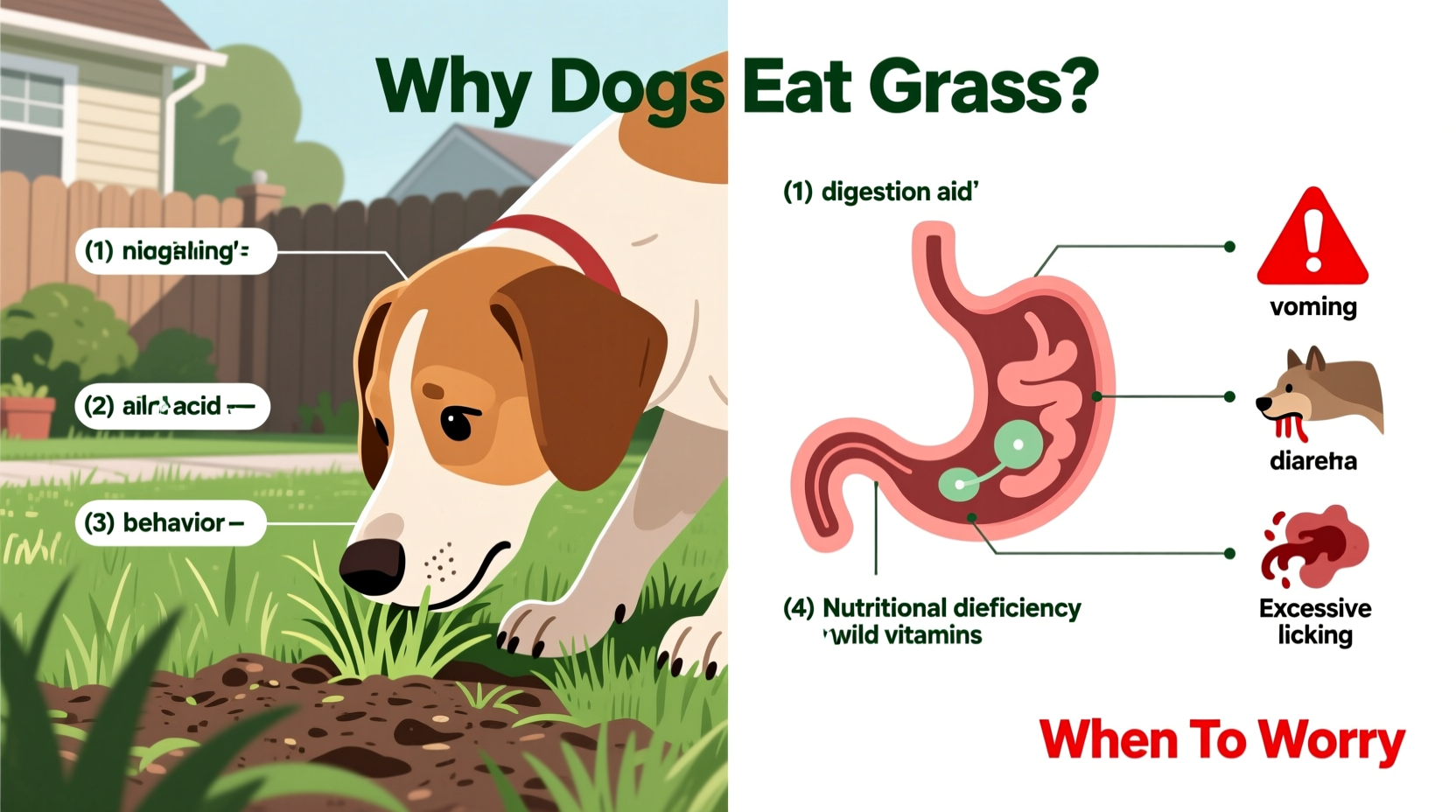
Grass-eating, known scientifically as *pica* when referring to non-food item consumption, is widespread among domestic dogs. Unlike obligate carnivores such as cats, dogs are omnivorous scavengers by nature. Their evolutionary background includes consuming plant matter found in prey stomachs or foraged from the environment. This predisposition helps explain why grass nibbling isn’t inherently alarming.
Several behavioral and physiological factors contribute to this habit:
- Natural Instinct: Wild canids consume vegetation through the digestive tracts of herbivorous prey. Domestic dogs retain this instinct, leading them to graze on available greenery.
- Dietary Supplement: Some experts suggest dogs may seek fiber or micronutrients missing in their diet. Though commercial dog foods are nutritionally complete, individual needs vary.
- Upset Stomach Relief: A long-standing theory posits that dogs eat grass to induce vomiting when feeling nauseated. However, studies show only a small percentage actually vomit afterward.
- Boredom or Anxiety: Dogs left alone for long periods may chew grass out of stress or lack of stimulation, similar to other compulsive behaviors.
- Taste and Texture Preference: Fresh spring grass has a mild, sweet taste. Many dogs simply enjoy the sensation of chewing it.
When Grass-Eating Is Not a Concern
In most cases, dogs eating grass is a benign behavior with no medical consequence. Research published in the journal Applied Animal Behaviour Science followed over 1,500 dogs and found that 79% had eaten grass at least once in the previous year, with only 9% appearing unwell beforehand and 22% vomiting afterward. These statistics support the idea that grass consumption is not primarily linked to illness.
Signs that your dog’s grass-eating is likely harmless include:
- Eating grass casually during walks or in the yard
- No immediate vomiting or distress
- Normal appetite, energy levels, and bowel movements
- No history of ingesting toxic substances
- Access to untreated, chemical-free lawns
Many veterinarians agree that if a dog is otherwise healthy, occasional grass consumption doesn’t require intervention. Dr. Karen Becker, a proactive veterinarian and animal health advocate, notes:
“Dogs eating grass is typically a normal, instinctive behavior. Unless it's excessive or accompanied by illness, there's usually no cause for alarm.” — Dr. Karen Becker, DVM
When to Worry: Red Flags and Health Risks
While grass itself isn't toxic, certain patterns or contexts can signal underlying problems. Pet owners should monitor frequency, behavior, and environmental exposure closely.
Warning Signs That Warrant a Vet Visit
- Frequent or Obsessive Grass Eating: If your dog repeatedly seeks out grass, especially to the point of ignoring food or commands, it may indicate gastrointestinal discomfort or anxiety.
- Immediate Vomiting After Consumption: Occasional vomiting isn’t unusual, but regular post-grass vomiting suggests nausea, acid reflux, or intestinal irritation.
- Changes in Appetite or Weight Loss: A sudden disinterest in meals or unexplained weight drop alongside grass eating could point to parasites, inflammatory bowel disease, or pancreatitis.
- Lethargy or Diarrhea: Systemic symptoms combined with grass consumption may indicate infection or toxicity.
- Consumption of Treated Lawns: Grass exposed to pesticides, herbicides, or fertilizers poses serious health risks. Chemical ingestion can lead to poisoning, manifesting as drooling, tremors, or seizures.
A particularly dangerous scenario involves dogs eating grass in public parks or neighbors’ yards where chemicals may be used without disclosure. Even “organic” treatments can be harmful if improperly applied.
Rare but Serious Conditions Linked to Pica
Persistent grass-eating can sometimes reflect deeper medical issues:
- Gastrointestinal Parasites: Worms like roundworms or hookworms irritate the gut lining, potentially prompting grass consumption as a self-soothing mechanism.
- Anemia: Iron deficiency may drive unusual cravings, including plant material.
- Exocrine Pancreatic Insufficiency (EPI): Dogs with EPI fail to digest food properly, leading to malnutrition and odd eating habits.
- Behavioral Disorders: Compulsive licking or chewing, including grass, may stem from anxiety, OCD-like conditions, or lack of mental stimulation.
Environmental and Safety Considerations
The safety of grass consumption depends heavily on what’s on or around it. Urban and suburban environments often expose dogs to hidden hazards.
| Hazard Type | Common Sources | Health Risk |
|---|---|---|
| Pesticides | Lawn care products, weed killers | Nausea, neurological damage, organ failure |
| Fertilizers | Synthetic nitrogen blends, compost | Gastroenteritis, bloat, toxicity |
| Parasite Eggs | Feces-contaminated soil (e.g., roundworms) | Intestinal infection, zoonotic risk |
| Foreign Objects | Glass shards, plastic, sharp twigs in grass | Mouth or digestive tract injury |
To minimize risks, avoid letting your dog graze in areas treated with chemicals. Opt for organic lawn care at home, or designate a chemical-free patch for safe browsing. Always clean your dog’s paws after walks to prevent ingestion of residues during grooming.
Tip: If you suspect chemical exposure, rinse your dog’s mouth gently with water and contact your vet immediately—even asymptomatic exposure can be dangerous.Real-Life Example: Max the Labrador’s Sudden Grass Craving
Max, a 4-year-old Labrador Retriever, began eating grass obsessively every morning during his walk. His owner, Sarah, initially dismissed it as curiosity. But when Max started vomiting yellow bile weekly and lost interest in breakfast, she consulted her veterinarian.
After a physical exam and blood work, Max was diagnosed with mild gastritis caused by an empty stomach overnight. The vet recommended a small bedtime snack to buffer stomach acid. Within days, Max’s grass-eating decreased significantly, and vomiting ceased.
This case illustrates how a seemingly minor habit can reflect a manageable medical issue. Early intervention prevented progression to more serious digestive complications.
How to Respond: Practical Steps for Dog Owners
If your dog eats grass, your response should depend on context and frequency. Use this checklist to assess and act appropriately:
Grass-Eating Response Checklist
- ✅ Observe the behavior: Is it occasional or compulsive?
- ✅ Check for vomiting: Does it happen regularly after grass consumption?
- ✅ Evaluate diet: Is your dog on a balanced, high-quality food appropriate for their age and size?
- ✅ Inspect the environment: Are lawns treated with chemicals? Are there potential toxins nearby?
- ✅ Monitor overall health: Look for changes in appetite, stool quality, energy, or weight.
- ✅ Consult your vet if: Symptoms persist, worsen, or are accompanied by illness.
For dogs who seem to crave grass due to dietary gaps, consider adding fiber-rich dog-safe vegetables like pumpkin or steamed greens to their meals. Always introduce new foods gradually.
Behavioral strategies can also help. Increase mental stimulation through puzzle toys, training sessions, or longer walks. For anxious dogs, calming aids like pheromone diffusers or structured routines may reduce stress-related grazing.
Frequently Asked Questions
Is it normal for puppies to eat grass?
Yes, puppies often explore the world orally, including tasting grass. As long as they aren’t ingesting large amounts or showing signs of illness, it’s typically part of normal development. Monitor for parasites, which are more common in young dogs.
Can eating grass cause worms?
Grass itself doesn’t contain worms, but it can carry parasite eggs from infected animal feces in the soil. Hookworms and roundworms are commonly transmitted this way. Regular deworming and preventing access to contaminated areas reduce risk.
Should I stop my dog from eating grass?
Not necessarily. If the behavior is infrequent and your dog is healthy, stopping it isn’t urgent. However, discourage it in chemically treated areas or if it leads to vomiting or distress. Redirecting with a toy or treat can help break obsessive habits.
Conclusion: Know Your Dog, Trust Your Instincts
Dogs eating grass is a common, usually harmless behavior rooted in biology, taste, and environment. Most dogs do it without consequence, and many never vomit or show signs of discomfort. However, as a responsible pet owner, staying observant is key. Sudden changes in eating habits, persistent vomiting, or exposure to toxins should prompt timely veterinary evaluation.
Understanding the difference between normal grazing and problematic pica empowers you to make informed decisions. Your dog relies on you not just for food and shelter, but for nuanced care that considers both body and mind.
💬 Have a story about your dog and grass-eating? Share your experience or questions in the comments—your insight could help another pet owner feel more confident and informed.








