
Dog owners often witness their pets grazing on grass like sheep—sometimes followed by an uncomfortable scene: vomiting. This behavior sparks concern, confusion, and a flood of questions. Is your dog sick? Trying to self-medicate? Or simply enjoying a green snack? The internet is rife with speculation, but what does science say? Understanding the truth behind why dogs eat grass—and whether vomiting afterward is normal—requires separating myth from fact. This article explores veterinary research, behavioral insights, and real-world observations to help you make informed decisions about your dog’s health.
The Grass-Eating Phenomenon: How Common Is It?
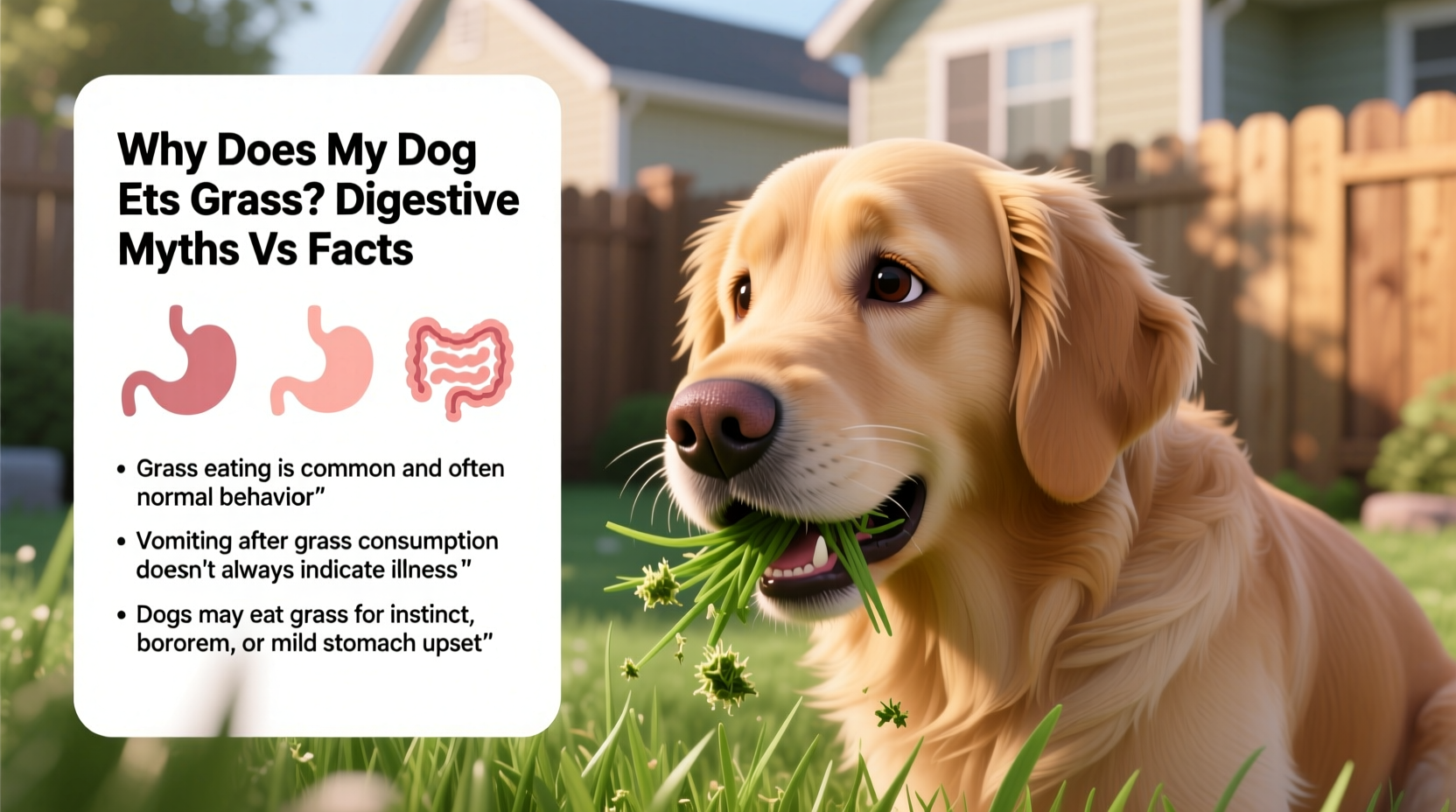
Grass consumption among domestic dogs is far more common than many realize. A 2007 study published in *Applied Animal Behaviour Science* surveyed over 47,000 dog owners and found that approximately 79% of dogs regularly eat grass. Only about 22% of those dogs consistently showed signs of illness before grazing, and fewer than 9% were seen vomiting afterward. These statistics suggest that grass eating is not inherently linked to sickness or gastrointestinal distress.
Despite this, many pet owners assume their dog is trying to \"induce vomiting\" when they see them nibbling lawn blades. This belief persists as a popular myth, reinforced by anecdotal experiences and outdated assumptions about canine instincts.
Tip: Occasional grass eating without distress is typically normal. Monitor frequency and accompanying symptoms rather than reacting immediately.Myth vs. Fact: Debunking Common Beliefs
Let’s examine some widespread misconceptions about dogs eating grass and follow up with evidence-based conclusions.
| Myth | Fact |
|---|---|
| Dogs eat grass to make themselves vomit when feeling unwell. | Most dogs eat grass without getting sick; vomiting is not the goal and occurs infrequently. |
| Grass eating indicates a dietary deficiency. | No scientific evidence supports this claim in healthy dogs on balanced diets. |
| Puppies eat grass more due to curiosity or poor digestion. | Puppies do explore orally, but adult dogs also graze—often without issues. |
| All grass is dangerous due to pesticides or parasites. | Risk exists only if grass is chemically treated or contaminated—otherwise, it's generally safe. |
The data shows that grass consumption is a natural, instinctive behavior. Some researchers believe it may be an inherited trait from wild canids, such as wolves and coyotes, who consume plant material found in the stomachs of herbivorous prey. In other words, eating grass might not be about the grass itself—but part of a broader omnivorous adaptation.
Why Do Dogs Eat Grass? Possible Explanations
Veterinarians and animal behaviorists offer several plausible reasons for this behavior, none of which necessarily indicate poor health.
1. Natural Instinct and Evolutionary Behavior
Dogs are classified as carnivores, but they are biologically omnivorous. Their digestive systems can process plant matter, and ancestral diets included vegetation via prey gut contents. Eating grass could be a remnant of this evolutionary pattern—a hardwired tendency rather than a symptom of imbalance.
2. Dietary Enrichment and Fiber Intake
While commercial dog foods provide complete nutrition, some dogs may seek additional fiber for mild digestive regulation. Grass acts as a natural roughage, potentially aiding motility. However, this doesn’t mean your dog lacks fiber—just that they may enjoy the sensation of chewing fibrous plants.
3. Behavioral and Psychological Factors
Boredom, anxiety, or attention-seeking can trigger grass eating. Dogs confined to small yards or left alone for long periods may graze out of habit or stress relief. In these cases, the behavior is less about digestion and more about mental stimulation—or lack thereof.
4. Taste and Texture Preference
Some dogs simply like the taste or texture of fresh grass, especially in spring when it’s tender and juicy. Just as humans enjoy crunchy vegetables, dogs may find grass satisfying to chew.
“Grass eating in dogs is usually a benign behavior. Unless it’s excessive or paired with illness, there’s little reason for concern.” — Dr. Karen Becker, Integrative Veterinarian
When Vomiting After Grass Eating Is a Red Flag
While occasional vomiting after grass consumption isn’t automatically alarming, certain patterns warrant closer attention. Not all vomiting is created equal—context matters.
If your dog eats grass and vomits once, then resumes normal activity, hydration, and appetite, it’s likely an isolated incident. But if vomiting becomes frequent, forceful, or is accompanied by other symptoms, it may signal an underlying condition.
Warning Signs That Require Veterinary Evaluation
- Vomiting multiple times in a day or over consecutive days
- Lethargy, loss of appetite, or diarrhea
- Visible discomfort during or after grass eating
- Consumption of large quantities of grass rapidly
- Presence of blood in vomit or stool
- Attempts to eat non-food items (e.g., dirt, plastic, feces)
In rare cases, compulsive grass eating combined with vomiting could point to gastrointestinal disorders such as inflammatory bowel disease (IBD), pancreatitis, or intestinal parasites. Pica—a condition where animals eat non-nutritive substances—may also manifest through excessive plant consumption.
Real Example: Max the Labrador
Max, a 3-year-old Labrador Retriever, began eating grass aggressively every morning and often vomited shortly after. His owner initially dismissed it as a quirky habit. But when Max started losing weight and avoiding meals, a vet visit revealed he had giardia, a parasitic infection causing nausea and intestinal irritation. After treatment, the grass-eating behavior stopped entirely. This case illustrates how vomiting post-grazing can sometimes be a clue—not the cause—of deeper health issues.
Safe Practices for Dog Owners: A Step-by-Step Guide
If your dog enjoys grass, you don’t need to stop them outright. Instead, manage the behavior safely and proactively. Follow this timeline to assess and respond appropriately:
- Observe Frequency and Context (Days 1–7): Track when your dog eats grass—is it daily? After meals? During walks? Note any patterns.
- Monitor for Symptoms (Ongoing): Watch for vomiting, diarrhea, lethargy, or changes in appetite. Keep a simple log.
- Evaluate Diet Quality (Day 5): Ensure your dog is on a high-quality, species-appropriate diet. Consult your vet about fiber content if concerned.
- Assess Environmental Factors (Day 10): Is your dog bored or anxious? Increase exercise, introduce puzzle toys, or consider behavioral training.
- Schedule a Wellness Check (Day 14): If vomiting persists or worsens, schedule a vet appointment including fecal testing and blood work if needed.
- Implement Safety Measures (Ongoing): Avoid letting your dog graze in areas treated with pesticides, herbicides, or contaminated by animal waste.
Checklist: Is Your Dog’s Grass-Eating Behavior Normal?
Use this quick-reference checklist to evaluate your dog’s habits:
- ✅ Eats grass occasionally, without urgency
- ✅ Shows no signs of illness before or after
- ✅ Vomits rarely, if at all
- ✅ Maintains normal energy and appetite
- ✅ Has regular, healthy bowel movements
- ✅ Grazes on untreated, chemical-free lawns
If all boxes are checked, your dog is likely just expressing natural behavior. If multiple items are unchecked, consult your veterinarian.
Frequently Asked Questions
Is it dangerous for dogs to eat grass?
Not inherently. Grass itself is not toxic to dogs. The risk comes from exposure to pesticides, fertilizers, or contaminated soil. Always ensure your dog grazes in clean environments. If your dog eats grass obsessively or vomits frequently, further investigation is warranted.
Should I stop my dog from eating grass?
For most dogs, there’s no need to intervene. Preventive measures should focus on safety—not suppression. Discourage access to chemically treated lawns, and redirect compulsive behaviors with enrichment activities. Punishment or forceful deterrence is unnecessary and counterproductive.
Can grass help my dog’s digestion?
There’s limited evidence that grass aids digestion directly. While fiber may support gut motility, dogs don’t require grass for digestive health. If your dog has chronic GI issues, address the root cause with veterinary guidance rather than assuming grass will fix it.
Conclusion: Know the Signs, Trust the Science
Dogs eating grass and occasionally vomiting afterward is a common, usually harmless behavior rooted in biology, not pathology. While myths persist about self-induced vomiting or nutritional gaps, the reality is far less dramatic. Most dogs graze out of instinct, preference, or mild curiosity—not distress.
That said, vigilance matters. As a responsible pet owner, your role isn’t to eliminate natural behaviors but to observe, understand, and act when something feels off. When vomiting becomes routine or is paired with other symptoms, it’s time to seek professional insight. With proper care, environmental safety, and awareness, you can let your dog enjoy the occasional blade of grass—without worry.
💬 Have a story about your dog and grass-eating habits? Share your experience in the comments to help fellow pet owners navigate this common canine quirk.








