
Dogs eating grass is a familiar sight for many pet owners. Whether it happens in the backyard, during a walk, or in the middle of play, seeing your dog munch on blades of grass can prompt concern. Is it normal? Could it be a sign of illness? And most importantly—could the grass itself be toxic? This article explores the science and behavior behind canine grass consumption, separates myth from fact, and provides practical guidance on when to intervene and how to protect your dog.
Common Reasons Dogs Eat Grass
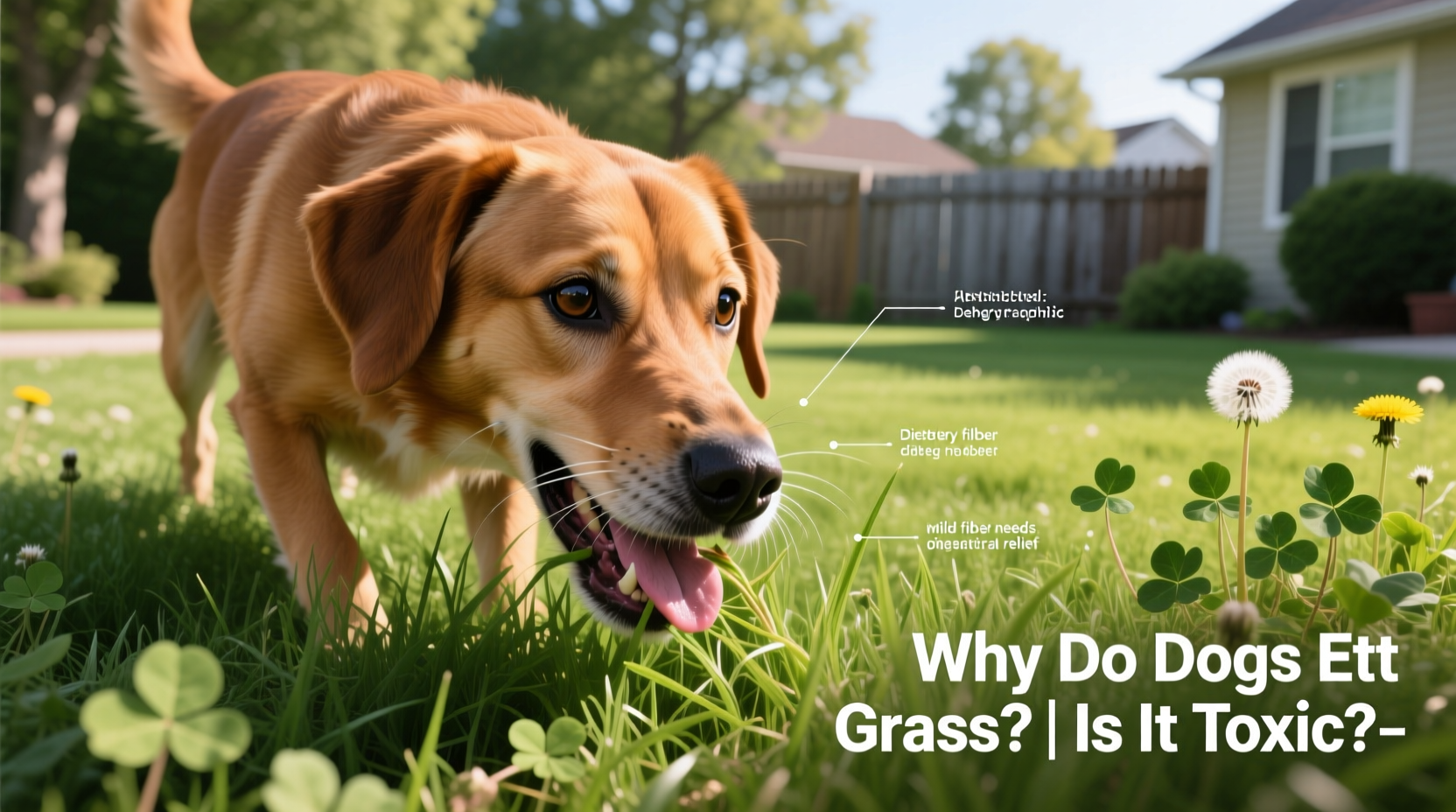
Dogs are natural scavengers with curious palates. While they are primarily carnivores by ancestry, modern domesticated dogs have adapted to omnivorous diets. Eating grass falls within this behavioral spectrum. Research and veterinary observation suggest several plausible explanations:
- Nutritional instinct: Some dogs may consume grass to supplement fiber or micronutrients missing in their diet. Grass contains roughage that aids digestion, especially in dogs fed highly processed kibble.
- Digestive aid: Grass can act as a natural laxative or induce vomiting when a dog feels gastrointestinal discomfort. In some cases, dogs eat grass deliberately to clear an upset stomach.
- Boredom or anxiety: Behavioral factors like under-stimulation or stress can lead dogs to engage in grass-eating as a form of displacement activity.
- Instinctual carryover: Wild canids often consume plant matter found in the stomachs of prey animals. This inherited trait may explain why domestic dogs still show interest in vegetation.
- Taste preference: Not all grass-eating is medically driven. Some dogs simply enjoy the taste or texture of fresh spring grass.
A 2007 study published in *Applied Animal Behaviour Science* surveyed over 1,500 dog owners and found that 79% of dogs had been observed eating grass, with fewer than 10% showing signs of illness beforehand. The majority did not vomit afterward, suggesting grass consumption is generally a normal, non-pathological behavior.
Tip: If your dog eats grass daily without vomiting or distress, it’s likely a harmless habit. Monitor for sudden changes in frequency or accompanying symptoms.When Grass-Eating Signals a Health Problem
While occasional grass consumption is normal, certain patterns warrant closer attention. Sudden, excessive, or compulsive grass-eating—especially when paired with other symptoms—can indicate underlying medical issues.
Warning signs include:
- Frequent vomiting after eating grass
- Diarrhea, lethargy, or loss of appetite
- Excessive drooling or gagging
- Obsessive grazing behavior (e.g., eating large quantities rapidly)
- Attempts to eat non-grass plants or mulch
These behaviors may point to gastrointestinal disorders such as inflammatory bowel disease, parasites, or pancreatitis. In some cases, dogs with pica—a condition involving the consumption of non-food items—may ingest grass compulsively due to nutritional deficiencies (e.g., anemia from iron deficiency) or behavioral disorders.
“Grass-eating alone isn’t a red flag, but when combined with vomiting, weight loss, or behavioral changes, it should prompt a veterinary evaluation.” — Dr. Lena Torres, DVM, Small Animal Internist
Toxicity Risks: What Makes Grass Dangerous?
The grass itself is rarely toxic. However, what’s on or around the grass can pose serious health threats. Urban and suburban lawns are frequently treated with chemicals that are harmful—or even deadly—to dogs.
| Toxin Type | Common Sources | Potential Effects in Dogs |
|---|---|---|
| Herbicides (weed killers) | Lawn sprays, granular treatments | Vomiting, diarrhea, tremors, liver damage |
| Insecticides (pest control) | Ant baits, grub control products | Neurological symptoms, seizures, respiratory distress |
| Fertilizers | Synthetic nitrogen-based blends | Gastrointestinal irritation, bloat, chemical burns |
| Organic contaminants | Dog/cat feces, rotting compost, moldy mulch | Parasites (e.g., roundworms), bacterial infections (e.g., salmonella) |
Additionally, dogs may ingest toxic plants mistaken for grass, such as lilies, daffodils, or foxglove. Even seemingly safe ornamental grasses like pampas grass can cause oral irritation if chewed excessively.
The risk increases in public parks, golf courses, or neighbors’ yards where chemical use is unregulated. Rain doesn’t always eliminate residue—some herbicides bind to soil particles and remain active for weeks.
Real Example: A Case of Herbicide Exposure
In Portland, Oregon, a 3-year-old Border Collie named Jasper began eating grass obsessively during morning walks. Within days, he developed vomiting, weakness, and difficulty walking. His owner noticed fresh lawn treatments on a nearby property and brought him to the vet immediately. Blood tests revealed elevated liver enzymes consistent with herbicide exposure. After supportive care including IV fluids and activated charcoal, Jasper recovered—but the incident highlighted how invisible toxins can turn a routine habit into a medical emergency.
How to Keep Your Dog Safe: A Practical Checklist
You don’t need to stop your dog from eating grass entirely, but you can minimize risks with proactive measures. Use this checklist to create a safer environment:
- ✅ Inspect your yard regularly for signs of chemical treatment—yours or your neighbor’s.
- ✅ Choose organic or pet-safe fertilizers and weed control methods.
- ✅ Avoid using cocoa mulch, which contains theobromine (toxic to dogs).
- ✅ Prevent access to public lawns or unkempt areas where toxin exposure is likely.
- ✅ Provide high-fiber dog food or supplements if grass-eating appears diet-driven.
- ✅ Offer safe alternatives like wheatgrass grown at home in a clean container.
- ✅ Train recall commands so you can redirect your dog from unsafe grass quickly.
- ✅ Schedule regular deworming and fecal exams to rule out parasitic causes.
Step-by-Step Guide: Responding to Grass-Eating Behavior
If you’re unsure whether your dog’s grass-eating is normal or concerning, follow this timeline to assess and act appropriately:
- Observe the pattern: Note how often your dog eats grass, the amount consumed, and whether vomiting follows.
- Check for symptoms: Look for diarrhea, lethargy, changes in appetite, or unusual behavior.
- Inspect the environment: Identify potential sources of chemicals, pesticides, or contaminated soil.
- Review diet: Consult your vet about whether your dog’s current food meets fiber and nutrient needs.
- Consult your veterinarian: If behavior is new, intense, or accompanied by illness, schedule an exam. Blood work, fecal tests, or imaging may be recommended.
- Implement changes: Based on findings, adjust diet, environment, or behavior training. Rule out medical causes before assuming it’s purely behavioral.
This structured approach helps avoid unnecessary panic while ensuring genuine issues aren’t overlooked.
Frequently Asked Questions
Is it normal for puppies to eat grass?
Yes. Puppies explore the world through their mouths, and grass-eating is part of sensory learning. As long as it’s occasional and they remain healthy, there’s usually no cause for concern. Monitor for parasites, as young dogs are more vulnerable.
Can eating grass cause worms?
Grass itself doesn’t contain worms, but it can be contaminated with fecal matter carrying parasite eggs (e.g., roundworms, hookworms). Dogs who graze in areas frequented by other animals are at higher risk. Regular deworming and avoiding soiled areas reduce this danger.
Should I stop my dog from eating grass completely?
No—unless it’s linked to illness or occurs in toxic environments. For most dogs, grass-eating is a benign behavior. Instead of suppression, focus on safety: control chemical exposure, provide clean alternatives, and monitor for red flags.
Conclusion: Balancing Instinct and Safety
Dogs eat grass for a variety of reasons—many of them natural and harmless. It’s a behavior rooted in biology, not necessarily a cry for help. However, the real danger lies not in the grass itself, but in what it may carry. Chemical treatments, environmental contaminants, and underlying health conditions can transform a simple habit into a health risk.
The key is awareness. By understanding your dog’s motivations, inspecting their surroundings, and responding thoughtfully to changes in behavior, you can support their well-being without unnecessary restrictions. When in doubt, consult your veterinarian—they can help distinguish between instinct and illness.
💬 Have a story about your dog and grass-eating? Share your experience below. Your insights could help other pet owners navigate this common, puzzling behavior with confidence.








