Dogs do many things that puzzle their owners—chasing their tails, tilting their heads at strange noises, and yes, eating grass. While it may seem odd or even alarming, grass consumption is one of the most commonly reported behaviors among pet dogs. Veterinarians estimate that up to 79% of dogs regularly graze on grass, often without showing signs of illness before or after. But what drives this instinct? Is it a sign of dietary deficiency, an upset stomach, or simply a natural habit? Most importantly, should you be worried?
Understanding why dogs eat grass requires looking beyond assumptions. The answer isn’t always straightforward, but veterinary science offers insight into both normal and potentially concerning patterns. This article explores the leading theories behind grass-eating in dogs, evaluates when it might signal health problems, and provides practical guidance based on expert recommendations.
The Most Common Reasons Dogs Eat Grass
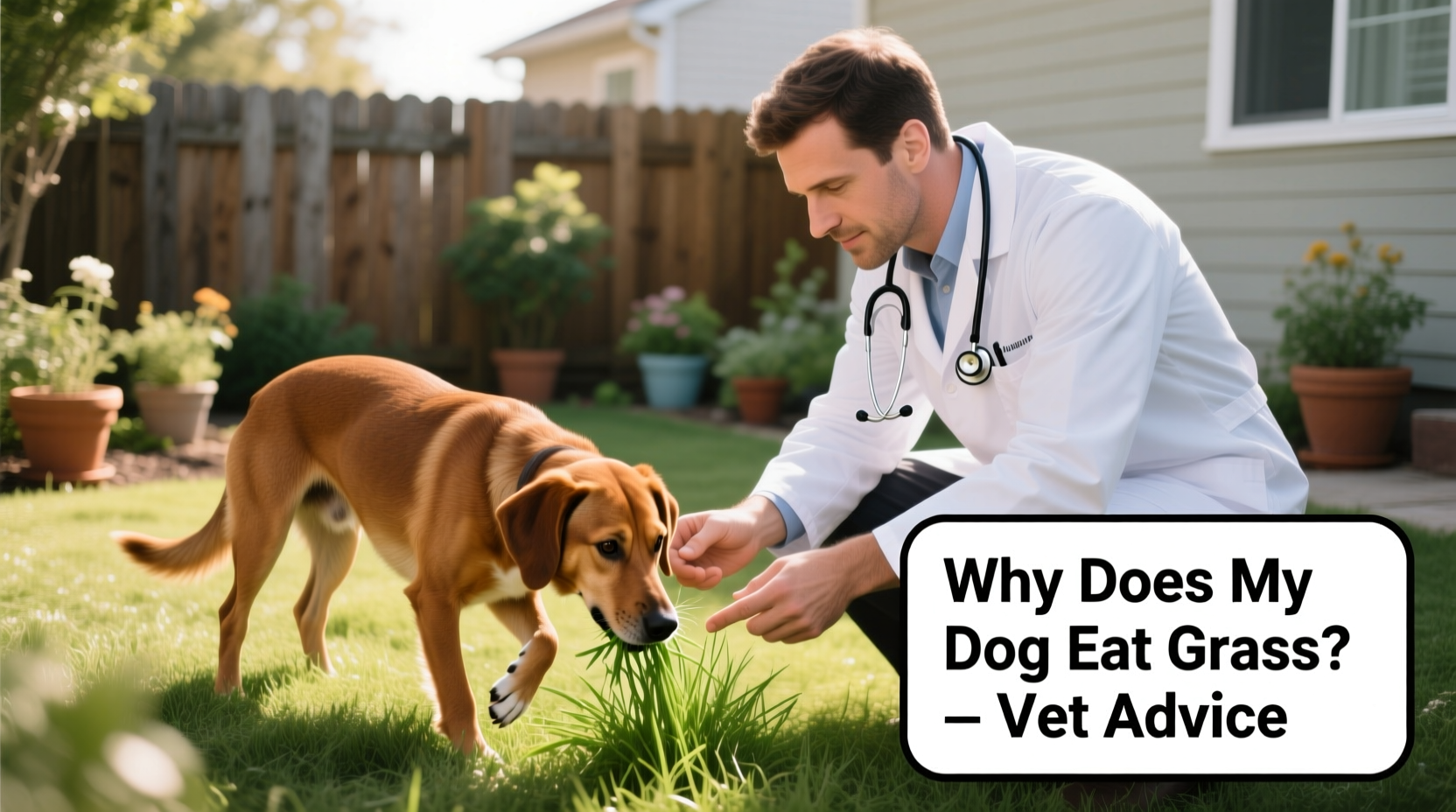
Contrary to popular belief, dogs don’t necessarily eat grass because they’re sick. Research suggests several behavioral and biological explanations for this widespread habit.
- Natural Instinct: Dogs are omnivores with evolutionary roots in scavenging. Their wild ancestors consumed plant material through the stomach contents of prey animals. Eating grass may reflect an ingrained foraging behavior.
- Dietary Supplement: Some dogs may seek out grass to supplement fiber intake, especially if their commercial diet lacks sufficient roughage. Fiber supports healthy digestion and regular bowel movements.
- Boredom or Anxiety: Like humans who bite their nails or chew gum, dogs may turn to grass as a form of oral stimulation when under-stimulated or stressed.
- Taste Preference: Fresh spring grass has a mild, slightly sweet taste that some dogs genuinely enjoy. It’s not unlike humans enjoying a salad or fresh herb.
- Inducing Vomiting (Debated): Many assume dogs eat grass to make themselves throw up. However, studies show only about 22% of dogs vomit after consuming grass—and most show no signs of illness beforehand. This suggests vomiting is a side effect, not the goal.
When Grass-Eating Warrants Veterinary Attention
While occasional grass consumption is typically normal, certain red flags indicate a need for professional evaluation. Not all grass-eating is benign, particularly when linked to underlying medical conditions.
Watch for these warning signs:
- Excessive grass eating (multiple times daily)
- Aggressive chewing or gulping without chewing
- Frequent vomiting, diarrhea, or gagging
- Lethargy, drooling, or loss of appetite
- Eating chemically treated lawns or toxic plants
In rare cases, compulsive grass consumption can point to gastrointestinal disorders such as inflammatory bowel disease (IBD), parasites, or pancreatitis. Nutritional imbalances—especially deficiencies in vitamins, minerals, or fiber—can also trigger pica, a condition where animals eat non-food items.
“Grass eating alone is rarely dangerous, but sudden changes in the behavior or concurrent digestive issues should prompt a vet visit.” — Dr. Lena Torres, DVM, Small Animal Internist
Safe vs. Unsafe Environments for Grass Consumption
One of the biggest concerns isn’t the grass itself—but what’s on it. Pesticides, herbicides, fertilizers, and contaminated soil can turn a harmless habit into a health risk.
| Risk Factor | Potential Harm | Prevention Strategy |
|---|---|---|
| Pesticides & Herbicides | Nausea, tremors, seizures, organ damage | Avoid treated lawns; use pet-safe alternatives |
| Flea/Tick Treatments on Grass | Toxicity from chemical absorption via mouth | Keep dogs off lawn for 24–48 hours post-application |
| Parasite-Contaminated Soil | Intestinal worms (e.g., roundworms, hookworms) | Regular deworming; prevent fecal contact |
| Toxic Plants Mixed with Grass | Poisoning (e.g., from lilies, azaleas, sago palms) | Learn local toxic flora; supervise outdoor time |
If you allow your dog to graze, ensure the grass is grown organically and free from animal waste. Consider growing a small patch of pet-safe turf indoors or in a secure yard area using wheatgrass or oat grass seeds labeled safe for pets.
Mini Case Study: Max, the Labrador Who Ate Too Much Grass
Max, a 3-year-old Labrador Retriever, began eating grass obsessively during morning walks. His owner noticed he’d lunge at patches along sidewalks, sometimes vomiting afterward. Concerned, she recorded his habits and brought a video to her veterinarian.
After a physical exam and fecal test, Max was diagnosed with a mild hookworm infection. The grass-eating was likely an attempt to soothe gastrointestinal discomfort. He was treated with dewormer, and his grass consumption decreased significantly within two weeks. Follow-up care included monthly parasite prevention and avoiding high-risk areas like public parks with unknown maintenance practices.
This case illustrates how a seemingly routine behavior can mask an underlying issue—and why observation and timely vet consultation matter.
Step-by-Step Guide: Responding to Your Dog’s Grass-Eating Habit
If you're unsure how to handle your dog's grass consumption, follow this logical sequence to assess and manage the behavior safely.
- Observe Frequency and Context: Note how often your dog eats grass, whether it happens during walks, in the yard, or under stress.
- Check for Symptoms: Look for vomiting, diarrhea, weight loss, or changes in appetite or energy levels.
- Inspect the Grass Source: Confirm the lawn hasn’t been treated with chemicals. Ask neighbors if they use pesticides near shared fences.
- Review Diet Quality: Consult your vet about whether your dog’s food provides adequate fiber and nutrients. Consider adding pumpkin or psyllium husk (under guidance) if needed.
- Address Behavioral Triggers: Increase mental stimulation with puzzle toys, training, or longer walks if boredom is suspected.
- Schedule a Veterinary Checkup: If grass-eating is new, excessive, or paired with illness, schedule an exam including fecal testing and blood work if indicated.
- Implement Preventive Measures: Use a leash in risky areas, grow indoor grass trays, and maintain parasite control.
Do’s and Don’ts of Managing Grass-Eating Behavior
| Do’s | Don’ts |
|---|---|
| Allow moderate grass grazing if the source is clean and safe | Assume all grass-eating means your dog is sick |
| Provide high-fiber diets if recommended by your vet | Use chemical lawn treatments without keeping your dog away |
| Monitor for sudden changes in frequency or symptoms | Punish your dog for eating grass—it’s usually not a behavioral issue |
| Offer alternative greens like pet-safe wheatgrass | Ignore persistent vomiting or diarrhea after grass ingestion |
| Keep up with deworming and wellness exams | Let your dog roam freely in public parks with unknown lawn care practices |
Frequently Asked Questions
Is it normal for puppies to eat grass?
Yes, grass-eating is common in puppies as part of exploratory behavior. As long as they remain active, gain weight, and don’t ingest harmful substances, it’s generally not a concern. However, ensure they are current on deworming, as young dogs are more susceptible to parasites found in soil.
Can I stop my dog from eating grass?
You can reduce the behavior through environmental management and enrichment, but complete prevention isn’t necessary unless it poses a health risk. Focus on safety rather than elimination. Redirecting with toys or treats during walks can help minimize exposure.
Should I give my dog grass at home?
Yes—many pet owners grow small trays of wheatgrass or “cat grass” (safe for dogs too) indoors. This provides a controlled, chemical-free option. Just ensure it’s grown from pet-safe seeds and rinsed before offering.
Final Thoughts: Balancing Natural Behavior with Responsible Care
Dogs eat grass for a variety of reasons, most of which fall within the range of normal canine behavior. For the majority of healthy dogs, occasional grazing is nothing to worry about—especially when the grass is clean and consumed calmly. However, responsible pet ownership means staying alert to changes in pattern or accompanying symptoms.
Veterinary experts agree: context matters more than the act itself. A dog who nibbles grass while strolling through the backyard is likely just following instinct. One who frantically devours blades and vomits repeatedly may need medical attention.
By understanding the motivations behind grass-eating, ensuring a safe environment, and maintaining open communication with your veterinarian, you can support your dog’s well-being without unnecessary anxiety.
💬 Have questions about your dog’s grass-eating habits? Share your experience or ask a vet—your observations could help others navigate this common canine quirk with confidence.








