Dogs eating grass is a common behavior observed by pet owners across the world. Whether it happens occasionally or daily, this habit often raises questions: Is it normal? Could it be a sign of illness? Should you stop your dog from doing it? While grass consumption in dogs rarely leads to serious issues, understanding the underlying reasons—and knowing when it might signal a problem—is essential for responsible pet care. This article explores the science, myths, and practical steps behind why dogs eat grass and whether you should intervene.
Common Reasons Dogs Eat Grass
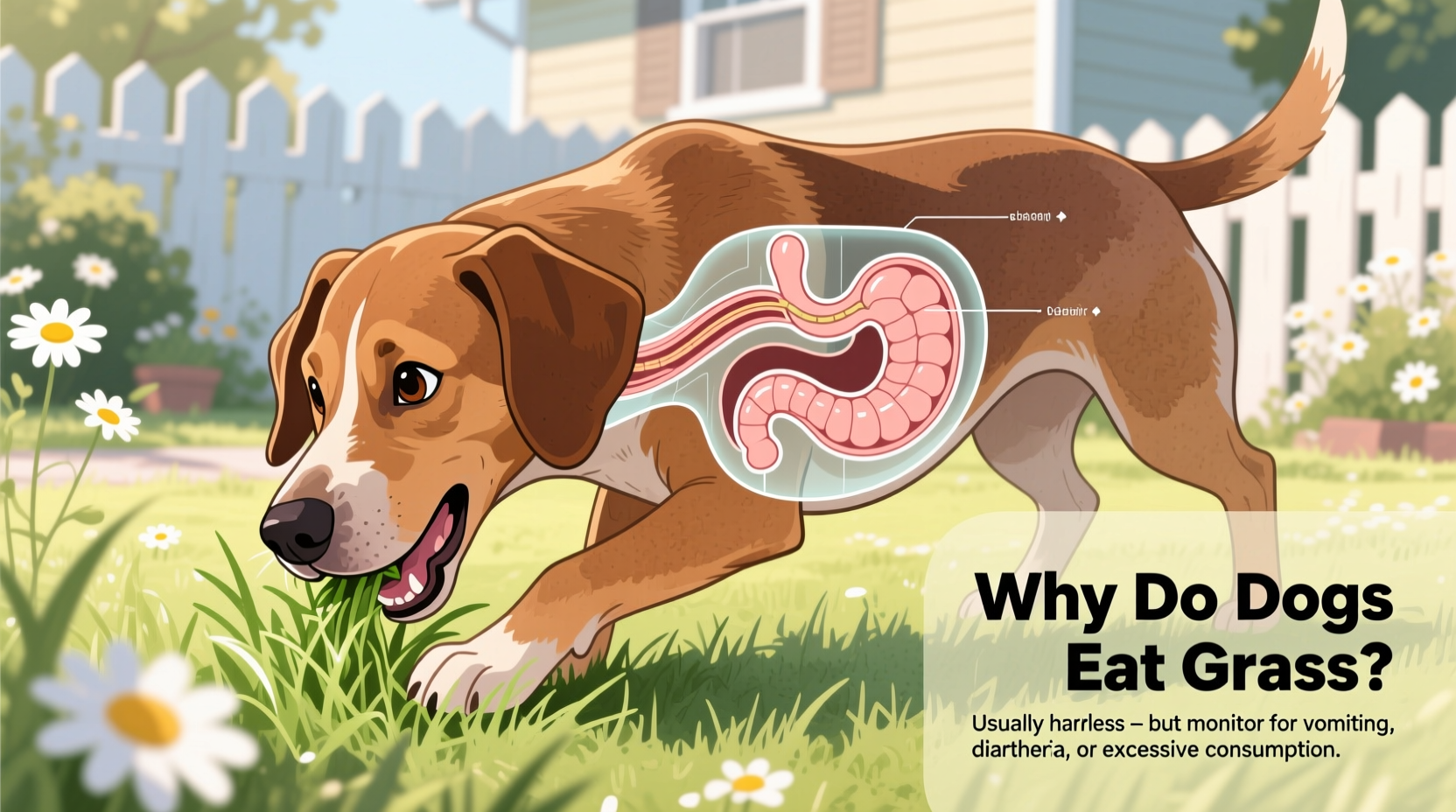
Despite decades of observation and research, no single explanation fully accounts for why dogs eat grass. However, veterinary studies and behavioral experts have identified several plausible causes, ranging from instinctual behaviors to dietary needs.
- Natural Instinct: Dogs are omnivores with carnivorous roots. In the wild, canines consume plant material found in the stomachs of prey animals. Eating grass may be an evolutionary carryover, satisfying a biological urge to ingest fibrous plant matter.
- Dietary Fiber: Some dogs may seek out grass to supplement their diet with fiber, especially if their regular food lacks sufficient roughage. Fiber aids digestion and helps regulate bowel movements.
- Boredom or Anxiety: Behavioral triggers such as lack of stimulation, stress, or anxiety can lead dogs to graze on grass. Much like humans who bite their nails, some dogs develop repetitive habits when under mental strain.
- Upset Stomach Relief: A long-standing theory suggests dogs eat grass to induce vomiting when feeling nauseated. However, research shows that only about 25% of dogs actually vomit after eating grass, indicating this isn’t the primary reason for most.
- Taste Preference: Some dogs simply enjoy the taste or texture of fresh grass, particularly in spring and early summer when it’s tender and lush.
“Grass eating in dogs is extremely common and usually benign. Most dogs do it without any underlying medical cause.” — Dr. Karen Becker, DVM, Integrative Veterinary Medicine Specialist
When Grass Eating Might Be a Concern
While occasional grass consumption is typically harmless, certain patterns or accompanying symptoms may indicate a health issue. It's important to observe not just *that* your dog eats grass, but *how often*, *how much*, and *what happens afterward*.
Tip: Monitor your dog’s grass-eating behavior over a week. Note frequency, context (before/after meals, during walks), and any signs of distress.The following signs suggest grass eating may be linked to a medical or behavioral concern:
- Frequent or obsessive grass consumption
- Attempts to eat large quantities rapidly
- Immediate vomiting after ingestion
- Diarrhea, lethargy, or loss of appetite
- Eating grass in areas treated with pesticides, herbicides, or fertilizers
- Signs of gastrointestinal discomfort before or after grazing
If your dog exhibits any of these behaviors consistently, consult your veterinarian. Underlying conditions such as inflammatory bowel disease, parasites, pancreatitis, or dietary deficiencies could be contributing factors.
Environmental and Safety Risks
One of the biggest concerns isn't the act of eating grass itself, but what might be on or in the grass. Urban and suburban lawns are often treated with chemicals that can be toxic to dogs.
| Hazard | Risk Level | Prevention Strategy |
|---|---|---|
| Pesticides & Herbicides | High | Avoid chemically treated lawns; use natural alternatives at home |
| Lawn Fertilizers | Moderate to High | Keep dog off lawn for 48–72 hours after application |
| Parasite-contaminated soil | Moderate | Regular deworming and fecal checks |
| Toxic plants mixed with grass | Variable | Identify and remove poisonous plants (e.g., clover, foxglove) |
Ingesting contaminated grass can lead to poisoning, gastrointestinal irritation, or parasitic infections. Always supervise your dog during outdoor time, especially in public parks or neighbors’ yards where chemical use is unknown.
Step-by-Step Guide: Responding to Grass-Eating Behavior
If you're unsure how to handle your dog’s grass consumption, follow this structured approach to assess and manage the behavior safely.
- Observe and Record: Track when, where, and how often your dog eats grass. Note environmental conditions and any physical reactions.
- Assess Diet Quality: Review your dog’s current food. Does it contain adequate fiber and nutrients? Consider switching to a high-fiber formula if digestion seems irregular.
- Eliminate Toxins: Ensure your yard is free of pesticides and toxic plants. Use pet-safe alternatives for lawn care.
- Address Behavioral Needs: Increase mental and physical stimulation through longer walks, puzzle toys, or training sessions to reduce boredom-related grazing.
- Consult Your Veterinarian: If the behavior is frequent, intense, or paired with illness symptoms, schedule a check-up. Blood work, fecal exams, or dietary analysis may be recommended.
- Introduce Safe Alternatives: Grow pet-safe grass indoors (like wheatgrass or oat grass) to give your dog a controlled, clean source of greenery.
Mini Case Study: Max, the Labrador with a Grass Habit
Max, a 3-year-old Labrador Retriever, began eating large amounts of grass during evening walks. His owner noticed he would gulp down mouthfuls quickly and sometimes vomit shortly after. Concerned, she recorded his behavior for a week and brought the notes to her vet.
After a physical exam and dietary review, the veterinarian discovered Max was being fed a low-fiber commercial kibble. He also had mild anxiety during thunderstorms, which coincided with increased grass eating. The vet recommended switching to a higher-fiber diet and adding daily enrichment activities like scent games and chew toys.
Within three weeks, Max’s grass consumption decreased significantly. He still nibbled occasionally, but no longer gorged or vomited. His owner also planted a small patch of pet grass in a container on the patio, giving Max a safe outlet when the urge struck.
This case illustrates how a combination of dietary adjustment, environmental control, and behavioral support can effectively address problematic grass-eating habits.
Do’s and Don’ts of Managing Grass Consumption
| Do’s | Don’ts |
|---|---|
| Provide a balanced, fiber-rich diet | Ignore sudden changes in grass-eating behavior |
| Offer pet-safe indoor grass options | Allow access to chemically treated lawns |
| Monitor for vomiting or diarrhea | Punish your dog for eating grass |
| Encourage mental and physical activity | Assume all grass eating is harmful |
| Consult a vet if behavior becomes obsessive | Use weed killers near your pet’s play area |
Frequently Asked Questions
Is it normal for dogs to eat grass every day?
Yes, many dogs eat grass regularly without any adverse effects. As long as your dog appears healthy, maintains a good appetite, and doesn’t show signs of illness, daily grass consumption is generally not a cause for concern. However, ensure the grass is free from toxins and monitor for obsessive behavior.
Can eating grass make my dog sick?
Grass itself is not toxic, but contaminants like pesticides, fertilizers, or intestinal parasites from fecal residue can make your dog ill. Additionally, consuming large amounts rapidly may lead to gagging or vomiting. Supervise outdoor time and avoid high-risk areas.
Should I stop my dog from eating grass?
Not necessarily. For most dogs, grass eating is harmless and may even serve a purpose. Instead of stopping the behavior outright, focus on making it safer—provide clean grass sources, improve diet, and rule out medical causes if needed. Only intervene if it becomes excessive or is linked to illness.
Expert Insight: What Vets Recommend
Veterinary consensus supports the idea that grass eating is a normal canine behavior in most cases. However, professionals emphasize vigilance when patterns shift.
“We see dogs eating grass in clinics every day. The real question isn’t whether they do it—it’s whether it’s affecting their health. Context matters more than the act itself.” — Dr. James Reichmann, DVM, American Veterinary Medical Association
Many vets advise against overreacting but recommend proactive measures such as routine deworming, reading pet food labels for fiber content, and avoiding exposure to lawn chemicals. They also caution against dismissing persistent vomiting or appetite changes—even if grass eating seems unrelated.
Conclusion: Understanding, Not Fear
Dogs eat grass for a variety of reasons—some rooted in biology, others in environment or emotion. For the vast majority of pets, this behavior is natural and harmless. The key lies in observation, prevention, and informed decision-making. By ensuring your dog has a nutritious diet, a stimulating environment, and access to safe greenery, you can address both the curiosity and potential risks behind grass consumption.
💬 Have a dog that loves grass? Share your experience or questions in the comments below—we’d love to hear how you’ve managed this common canine quirk!








