Dogs eating grass is a common behavior observed by pet owners across the world. Whether your dog nibbles on blades during a walk or devours large patches of lawn, the sight can spark concern. Is this habit normal? Could it indicate illness? Or is it simply an instinctive quirk? The truth is that grass consumption in dogs spans a spectrum—from harmless to occasionally problematic—and understanding the reasons behind it can help you make informed decisions about your pet’s health.
While some dogs graze casually and show no ill effects, others may vomit afterward or exhibit signs of distress. Veterinarians have studied this behavior for decades, and while there’s no single explanation that applies to every dog, several well-supported theories shed light on why dogs engage in this seemingly odd practice.
Common Reasons Dogs Eat Grass
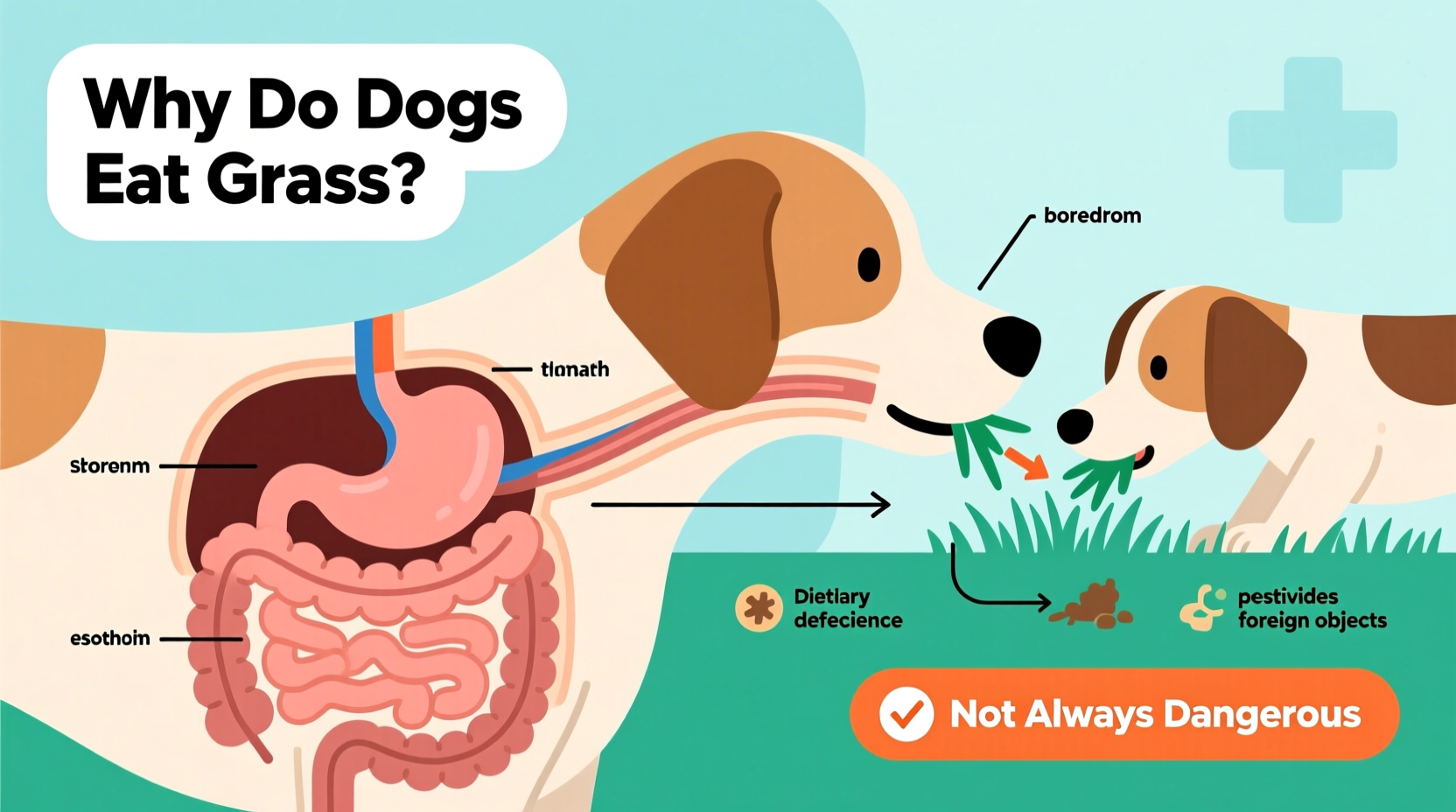
Grass-eating in dogs is not inherently abnormal. In fact, studies suggest that up to 79% of dogs consume plant material regularly, with grass being the most common choice. This behavior typically begins in puppyhood and often continues into adulthood without causing harm.
One widely accepted theory is that dogs eat grass as part of their natural foraging instinct. Despite domestication, dogs retain many behaviors from their wild ancestors, who consumed entire prey—including stomach contents filled with plant matter. Eating grass may simulate this ancestral diet and fulfill a biological urge to ingest fiber and roughage.
Another explanation centers on digestive health. Some experts believe dogs eat grass to aid digestion or regulate gut motility. Grass provides insoluble fiber, which can help move food through the gastrointestinal tract and prevent constipation. In some cases, dogs may instinctively seek out grass when they feel mild stomach discomfort, using it as a natural remedy to induce vomiting if necessary.
A less scientific but still plausible idea is that dogs simply enjoy the taste or texture of fresh grass. Young, tender shoots in spring or summer lawns may be particularly appealing, especially after rain when the scent and flavor are more pronounced.
Tip: Observe your dog’s grass-eating habits—frequency, amount, and associated behaviors—to determine if it’s routine or potentially concerning.Is Grass-Eating Dangerous?
In most cases, eating small amounts of untreated grass is not dangerous for healthy dogs. However, risks arise depending on the environment, frequency, and accompanying symptoms. The primary dangers are not from the grass itself, but from what might be on it.
Chemical exposure is one of the biggest concerns. Lawns treated with herbicides, pesticides, or fertilizers can pose serious health risks. These substances can cause gastrointestinal upset, neurological symptoms, or even long-term organ damage with repeated exposure. Even “organic” lawn treatments may contain ingredients toxic to dogs.
Contamination is another issue. Grass in public parks or along sidewalks may be exposed to animal feces, bacteria (like *Salmonella* or *E. coli*), or intestinal parasites such as roundworms and hookworms. If a dog ingests contaminated grass, it could lead to infections requiring veterinary treatment.
Excessive grass consumption can also result in physical complications. Large quantities of fibrous material may cause intestinal blockages, especially in smaller breeds or dogs that swallow grass rapidly without chewing. Additionally, frequent vomiting after grass ingestion may point to underlying gastrointestinal disease rather than simple self-medication.
“Occasional grass eating is normal, but consistent vomiting, diarrhea, or lethargy after grazing should prompt a vet visit.” — Dr. Laura Chen, DVM, Small Animal Internist
When to Be Concerned: Warning Signs
Not all grass-eating requires intervention. Many dogs do it casually and without consequence. But certain red flags suggest the behavior may be linked to a medical problem or environmental hazard.
Watch for these warning signs:
- Frequent vomiting – Especially if it occurs immediately after eating grass and happens regularly.
- Diarrhea or blood in stool – May indicate infection, parasites, or toxicity.
- Loss of appetite or weight loss – Could signal chronic gastrointestinal issues.
- Lethargy or weakness – Often accompanies poisoning or systemic illness.
- Obsessive grass consumption – Dogs that seem fixated on eating grass may be experiencing nutritional deficiencies or behavioral issues like pica.
- Eating grass in chemically treated areas – Increases risk of toxin ingestion.
If your dog exhibits any of these symptoms alongside grass-eating behavior, consult your veterinarian. Diagnostic tests such as blood work, fecal exams, or abdominal imaging may be needed to rule out conditions like inflammatory bowel disease, pancreatitis, or intestinal parasites.
Checklist: When to Seek Veterinary Advice
- Your dog vomits frequently after eating grass.
- You notice changes in bowel movements (diarrhea, constipation, blood).
- The behavior becomes compulsive or disruptive.
- Your dog shows signs of pain, bloating, or discomfort.
- You suspect exposure to pesticides or toxic plants.
- There’s a sudden change in appetite or energy levels.
Safe Alternatives and Preventive Measures
If you're uncomfortable with your dog eating outdoor grass—or want to reduce potential risks—you can offer safer alternatives. Providing controlled sources of greenery allows your dog to satisfy their urge to graze without exposure to toxins or contaminants.
Consider growing a small patch of pet-safe grass indoors. Wheatgrass, oat grass, or barley grass are non-toxic options available as “cat grass” kits, which work equally well for dogs. Place the container in a sunny spot and let your dog nibble as desired. This gives them access to fresh greens year-round, especially useful during winter months when outdoor grass is scarce or covered in ice melt chemicals.
Dietary adjustments may also help. Some dogs eat grass due to nutritional gaps, particularly a lack of fiber. Switching to a high-fiber commercial diet or adding pumpkin puree (not pie filling) to meals can improve digestive regularity and reduce the need for supplemental roughage.
Behavioral factors shouldn’t be overlooked. Boredom, anxiety, or attention-seeking can drive dogs to chew on grass. Increasing mental stimulation through puzzle toys, training sessions, or longer walks may reduce the behavior if it’s rooted in stress or under-stimulation.
| Factor | Solution | Benefit |
|---|---|---|
| Chemical exposure risk | Grow indoor pet grass | Safe, controlled source of greens |
| Dietary deficiency | Add fiber-rich foods (e.g., pumpkin) | Supports digestion, reduces grass cravings |
| Boredom or anxiety | Increase playtime and training | Addresses root behavioral cause |
| Parasite contamination | Regular deworming and fecal checks | Prevents infection from outdoor grass |
Real-Life Example: Max, the Labrador Who Loved Grass
Max, a three-year-old yellow Labrador, had been eating grass daily since he was a puppy. His owner, Sarah, initially dismissed it as normal behavior—until Max began vomiting every time he grazed. Alarmed, she recorded videos of the episodes and brought them to her veterinarian.
After a physical exam and bloodwork, Max tested negative for parasites and showed no signs of organ dysfunction. However, his history revealed he primarily ate grass in the backyard, which Sarah had recently begun treating with a weed-and-feed product.
The vet suspected chemical irritation and advised stopping all lawn treatments. She also recommended switching Max to a higher-fiber diet and introducing a small pot of wheatgrass indoors. Within two weeks, Max’s vomiting stopped, and his interest in outdoor grass diminished significantly.
This case highlights how environmental factors—not just biology—can influence grass-eating outcomes. With minor lifestyle changes, Sarah resolved a troubling symptom without medication or invasive procedures.
Frequently Asked Questions
Do dogs eat grass because they’re sick?
Not necessarily. While some dogs eat grass to relieve nausea or induce vomiting, most do so without feeling ill. Studies show that fewer than 10% of dogs appear unwell before eating grass, and only about 25% vomit afterward. For the majority, it’s a normal, non-medical behavior.
Can eating grass cause worms in dogs?
Grass itself doesn’t cause worms, but it can carry parasite eggs if contaminated by infected animal feces. Hookworms, roundworms, and whipworms can survive in soil and on grass blades. Regular deworming and preventing access to high-risk areas (like public dog parks with poor sanitation) reduce this risk.
Should I stop my dog from eating grass completely?
No—unless the behavior is excessive or linked to health problems. Occasional grass consumption is generally safe and may even support digestive health. Focus instead on ensuring the grass is free from chemicals and monitoring for adverse reactions.
Conclusion: Understanding Your Dog’s Natural Instincts
Dogs eat grass for a variety of reasons—some rooted in biology, others in environment or behavior. In most cases, it’s a harmless habit that doesn’t require intervention. However, staying vigilant about changes in frequency, associated symptoms, or exposure risks ensures your dog remains healthy and safe.
By providing clean alternatives, reviewing diet, and watching for warning signs, you can support your dog’s natural tendencies without compromising their well-being. Remember, curiosity about grass doesn’t mean something’s wrong—it often means your dog is acting on instincts that have existed for generations.
💬 Have a story about your dog and grass-eating? Share your experience in the comments below—your insight could help other pet owners navigate this common canine quirk!








