
Dog owners often witness their pets grazing on fresh grass after a rainfall, sometimes with surprising enthusiasm. This behavior can seem odd, even concerning, especially if your dog gulps down blades rapidly or vomits afterward. While occasional grass eating is common across breeds and ages, the timing—particularly after rain—raises questions about whether dogs are seeking nutrients, acting on instinct, or responding to environmental cues. Understanding the reasons behind this habit involves looking at biology, diet, and natural canine behavior.
Contrary to popular belief, most dogs that eat grass do not do so because they're sick. In fact, research suggests that grass consumption is a normal, possibly ancestral behavior. But when rain softens the ground and brings out lush green shoots, the appeal may intensify. Is this post-rain grass more nutritious? Or is something else driving your dog to nibble? Let’s break down the science and separate myth from reality.
The Science Behind Canine Grass Eating
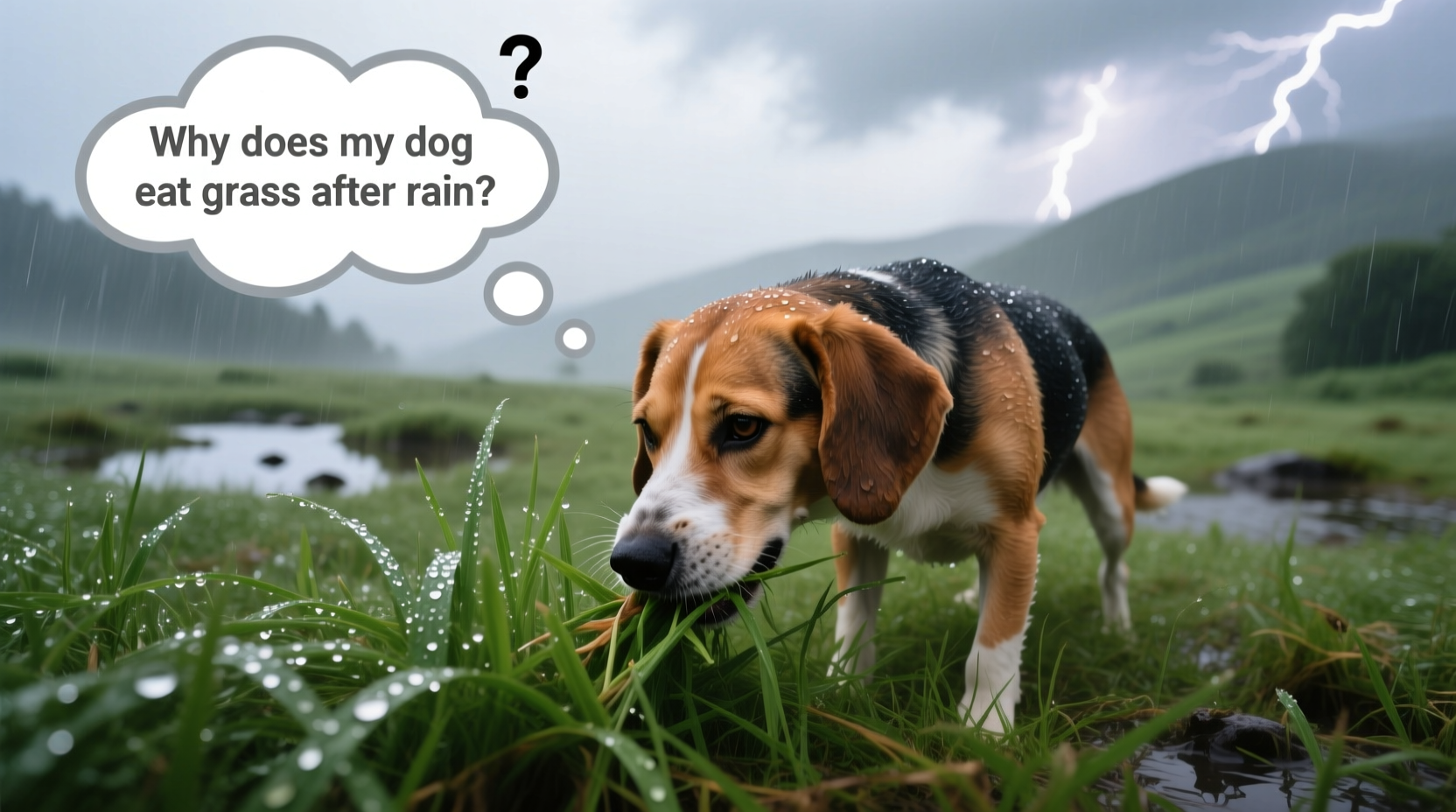
Grass consumption in dogs is not a modern quirk—it likely traces back to their evolutionary roots. Despite being classified as carnivores, dogs are biologically omnivorous. Their digestive systems can process plant matter, albeit less efficiently than meat. Wild canids like wolves and coyotes often consume the stomach contents of herbivorous prey, which include partially digested grasses and plants. This suggests that plant material has long been part of the canine diet, even if not directly sought.
A landmark study published in Applied Animal Behaviour Science observed over 1,500 dogs and found that 79% had eaten grass at least once, with only 9% showing signs of illness beforehand and 22% vomiting afterward. These numbers indicate that grass eating is widespread and generally not linked to sickness. Instead, researchers concluded it may be a normal, self-motivated behavior rooted in instinct.
After rain, grass becomes more palatable. The moisture washes away dust and pollutants, making leaves softer and easier to chew. Additionally, rain can enhance the aroma of grass, which might attract curious dogs. Volatile compounds released by wet vegetation could stimulate a dog’s highly sensitive olfactory system, triggering interest. This sensory shift may explain why some dogs are more inclined to graze after a downpour.
Tip: If your dog eats grass frequently after rain, observe whether they appear distressed or simply enjoying the taste. Most cases are harmless, but sudden changes in behavior warrant a vet visit.Nutritional Value of Grass: Myth vs. Reality
One persistent theory is that dogs eat grass to supplement missing nutrients in their diet, particularly fiber or trace minerals. However, controlled studies have failed to find a strong correlation between dietary deficiencies and grass consumption. Dogs fed balanced commercial diets still eat grass, suggesting nutritional gaps aren’t the primary driver.
That said, grass does offer minor nutritional benefits. Fresh blades contain chlorophyll, small amounts of vitamins (like A and C), and fiber. While not a significant source of sustenance, these components may support digestion. Fiber, in particular, can aid bowel regularity and help move undigested material through the gut. Some experts speculate that dogs instinctively use grass as a mild laxative or emetic to clear their digestive tracts.
However, the idea that dogs “know” they need certain nutrients and seek them out in grass is largely anthropomorphic. Unlike ruminants such as cows, dogs lack the enzymes to extract substantial energy from cellulose. Their bodies aren’t designed to thrive on plant matter alone. So while post-rain grass may be fresher and slightly more nutritious due to increased moisture and growth activity, it's unlikely to serve as a meaningful dietary supplement.
Common Nutrients Found in Fresh Grass
| Nutrient | Role in Canine Health | Availability in Grass |
|---|---|---|
| Fiber | Aids digestion and stool formation | Moderate (main benefit) |
| Chlorophyll | Antioxidant properties; supports detoxification | Low |
| Vitamin A | Supports vision and immune function | Trace amounts |
| Vitamin C | Antioxidant; dogs produce their own, but external sources may help | Minimal |
| Protein | Tissue repair and enzyme production | Very low |
“Dogs eating grass isn’t a sign of poor diet—it’s a normal behavior we’ve seen across thousands of healthy animals. Rain-washed grass may simply be more appealing.” — Dr. Laura Greenspan, DVM, Veterinary Behavior Specialist
Instinctual and Behavioral Drivers
Beyond nutrition, instinct plays a major role in why dogs eat grass, especially after rain. Canines are naturally curious foragers. Even domesticated dogs retain the urge to explore their environment orally. Grass provides texture, taste, and smell stimulation—especially when rain amplifies its freshness. This sensory experience can be satisfying, much like how humans enjoy the smell of petrichor after a storm.
Some dogs may also eat grass out of boredom or anxiety. Without sufficient mental stimulation or physical activity, dogs often develop repetitive behaviors. Grazing can become a calming ritual, similar to pacing or licking. If your dog only eats grass during or after rain, consider whether this coincides with other environmental changes—like thunderstorms, yard maintenance, or neighborhood activity—that could heighten stress.
Puppies are especially prone to grass eating, not necessarily because they’re unwell, but because they’re exploring the world. Mouthing objects is a key part of canine learning. As they mature, many dogs outgrow excessive grass consumption unless it becomes reinforced by routine or reward.
Real Example: Bella the Border Collie
Bella, a 3-year-old Border Collie from Oregon, began eating grass vigorously after every spring rain. Her owner, Mark, worried she was ill or lacking nutrients. After consulting a veterinarian and reviewing her diet—high-quality kibble with added vegetables and omega supplements—it became clear Bella wasn’t malnourished. Observations revealed she only ate grass after heavy rains, typically spending five to ten minutes nibbling before resuming play. A behavioral specialist suggested Bella was responding to heightened scents and textures in the damp lawn. Once Mark increased her outdoor sniffing walks and provided puzzle toys, her grass-eating frequency dropped by half. This case illustrates how instinct and environment, not health issues, often drive the behavior.
When to Be Concerned: Red Flags to Watch For
While grass eating is usually benign, certain patterns should prompt veterinary attention. Not all grass is safe—lawns treated with pesticides, herbicides, or fertilizers can be toxic. After rain, these chemicals may concentrate in runoff or adhere more strongly to wet blades. Similarly, public parks or areas frequented by other animals may harbor parasites like hookworms or roundworms in fecal residue.
Monitor your dog for the following warning signs:
- Eating large quantities of grass obsessively
- Repeated vomiting or retching after grazing
- Lethargy, diarrhea, or loss of appetite
- Attempts to eat chemically treated or contaminated grass
- Sudden onset of grass eating in an older dog with no prior history
If your dog shows gastrointestinal distress shortly after eating grass, it may not be the grass itself causing harm—but rather what’s on it. Intestinal parasites, foreign body ingestion, or underlying conditions like inflammatory bowel disease can coincide with grass eating without being caused by it.
Tip: Avoid using chemical treatments on lawns your dog accesses. Opt for pet-safe alternatives or designate a chemical-free zone for grazing.Checklist: Safe Grass-Eating Practices for Dog Owners
- Inspect your yard for recent pesticide or fertilizer applications.
- Ensure your dog is up-to-date on deworming and parasite prevention.
- Provide plenty of mental and physical enrichment to reduce boredom-related grazing.
- Offer safe chew toys or dental treats as alternatives to grass.
- Observe frequency and context of grass eating—note any changes.
- Consult your vet if vomiting, diarrhea, or behavioral shifts occur.
- Consider growing a patch of pet-safe grass (e.g., wheatgrass) indoors or in a garden bed.
FAQ: Common Questions About Dogs Eating Grass After Rain
Is it dangerous for my dog to eat grass after rain?
Generally, no—unless the grass has been treated with chemicals or contaminated by animal waste. Rain can dilute some toxins, but it can also spread others through runoff. Always supervise your dog in unfamiliar areas and avoid letting them graze in public parks with unknown maintenance practices.
Does eating grass help dogs feel better when they’re sick?
Not necessarily. While some dogs vomit after eating grass, most don’t appear ill beforehand. Vomiting may be incidental, not intentional. There’s little evidence that dogs use grass as a deliberate remedy. If your dog frequently vomits after grazing, consult a vet to rule out gastrointestinal issues.
Can I stop my dog from eating grass?
You can discourage the behavior, but it’s rarely necessary. Focus on addressing underlying causes like boredom or anxiety. Provide alternative activities such as scent games, chew toys, or structured walks. If the grass is unsafe, redirect your dog with commands or treats. Complete elimination isn’t needed unless health risks are present.
Conclusion: Balancing Instinct, Safety, and Care
Dogs eating grass after rain is a blend of instinct, sensory attraction, and natural curiosity—not a cry for nutritional help or a definitive sign of illness. The fresh, clean blades that emerge post-rain are more appealing, both in texture and smell, making them irresistible to many canines. While grass offers minimal nutritional value, it���s generally safe and may even support mild digestive regulation.
As a responsible pet owner, your role isn’t to eliminate this behavior but to ensure it remains safe. Monitor your dog’s habits, protect them from toxic exposures, and provide a stimulating environment that meets their mental and physical needs. If grass eating becomes excessive or is accompanied by health concerns, seek professional guidance.
💬 Have a story about your dog’s rain-time grazing habits? Share your experience or questions in the comments—your insight could help fellow dog owners understand this common, curious behavior.








