
Dogs eating grass is one of the most common yet puzzling behaviors pet owners observe. Many report that their dogs consistently graze on grass shortly after finishing a meal. While this habit might seem strange—or even alarming—it’s actually quite widespread across breeds and age groups. The real question isn’t just whether dogs do it, but why they do it, and whether it signals an underlying health issue such as nutrient deficiency or digestive distress.
Understanding this behavior requires looking at both instinctual patterns and physiological needs. Dogs are omnivores with carnivorous roots, and while modern diets are well-balanced, their natural instincts still influence certain actions. Grass consumption may serve multiple purposes—from aiding digestion to fulfilling a behavioral need. However, persistent or excessive grass eating, especially when followed by vomiting, warrants closer attention.
This article explores the science behind post-meal grass eating in dogs, evaluates possible causes ranging from dietary gaps to psychological triggers, and provides practical guidance for pet owners on when to intervene and how to support their dog’s overall well-being.
The Science Behind Canine Grass Consumption
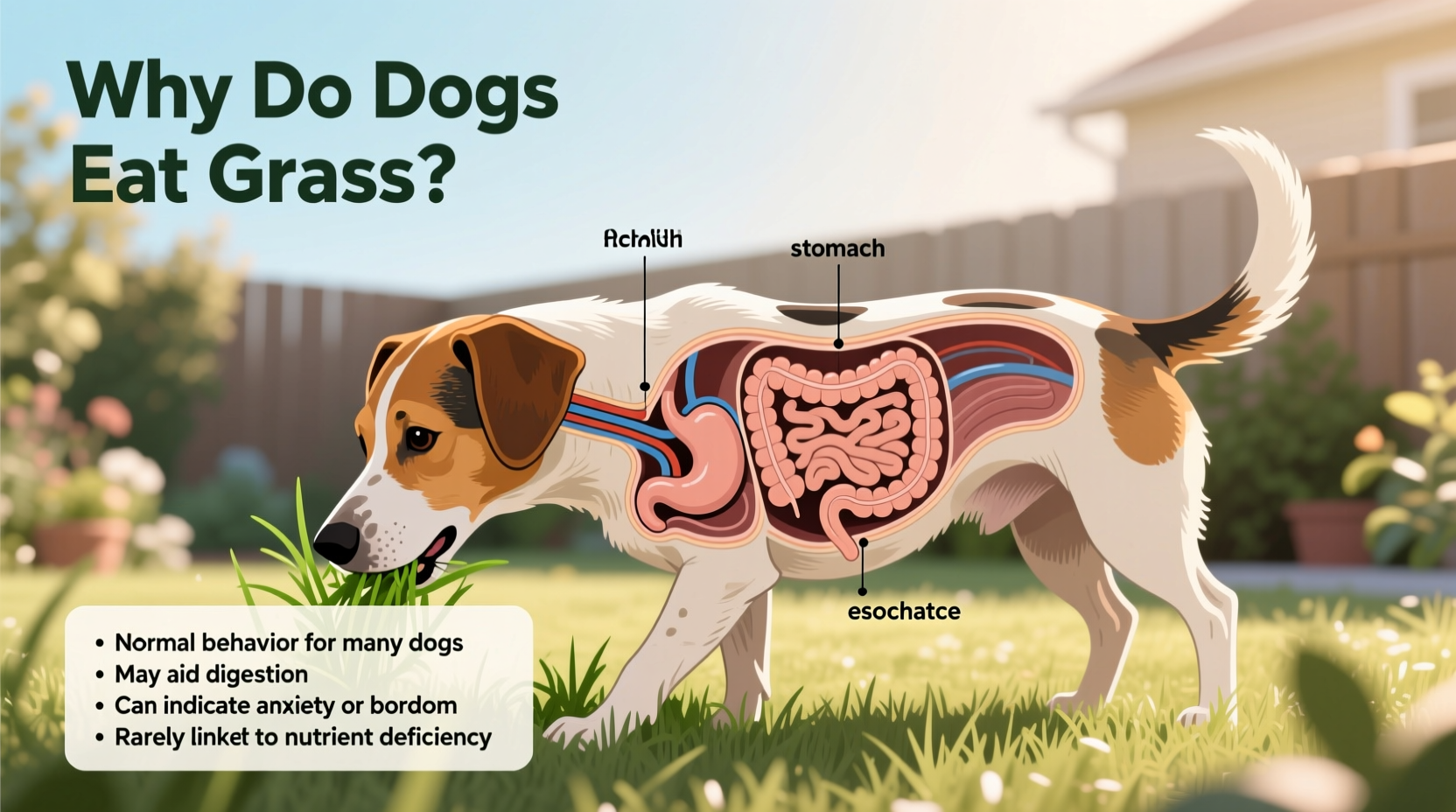
Contrary to popular belief, dogs eating grass is not inherently abnormal. A 2007 study published in *Applied Animal Behaviour Science* surveyed over 1,500 dog owners and found that approximately 79% of dogs had been observed eating grass. Of those, only about 9% showed signs of illness beforehand, and fewer than 25% vomited afterward. This suggests that grass consumption is largely unrelated to sickness and more likely part of normal canine behavior.
One theory centers around evolutionary biology. Wild canids like wolves and coyotes often consume plant material indirectly through the stomach contents of herbivorous prey. Over time, this exposure may have conditioned domestic dogs to seek out fibrous plant matter to support gastrointestinal function. Grass acts as a natural roughage, helping move food through the digestive tract and potentially stimulating bowel movements.
Another explanation lies in gastric motility. After a large meal, some dogs experience mild stomach discomfort or bloating. Eating grass may trigger a reflexive action in the throat or esophagus that leads to regurgitation—though not always. In many cases, dogs simply chew and swallow grass without any adverse effects.
“Grass eating in dogs is generally considered a normal behavior. It rarely indicates disease unless accompanied by other clinical signs like weight loss, diarrhea, or lethargy.” — Dr. Karen Becker, DVM, Integrative Veterinary Practitioner
Potential Causes: From Nutrition to Instinct
While occasional grass grazing is typically harmless, understanding the root cause helps determine whether intervention is necessary. Below are several key factors that may drive your dog to eat grass after meals:
Nutritional Deficiency
A common assumption is that dogs eat grass due to missing nutrients in their diet. Specifically, some believe dogs seek out chlorophyll, fiber, or trace minerals found in plants. However, research has not conclusively linked grass eating to specific deficiencies in commercially fed dogs. Most high-quality kibble and wet foods are formulated to meet AAFCO (Association of American Feed Control Officials) standards, providing complete nutrition.
That said, dogs on unbalanced homemade diets, table scraps, or low-fiber foods may benefit from additional roughage. If your dog is eating grass voraciously and seems unsatisfied after meals, consider reviewing their diet with a veterinarian.
Digestive Aid
Grass contains insoluble fiber, which adds bulk to stool and promotes regular bowel movements. For dogs prone to constipation or sluggish digestion, chewing grass after eating may help stimulate intestinal activity. Some veterinarians suggest that dogs instinctively use grass as a mild laxative or to clear minor irritants from the stomach lining.
Behavioral or Psychological Factors
Boredom, anxiety, or compulsive behaviors can also lead to grass eating. Dogs left alone in yards for long periods may graze out of habit or lack of stimulation. Similarly, dogs with separation anxiety or obsessive tendencies might engage in repetitive actions like licking, pacing, or chewing grass as a self-soothing mechanism.
Instinctual Behavior
Even well-fed domesticated dogs retain ancestral instincts. In the wild, canines consumed entire prey animals—including stomach contents full of partially digested vegetation. This legacy may explain why modern dogs are drawn to greenery despite having no biological need for it. Grass eating could simply be an ingrained habit passed down through generations.
Tip: Monitor the frequency and context of your dog’s grass eating. Occasional grazing is usually fine, but sudden increases may signal stress or dietary issues.When Grass Eating Might Signal a Problem
While most dogs eat grass without consequence, certain patterns should raise concern. Not all grass is safe—lawns treated with pesticides, herbicides, or fertilizers can expose dogs to toxins. Additionally, grass contaminated with animal feces may carry parasites like hookworms or roundworms.
More importantly, changes in behavior or physical symptoms accompanying grass consumption require evaluation. Warning signs include:
- Eating grass obsessively multiple times per day
- Immediately vomiting after ingestion
- Appearing unwell before eating grass (lethargy, drooling, whining)
- Diarrhea, weight loss, or decreased appetite
- Attempting to eat non-food items (a symptom of pica)
If your dog regularly eats grass and vomits afterward, it may indicate chronic gastrointestinal discomfort such as inflammatory bowel disease (IBD), acid reflux, or pancreatitis. These conditions often go unnoticed until secondary symptoms arise.
Case Example: Max, the Labrador Retriever
Max, a 4-year-old Labrador, began eating large amounts of grass every evening after dinner. His owner initially dismissed it as curiosity, but when Max started vomiting yellow bile weekly, she consulted her vet. Blood tests revealed elevated pancreatic enzymes, and further imaging confirmed mild pancreatitis. After switching to a low-fat prescription diet and adding probiotics, Max’s grass-eating behavior decreased significantly within three weeks. This case illustrates how post-meal grass consumption can be a subtle indicator of internal discomfort rather than mere habit.
How to Respond: Practical Steps for Dog Owners
Instead of discouraging grass eating outright, focus on identifying and addressing potential causes. Use the following checklist to assess your dog’s situation and take proactive steps.
✅ Grass-Eating Assessment Checklist
- Observe how often your dog eats grass—occasionally or obsessively?
- Note whether vomiting occurs immediately after or infrequently.
- Check if your lawn has been treated with chemicals recently.
- Evaluate your dog’s current diet: Is it high in fiber? Balanced in nutrients?
- Assess mental health: Does your dog show signs of boredom or anxiety?
- Review recent medical history: Any GI issues, medication changes, or infections?
- Consult your veterinarian if behavior is new, worsening, or paired with illness.
Based on your findings, you can implement targeted solutions. For example, increasing dietary fiber through pumpkin puree or psyllium husk may reduce the urge to seek roughage elsewhere. Providing interactive toys or scheduled playtime can alleviate boredom-related grazing.
Step-by-Step Plan to Address Concerning Grass Eating
- Day 1–3: Track grass-eating episodes—time, duration, outcome (vomit/no vomit).
- Day 4: Inspect your yard for chemical treatments or hazardous plants.
- Day 5: Review your dog’s food label—look for fiber content (ideal range: 2–4%) and ingredient quality.
- Day 6: Introduce a small amount of plain canned pumpkin (1 tsp per 10 lbs body weight) into meals to boost fiber.
- Day 7: Schedule a vet visit if tracking reveals frequent vomiting or behavioral shifts.
| Factor | Normal Behavior | Red Flag |
|---|---|---|
| Frequency | Occasional (once every few days) | Daily or multiple times per day |
| Vomiting | Rare or never | Regular, especially with bile |
| Appetite & Energy | Normal | Decreased appetite, lethargy |
| Stool Quality | Firm, regular | Loose, bloody, or inconsistent |
| Diet | Balanced commercial or vet-approved home diet | Low fiber, poor quality, or inconsistent feeding |
Frequently Asked Questions
Is it dangerous for my dog to eat grass?
In most cases, no. Grass itself is not toxic to dogs. However, risks come from external sources: pesticides, parasite-contaminated soil, or sharp blades causing oral or intestinal injury. Avoid letting your dog graze in public parks or chemically treated lawns.
Should I stop my dog from eating grass?
Not necessarily. If your dog eats grass occasionally and shows no ill effects, there’s no need to intervene. Forced suppression may increase anxiety. Instead, address underlying causes like poor diet or boredom. Redirect behavior with safe alternatives like indoor cat grass or wheatgrass grown at home.
Can I give my dog grass on purpose?
Yes. Growing pet-safe grass indoors (such as oat, barley, or wheatgrass) gives dogs a controlled source of greenery. These varieties are easier to digest than tough lawn grass and free from contaminants. Offer small clumps after meals to satisfy grazing instincts safely.
Supporting Your Dog’s Natural Habits Safely
Dogs are complex animals whose behaviors often blend instinct, physiology, and environment. Eating grass after meals doesn’t automatically mean something is wrong. In fact, for many dogs, it’s a harmless quirk—a way to finish a meal with a bit of roughage, much like humans enjoy dessert.
The key is vigilance without alarm. By observing patterns, ensuring a nutritious diet, and creating a mentally enriching environment, you can support your dog’s natural tendencies while safeguarding their health. When in doubt, consult your veterinarian. They can perform a thorough assessment, run lab work if needed, and rule out medical conditions that mimic behavioral habits.
Remember, your dog relies on you not just for food and shelter, but for informed care. Small behaviors often tell big stories—if you’re paying attention, you’ll know when grass eating is just quirky and when it’s a cry for help.
💬 Have you noticed your dog eating grass after meals? Share your experience or questions in the comments—your story could help another pet owner understand their dog better.








