Cats are enigmatic creatures. Their behaviors often leave owners puzzled—pouncing at nothing, licking plastic bags, or suddenly sprinting across the room. But one of the most unsettling habits is when a cat sits perfectly still, eyes locked on a blank wall for minutes on end. While this can seem eerie, occasional wall-staring isn’t always a red flag. However, understanding the range of possible explanations—from instinctual hunting focus to neurological issues—is crucial for responsible pet ownership.
This article explores the leading theories behind why cats stare at walls, separates myth from science, and provides clear guidance on when such behavior should prompt a veterinary visit.
The Science Behind Feline Perception
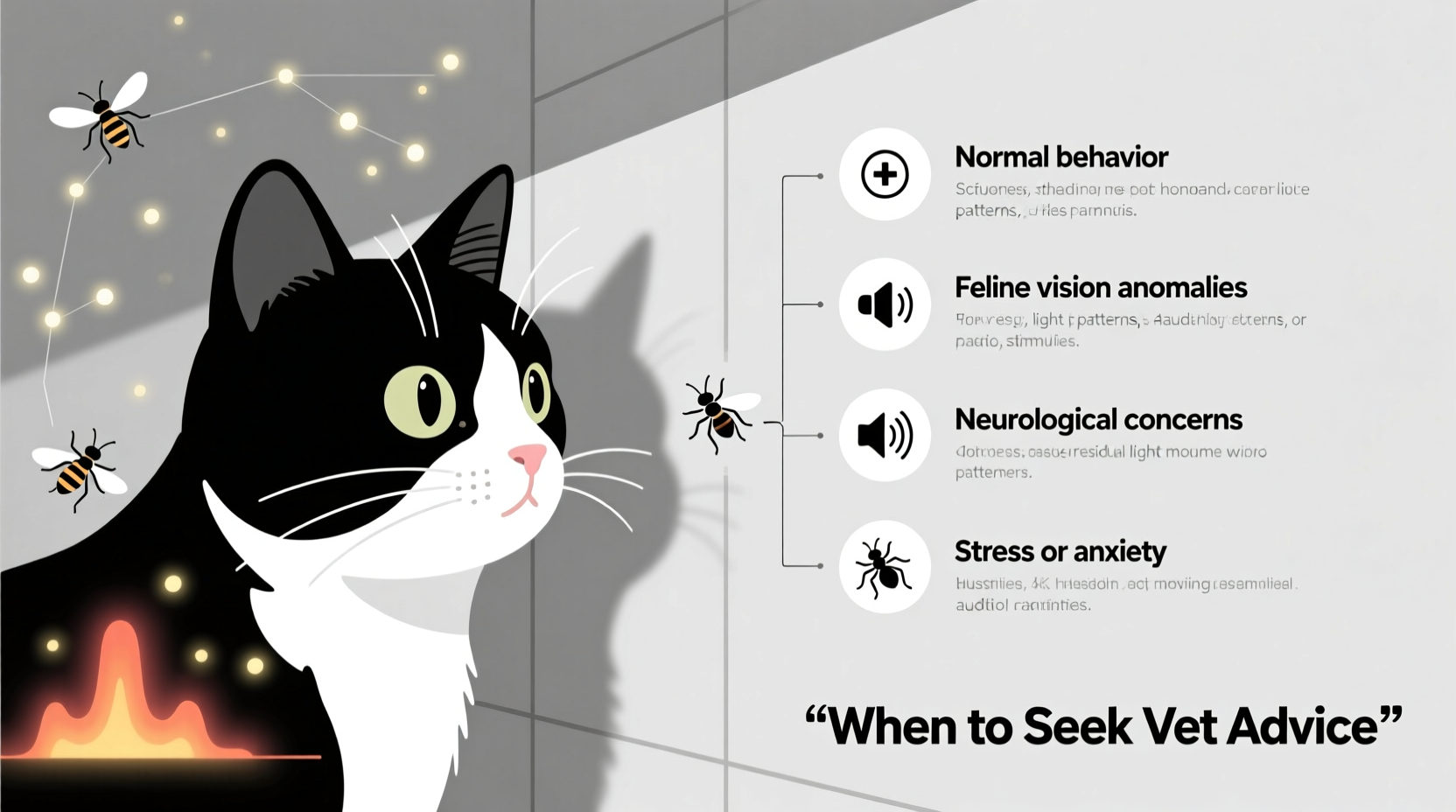
To understand wall-staring, we must first appreciate how cats perceive their environment. A cat’s vision differs significantly from human sight. They have a higher concentration of rod cells in their retinas, making them exceptionally sensitive to motion and low light. This adaptation helps them detect prey movements in near-darkness. However, their ability to distinguish fine details and colors is limited.
In dim lighting, shadows, dust particles, or even air currents reflecting off walls may appear as moving shapes to a cat. What looks like a blank surface to us might be a dynamic visual field to them. Additionally, cats rely heavily on their peripheral vision and can detect slight shifts in light or texture that escape human notice.
“Cats live in a sensory world far more attuned to movement and vibration than ours. What seems like empty space to us could be full of stimuli to them.” — Dr. Laura Gonzalez, Veterinary Behaviorist
It’s also important to note that cats use multiple senses simultaneously. A faint sound—like pipes creaking, rodents inside walls, or high-frequency noises (such as electronics emitting ultrasonic waves)—can draw their attention to a specific spot. The combination of auditory cues and visual scanning may result in prolonged fixation on a wall.
Common Theories Explaining Wall-Staring Behavior
Several plausible explanations exist for why a cat might fixate on a wall. Most fall into benign categories rooted in natural feline instincts and perception.
1. Hunting Instincts and Imagined Prey
Cats are hardwired to hunt. Even well-fed indoor cats retain strong predatory drives. A flickering shadow, a speck of dust drifting in sunlight, or a spider crawling just out of reach can trigger intense focus. This hyper-attentiveness mimics the “stalking phase” of predation, where the cat freezes, locks onto its target, and prepares to pounce.
In some cases, there may be no visible stimulus at all. The cat could be reacting to a memory or internal impulse—essentially daydreaming about hunting. This kind of staring usually lasts only 10–30 seconds and ends with the cat blinking, shaking its head, or walking away.
2. Responding to Inaudible Sounds
Cats hear frequencies up to 64 kHz, compared to humans’ upper limit of about 20 kHz. Devices like televisions, Wi-Fi routers, or refrigerators may emit high-pitched sounds imperceptible to people but noticeable to cats. Similarly, pests such as mice or insects within walls generate subtle scratching or scurrying noises that attract feline attention.
Tip: If your cat frequently stares at one particular wall, inspect for signs of pest activity—gnaw marks, droppings, or soft scratching sounds—especially at night.3. Visual Artifacts and Light Reflections
Mirrors, glass doors, or glossy paint can create reflections that confuse cats. A beam of sunlight hitting a textured wall might produce shimmering patterns that resemble moving insects. Ceiling fans, rotating air vents, or even curtains blowing slightly in a draft can cast erratic shadows that captivate a cat’s attention.
4. Cognitive Stimulation and Boredom
Cats confined to small spaces without enrichment may develop repetitive behaviors. Staring at walls can become a self-soothing habit, similar to pacing in zoo animals. These actions don’t necessarily indicate distress but suggest under-stimulation.
5. Medical or Neurological Causes
While many instances of wall-staring are harmless, persistent or abnormal fixation can signal underlying health problems. Conditions such as feline cognitive dysfunction (FCD), seizures, brain tumors, or hypertension-induced vision changes may manifest through vacant staring spells.
When Wall-Staring Becomes a Concern
Occasional wall-gazing is typically not worrisome. However, certain behavioral patterns should prompt closer observation and possibly a vet consultation. The key is recognizing what’s normal versus what might indicate illness.
Red Flags That Warrant Attention
- Prolonged duration: Staring episodes lasting several minutes or longer without apparent cause.
- Lack of responsiveness: The cat doesn’t react to calls, touch, or loud noises during the episode.
- Accompanying physical symptoms: Twitching, drooling, loss of balance, or collapsing after the episode.
- Repetitive or ritualistic behavior: Repeatedly returning to the same spot to stare, often at the same time each day.
- Changes in personality: Increased irritability, hiding, or disinterest in food, play, or social interaction.
Feline Absence Seizures: A Hidden Cause
One lesser-known condition linked to wall-staring is absence seizures, a type of partial epileptic episode. During these events, a cat may appear awake but mentally absent—eyes fixed, body rigid, unresponsive. Episodes typically last 10–30 seconds and may occur multiple times a day. Unlike grand mal seizures, they don’t involve convulsions, which makes them easy to miss.
Vets diagnose absence seizures through neurological exams, blood work, and sometimes MRI or EEG testing. Treatment often involves anti-seizure medications if episodes increase in frequency or severity.
Differentiating Normal vs. Abnormal Behavior: A Practical Checklist
Use the following checklist to assess whether your cat’s wall-staring is likely harmless or requires professional evaluation.
✅ Wall-Staring Evaluation Checklist
- Does the staring last less than 30 seconds? → Likely normal
- Does the cat respond when called or touched? → Likely normal
- Is the behavior occasional and unpredictable? → Likely normal
- Are there visible stimuli (shadows, bugs, reflections)? → Likely normal
- Has the cat had recent changes in appetite, sleep, or litter box use? → Possible concern
- Do episodes happen multiple times daily with no trigger? → Consult vet
- Has the cat ever twitched, fallen, or seemed confused afterward? → Urgent vet visit
- Is your cat over 10 years old and showing other signs of confusion? → Rule out cognitive decline
Case Study: Bella, the Wall-Watcher
Bella, a 7-year-old domestic shorthair, began spending increasing amounts of time sitting by the hallway wall, staring intently at a single spot. Her owner, Sarah, initially dismissed it as curiosity. But over two weeks, the episodes grew longer—sometimes exceeding five minutes—and Bella became unresponsive during them.
Sarah recorded a video and brought it to her veterinarian. After a full examination, including blood pressure testing and a referral for an MRI, Bella was diagnosed with idiopathic epilepsy. She began treatment with levetiracetam, an anti-seizure medication. Within three weeks, the staring episodes decreased dramatically, and Bella returned to her playful, affectionate self.
This case highlights the importance of early intervention. Without documentation and proactive care, Bella’s condition could have worsened, potentially leading to full-blown seizures.
What You Can Do: A Step-by-Step Guide
If you’ve noticed your cat staring at walls, follow this step-by-step approach to determine the best course of action.
- Observe and Document: Note the time, duration, frequency, and any triggers (e.g., lights turning on, appliances running).
- Record Video: Capture an episode on camera. This helps veterinarians assess responsiveness and physical signs.
- Inspect the Environment: Look for drafts, reflections, pests, or electronic devices near the area.
- Enhance Enrichment: Introduce puzzle feeders, window perches, interactive toys, or scheduled play sessions to reduce boredom-related behaviors.
- Schedule a Veterinary Check-Up: Especially if the cat is senior, has pre-existing conditions, or shows any red flags.
- Follow Diagnostic Recommendations: Blood tests, blood pressure checks, or imaging may be needed to rule out medical causes.
Prevention and Environmental Management
Even if no medical issue is found, modifying your cat’s environment can reduce unnecessary fixation and promote mental well-being.
| Factor | Do | Avoid |
|---|---|---|
| Lighting | Use diffused lighting; install motion-activated lights for nighttime stimulation | Harsh overhead lights that create sharp shadows |
| Noise | Play calming music or nature sounds to mask high-frequency noises | Leave buzzing electronics near resting areas |
| Enrichment | Rotate toys weekly; add vertical spaces like shelves or cat trees | Leave the same few toys out indefinitely |
| Interaction | Engage in daily play using wand toys to satisfy hunting instincts | Ignore prolonged isolation or withdrawal |
Frequently Asked Questions
Can cats see ghosts or spirits when they stare at walls?
There is no scientific evidence that cats can perceive supernatural entities. While folklore often attributes mystical abilities to cats, their behavior is better explained by acute senses and instinctual responses. What may seem like “seeing ghosts” is more likely a reaction to subtle environmental stimuli beyond human detection.
My older cat stares at walls and seems confused. Could it be dementia?
Yes. Feline Cognitive Dysfunction (FCD) affects up to 50% of cats over 15 years old. Symptoms include disorientation, altered sleep cycles, staring into space, forgetting litter box training, and reduced interaction. If you suspect FCD, consult your vet. While irreversible, the progression can be slowed with diet, medication, and environmental support.
Should I interrupt my cat when it’s staring at the wall?
If the episode is brief and the cat responds normally, gentle redirection is fine—call its name or offer a toy. However, if the cat appears entranced or unresponsive, avoid startling it. Sudden disturbances during potential seizure activity can cause stress or injury. Instead, observe quietly and document the event.
Conclusion: Trust Your Instincts, Prioritize Health
Cat behavior rarely has a single explanation. Wall-staring sits at the intersection of biology, environment, and health. In most cases, it’s a fleeting expression of natural curiosity or sensory engagement. But because it can also signal neurological or cognitive disorders, vigilance matters.
The difference between quirky and concerning often lies in frequency, context, and accompanying symptoms. By staying observant, enriching your cat’s world, and seeking timely veterinary advice, you ensure that moments of mystery remain just that—mysterious, not dangerous.
💬 Have you noticed your cat staring at walls? Share your experience or questions below—your story could help another pet owner recognize a pattern or seek help sooner.








