
Cats are naturally observant creatures. Their instincts drive them to monitor their surroundings with precision—every flicker of light, shift in shadow, or faint sound can capture their attention. But when a cat suddenly begins staring at a blank wall for extended periods, it can unsettle even the most seasoned pet owner. This behavior, especially if it's new or accompanied by other odd actions, may signal more than just curiosity. It could point to underlying medical, neurological, or psychological issues that require careful evaluation.
Understanding why your cat is exhibiting this behavior starts with recognizing that feline communication is subtle. Cats don’t vocalize distress as clearly as dogs or humans. Instead, they express discomfort, anxiety, or illness through shifts in routine, posture, grooming habits, and environmental interaction. A sudden fixation on a wall may be one such signal—a silent plea for help disguised as stillness.
When Normal Observation Turns Concerning
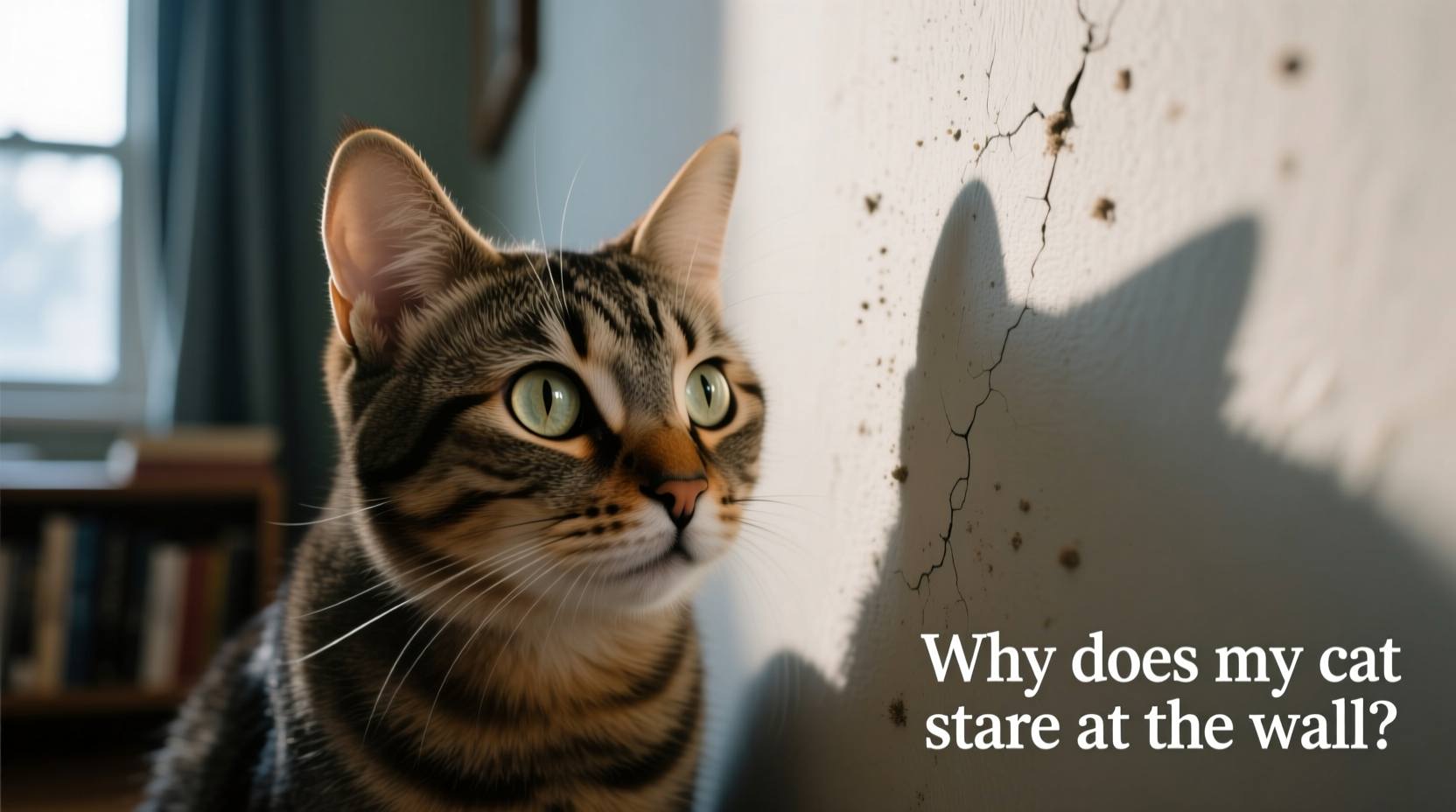
All cats exhibit moments of intense focus. It’s normal for a cat to pause, ears forward, eyes locked on a distant corner or ceiling. Perhaps they’ve spotted a dust mote drifting in a sunbeam or heard a mouse scratching inside the wall. These brief episodes are part of their predatory heritage. However, concern arises when:
- The staring lasts several minutes or recurs multiple times a day.
- Your cat appears unresponsive to calls or touch during these episodes.
- The behavior is paired with disorientation, vocalization, or trembling.
- It represents a clear departure from their usual personality or habits.
Such changes suggest that something beyond typical feline vigilance is occurring. The key lies not just in the act of staring, but in the context: frequency, duration, accompanying behaviors, and recent life changes.
Tip: Keep a simple log for 48 hours noting when the staring occurs, how long it lasts, and any other behaviors (e.g., pacing, meowing, loss of appetite). This record can be invaluable for your veterinarian.Potential Medical Causes Behind Wall Staring
Sudden behavioral shifts in cats are often rooted in physical health problems. When a cat fixates on a wall without apparent stimulus, neurological or sensory disorders should be ruled out first.
Epilepsy and Seizure Activity
Feline epilepsy can manifest subtly. Unlike dramatic convulsions seen in some animals, cats may experience partial (focal) seizures that involve motionless staring, twitching whiskers, or repetitive blinking. These episodes can last seconds to minutes and may go unnoticed unless you're watching closely.
“Cats often have silent seizures that owners mistake for daydreaming. If your cat seems ‘zoned out’ and doesn’t respond to stimuli, video the episode and show it to your vet.” — Dr. Lena Patel, Veterinary Neurologist
Vision or Hearing Impairment
Aging cats commonly develop cataracts, retinal degeneration, or inner ear issues. As sensory input diminishes, they may appear to stare into space because they’re compensating for lost sight or sound. They might also react to visual hallucinations caused by failing eyesight.
Hypertension and Cognitive Dysfunction
High blood pressure, particularly in older cats, can lead to retinal detachment or brain changes that result in confusion. Similarly, feline cognitive dysfunction syndrome (CDS)—similar to dementia in humans—can cause aimless wandering, nighttime vocalization, and prolonged fixation on objects.
Pain or Discomfort
Cats in pain often withdraw and adopt rigid postures. A cat suffering from dental disease, arthritis, or an abdominal issue might sit motionless, seemingly staring at nothing, when in fact they’re conserving energy or avoiding movement due to discomfort.
Psychological and Environmental Triggers
Not all causes of wall-staring are medical. Cats are highly sensitive to changes in their environment and emotional state. Stress, boredom, or anxiety can manifest in unusual behaviors.
Stress from Household Changes
Moving furniture, introducing a new pet, loud noises, or even a change in work schedules can disrupt a cat’s sense of security. In response, some cats retreat into hyper-vigilance, scanning their territory obsessively—even if there’s nothing to see.
Lack of Stimulation
An under-stimulated cat may invent things to watch. Subtle air currents, shadows from blinds, or reflections off windows can become fixation points when mental engagement is lacking. This is especially common in indoor-only cats without access to bird feeders, window perches, or interactive toys.
Anxiety and Compulsive Behaviors
In rare cases, chronic stress leads to compulsive disorders. A cat may develop a ritualistic pattern of staring, pacing, or licking. These behaviors start as coping mechanisms but can escalate into full-blown compulsions requiring behavioral intervention.
Tip: Enrich your cat’s environment with puzzle feeders, vertical spaces, and daily play sessions using wand toys to redirect obsessive tendencies.What You Should Do: A Step-by-Step Response Plan
If your cat has started staring at walls unexpectedly, follow this structured approach to determine the cause and take appropriate action.
- Observe and Document: Note the time, duration, and frequency of the behavior. Record any associated signs like drooling, falling over, or vocalizing.
- Check for Triggers: Look around the area where the staring occurs. Is there a draft? A flickering light? An insect trail behind the wall?
- Assess Overall Health: Monitor appetite, litter box use, grooming, and activity levels. Sudden weight loss, urination outside the box, or lethargy warrant immediate veterinary attention.
- Record a Video: Film an episode if possible. Many vets find visual evidence far more useful than descriptions.
- Schedule a Veterinary Exam: Request a full physical, including blood pressure check, bloodwork, and neurological assessment. Mention all observed changes, no matter how minor.
- Follow Up with Specialists if Needed: If initial tests are inconclusive, consider referral to a veterinary neurologist or behaviorist.
| Behavior | Possible Cause | Action Step |
|---|---|---|
| Staring for >2 minutes, unresponsive | Seizure, neurological issue | Video & consult vet immediately |
| Staring after loud noise or visitor | Stress/anxiety | Provide safe space, reduce triggers |
| Staring + bumping into objects | Vision loss, CDS | Ophthalmic exam, senior wellness panel |
| Staring + excessive meowing at night | Cognitive dysfunction, hypertension | Blood pressure test, lab work |
| Staring only near windows or vents | Environmental stimulus | Inspect for insects, drafts, reflections |
Real-Life Example: Bella’s Mysterious Episodes
Bella, a 10-year-old domestic shorthair, began sitting in the hallway every evening, staring intently at a blank section of wall. Her owner, Maria, initially dismissed it as quirky behavior. But when Bella started vocalizing softly during these episodes and seemed startled when called, Maria grew concerned.
She recorded a 90-second clip and brought it—and her observations—to Bella’s veterinarian. Bloodwork revealed elevated kidney values and high blood pressure. Further examination showed early retinal changes. Bella was diagnosed with hypertensive retinopathy secondary to chronic kidney disease.
With medication to control her blood pressure and a renal-support diet, Bella’s staring episodes decreased significantly within three weeks. Maria also added nightlights to help Bella navigate in low light, reducing her anxiety.
This case illustrates how a seemingly odd habit can be the first visible sign of a serious internal condition—one that, if caught early, can be managed effectively.
Do’s and Don’ts: Quick Reference Guide
| Do | Don’t |
|---|---|
| Monitor changes closely | Ignore sudden behavioral shifts |
| Keep a symptom journal | Delay veterinary consultation |
| Enrich your cat’s environment | Yell at or punish your cat for staring |
| Use video to document episodes | Assume it’s “just old age” without testing |
| Follow up on vet recommendations | Self-diagnose or medicate your cat |
Frequently Asked Questions
Is it normal for cats to stare at walls occasionally?
Yes, brief moments of focused attention are normal. Cats process sensory input differently than humans and may detect things we cannot see or hear. However, prolonged or repetitive staring, especially if new or disruptive, should be evaluated.
Can cats hallucinate?
Yes. Cats can experience hallucinations due to medical conditions such as seizures, hypertension, cognitive decline, or toxicity. For example, exposure to certain plants (like those in the *Solanum* family) or medications can alter perception.
Should I be worried if my older cat stares at walls?
Increased vigilance or zoning out in senior cats can be signs of cognitive dysfunction, vision loss, or systemic illness. While aging brings changes, significant behavioral shifts are not “normal” and deserve veterinary assessment.
Conclusion: Listen to What Your Cat Is Telling You
Cats communicate through behavior. A cat staring at a wall may not be seeing ghosts—it may be experiencing confusion, pain, or fear that it cannot express in words. Sudden changes are red flags, not quirks. By paying close attention, documenting patterns, and seeking professional guidance, you can uncover the root cause and restore your cat’s well-being.
Never underestimate the value of early intervention. Conditions like hypertension or early-stage kidney disease are manageable when detected promptly. What seems like a small oddity today could be the earliest warning sign of a treatable condition tomorrow.
💬 Have you noticed changes in your cat’s behavior? Share your experience or questions below. Your story might help another pet owner recognize a problem early and seek help.








