Cats are enigmatic creatures. Their behaviors often leave owners puzzled, amused, or even alarmed. One of the most unsettling moments for many cat parents is catching their pet locked in an intense, unblinking gaze at a blank wall. There’s no movement, no sound—just your cat, motionless, staring into what appears to be nothing. Is your cat seeing ghosts? Hallucinating? Or is there a logical explanation behind this seemingly bizarre behavior?
The truth is, wall-staring is more common than you might think. While it can sometimes signal a medical issue, in most cases, it’s rooted in natural feline instincts, sensory perception, or environmental triggers. Understanding why your cat stares at the wall begins with recognizing how cats experience the world differently from humans.
How Cats Perceive Their Environment
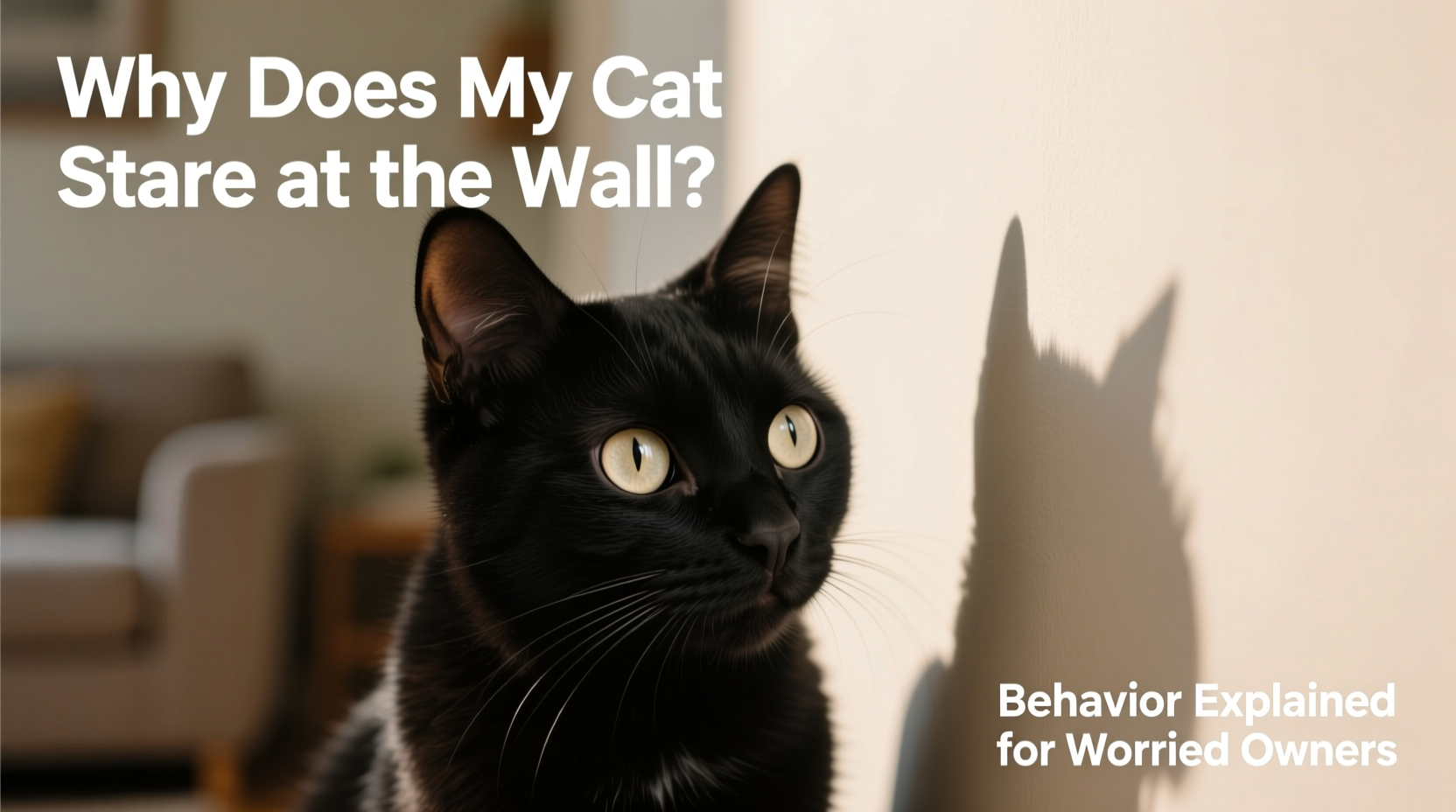
Cats operate on a sensory level that far surpasses human capabilities in certain areas. Their vision, hearing, and even whisker sensitivity allow them to detect subtle changes in their surroundings that we often overlook. A flicker of light, a draft under a door, or the faintest rustle inside a wall could capture a cat’s full attention.
Feline eyes are adapted for low-light conditions, making them excellent hunters at dawn and dusk. They’re particularly sensitive to movement, even the tiniest shifts in shadows or patterns. What looks like a blank wall to you may appear dynamic to your cat due to:
- Subtle light reflections from windows or electronics
- Movement of dust particles in sunbeams
- Shadows cast by swaying trees outside
- Vibrations or sounds within walls (e.g., pipes, rodents)
This heightened awareness means your cat may be reacting to stimuli invisible or imperceptible to you. The stare isn’t random—it’s focused. In fact, it’s often a sign of alertness, not confusion.
Tip: Observe the time of day and lighting conditions when your cat stares. Natural light changes often trigger visual fixation.Common Reasons Cats Stare at Walls
Not every instance of wall-staring requires veterinary intervention. Below are the most frequent explanations, ranging from instinctual to environmental.
1. Hunting Instincts in Action
Cats are hardwired to stalk and pounce. Even indoor cats retain these predatory behaviors. If there’s a small insect, spider, or fly near the baseboard or ceiling, your cat may fixate on it, tracking its every move. Sometimes, the prey escapes from view, but your cat continues to anticipate its return—hence the prolonged stare.
2. Auditory Stimuli You Can’t Hear
Cats hear frequencies up to 64 kHz, compared to humans’ 20 kHz. This means they can detect high-pitched sounds from rodents, insects, or even electrical devices. Mice scurrying inside walls, crickets chirping in insulation, or the hum of a refrigerator compressor may all draw your cat’s attention to a specific spot.
3. Visual Patterns and Light Play
Wall textures, wallpaper seams, or cracks can create optical illusions, especially in shifting light. A beam of sunlight moving across the wall may look like a slithering creature to a cat. Similarly, digital clocks or LED indicators on appliances can emit intermittent flashes that captivate feline curiosity.
4. Boredom or Lack of Stimulation
Inadequate mental stimulation can lead to repetitive or obsessive behaviors. A cat with limited toys, interaction, or enrichment may develop habits like staring at walls simply out of understimulation. This is especially common in indoor-only cats without access to windows or bird feeders.
5. Territory Monitoring
Cats are territorial animals. They routinely scan their environment for changes. A new shadow, displaced object, or unfamiliar scent (even if undetectable to you) may prompt your cat to investigate visually. The wall may represent a boundary they’re mentally patrolling.
“Cats don’t waste energy on meaningless actions. If your cat is staring at a wall, it’s because something in their environment has triggered their senses—even if we can’t perceive it.” — Dr. Lena Patel, Feline Behavior Specialist
When Wall-Staring Could Signal a Health Problem
While occasional wall-gazing is usually harmless, persistent or unusual staring should raise concern. Certain neurological or medical conditions can manifest through this behavior.
Potential Red Flags Include:
- Staring for extended periods (over 10–15 minutes) without response to stimuli
- Twitching, drooling, or disorientation during or after episodes
- Loss of balance, circling, or bumping into walls
- Sudden changes in appetite, litter box use, or social behavior
- Meowing at the wall or appearing distressed
If these signs accompany the staring, possible underlying issues include:
| Condition | Symptoms | Action Required |
|---|---|---|
| Epilepsy or Seizures | Glazed eyes, muscle twitching, loss of awareness | Immediate vet consultation; possible EEG or MRI |
| Vision Problems | Bumping into objects, dilated pupils, reluctance to jump | Ophthalmic exam recommended |
| Cognitive Dysfunction (in older cats) | Confusion, nighttime vocalization, soiling outside litter box | Veterinary behavioral assessment |
| Hypertension or Hyperthyroidism | Restlessness, weight loss, increased thirst | Blood tests and blood pressure check |
Mini Case Study: Bella the Siamese
Bella, a 7-year-old Siamese cat, began staring at the same corner of her owner’s bedroom every evening. At first, her owner dismissed it as quirky behavior. But over time, Bella started meowing loudly at the wall and pacing afterward. Concerned, the owner recorded a video and brought it to the vet. After examination, Bella was diagnosed with early-stage hypertension, which can cause visual disturbances and neurological symptoms. With medication and dietary changes, her behavior normalized within weeks. This case highlights how subtle behavioral shifts can be early warnings of illness.
What You Can Do: A Step-by-Step Guide
If your cat frequently stares at walls, follow this practical timeline to assess and address the situation.
- Observe and Document (Days 1–3): Note the time, duration, frequency, and any associated behaviors (vocalizing, twitching, etc.). Record a short video if possible.
- Inspect the Environment (Day 4): Check for drafts, insects, light sources, or electronic devices near the wall. Use a flashlight to look for cracks or entry points.
- Enhance Enrichment (Ongoing): Introduce puzzle feeders, rotating toys, window perches, or interactive play sessions to reduce boredom.
- Monitor for Changes (Week 2): If the behavior decreases with enrichment, it was likely behavioral. If it persists or worsens, proceed to step five.
- Schedule a Veterinary Visit (By Day 14): Share your observations with your vet. Request a full physical, including neurological and ocular exams, and blood work if your cat is over 7 years old.
Prevention and Environmental Optimization
Creating a stimulating, secure environment reduces the likelihood of obsessive behaviors. Consider these strategies:
- Install window perches: Allow your cat to observe outdoor activity, satisfying their hunting instincts safely.
- Use automated toys: Motion-activated balls or laser pointers provide engagement when you’re away.
- Rotate toys weekly: Novelty prevents habituation and keeps your cat mentally active.
- Play calming music: Studies show classical or species-specific music can reduce feline stress.
- Avoid sudden changes: Cats thrive on routine. Gradually introduce new furniture or pets.
Checklist: Is Your Cat’s Wall-Staring Normal?
- ✅ Occurs occasionally and lasts less than a minute
- ✅ Cat responds normally when called
- ✅ No physical symptoms (tremors, drooling, imbalance)
- ✅ Happens in conjunction with visible stimuli (light, shadows, bugs)
- ✅ Stops after environmental change (e.g., turning off a light)
If you answered “no” to most of these, further investigation is warranted.
Frequently Asked Questions
Is it normal for cats to stare at walls for long periods?
Occasional brief staring is normal, especially if triggered by light or sound. However, staring for several minutes without response to external stimuli is not typical and should be evaluated by a veterinarian.
Can cats see spirits or things we can’t?
There’s no scientific evidence that cats see “ghosts.” However, their superior night vision and acute hearing allow them to detect movements and sounds beyond human perception, which may explain behaviors that seem supernatural.
Should I stop my cat from staring at the wall?
Interrupting briefly is fine—call their name or offer a toy. But avoid startling them, especially if they appear entranced. Sudden disruptions can increase anxiety. Instead, gently redirect their attention with play or treats.
Conclusion: Understanding, Not Fear
Your cat’s wall-staring doesn’t have to be a mystery—or a source of worry. In most cases, it’s a reflection of their finely tuned instincts and sensory awareness. By observing context, enriching their environment, and knowing when to seek professional help, you can ensure your cat remains healthy, happy, and mentally stimulated.
Remember, cats communicate through behavior. What seems strange to us is often deeply meaningful to them. Rather than dismissing it as odd, take the opportunity to deepen your understanding of your feline companion. If in doubt, trust your instincts as a caregiver—your attention could catch a health issue early and make all the difference.
💬 Has your cat ever stared at a wall in a way that puzzled you? Share your story in the comments—your experience might help another worried owner find answers.








