Cats have a reputation for quirky behavior—knocking things off tables, chasing invisible prey, and, most famously, squeezing into cardboard boxes much too small for them. It’s a common sight: your cat, curled up in a shipping box, seemingly oblivious to the spacious cat bed you bought just last week. While it may seem whimsical or even inexplicable, there’s deep psychological and biological reasoning behind this behavior. Understanding why cats are drawn to boxes isn’t just amusing—it offers insight into their emotional needs, cognitive processes, and evolutionary history.
The attraction isn’t random. From wild ancestors to modern domestic companions, felines have always sought out enclosed spaces for survival, comfort, and mental well-being. This article explores the science and psychology behind your cat’s love of boxes, including instinctual drives, stress regulation, and environmental enrichment. Whether you're a curious pet owner or a behavior enthusiast, uncovering the roots of this habit can help improve your cat’s quality of life—and deepen your bond.
The Evolutionary Instinct: Safety Through Concealment
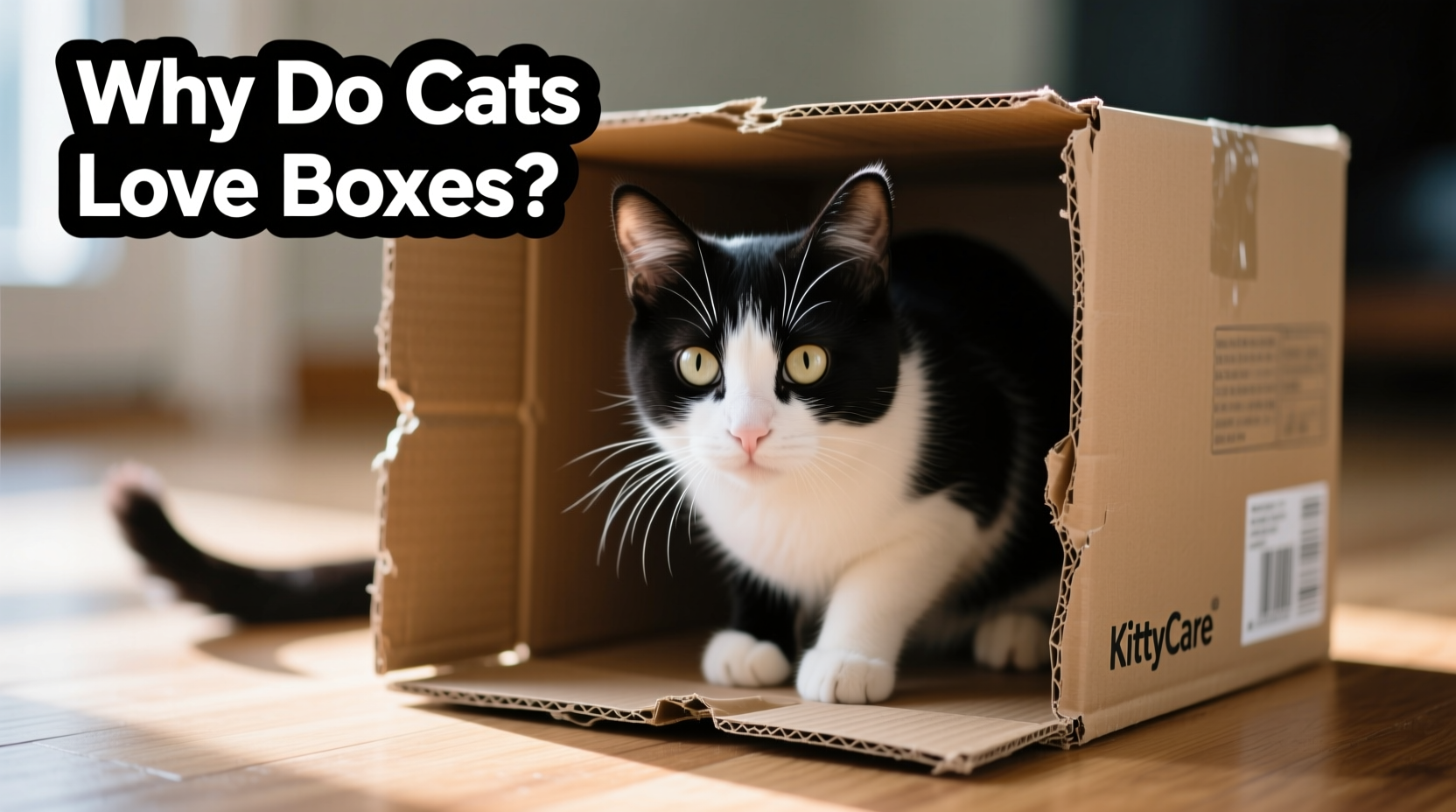
In the wild, cats are both predators and prey. Small, solitary hunters like the African wildcat—the ancestor of today’s domestic cat—rely on stealth and concealment to survive. Enclosed spaces offer protection from larger predators and provide an ideal vantage point for ambushing prey. This dual role has hardwired cats to seek out sheltered spots where they can observe without being seen.
Boxes mimic the natural dens or burrows that wild cats would use. The walls provide physical barriers that reduce exposure, making cats feel less vulnerable. Even indoor cats, generations removed from the wild, retain these instincts. A 2016 study published in *Applied Animal Behaviour Science* found that shelter cats given access to hiding boxes showed significantly lower stress levels than those without. The researchers concluded that “hiding is a coping mechanism in stressful environments,” reinforcing the idea that enclosure equals safety.
This need for concealment remains strong even in secure homes. A box becomes a private retreat—a place where your cat can disengage from household activity, children, other pets, or loud noises. It’s not about preference; it’s about survival programming.
Tip: Always provide at least one enclosed space per cat in multi-cat households to reduce territorial tension.Thermoregulation: Warmth and Comfort
Cats prefer warmer ambient temperatures than humans do—typically between 86°F and 97°F (30–36°C). Cardboard boxes, despite their humble appearance, act as excellent insulators. The corrugated material traps body heat, creating a cozy microclimate. When your cat curls up inside, its own warmth is reflected back, reducing the energy needed to maintain body temperature.
This is especially important for older cats or those with medical conditions like arthritis, which can worsen in cooler environments. A box lined with a soft towel or blanket amplifies this effect, turning a simple container into a personalized heating pad. Even in warm rooms, cats often choose boxes over open beds because the walls prevent heat loss from drafts or air conditioning.
Interestingly, kittens raised in litters also huddle together for warmth. Boxes replicate this communal nesting instinct by providing boundaries that simulate closeness—even when the cat is alone. The sense of containment triggers feelings of comfort akin to early kittenhood, offering both physical warmth and emotional reassurance.
Stress Reduction and Environmental Control
Modern homes are full of stimuli: sudden noises, unfamiliar visitors, new furniture, or changes in routine. For a species that thrives on predictability, these disruptions can be overwhelming. Boxes serve as emotional sanctuaries, allowing cats to regain a sense of control.
Research conducted at Utrecht University revealed that cats exposed to new environments exhibited fewer signs of anxiety when provided with hiding places. The study measured behaviors such as vocalization, hiding duration, and exploratory activity. Cats with access to boxes acclimated faster and displayed more confident movement patterns within days.
“Hiding is not avoidance—it’s active coping. When cats can regulate their exposure to stressors, they recover emotionally quicker.” — Dr. Sarah Ellis, Co-Author of *The Trainable Cat*
This concept, known as “behavioral thermoregulation of emotion,” suggests that physical environment directly influences emotional state. By retreating into a box, a cat limits sensory input, lowers arousal, and resets its nervous system. It’s similar to how humans might close a door during a busy day to regain focus.
For rescue cats or those adjusting to new homes, boxes can be critical tools in reducing fear-based aggression or withdrawal. Placing a few open-top containers around key areas (near food, litter, or sleeping zones) gives cats multiple safe options to navigate their world at their own pace.
Play, Predation, and Mental Stimulation
Not all box-sitting is about rest or safety. Many cats use boxes as hunting blinds—strategic outposts for pouncing on unsuspecting toes or toys. The confined space enhances focus and mimics the cover used during stalking. Once inside, a cat can remain motionless, ears forward, eyes locked on movement, ready to spring.
This predatory rehearsal is vital for mental health. Indoor cats, while safe, often lack opportunities for natural behaviors like chasing, capturing, and exploring. Boxes transform mundane spaces into dynamic playgrounds. Cut a few holes in the sides, add crumpled paper or feather toys, and you’ve created an interactive puzzle that stimulates problem-solving and motor skills.
A mini case study illustrates this well: Luna, a three-year-old tabby living in a high-rise apartment, began showing signs of boredom—excessive grooming and nighttime yowling. Her owner introduced rotating cardboard enclosures with hidden treats and peepholes. Within two weeks, Luna’s disruptive behaviors decreased by 70%, according to a behavioral log. She spent hours investigating, batting objects through openings, and napping between sessions. The boxes didn’t just entertain—they fulfilled unmet cognitive needs.
DIY Box Enrichment Checklist
- Use clean, non-toxic cardboard (remove tape and labels)
- Cut multiple viewing holes at different heights
- Add soft lining (towel or fleece) for comfort
- Rotate boxes weekly to maintain novelty
- Hide treats or toys inside to encourage exploration
- Place near windows or high-traffic areas for stimulation
Do’s and Don’ts of Feline Box Provision
| Do’s | Don’ts |
|---|---|
| Provide multiple boxes in different rooms | Force your cat into a box |
| Ensure boxes are large enough to turn around in | Use boxes with sharp edges or staples exposed |
| Replace damp or soiled boxes promptly | Block escape routes—cats need exit options |
| Let your cat claim ownership—don’t move occupied boxes | Assume all cats like small spaces (some prefer open shelves) |
| Use boxes as part of environmental enrichment plans | Ignore signs of obsessive hiding (could indicate illness) |
When Hiding Becomes a Concern
While occasional box use is normal, excessive hiding may signal underlying issues. If your cat suddenly stops interacting, avoids food or litter, or hides continuously—even in familiar settings—it could indicate pain, illness, or chronic stress.
Common medical causes include urinary tract infections, dental pain, or hyperthyroidism, all of which make cats withdrawn. Behavioral triggers might involve inter-cat conflict, recent adoption trauma, or noise phobias (e.g., thunderstorms, construction). In these cases, simply adding more boxes isn’t enough. A veterinary checkup should precede any behavioral intervention.
If medical concerns are ruled out, consider modifying the broader environment. Are resources (food, water, litter) easily accessible? Is there vertical space for escape? Are there safe observation points away from foot traffic? Addressing these elements often reduces dependency on single hiding spots.
Frequently Asked Questions
Why does my cat sit in boxes but ignore expensive cat beds?
Many commercial cat beds lack the high-sided structure that provides a sense of security. Softness doesn’t compensate for openness. Cats prioritize perceived safety over plush materials. Try placing a bed inside a low-walled box or choosing igloo-style designs that mimic enclosure.
Is it safe for cats to chew on cardboard?
In small amounts, yes. Chewing non-toxic cardboard is generally harmless and may satisfy mild oral fixation. However, monitor for ingestion of large pieces, glue, or printed ink. If your cat consumes significant amounts, consult a vet—this could indicate pica, a condition linked to nutritional deficiencies or compulsive disorders.
How many boxes should I provide for my cat?
A good rule is one hiding spot per cat, plus one extra. Rotate them weekly to maintain interest. In multi-level homes, distribute boxes across floors to give cats choices based on temperature, light, and activity level.
Creating a Cat-Friendly Environment: A Step-by-Step Guide
- Assess your home layout: Identify high-traffic zones, noisy appliances, and areas lacking cover.
- Introduce starter boxes: Place medium-sized, open-top cardboard containers in quiet corners near resting or feeding areas.
- Enhance comfort: Line boxes with removable, washable fabric to improve warmth and scent familiarity.
- Add enrichment features: Cut viewing holes, insert tunnels, or hide toys inside to encourage interaction.
- Monitor usage: Note which boxes are used and when. Adjust placement based on your cat’s preferences.
- Rotate regularly: Swap in new boxes every 5–7 days to prevent habituation and maintain curiosity.
- Evaluate behavior: Watch for changes in confidence, playfulness, or social interaction after implementation.
Conclusion: Respecting the Box-Loving Mindset
The next time you catch your cat wedged into a shoebox or lounging in a delivery container, resist the urge to remove them. That box isn’t just a passing fancy—it’s a psychological anchor, a thermal refuge, and a territory marker all in one. By embracing this natural tendency, you’re not indulging a quirk; you’re supporting your cat’s emotional architecture.
Understanding the “why” behind box-sitting transforms how we design living spaces for cats. Instead of focusing solely on aesthetics or convenience, we can create environments rooted in feline needs: safety, control, warmth, and stimulation. A few strategically placed boxes cost little but yield immense returns in calmness, confidence, and connection.
💬 What’s the strangest place your cat has chosen to “box”? Share your story and tips with fellow cat lovers in the comments!








