Cats are creatures of instinct, curiosity, and precision—but sometimes their behaviors leave us baffled. One of the most common yet frustrating habits among domestic cats is knocking over their water bowls. Whether it’s a light nudge sending ceramic flying or a full paw-sweep across the kitchen floor, this behavior can feel like a daily battle. While it might seem random or even mischievous, there’s usually a deeper reason behind it. Understanding the root causes—and implementing effective solutions—can save you time, stress, and constant mopping.
The good news? This behavior is rarely malicious. More often, it stems from natural instincts, environmental discomfort, or unmet needs. With thoughtful observation and targeted adjustments, most cats can be redirected from bowl-toppling to peaceful hydration. This guide breaks down the real reasons behind the tipping, offers science-backed strategies, and provides practical steps you can start today.
Understanding the Instincts Behind the Behavior
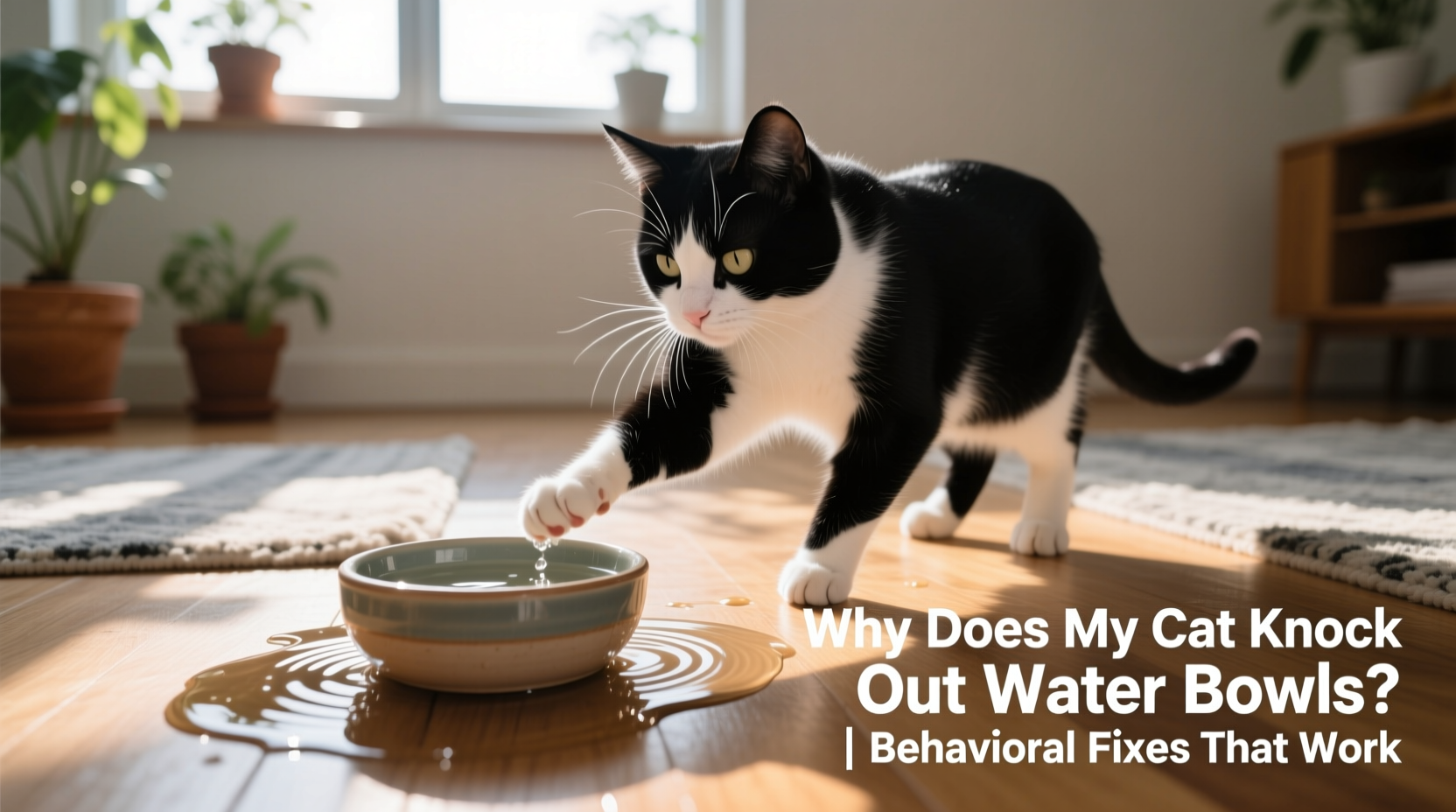
To address why your cat knocks over its water bowl, you must first recognize that cats don’t act without reason. Even seemingly destructive actions often serve a purpose rooted in survival, comfort, or sensory input.
One primary explanation lies in evolutionary biology. In the wild, stagnant water is dangerous. Moving or disturbing water may signal freshness—a ripple could mean safety from contamination. Your cat might tap or flip the bowl to “test” the water, mimicking how feral cats paw at streams to ensure flow and drinkability.
Another factor is whisker sensitivity. Cats have highly sensitive whiskers (vibrissae) that help them navigate tight spaces. When a bowl is too narrow or deep, the sides press against these nerves, causing discomfort known as “whisker fatigue.” A cat may avoid drinking by pawing at the water instead—or knock the bowl over entirely to access water without touching the sides.
Boredom and excess energy also play a role. Indoor cats, especially those without sufficient stimulation, may treat objects as toys. A water bowl becomes an interactive puzzle: push it, watch it move, get a reaction. If knocking it over earns attention—even scolding—it reinforces the behavior.
“Cats are not being ‘naughty’ when they disrupt their water—they’re responding to instinct, discomfort, or environment. The key is to decode the message behind the action.” — Dr. Lena Torres, Feline Behavior Specialist
Common Triggers and How to Identify Them
Before applying solutions, pinpoint what’s driving your cat’s behavior. Start with a simple observation log: note when the tipping happens, how your cat interacts with the bowl, and what follows. Look for patterns such as timing (after meals, during solo time), body language (playful swatting vs. cautious tapping), and location (near food, high-traffic area).
Here are the most frequent triggers:
- Whisker Stress: Signs include reluctance to eat or drink fully, head tilting while drinking, or pawing at food before eating.
- Water Stagnation: Cats may prefer running water. If the bowl is still, they may try to “activate” it.
- Location Anxiety: Bowls placed near loud appliances, foot traffic, or litter boxes can make cats uneasy, leading to avoidance or agitation.
- Play or Attention-Seeking: If your cat glances at you after tipping, it may have learned that this behavior gets a response.
- Material Preference: Some cats dislike the sound or feel of metal or plastic. Ceramic or glass may be more appealing.
Proven Behavioral Fixes That Work
Once you’ve identified potential causes, apply targeted solutions. Success comes not from punishment—which only increases anxiety—but from environmental enrichment and positive reinforcement.
1. Switch to a Wider, Shallow Bowl
Replace narrow or deep containers with wide, shallow dishes. Stainless steel or ceramic options with a broad rim give cats space to drink without whisker contact. Avoid bowls taller than 2 inches for average-sized cats.
2. Introduce a Cat Water Fountain
Running water appeals to a cat’s instinct for freshness. Fountains provide continuous flow, reducing stagnation and encouraging more drinking. Choose models with quiet pumps and multiple flow settings. Clean weekly to prevent algae and mineral buildup.
3. Relocate the Water Source
Move the bowl away from the food dish. In the wild, cats avoid eating and drinking in the same spot to reduce contamination risk. Place water in quiet, low-traffic areas—like a hallway or spare bathroom. Offer multiple stations if you have a multi-level home.
4. Use Heavier or Non-Tip Bowls
Opt for weighted bases or bowls designed to resist tipping. Some attach to mats via suction; others have rubberized undersides. While not foolproof, they buy time while you address underlying causes.
5. Increase Environmental Enrichment
If boredom drives the behavior, enrich your cat’s world. Rotate toys daily, introduce puzzle feeders, and schedule interactive play sessions with wand toys. A tired cat is less likely to seek out mischief.
6. Reward Calm Interactions
Use treats or praise when your cat approaches the bowl without pawing. Clicker training can reinforce desired behavior: click and reward the moment they drink peacefully. Consistency over days builds new habits.
Step-by-Step Plan to Stop the Tipping
Implement changes gradually. Sudden shifts can confuse cats and worsen stress. Follow this timeline for best results:
- Day 1–2: Observe and Document
Track when and how the bowl is knocked over. Note your cat’s mood and surroundings. - Day 3: Adjust Placement
Move the bowl at least 3–4 feet from food and high-noise areas. Try a different room. - Day 4–5: Upgrade the Bowl
Introduce a wide, shallow ceramic dish. Let your cat investigate it beside the old one. - Day 6–7: Add a Fountain
Place a clean water fountain nearby. Fill both sources so your cat can choose. - Day 8–14: Reinforce Positive Behavior
Offer a treat each time your cat drinks without pawing. Ignore any tipping—don’t react verbally or physically. - Week 3+: Monitor and Maintain
Remove the old bowl once consistent use of the new system is established. Clean all equipment every 2–3 days.
This phased approach respects your cat’s need for routine while gently guiding better habits. Most cats adapt within two to three weeks.
Do’s and Don’ts: What Actually Helps (and What Makes It Worse)
| Do | Don’t |
|---|---|
| Use wide, shallow bowls to prevent whisker stress | Use narrow or deep bowls that press against whiskers |
| Place water away from food and litter boxes | Keep water next to noisy appliances or high-traffic zones |
| Introduce changes slowly and side-by-side | Suddenly replace all familiar items at once |
| Provide running water via a fountain | Assume your cat will drink from still water if it’s “available” |
| Reinforce calm drinking with treats or affection | Yell or punish when the bowl is tipped—this increases anxiety |
| Clean bowls and fountains every 2–3 days | Let algae or slime build up, which deters drinking |
Real Example: How Mia Stopped the Midnight Spills
Mia, a 3-year-old tabby living in a busy Brooklyn apartment, had a reputation for nightly water disasters. Her owner, James, would wake to soaked rugs and empty bowls—despite using heavy ceramic dishes. Frustrated, he consulted a behaviorist who suggested observing Mia’s routine.
He noticed she always pawed at the bowl after her evening meal, then knocked it over shortly after. The bowl sat right next to her food in the kitchen corner, near the humming refrigerator. She’d glance at James afterward, tail flicking.
Following the step-by-step plan, James moved a wide stainless steel dish to a quiet hallway shelf, added a quiet fountain, and began offering a treat whenever Mia drank without interference. He stopped reacting to spills entirely.
Within ten days, Mia was drinking regularly from the fountain. The spills ceased. “I realized she wasn’t being defiant,” James said. “She just wanted quieter, fresher water—and I was accidentally rewarding the mess by paying attention to it.”
FAQ: Common Questions About Cats and Water Bowls
Why does my cat only knock over the water at night?
Nighttime activity aligns with a cat’s natural crepuscular rhythm—most active at dawn and dusk. Lower household noise may make water-pawing more noticeable. It could also indicate thirst after dry food consumption or a habit reinforced by attention during evening hours.
Is my cat trying to tell me something by doing this?
Yes—though not in words. Knocking over water often signals discomfort (e.g., whisker stress), dissatisfaction with water quality, or a need for mental stimulation. It’s a form of communication, not defiance.
Should I stop giving my cat water in a bowl altogether?
Not necessarily. Many cats do well with bowls if they’re the right shape, size, and location. However, a water fountain often resolves issues related to stagnation and preference. You can offer both and let your cat choose.
Final Thoughts: Patience, Observation, and Consistency
Stopping your cat from knocking over water bowls isn’t about control—it’s about understanding. Every paw swipe carries meaning. By addressing the real reasons behind the behavior—whether sensory discomfort, instinctual preferences, or environmental stress—you create a home where your cat feels safe, satisfied, and hydrated.
Success doesn’t come overnight. It requires patience, careful observation, and small, consistent changes. But the payoff is worth it: fewer messes, better hydration, and a stronger bond built on trust rather than correction.
💬 Have a tip that worked for your cat? Share your experience in the comments—your solution might help another frustrated pet owner find peace (and dry floors).








