
Cat owners often find themselves on the receiving end of a peculiar yet endearing behavior: their cat rhythmically pushing their paws into their lap, arms, or chest as if kneading dough. This motion, sometimes accompanied by purring or half-closed eyes, is more than just a quirky habit—it’s deeply rooted in emotion, memory, and instinct. While it may seem random, kneading is a complex behavior that reveals much about your cat’s inner world. Understanding why your cat engages in this ritual can deepen your bond and help you interpret their emotional needs.
The Origins of Kneading: A Behavior from Kittenhood
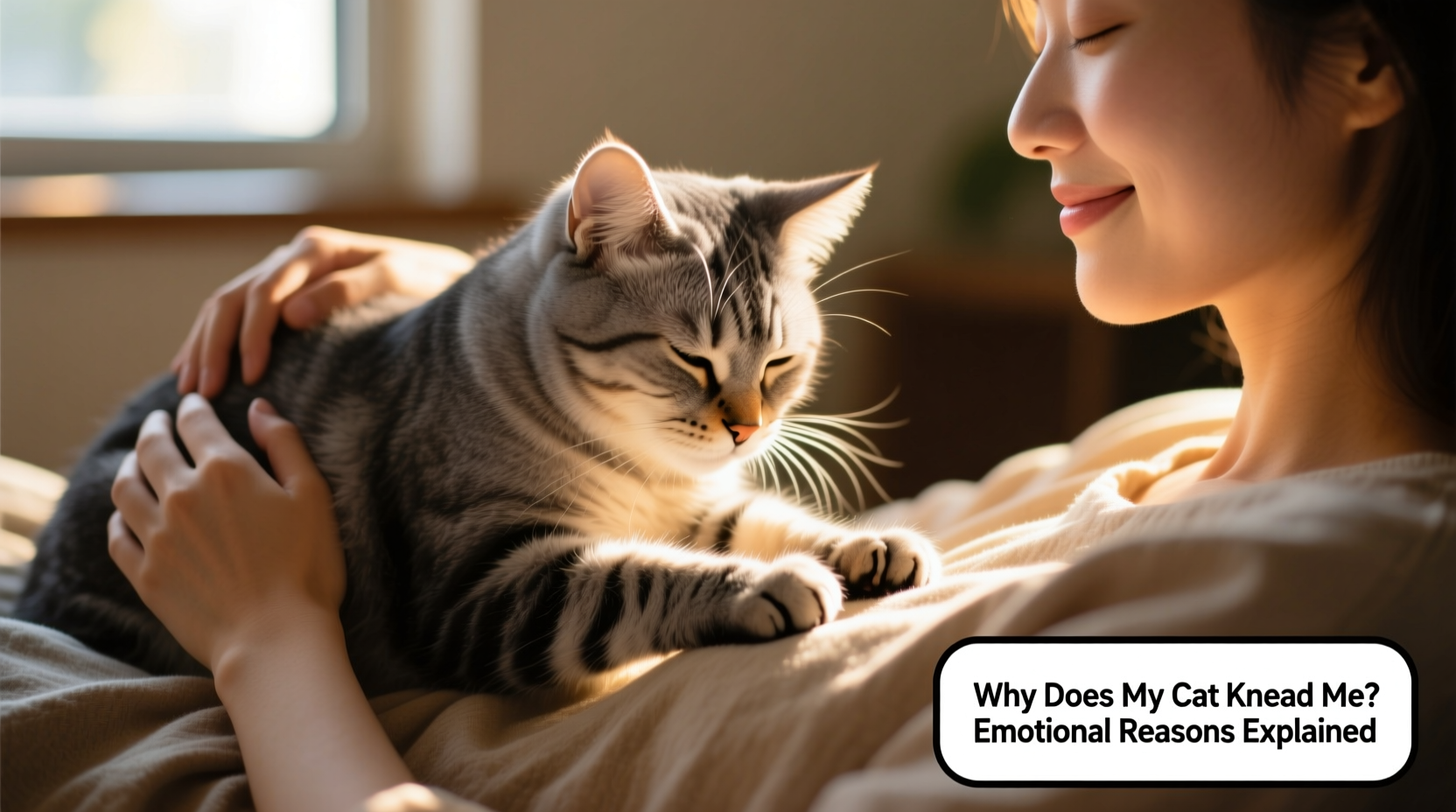
Kneading begins in the earliest days of a cat’s life. As newborn kittens nurse, they use their front paws to massage their mother’s mammary glands. This action stimulates milk flow, ensuring they receive adequate nourishment. The rhythmic motion is both functional and comforting, linking physical touch with warmth, safety, and sustenance.
As cats grow, they retain this behavior into adulthood—even though they no longer need to stimulate milk production. The act becomes emotionally charged, associated with feelings of security and contentment. When your cat kneads you, they are essentially revisiting a moment of profound comfort from infancy. It’s not just a reflex; it’s an emotional echo of early bonding.
Tip: If your cat kneads during petting or cuddling, it’s a strong sign they feel safe and emotionally connected to you.Emotional Significance of Kneading in Adult Cats
In adult cats, kneading transcends its original purpose and evolves into a multifaceted emotional expression. It often occurs when a cat is relaxed, happy, or seeking closeness. The behavior serves several psychological functions:
- Reassurance and comfort: Kneading helps cats self-soothe, especially in unfamiliar or stressful environments. By repeating a motion tied to early nurturing, they recreate a sense of safety.
- Bonding and affection: When directed toward a human, kneading is a gesture of trust. Your cat sees you as a caregiver figure, akin to their mother.
- Territorial marking: Cats have scent glands in their paw pads. Each press releases pheromones, subtly marking you as part of their trusted territory.
- Preparation for rest: In the wild, cats would knead tall grass or leaves to create a soft, secure sleeping area. Domestic cats transfer this nesting instinct to laps and blankets.
This blend of instinct and emotion makes kneading a rich form of nonverbal communication. It’s one of the purest indicators that your cat feels at ease in your presence.
“Kneading is one of the most honest behaviors cats display. It’s not performed for show—it happens when they’re emotionally settled and feel completely secure.” — Dr. Rachel Stahl, Feline Behavioral Specialist
Why Do Some Cats Knead More Than Others?
Not all cats knead, and those that do may vary in frequency and intensity. These differences often stem from temperament, early experiences, and environment.
Cats who were weaned early or had inconsistent maternal care may knead more persistently as adults, possibly compensating for lost comfort. Conversely, some cats never develop the habit, either due to genetics or lack of reinforcement during kittenhood.
Environmental factors also play a role. A cat in a stable, low-stress home is more likely to express natural behaviors like kneading. In contrast, anxious or fearful cats may suppress such actions unless they’ve formed a deep bond with a particular person.
| Cat Type | Kneading Tendency | Emotional Context |
|---|---|---|
| Confident, social cats | Frequent, relaxed kneading | Expressing affection and contentment |
| Anxious or shy cats | Rare or only with trusted humans | Sign of deep trust when observed |
| Cats weaned early | Intense or prolonged kneading | Potential emotional compensation |
| Senior cats | May increase kneading with age | Seeking comfort and routine |
Managing Kneading: Comfort vs. Practicality
While kneading is a positive emotional signal, it can sometimes be uncomfortable—especially if your cat has sharp claws. Rather than discouraging the behavior entirely, which could damage trust, consider humane adjustments that preserve emotional expression while protecting your skin and clothing.
Step-by-Step Guide to Managing Kneading Comfortably
- Trim your cat’s claws regularly: Use cat-specific clippers every 1–2 weeks to minimize scratching.
- Place a barrier between paws and skin: Drape a soft blanket or thick sweater over your lap during cuddle sessions.
- Redirect gently if discomfort arises: If the pressure becomes too intense, calmly shift your cat’s position or offer a nearby pillow to knead instead.
- Reinforce calm behavior: Reward gentle kneading with soft praise or treats to encourage moderation.
- Avoid punishment: Never scold or push your cat away mid-knead. This can erode trust and suppress natural emotional outlets.
When Kneading Signals Stress or Anxiety
While usually a sign of contentment, excessive or sudden changes in kneading behavior can indicate underlying stress. For example, a cat that begins kneading obsessively—especially while vocalizing, drooling excessively, or seeming agitated—may be struggling emotionally.
Situations that can trigger anxiety-related kneading include:
- Relocation or changes in household routine
- Introduction of new pets or people
- Illness or pain (cats may knead areas that hurt, seeking comfort)
- Grief after losing a companion animal or human
If your cat starts kneading in unusual places (like hard floors or walls), at odd times (such as late at night), or shows signs of distress, consult a veterinarian. Medical issues like hyperesthesia syndrome or hormonal imbalances can manifest through repetitive behaviors.
Mini Case Study: Luna, the Rescue Cat
Luna, a three-year-old domestic shorthair, was adopted from a shelter after being found stray at eight weeks old. Her new owner, Mark, noticed she rarely purred and avoided close contact. Over months of patient interaction, Luna began sitting near him, then eventually climbed onto his lap. One evening, as Mark read, Luna started kneading his leg vigorously—so much so that he initially asked her to stop.
After consulting a feline behaviorist, Mark learned that Luna’s intense kneading was a breakthrough in emotional healing. Having missed consistent maternal contact, the act was her way of reclaiming lost comfort. He began using a thick quilt during sessions and stopped interrupting her. Within weeks, Luna’s overall demeanor improved—she purred more, slept soundly, and even initiated play.
This case illustrates how kneading can be both therapeutic and diagnostic. For rescue or trauma-affected cats, the return of infantile behaviors like kneading often marks progress in emotional recovery.
Do’s and Don’ts of Responding to Kneading
| Do’s | Don’ts |
|---|---|
| Allow kneading in safe, controlled settings | Yell at or punish your cat for kneading |
| Use soft barriers to protect skin | Ignore signs of pain or overstimulation |
| Observe context—note when and where it happens | Assume all kneading means happiness (watch for tension or agitation) |
| Encourage bonding through gentle touch during kneading | Force interaction if your cat seems reluctant |
| Consult a vet if behavior changes suddenly | Disregard excessive drooling or lethargy during episodes |
FAQ: Common Questions About Cat Kneading
Is kneading a sign that my cat wants food or attention?
Not usually. While cats may knead when they’re about to settle down for a nap or after eating, the behavior itself is more about emotional regulation than requesting something. If your cat approaches you, kneads, and then walks away, they’re likely expressing contentment, not making a demand.
Why does my cat drool when kneading?
Drooling during kneading is common and typically harmless. It’s linked to deep relaxation and the reactivation of kitten nursing memories. Just as suckling triggered saliva production, the motion of kneading can reactivate that physiological response. As long as your cat is otherwise healthy, this is a sign of extreme comfort.
Can I train my cat to stop kneading?
You can redirect the behavior, but eliminating it entirely is neither advisable nor realistic. Kneading is emotionally significant. Instead of suppression, focus on management—using blankets, trimming claws, or offering alternative surfaces. Training should aim for coexistence, not elimination.
Conclusion: Embracing the Emotional Language of Cats
Kneading is far more than a mechanical habit—it’s a window into your cat’s emotional history and present state of mind. When your cat presses their paws into you like dough, they are sharing a moment of vulnerability, trust, and deep-seated comfort. This behavior connects them to their earliest memories of safety and love, and by accepting it, you affirm your role as a source of security in their world.
Instead of viewing kneading as a nuisance, see it as a compliment—a living testament to the bond you’ve built. With thoughtful care and understanding, you can support this natural expression while keeping both you and your cat comfortable.
💬 Have a story about your cat’s kneading habits? Share your experience in the comments—your insights might help another cat owner understand their feline friend better.








