
Cat owners often find themselves puzzled—yet charmed—by their pet’s tendency to rhythmically push their paws in and out against soft surfaces like blankets, pillows, or even laps. This behavior, known as \"kneading,\" resembles a baker working dough, which is why cats are sometimes affectionately called \"bakers.\" While it may seem odd or even uncomfortable when claws are involved, kneading is deeply rooted in instinct and emotion. Understanding why cats knead offers insight into their psychology, early development, and bond with humans.
Kneading typically begins in kittenhood and persists into adulthood, suggesting it serves more than just a physical function. It's not random—it's a behavior laden with meaning, comfort, and survival mechanisms passed down through generations. Whether your cat gently presses a fleece throw or digs into your thigh during cuddle time, this action connects them to primal needs and emotional security.
The Origins of Kneading: A Kitten’s First Survival Skill
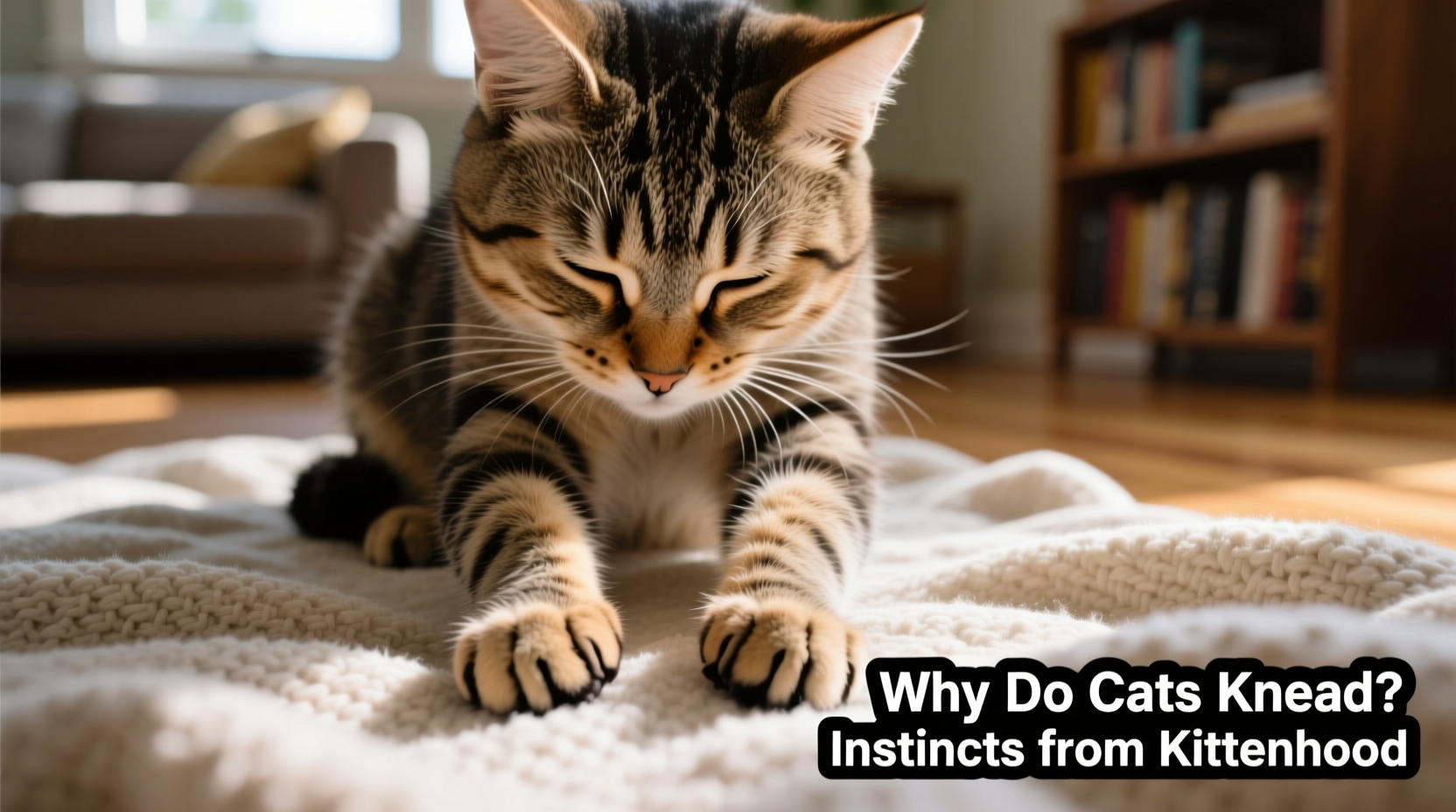
In the earliest days of life, kittens rely entirely on their mother for nourishment. One of their first coordinated movements is using their front paws to stimulate milk flow from the queen’s mammary glands. This instinctive motion helps ensure they receive enough milk, especially in litters where competition exists. The rhythmic pressing triggers oxytocin release in the mother, promoting let-down reflex and strengthening the maternal bond.
This early experience imprints a powerful association between kneading, warmth, safety, and sustenance. Even after weaning, adult cats retain this behavior—not because they expect milk, but because the act itself evokes deep-seated feelings of comfort and contentment. When a grown cat kneads a soft blanket, it's likely recalling the sensory memory of nursing: warmth, fullness, and closeness to their mother.
“Kneading is one of the clearest examples of neonatal behavior persisting into adulthood due to its strong emotional reinforcement.” — Dr. Sarah Ellis, Feline Behavior Scientist, University of Lincoln
Because this behavior is tied to such positive early experiences, cats often engage in it when relaxed or preparing to nap. It becomes a self-soothing ritual, much like thumb-sucking in human children, helping them transition into a state of calm.
Emotional and Territorial Reasons Cats Knead
Beyond nostalgia for kittenhood, kneading serves several psychological and social functions in adult cats. These include marking territory, expressing affection, and creating a comfortable resting space.
Scent Marking Through Pheromones
Cats have scent glands located in the soft pads of their paws. Each time they press into a surface, they deposit pheromones—chemical signals that communicate familiarity and ownership. In the wild, scent marking helps establish safe zones within a territory. At home, when a cat kneads your lap or favorite couch, they’re effectively saying, “This is mine. I feel safe here.”
This territorial signaling isn’t aggressive; rather, it’s a way for cats to create an environment saturated with reassuring scents. For a creature that relies heavily on smell, surrounding themselves with familiar odors reduces stress and increases perceived safety.
Expressing Affection and Trust
Kneading often occurs during moments of intimacy—while being petted, sitting beside you on the sofa, or settling into sleep. Because cats are selective about whom they show vulnerability to, engaging in such a defenseless, repetitive motion indicates high levels of trust. If your cat kneads you directly, consider it a compliment. They associate you with the same comfort they felt with their mother.
Tip: Place a thick blanket or cushion over your lap when your cat starts kneading to protect your skin while still encouraging bonding.Kneading as Nest-Building Instinct
Long before domestication, wild ancestors of modern cats would prepare sleeping areas by trampling down grass, leaves, or snow to create a secure, insulated spot. This nest-building behavior ensured protection from predators and temperature extremes. Today’s housecats retain this instinct, even though they sleep on plush beds instead of forest floors.
When a cat kneads a blanket before lying down, they may be mimicking this ancestral preparation. The motion fluffs up fibers, checks for hidden threats (like crinkly paper or unfamiliar textures), and ultimately shapes the surface into something cozy and secure. Observant owners might notice their cat circles or scratches the area first—another vestige of wild bedding rituals.
Connection to Birthing Behavior in Female Cats
Interestingly, female cats—especially those who have given birth—often display intensified kneading behavior. During labor, queens knead vigorously to position themselves comfortably and assist in delivering kittens. Afterward, they may continue kneading bedding as part of postpartum nesting. Spayed females also exhibit this, indicating that hormonal history can influence the frequency and intensity of the behavior.
When Kneading Becomes Problematic: Claws and Overstimulation
While kneading is generally harmless, it can become uncomfortable if claws are extended. Some cats forget to retract them, leading to snagged fabric or scratched skin. Others may become overly enthusiastic, switching from purring to biting if overstimulated—a phenomenon known as petting-induced aggression.
| Scenario | Why It Happens | Solution |
|---|---|---|
| Cat uses claws while kneading | Natural extension during muscle engagement; not intentional harm | Trim claws regularly; use protective layers like quilts |
| Kneading turns into biting | Sensory overload, especially on sensitive areas like thighs | End session calmly before signs of agitation appear |
| Excessive kneading on inappropriate items | Stress, anxiety, or lack of suitable alternatives | Provide designated kneading toys or mats |
It's important not to punish a cat for kneading. Doing so can damage trust and suppress natural behaviors. Instead, redirect gently and manage the environment to make the behavior safer and more enjoyable for both parties.
Real-Life Example: Luna the Rescue Cat
Luna, a three-year-old domestic shorthair adopted from a shelter, initially struggled with anxiety. She avoided close contact and slept in isolated corners. Her new owner introduced a heated fleece mat near the living room chair, rubbing it with a cloth from her own clothing to transfer familiar scents. Within weeks, Luna began approaching the mat, sniffing, then tentatively starting to knead.
Over time, the kneading increased in duration and occurred more frequently in the owner’s presence. Eventually, Luna started climbing onto her lap and performing the same motion—claws sheathed, eyes half-closed, purring softly. This shift signaled not only physical comfort but emotional healing. The act of kneading became a bridge between past trauma and present security, demonstrating how deeply ingrained and therapeutic this instinct can be.
Step-by-Step Guide to Encouraging Safe Kneading
If you want to support your cat’s natural urge to knead without discomfort or damage to furniture, follow these steps:
- Observe Triggers: Note when and where your cat tends to knead—is it before naps, during petting, or after eating?
- Provide Soft Surfaces: Offer plush blankets, old sweaters, or commercially available cat nests made from malleable materials.
- Introduce a Kneading Mat: Use a small, washable pad filled with soft stuffing that mimics the give of fur or fabric.
- Trim Claws Regularly: Keep nails blunt every 10–14 days to minimize snagging and scratching.
- Protect Your Skin: During lap sessions, drape a folded towel or wear thicker clothing to prevent discomfort.
- Reinforce Calm Transitions: Gently end kneading sessions before overstimulation sets in, using treats or toys to distract positively.
Frequently Asked Questions About Cat Kneading
Do all cats knead, or is it breed-specific?
No single breed has a monopoly on kneading, though some individuals are more prone to it than others. Factors like early separation from the mother, personality, and level of human interaction play larger roles than genetics. However, breeds known for strong attachment bonds—such as Siamese, Ragdolls, and Maine Coons—tend to display kneading more frequently.
Is kneading a sign of stress or anxiety?
Not usually. In most cases, kneading is a sign of contentment. However, excessive or frantic kneading—especially when paired with vocalization, pacing, or loss of appetite—can indicate underlying anxiety. Context matters: if the behavior appears suddenly or disrupts normal routines, consult a veterinarian or feline behaviorist.
Can neutered/spayed cats still knead?
Absolutely. While hormones may influence the intensity of certain behaviors, kneading is primarily driven by emotional memory and instinct, not reproductive status. Most spayed or neutered cats continue kneading throughout life, especially in comforting environments.
Checklist: Is Your Cat’s Kneading Healthy?
- ✅ Occurs during relaxed states (before sleep, during petting)
- ✅ Involves slow, rhythmic motions with purring
- ✅ Directed at soft objects or trusted humans
- ✅ No signs of pain, limping, or paw injury
- ✅ Doesn’t escalate into aggression or fear responses
- ✅ Environment supports the behavior (safe, quiet, accessible materials)
If all boxes are checked, your cat is likely expressing a healthy, instinctual habit. If concerns arise—such as sudden changes in frequency or associated distress—seek professional evaluation.
Conclusion: Embracing the Quirks of Feline Love
Kneading is far more than a quirky habit—it’s a window into your cat’s inner world. Rooted in survival, shaped by emotion, and sustained by trust, this behavior links the present moment to the earliest days of life. When your cat pushes their paws into a blanket, they aren’t just making a bed—they’re reaffirming safety, marking belonging, and sharing a piece of their emotional history with you.
Rather than discouraging kneading, embrace it as a form of nonverbal communication. With simple adjustments, you can make the experience pleasant for both of you. Celebrate the fact that your cat feels secure enough to regress to kitten-like behaviors in your presence—it’s one of the highest compliments they can offer.
💬 Does your cat knead? Share your story or tips in the comments below—let’s celebrate the little rituals that make our feline friendships so special.








