
Cat owners often find themselves bemused by the rhythmic push-pull motion their feline companions perform on soft surfaces—paws pressing in and out against a blanket, lap, or even a pillow. This behavior, known as kneading, is common across breeds and ages, yet many pet parents wonder: Why do cats do this? And more importantly, what does it reveal about their emotional state? While kneading may seem whimsical or random, it's deeply rooted in biology, memory, and emotion. Understanding this instinctive action offers valuable insight into your cat’s comfort level, stress signals, and overall psychological health.
The Origins of Kneading: A Behavior from Birth
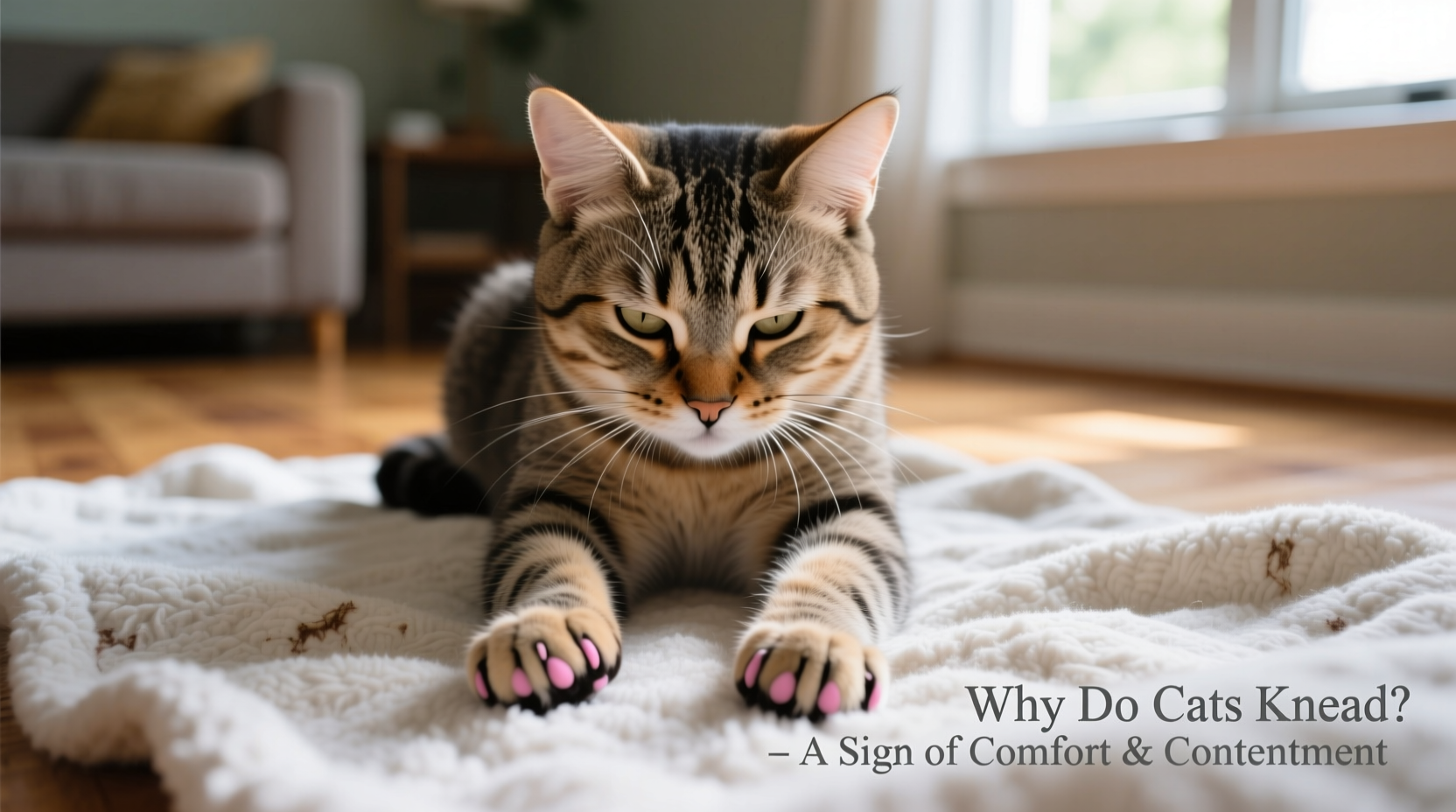
Kneading begins in the earliest days of a cat’s life. As newborn kittens, they use their front paws to massage their mother’s mammary glands, stimulating milk flow during nursing. This repetitive motion becomes associated with nourishment, warmth, and safety. Even after weaning, the physical act remains embedded in muscle memory, resurfacing throughout adulthood as a self-soothing mechanism.
Because kneading is linked so strongly to early survival and maternal bonding, adult cats often revert to this behavior when they feel secure. It’s not merely a leftover habit—it’s a physiological echo of comfort. When a cat kneads a soft surface, especially while purring or half-closed eyes, they are likely reliving the sensations of infancy: warmth, fullness, and unconditional care.
Tip: If your cat frequently kneads your lap, consider placing a thick towel or blanket over your legs to protect your skin from sharp claws.What Kneading Reveals About Your Cat’s Mood
Beyond nostalgia, kneading serves as an emotional barometer. The context in which it occurs can signal whether your cat is relaxed, anxious, or seeking connection. Observing frequency, location, and accompanying behaviors helps decode their internal state.
- Contentment: A cat that kneads slowly on your lap while purring is expressing deep relaxation. This is a sign of trust and emotional security.
- Stress Relief: In unfamiliar environments or after disruptions (like moving homes), cats may knead more intensely. It acts as a grounding behavior, helping them regain a sense of control.
- Attachment Seeking: When directed toward you, kneading can be a request for attention or affection. It’s a tactile way of saying, “I feel safe with you.”
- Anxiety: Rapid, forceful kneading without purring may indicate underlying tension. Paired with hiding or excessive grooming, it could suggest environmental stressors.
Unlike aggressive behaviors such as biting or scratching, kneading is almost always positive—unless performed excessively or obsessively, which may point to compulsive disorders requiring veterinary evaluation.
Scent Marking and Territorial Comfort
Another key reason cats knead involves scent communication. Cats have scent glands located in the soft pads of their paws. Each time they press into a surface, they deposit pheromones—chemical signals that mark territory and convey familiarity.
This biological trait explains why cats often knead favorite resting spots, beds, or even your clothing. They aren’t just enjoying the texture; they’re claiming ownership. From their perspective, infusing a space with their scent makes it safer and more predictable. In multi-cat households, this behavior can reduce social tension by reinforcing personal zones within shared areas.
“Kneading is one of the most honest expressions of feline emotion. When a cat chooses to expose their vulnerable underside and rhythmically press into a surface, they are signaling profound trust.” — Dr. Lena Reyes, Feline Behavioral Specialist
Physical and Psychological Triggers for Kneading
Not all kneading episodes occur under identical conditions. Various stimuli can prompt the behavior, each revealing different aspects of your cat’s needs.
| Trigger | Behavioral Response | Emotional Implication |
|---|---|---|
| Warmth (e.g., heated blanket) | Prolonged, slow kneading | Comfort-seeking, thermoregulation |
| New environment | Frequent, repetitive kneading | Stress management, territorial marking |
| Owner presence/petting | Kneading combined with purring | Affection, bonding reinforcement |
| Fabric texture (soft wool, fleece) | Targeted kneading on specific materials | Sensory preference, early-life association |
| Hunger or anticipation | Rapid paw movements near food area | Conditioned response, impatience |
Interestingly, some cats develop strong preferences for certain fabrics—particularly those resembling the texture of their mother’s fur or nesting bedding. This sensory link further reinforces the emotional resonance of the act.
When Kneading Crosses Into Compulsion
While occasional kneading is normal, excessive or obsessive kneading may warrant concern. Signs include:
- Kneading for hours daily without breaks
- Limping or paw injuries due to overuse
- Loss of appetite or withdrawal during episodes
- Performing the action in inappropriate locations (e.g., kitchen counters, electronics)
In rare cases, compulsive kneading stems from neurological issues, chronic pain, or untreated anxiety. If you notice sudden changes in frequency or intensity, consult a veterinarian. Behavioral therapy or environmental enrichment may be recommended to redirect the energy.
Real-Life Example: Luna’s Adjustment to a New Home
Luna, a 3-year-old domestic shorthair adopted from a shelter, began kneading obsessively after moving in with her new family. She would press relentlessly into couch cushions, throw pillows, and even her owner’s arms—sometimes leaving small indentations from her claws.
At first, the owners interpreted this as clinginess. But after consulting a feline behaviorist, they realized Luna was using kneading to cope with displacement stress. Her previous environment had been unstable, and though she appeared settled, subtle cues indicated lingering insecurity.
The solution involved creating consistent routines, introducing calming pheromone diffusers, and providing designated kneading zones—soft mats infused with lavender-scented fabric. Over six weeks, Luna’s kneading decreased in intensity and became confined to bedtime rituals. Most importantly, she began sleeping through the night, a clear indicator of improved emotional regulation.
This case illustrates how kneading functions not just as a relic of kittenhood but as a dynamic coping strategy shaped by experience and environment.
How to Respond to Kneading: Do’s and Don’ts
Your reaction to kneading influences how your cat interprets safety and boundaries. Respond appropriately to reinforce positive associations without encouraging discomfort or injury.
| Do’s | Don’ts |
|---|---|
| Allow kneading on designated soft surfaces | Yell at or punish your cat for kneading |
| Trim claws regularly to minimize damage | Push the cat away abruptly during sessions |
| Use protective barriers (blankets, throws) | Ignore signs of distress or overstimulation |
| Offer alternatives like padded mats or cat beds | Assume all kneading means happiness—assess context |
| Reinforce calm kneading with gentle speech | Encourage kneading on sensitive body parts (face, chest) |
Step-by-Step Guide: Creating a Kneading-Friendly Environment
If your cat kneads frequently, guide the behavior toward appropriate outlets. Follow these steps to support both your cat’s instincts and household harmony:
- Identify triggers: Observe when and where kneading occurs most often. Is it post-meal? During petting? After loud noises?
- Designate a kneading zone: Place a soft, washable blanket or cushion in a quiet corner. Infuse it with your scent by laying it on your bed for a day.
- Add olfactory comfort: Spritz the area lightly with a feline pheromone spray (e.g., Feliway) to enhance feelings of safety.
- Introduce gradually: Gently place your cat on the mat when they begin kneading elsewhere. Reward with treats or praise if they stay.
- Maintain consistency: Use the same material and location daily. Cats thrive on predictability.
- Monitor progress: Track reductions in off-mat kneading over 2–4 weeks. Adjust placement or texture if needed.
FAQ: Common Questions About Cat Kneading
Is kneading a sign of dominance?
No. Unlike urine marking or aggressive posturing, kneading is not a dominance behavior. It’s primarily self-soothing and affiliative. Even subordinate cats in multi-cat homes knead frequently when feeling secure.
Why does my cat drool when kneading?
Drooling during kneading is common and usually harmless. It reflects extreme relaxation, often tied to kittenhood memories of nursing. As long as there are no signs of illness (bad breath, lethargy), it’s a sign of deep contentment.
Should I discourage my cat from kneading me?
Only if it causes discomfort or injury. Instead of discouragement, redirect the behavior. Place a thick blanket on your lap and encourage use of that surface. Never punish your cat—this can erode trust and increase anxiety.
Final Thoughts: Listening Beyond the Paws
Kneading is far more than a quirky feline habit. It’s a window into your cat’s inner world—a blend of instinct, memory, and emotion expressed through simple, rhythmic motion. By paying attention to when, where, and how your cat kneads, you gain insight into their sense of safety, attachment, and psychological balance.
Respecting this behavior doesn’t mean enduring scratched skin or ruined furniture. It means understanding its roots and responding with empathy. Provide outlets, maintain claw health, and observe the broader behavioral context. In doing so, you honor not just the action itself, but the deep-seated need for comfort that drives it.
💬 Does your cat knead in surprising ways or places? Share your story in the comments—we’d love to hear how your feline expresses their emotional language through paws and purrs.








