
Birds are naturally vocal creatures, and their morning calls can be both a delight and a disruption. For many bird owners, the sharp, piercing screams that pierce the silence at dawn are a daily challenge. While some level of noise is normal, persistent or loud screaming can strain household harmony. Understanding the root causes behind this behavior—and knowing how to respond appropriately—can make a significant difference. This article explores the biological, social, and environmental reasons birds scream in the morning and offers actionable strategies to manage and reduce excessive vocalizations.
The Natural Rhythm of Avian Communication
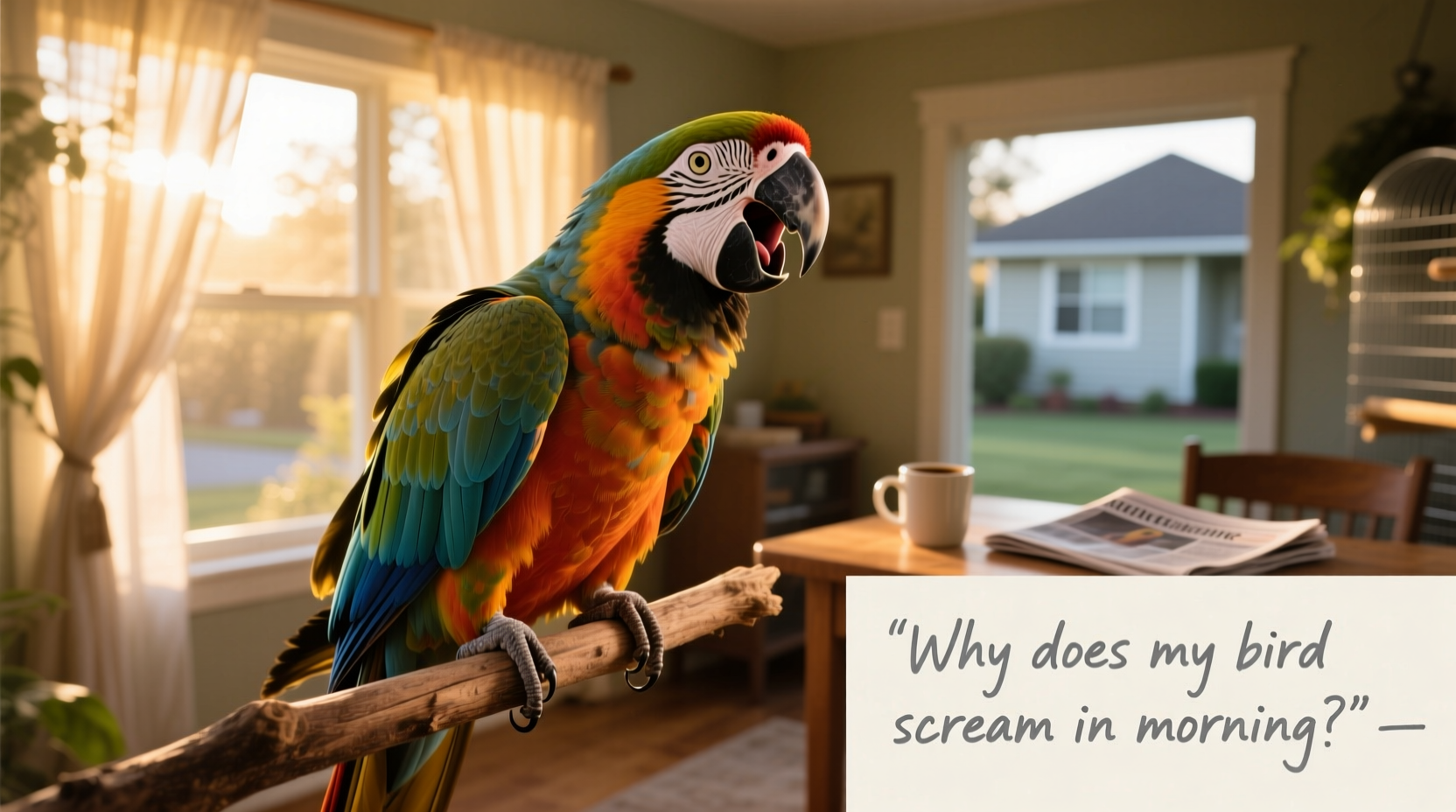
Birds are diurnal animals, meaning they are active during daylight hours. In the wild, mornings are a critical time for communication. At dawn, flocks use vocalizations to reestablish contact after nightfall, signal territory boundaries, and coordinate group movements. This instinctual behavior doesn’t disappear in captivity. Even domesticated birds retain these deep-seated patterns, leading them to call out when light returns each day.
Species such as cockatiels, African greys, conures, and Amazon parrots are especially known for their loud morning calls. These birds evolved in environments where visibility was limited by dense foliage, making sound the most effective way to stay connected. The early morning chorus serves as an “all clear” signal: “I’m here, I’m safe, and I’m ready to start the day.”
It’s important to recognize that not all screaming is problematic. Birds use a range of vocalizations—chirps, whistles, warbles, and screams—to express different states. A scream may simply be a greeting, not a sign of distress. However, when the volume, frequency, or timing becomes disruptive, intervention may be necessary.
Tip: Observe the context of the scream. Is it brief and followed by calm activity? Or does it escalate into prolonged shrieking? Context helps determine whether it’s natural or attention-seeking.Why Morning Screaming Happens: Key Triggers
While dawn vocalization is instinctive, several factors can amplify or prolong the behavior in a home environment. Recognizing these triggers is the first step toward managing them effectively.
1. Light Cycles and Environmental Stimuli
Exposure to natural or artificial light at dawn signals to your bird that it’s time to wake up. Even small changes—like streetlights turning off or sunlight hitting the cage—can trigger a vocal response. Birds are highly sensitive to photoperiod (the length of daylight), which regulates their internal clock.
2. Social Bonding and Flock Mentality
Pet birds often view their human family as their flock. When they wake up alone, they may scream to locate their “companions.” This is especially common in single-bird households where the bird has formed a strong attachment to one person.
3. Boredom and Understimulation
A lack of mental and physical stimulation can lead to frustration, which manifests as excessive vocalization. Birds that spend long periods in cages without toys, interaction, or foraging opportunities may resort to screaming to release pent-up energy.
4. Reinforcement Through Attention
Even negative attention reinforces screaming. If a bird learns that screaming results in someone entering the room, talking to it, or giving it a treat—even to quiet it down—it will repeat the behavior. This accidental reinforcement is one of the most common reasons screaming becomes habitual.
5. Anxiety or Fear
Sudden noises, unfamiliar people, or changes in routine can heighten anxiety. Some birds scream preemptively at dawn if they anticipate being left alone or if past experiences have made mornings stressful.
“Birds don’t scream to annoy us—they scream because they need something. Decoding the message behind the noise is key to resolving it.” — Dr. Irene Pepperberg, Avian Cognition Researcher
Strategies to Reduce Morning Screaming
Reducing excessive screaming requires patience, consistency, and a shift from reaction to prevention. The goal isn’t to eliminate vocalization entirely but to encourage quieter, more appropriate forms of communication.
Establish a Consistent Light Schedule
Control your bird’s exposure to light by using blackout curtains or moving the cage away from windows. Alternatively, cover the cage with a breathable, opaque cloth at night and uncover it at a consistent time each morning—ideally aligned with your own waking schedule. This prevents your bird from reacting to early ambient light and helps regulate its circadian rhythm.
Provide a Calming Morning Routine
Anticipate your bird’s needs before it starts screaming. Begin the day with soft music, gentle conversation, or a scheduled feeding time. Birds appreciate predictability. A peaceful transition from sleep to activity reduces the urgency to vocalize loudly.
Enrich the Environment
A mentally engaged bird is less likely to scream out of boredom. Rotate toys weekly, introduce foraging puzzles, and offer safe chewable materials like untreated wood or palm leaves. For example, hiding breakfast in a paper-wrapped bundle encourages natural exploration and delays the onset of vocal demands.
Avoid Reinforcing the Behavior
Do not respond immediately to screaming. Wait until your bird is quiet—even briefly—before offering attention, food, or eye contact. This teaches that silence, not noise, leads to positive outcomes. It may take days or weeks, but consistency is critical.
Incorporate Background Noise
Playing soft radio, nature sounds, or calming instrumental music overnight can help mask external stimuli and create a sense of continuous flock presence. Some birds feel less isolated when they hear ambient sound, reducing the need to call out at dawn.
Tip: Use a timer for lights or music to maintain consistency even on weekends, preventing confusion in your bird’s internal clock.Step-by-Step Guide to Reducing Morning Screaming
Follow this structured approach over 2–4 weeks to gradually reshape your bird’s morning behavior:
- Assess the current routine: Note when your bird wakes, what triggers the scream, and how you typically respond.
- Adjust lighting: Cover the cage or use blackout curtains to delay light exposure until your desired wake time (e.g., 7:00 AM).
- Introduce a bedtime ritual: Dim lights, play soft music, and reduce activity 30 minutes before “nighttime” to signal sleep.
- Set a wake-up schedule: Uncover the cage and greet your bird at the same time every day, regardless of when it first vocalizes.
- Delay attention: If your bird screams upon waking, wait for a moment of quiet before acknowledging it.
- Offer enrichment: Place a new toy or foraging item in the cage just before bedtime so it has something engaging to discover in the morning.
- Monitor progress: Keep a log of screaming duration and intensity to track improvement.
Do’s and Don’ts of Managing Bird Vocalization
| Do’s | Don’ts |
|---|---|
| Respond to quiet behavior with praise or treats | Yell at your bird to stop screaming—it mimics aggression and escalates stress |
| Maintain a consistent daily routine | Let your bird stay up late or wake inconsistently—this disrupts sleep cycles |
| Use positive reinforcement training | Cover the cage while the bird is screaming—it can reinforce fear |
| Provide at least 2 hours of supervised out-of-cage time daily | Isolate your bird in a bedroom or basement where it feels abandoned |
| Gradually adjust wake times if needed | Expect immediate results—behavior change takes time and repetition |
Real-Life Example: Reducing Cockatiel Dawn Screams
Sarah, a teacher from Portland, adopted a male cockatiel named Milo. Within weeks, she noticed he began screaming every morning at 5:30 AM, waking her entire household. She initially tried covering the cage, speaking softly, and offering treats—but only when he screamed. Unintentionally, she was reinforcing the behavior.
After consulting an avian behaviorist, Sarah implemented a new routine. She moved Milo’s cage away from the window, covered it with a thick cotton drape, and set a timer to uncover it at 7:00 AM. She also introduced a foraging toy filled with millet each evening. Within ten days, Milo’s morning calls shifted to soft chirping. By week three, he waited quietly until 7:00 AM for interaction. The screaming didn’t vanish overnight, but with consistency, it became manageable and predictable.
FAQ: Common Questions About Bird Screaming
Is morning screaming a sign of illness?
Occasional screaming is normal, but sudden changes in vocalization—such as constant screaming, hoarseness, or silence—can indicate health issues. If accompanied by fluffed feathers, lethargy, or appetite loss, consult an avian veterinarian.
Can I train my bird to be quiet?
You cannot eliminate vocalization, but you can shape it. Training focuses on reinforcing quiet behaviors and redirecting attention-seeking screams. Techniques like target training or teaching alternative sounds (e.g., whistling) can provide constructive outlets.
Will getting a second bird stop the screaming?
Not necessarily. While some birds bond and vocalize less when paired, others become more territorial or competitive. Introducing a second bird requires careful planning, quarantine, and gradual integration. It should never be done solely to solve behavioral issues.
Checklist: Reducing Morning Bird Screams
- ✅ Assess current wake-up and bedtime routines
- ✅ Control light exposure with covers or curtains
- ✅ Establish a fixed sleep schedule (10–12 hours of darkness)
- ✅ Provide mental stimulation through toys and foraging
- ✅ Avoid responding to screams; reward quiet moments
- ✅ Introduce calming background noise at night
- ✅ Monitor behavior changes weekly
- ✅ Consult an avian behavior specialist if problems persist
Conclusion: Building a Quieter, Healthier Relationship
Morning screaming in birds is not a flaw—it’s a form of communication rooted in survival, social bonding, and instinct. Rather than viewing it as a nuisance, consider it an opportunity to deepen your understanding of your bird’s needs. With thoughtful adjustments to environment, routine, and interaction, excessive screaming can be significantly reduced. The process strengthens trust and fosters a more harmonious coexistence.
💬 Have a tip that worked for your bird? Share your experience below and help fellow bird owners find peace in the morning!








