
A protruding belly is a common concern that affects people regardless of weight or fitness level. While many assume it's due to excess fat alone, the reality is more complex. Factors like digestion, posture, muscle tone, hormonal shifts, and lifestyle habits all play a role. Understanding the root causes allows for targeted, effective solutions—without resorting to extreme diets or unsustainable workouts.
Common Causes of a Sticking-Out Belly
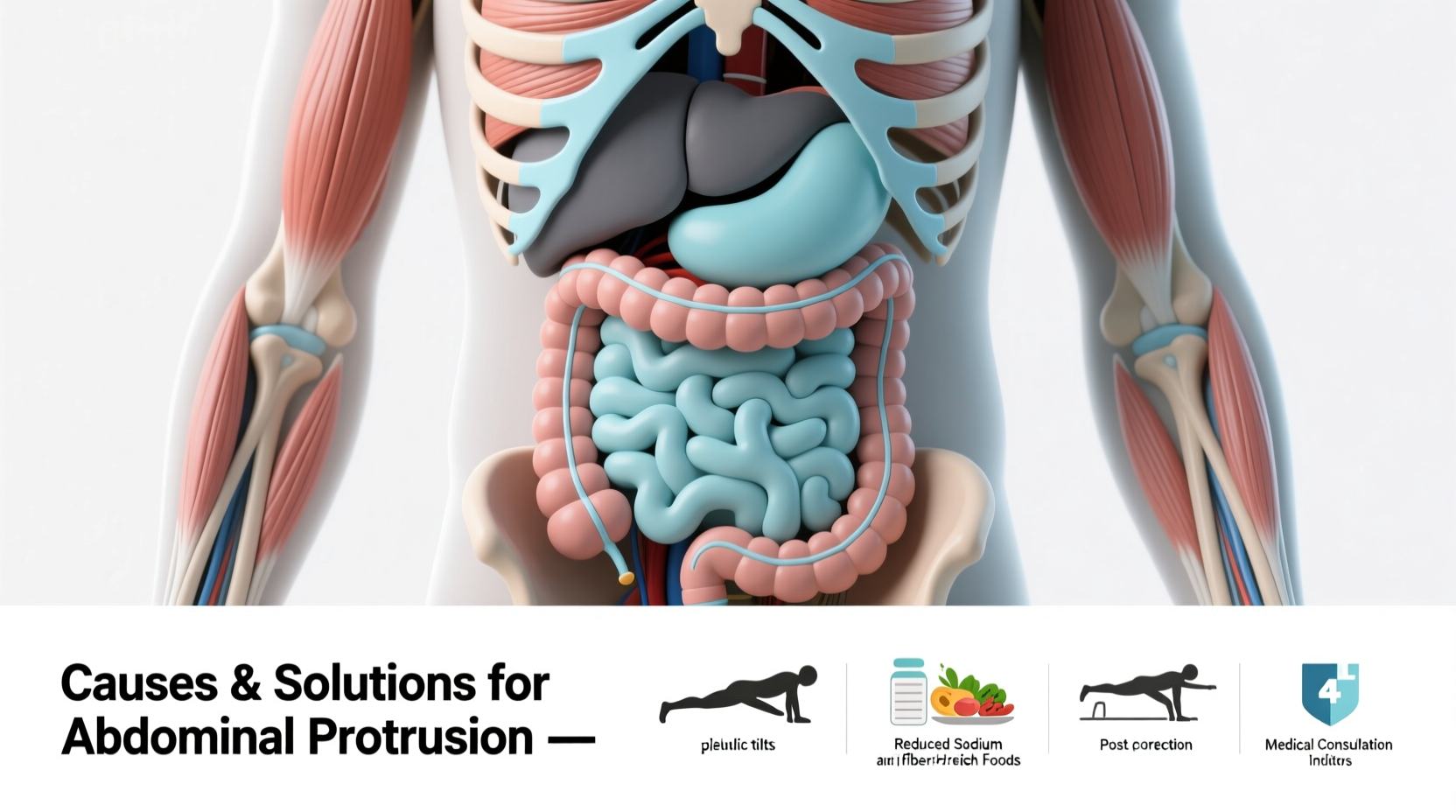
The appearance of a protruding abdomen isn't always about body fat. Several interrelated factors contribute to this condition:
- Visceral fat accumulation: Deep abdominal fat surrounding internal organs increases waist size and health risks.
- Bloating and gas: Poor digestion, food intolerances (like lactose or FODMAPs), or eating too quickly can cause temporary distension.
- Weakened core muscles: Diastasis recti (separation of abdominal muscles) or poor transverse abdominis engagement reduce natural support.
- Postural imbalances: Anterior pelvic tilt pushes the pelvis forward, exaggerating the belly’s appearance even in lean individuals.
- Hormonal changes: Cortisol from chronic stress promotes fat storage in the abdomen; estrogen and insulin fluctuations also contribute.
- Constipation: A backed-up digestive tract adds pressure and visible bulging.
- Dietary habits: High sodium, processed foods, carbonated drinks, and artificial sweeteners increase water retention and gas.
Diagnosing the Real Culprit: Is It Fat, Bloat, or Posture?
Accurately identifying the cause determines the right solution. Here’s how to differentiate between common contributors:
| Cause | Symptoms | Self-Check Method |
|---|---|---|
| Visceral Fat | Firm, consistent protrusion; waist measurement >35” (women) or >40” (men) | Measure waist at navel level; no soft \"pinchable\" layer but overall girth increase |
| Bloating | Rapid swelling after meals, gurgling, relief after passing gas or bowel movement | Belly feels tight and hard early evening; improves overnight |
| Poor Posture | Belly sticks out only when standing; flattens when lying down | Lie flat—observe if abdomen sinks back; check for exaggerated lower back curve |
| Diastasis Recti | Soft midline ridge when sitting up; weak core stability | Lift head off floor—look for vertical bulge above/below navel |
“Many patients come in worried about belly fat, but the real issue is often undiagnosed diastasis or chronic bloating from dietary triggers.” — Dr. Lena Torres, Gastroenterologist & Functional Medicine Specialist
Effective Solutions Based on Cause
Treatment must be tailored. Applying fat-loss strategies to bloating—or vice versa—leads to frustration. Below are evidence-based interventions for each primary cause.
For Visceral Fat Reduction
- Engage in regular aerobic exercise (150+ minutes/week of brisk walking, cycling).
- Incorporate strength training 2–3 times weekly to boost metabolism.
- Reduce refined carbohydrates and added sugars, which spike insulin and promote fat storage.
- Prioritize sleep (7–9 hours/night); sleep deprivation increases cortisol and hunger hormones.
To Combat Bloating and Digestive Distension
- Eliminate common irritants: try a low-FODMAP diet under guidance for 4–6 weeks.
- Eat slowly and chew thoroughly to prevent air swallowing and improve enzyme release.
- Stay hydrated and consume soluble fiber (e.g., oats, psyllium) to regulate digestion.
- Consider probiotics—strains like *Bifidobacterium infantis* have shown benefits in reducing bloating.
Correcting Postural Imbalances
Anterior pelvic tilt is a frequent hidden contributor. It occurs when hip flexors tighten and abdominal muscles weaken, tilting the pelvis forward and pushing the stomach outward.
- Stretch tight hip flexors (e.g., kneeling lunge stretch, 3 sets of 30 seconds daily).
- Strengthen glutes with bridges and clamshells.
- Activate deep core muscles using pelvic tilts: lie on back, knees bent, gently press lower back into floor.
- Practice neutral spine alignment during standing and sitting.
Addressing Diastasis Recti
Common after pregnancy but possible in anyone with core strain. Avoid crunches and traditional ab exercises that worsen separation.
- Focus on transverse abdominis activation through gentle drawing-in maneuvers.
- Work with a pelvic floor physiotherapist for guided rehabilitation.
- Use supportive garments temporarily during physical activity if advised.
Real-Life Example: Maria’s Journey to a Flatter Abdomen
Maria, 42, was frustrated despite being active and eating “clean.” Her belly stuck out more each day, especially by evening. She assumed it was aging or menopause-related weight gain. After tracking symptoms, she noticed her abdomen flattened completely when lying down—indicating postural involvement.
She consulted a physical therapist who diagnosed anterior pelvic tilt and mild diastasis recti. Over 12 weeks, Maria performed targeted glute strengthening, hip flexor stretches, and daily pelvic tilts. She also adjusted her workstation to avoid prolonged sitting. The result? A visibly flatter stomach without changing her diet or adding cardio. “I finally understood it wasn’t about losing weight—it was about retraining my body,” she said.
Action Plan: 6-Week Belly-Flattening Checklist
Follow this structured approach to address multiple contributing factors simultaneously:
- Week 1–2: Track meals and symptoms to identify bloating triggers.
- Week 1–6: Perform pelvic tilts and glute bridges 5x/week (10 reps, 2 sets).
- Ongoing: Walk 30 minutes daily and reduce processed foods.
- Week 3: Measure waist circumference first thing in the morning.
- Week 4: Introduce one low-FODMAP meal per day if bloating persists.
- Week 5–6: Add resistance training 2x/week focusing on full-body movements.
- All Weeks: Sleep at least 7 hours and practice mindful eating.
Frequently Asked Questions
Can you have a flat stomach with visceral fat?
No. Visceral fat lies deep within the abdominal cavity and contributes directly to a rounded, firm belly. Reducing it requires systemic fat loss through diet, exercise, and stress management—not spot reduction.
Why does my belly stick out even though I’m thin?
This is often due to posture (like anterior pelvic tilt), bloating, or diastasis recti. Thin individuals can still have weak core musculature or digestive sensitivities that cause distension.
Do abdominal exercises flatten your stomach?
Only when combined with fat loss and proper alignment. Crunches alone won’t reduce belly size and may worsen diastasis. Focus on functional core stability instead of repetitive flexion.
Take Control of Your Core Health
A sticking-out belly is rarely just about appearance—it can signal underlying imbalances in digestion, posture, or metabolic health. By investigating the true cause rather than assuming it’s excess weight, you empower yourself with precise, lasting solutions. Whether it’s adjusting your diet, correcting posture, or rehabilitating core strength, small consistent actions yield meaningful change.
💬 Have you identified the reason behind your protruding belly? Share your experience or questions below—your story could help someone else find clarity and confidence.








