An axolotl floating upside down is one of the most alarming sights for any owner. These aquatic creatures are naturally bottom-dwellers, preferring to walk along the substrate with deliberate, graceful movements. When they lose control of their orientation and begin bobbing at the surface—especially belly-up—it signals an underlying issue that needs immediate attention. While occasional floating can be harmless, persistent upside-down behavior is not normal and often points to digestive disturbances, buoyancy disorders, or environmental stressors. Understanding the root causes and knowing how to respond can make the difference between a temporary glitch and a life-threatening condition.
Understanding Axolotl Buoyancy and Normal Behavior
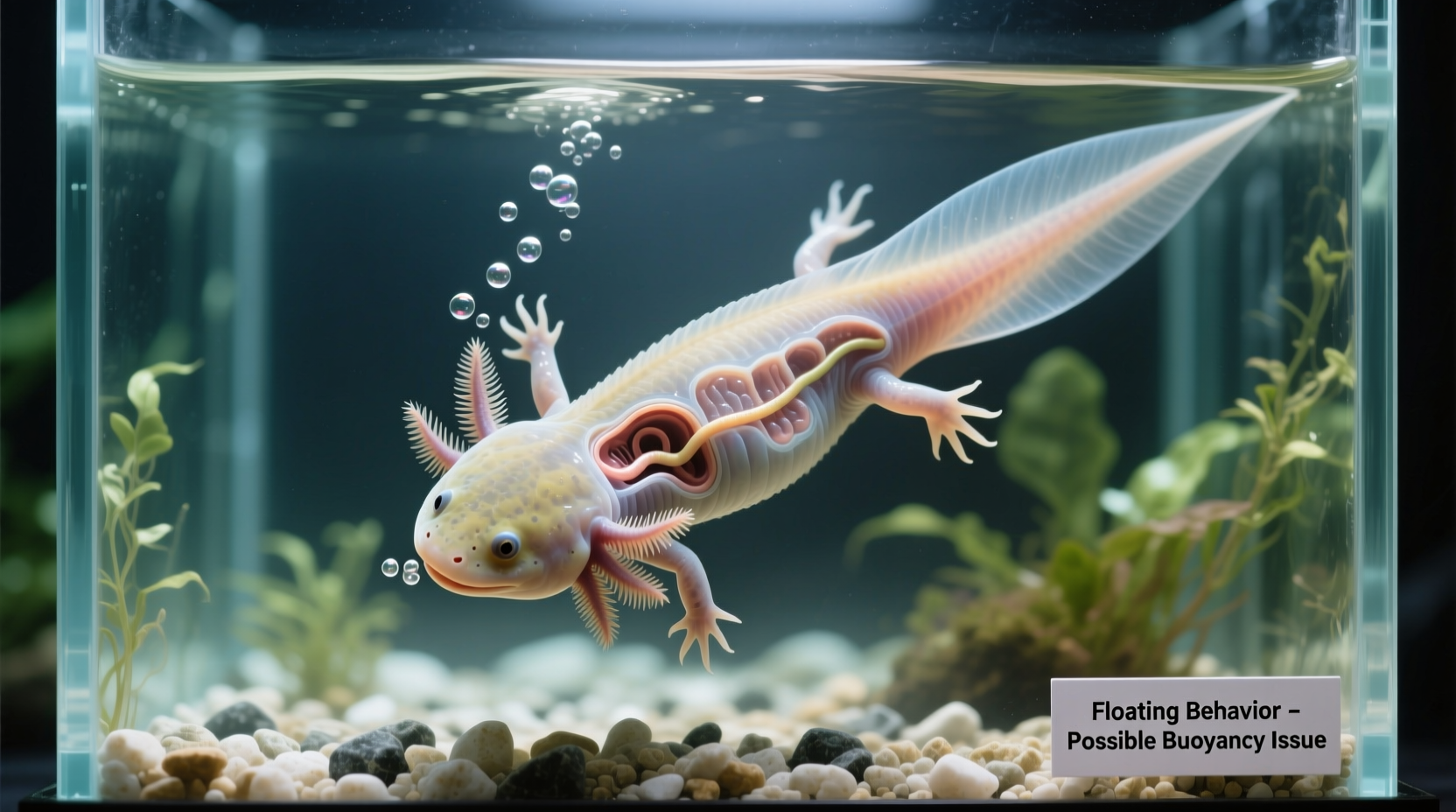
Axolotls (Ambystoma mexicanum) are neotenic salamanders, meaning they retain larval features throughout their lives. Unlike frogs or other amphibians, they never undergo full metamorphosis and remain fully aquatic, breathing through external gills. Their natural behavior includes walking along the tank floor using their limbs, occasionally rising slightly to explore or catch food. They do not swim like fish and are not built for sustained mid-water or surface activity.
Buoyancy in axolotls is regulated by a combination of lung inflation, intestinal gas, body density, and water temperature. Most healthy axolotls have neutral or slightly negative buoyancy, allowing them to stay grounded unless actively moving upward. When an axolotl floats uncontrollably—especially upside down—it indicates an imbalance in this system.
The two primary culprits behind abnormal floating are gastrointestinal issues and swim bladder dysfunction (though technically, axolotls don’t have a swim bladder like fish). Instead, they rely on air trapped in their digestive tract or lungs to manage vertical movement. Mismanagement of this air leads to buoyancy problems.
Digestive Issues: The Hidden Cause of Floating
One of the most common reasons axolotls float upside down is related to their digestive system. Overfeeding, improper diet, or ingestion of air during feeding can lead to gas buildup in the intestines. This trapped gas increases internal pressure and alters the animal’s center of gravity, causing it to roll over when attempting to rise or descend.
Common digestive triggers include:
- Overfeeding: Excess food leads to bloating and slowed digestion.
- Low-quality or dry foods: Pellets that expand in water can swell inside the gut, creating gas.
- Air ingestion: Rapid surface feeding may cause the axolotl to swallow air along with food.
- Constipation: Impaction from indigestible materials blocks normal waste elimination, increasing internal pressure.
In severe cases, constipation can lead to a condition known as \"flip-over,\" where the distended abdomen physically shifts the axolotl’s balance, making it impossible to right itself.
Tip: Feed adult axolotls every 2–3 days and juveniles daily, but in small portions. Remove uneaten food after 15 minutes to prevent overconsumption.Environmental and Water Quality Factors
Even with perfect feeding habits, poor water conditions can trigger buoyancy issues. Axolotls are highly sensitive to ammonia, nitrite, and sudden temperature changes. Elevated toxin levels stress their immune and digestive systems, potentially leading to reduced motility in the gut and secondary bloating.
Key water parameters for optimal health:
| Parameter | Safe Range | Danger Zone |
|---|---|---|
| Temperature | 16–18°C (60–64°F) | Above 22°C (72°F) |
| pH | 7.0–7.6 | Below 6.5 or above 8.0 |
| Ammonia | 0 ppm | Any detectable level |
| Nitrite | 0 ppm | Any detectable level |
| Nitrate | Under 20 ppm | Above 40 ppm |
Warm water accelerates metabolism, which may seem beneficial, but it also increases oxygen demand and stress levels. High temperatures can reduce dissolved oxygen and impair digestion, contributing to gas retention. Additionally, strong filter currents can force axolotls to expend energy fighting flow, making them more prone to fatigue and floating episodes.
“Buoyancy issues in axolotls are rarely isolated—they’re usually a symptom of broader husbandry problems.” — Dr. Elena Ruiz, Aquatic Veterinarian and Amphibian Specialist
Step-by-Step Guide to Addressing Upside-Down Floating
If your axolotl is floating abnormally, follow this structured approach to diagnose and treat the issue:
- Observe and Isolate: Monitor the frequency and duration of floating. If the axolotl eats, moves normally, and rights itself quickly, it may be minor. If it cannot dive or appears lethargic, consider isolating it in a hospital tank to reduce stress.
- Fast for 3–4 Days: Stop feeding to allow the digestive tract to clear. Fasting helps relieve constipation and reduces gas buildup. Ensure clean, cool water during this period.
- Check Water Parameters: Test ammonia, nitrite, nitrate, pH, and temperature. Perform a 30–50% water change if any parameter is off. Use dechlorinated water matched to tank temperature.
- Adjust Diet Post-Fast: After fasting, resume feeding with easily digestible foods such as bloodworms, earthworms, or high-quality sinking pellets. Avoid freeze-dried foods unless soaked first.
- Elevate Food Placement: Use feeding tongs to offer food near the bottom, reducing the chance of air swallowing from surface feeding.
- Monitor Progress: Watch for improved buoyancy control within 48 hours of resuming feeding. Persistent floating may require further intervention.
This protocol resolves mild to moderate cases in over 70% of affected axolotls, according to clinical observations from specialized amphibian care centers.
When to Suspect Infection or Organ Failure
While most floating cases stem from diet or environment, some indicate serious internal disease. Bacterial infections, parasitic infestations, or organ failure (especially kidney or liver dysfunction) can cause fluid accumulation (edema) or gas-producing infections in the gut.
Symptoms that suggest a medical emergency include:
- Pineconing (raised scales due to fluid retention)
- Red streaks or swelling in the abdomen
- Lethargy, refusal to eat, or clamped gills
- Swimming in circles or loss of coordination
In such cases, fasting and water changes alone won’t suffice. Consult a veterinarian experienced in exotic pets. Treatment may involve antibiotics, antiparasitics, or supportive care like Epsom salt baths to reduce swelling.
Tip: A 1% Epsom salt solution (1 gram per liter of water) in a separate container can help relieve bloating. Soak for 15–20 minutes once daily for up to three days.Mini Case Study: Luna the Floating Axolotl
Luna, a 2-year-old axolotl kept in a 20-gallon tank, began floating upside down after her owner switched to a new brand of floating pellets. Initially dismissed as playful behavior, the floating became constant over three days. Luna stopped eating and struggled to return to the bottom.
Water tests revealed nitrates at 60 ppm and a temperature of 20°C—slightly elevated. The owner had been feeding daily, often leaving excess food. Following expert advice, they fasted Luna for four days, performed weekly 50% water changes, and replaced floating pellets with soaked sinking ones.
By day six, Luna was able to maintain normal posture and resumed eating. Within ten days, she was walking along the substrate again. The case highlighted how a combination of dietary missteps and suboptimal water quality could trigger buoyancy issues—even in otherwise healthy animals.
Prevention Checklist: Keeping Your Axolotl Grounded
To minimize the risk of future buoyancy problems, follow this actionable checklist:
- ✅ Feed appropriate portion sizes: One food item roughly the size of the axolotl’s head per meal.
- ✅ Offer a varied diet: Rotate between earthworms, bloodworms, and high-quality pellets.
- ✅ Soak dry foods before feeding to prevent expansion in the gut.
- ✅ Maintain water temperature between 16–18°C (60–64°F).
- ✅ Perform weekly 30–50% water changes with conditioned water.
- ✅ Use a low-flow filter or baffle the intake to reduce current strength.
- ✅ Provide smooth, large-grain substrate (or none) to prevent impaction.
- ✅ Monitor behavior daily for early signs of distress.
Preventative care is far more effective than treatment. Consistent routines and attentive observation keep axolotls thriving and grounded.
Frequently Asked Questions
Can an axolotl recover from floating upside down?
Yes, most axolotls recover fully if the cause is addressed promptly. Dietary adjustments, fasting, and improved water quality typically resolve mild cases within a week. Severe or chronic cases may require veterinary support but still have good recovery odds with proper care.
Is upside-down floating always a sign of illness?
Not always. Young or excitable axolotls may briefly float while exploring or catching food. However, if floating lasts more than a few minutes or occurs repeatedly, it should be investigated. True illness is indicated when floating is accompanied by appetite loss, lethargy, or physical abnormalities.
Do axolotls have a swim bladder?
No, axolotls do not have a swim bladder like fish. Their buoyancy is influenced by air in the lungs and digestive tract. Gas buildup in the intestines—often from diet or swallowing air—is the main reason for uncontrolled floating.
Conclusion: Act Early, Care Consistently
An axolotl floating upside down is a warning sign, not just a quirky behavior. Whether caused by overfeeding, poor water quality, or underlying illness, the issue demands attention. The good news is that most cases are reversible with timely intervention. By understanding the link between digestion, environment, and buoyancy, owners can provide the precise care these unique creatures need.
Don’t wait for symptoms to worsen. If your axolotl struggles to stay upright, start with a fast, test your water, and adjust feeding practices immediately. Small changes today can prevent serious complications tomorrow. These resilient animals reward attentive care with years of fascinating behavior and quiet companionship.
💬 Have you dealt with a floating axolotl? Share your experience or questions below—your story could help another keeper avoid a crisis.








