
Lipstick that refuses to stay put—creeping into fine lines, blurring at the edges, or settling into creases—is one of the most common makeup frustrations. No matter how expensive the formula or carefully applied, the result can look aged, messy, or uneven within hours. The root cause often lies not in poor application technique alone, but in the interaction between skin condition, product chemistry, and natural facial movement. Understanding why this happens is the first step toward achieving a crisp, long-lasting lip look. More importantly, there are immediate, practical fixes you can apply—right now—to stop lipstick from bleeding and maintain a polished appearance.
The Science Behind Lipstick Bleeding
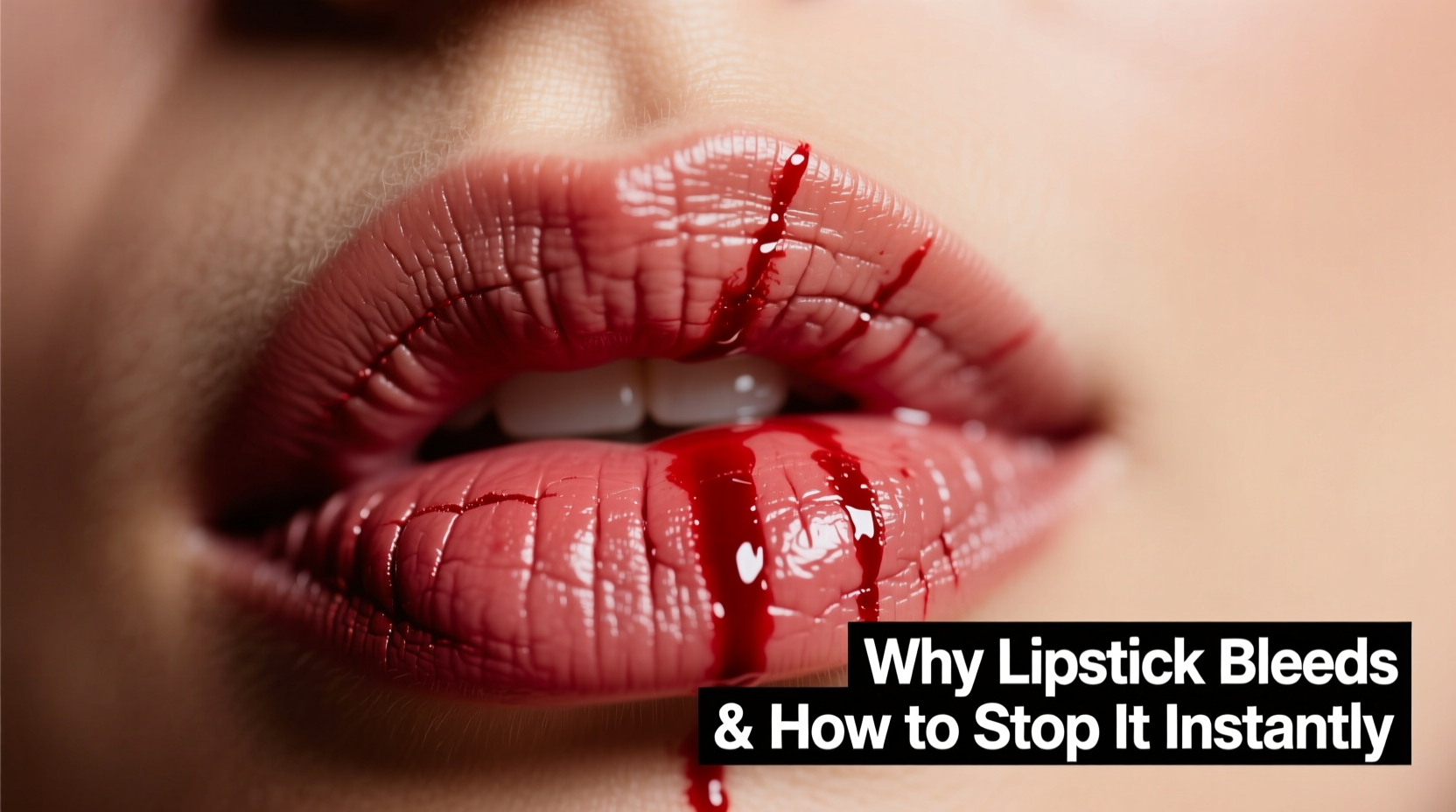
Lipstick migration, commonly referred to as \"feathering\" or \"bleeding,\" occurs when pigment escapes the natural lip line and seeps into surrounding skin, particularly visible in the fine vertical lines above the upper lip. This phenomenon is driven by several interrelated factors:
- Skin Texture and Aging: As we age, the lips lose volume and the surrounding skin becomes thinner. Collagen depletion leads to the formation of fine lines, especially around the mouth (perioral rhytids). These tiny grooves act like channels, trapping and wicking away creamy or liquid lipstick formulas.
- Natural Oils and Moisture: The skin around the lips produces sebum, and even well-moisturized lips release hydration. Over time, oils break down the integrity of lipstick, softening its hold and allowing pigments to migrate.
- Muscle Movement: Talking, smiling, eating, and drinking constantly flex the muscles around the mouth. Repeated motion disrupts the film of lipstick, encouraging it to shift and settle into lines.
- Product Formulation: Some lipsticks—especially creamy, glossy, or hydrating types—are more prone to bleeding because they contain emollients and oils designed for comfort, not longevity. Matte or long-wear formulas tend to resist movement better but can emphasize dryness if not prepped properly.
It's not just about aging either. Even younger individuals with naturally dry lips or those who frequently wear bold colors may notice early signs of feathering, especially in harsh weather or after prolonged mask-wearing, which increases friction and moisture buildup.
Tip: Avoid applying heavy moisturizer right before lipstick—it creates a slippery base. Instead, hydrate lips well in advance and blot excess oil before coloring.Immediate Fixes: How to Stop Lipstick Bleeding Instantly
You don’t need to remove your entire makeup routine to fix bleeding lipstick. Here’s what you can do on the spot to restore definition and clarity:
- Blot Excess Product: Use a clean tissue or cotton swab to gently press over your lips, absorbing surface oils and loose pigment without smudging.
- Clean the Edges with Concealer: Dip a small, angled brush into a matte concealer or foundation that matches your skin tone. Carefully trace along the outer lip line to erase any stray color. This acts like an eraser while also sharpening the border.
- Set with Translucent Powder: Place a single-ply tissue over your lips and lightly dust translucent powder through it. This sets the color without removing it entirely and reduces shine that attracts migration.
- Reinforce the Outline: Use a lip liner that matches your lipstick (not your skin tone) to redraw the Cupid’s bow and lip corners. Feather-proof lip liners have a drier, waxier texture that creates a barrier.
- Seal with a Light Spray or Setting Mist: A quick spritz of makeup setting spray helps fuse layers and lock everything in place. Hold the bottle about 12 inches away to avoid disturbing the pigment.
These steps take less than two minutes and can extend the wear of your lipstick by several hours. They’re ideal for touch-ups during work meetings, dates, or events where reapplication isn’t convenient.
Prevention Strategy: Build a Long-Wear Lip Routine
To minimize future bleeding, adopt a proactive approach that combines skincare, priming, and strategic product selection.
Step-by-Step Lip Prep Routine
- Exfoliate Weekly: Use a soft lip scrub or a damp washcloth to gently buff away dead skin once or twice a week. This smooths the surface and prevents patchiness.
- Hydrate Overnight: Apply a nourishing balm (with ingredients like shea butter, ceramides, or squalane) before bed. Well-hydrated lips are less likely to crack and trap pigment.
- Prime Before Color: Use a dedicated lip primer or a dab of concealer to create a neutral, matte base. Primers fill in fine lines and offer a grippy surface for lipstick adhesion.
- Line First, Then Fill: Outline your lips with liner, then use the same pencil to fill in the entire surface. This creates a uniform base layer that slows down fading and bleeding.
- Layer Lipstick Strategically: Apply lipstick in thin layers, blotting between coats. Each layer builds intensity and staying power without overwhelming the skin.
“Think of your lips like canvas—if the surface is uneven or oily, paint won’t adhere evenly. Prepping is non-negotiable for a clean finish.” — Dana Reyes, Celebrity Makeup Artist
Product Comparison: What Works Best Against Feathering
| Lipstick Type | Bleeding Risk | Best For | Tips to Reduce Migration |
|---|---|---|---|
| Matte Liquid Lipstick | Low | Long wear, sharp definition | Use only on smooth, exfoliated lips; avoid overlining |
| Creamy Bullet Lipstick | High | Comfort, natural finish | Always pair with liner and set with powder |
| Glossy Formulas | Very High | Plumping effect, shine | Apply only to center of lips; avoid lining with gloss |
| Stain or Tint | Low-Medium | Natural flush, everyday wear | Blot well; top with clear balm only if needed |
Real-Life Scenario: The Midday Meeting Rescue
Sophie, a 42-year-old project manager, applied her favorite deep berry lipstick before a morning client call. By noon, after coffee and lunch, she noticed the color had settled into the fine lines above her lip, creating a blurred, unprofessional look. With back-to-back meetings, she couldn’t redo her full makeup.
Instead, she used a cotton swab to blot excess oil, then cleaned the outer edges with a concealer-dipped brush from her touch-up kit. She reapplied lip liner just along the upper edge, filled in lightly with lipstick using a fingertip for precision, and finished with a translucent powder through a tissue. The entire process took three minutes in the restroom—and restored a sharp, confident appearance without drawing attention.
This kind of real-world solution proves that preparation and knowing quick fixes make all the difference in maintaining polished makeup under pressure.
Checklist: Feather-Proof Your Lips in 5 Steps
- ✅ Gently exfoliate lips 1–2 times per week
- ✅ Apply overnight balm for sustained hydration
- ✅ Use lip liner to outline and fill lips before lipstick
- ✅ Choose long-wear or matte formulas for high-stakes days
- ✅ Carry a mini concealer and angled brush for touch-ups
Frequently Asked Questions
Can lip balm cause lipstick to bleed?
Yes—if applied immediately before lipstick. While hydration is essential, slick or greasy balms create a barrier that prevents adhesion. Always apply balm 10–15 minutes prior, then blot thoroughly before adding color.
Is there a way to reduce fine lines that cause bleeding?
Absolutely. Topical treatments with hyaluronic acid, peptides, or retinoids can improve lip contour over time. In-office procedures like laser resurfacing or dermal fillers are also effective for deeper lines. Prevention includes staying hydrated, avoiding smoking, and using SPF lip products daily.
Should I use a different liner for mature lips?
Not necessarily a different product—but a different technique. Instead of tightlining, which can exaggerate lines, draw short strokes following the natural curve of your lips. Opt for a liner close to your natural lip color or your lipstick shade to avoid harsh contrast.
Final Thoughts: Confidence Starts with Clean Lines
Lipstick bleeding isn’t a failure of beauty—it’s a predictable interaction between biology and product. But with the right knowledge, tools, and habits, you can stop it instantly and prevent it from happening again. Whether you're touching up before a presentation or perfecting your daily routine, these strategies empower you to wear bold color with confidence, comfort, and control.
The key is consistency: treat your lips like the delicate skin they are, prepare them deliberately, and carry simple tools for midday corrections. When your lipstick stays where it belongs, your expression stays sharp—literally and figuratively.
💬 Have a go-to trick for keeping lipstick in place? Share your best tip in the comments and help others master the art of flawless lips!








