
Earwax, also known as cerumen, is a natural substance produced by glands in the ear canal. It plays a crucial role in protecting the ear by trapping dust, bacteria, and other foreign particles. While earwax usually exits the ear naturally, sometimes it accumulates excessively, leading to impaction. This buildup can cause discomfort, hearing issues, and even dizziness. Understanding the causes, recognizing symptoms early, and knowing safe treatment options are essential for maintaining ear health.
What Causes Earwax Buildup?
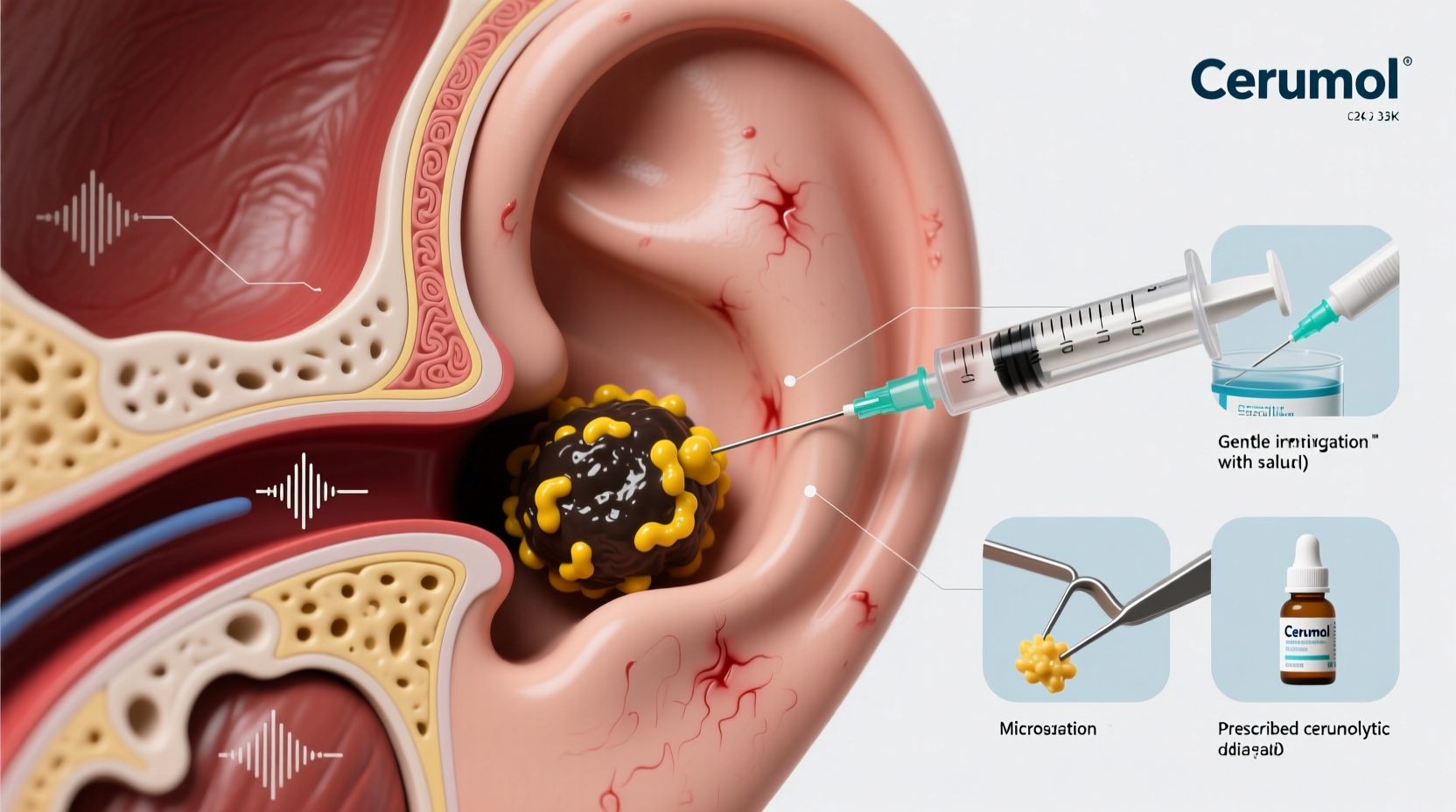
The human body is designed to self-clean the ears. Jaw movements from chewing and talking help push old earwax out of the ear canal, where it flakes off unnoticed. However, several factors can disrupt this process and lead to excessive wax accumulation:
- Anatomical factors: Narrow or curved ear canals make it harder for wax to exit naturally.
- Overproduction: Some individuals naturally produce more earwax than others due to genetics or gland activity.
- Use of hearing aids or earbuds: These devices can block the normal migration of wax, pushing it deeper into the canal.
- Improper cleaning habits: Using cotton swabs, bobby pins, or other objects can compact wax against the eardrum instead of removing it.
- Aging: As people age, earwax often becomes drier and less mobile, increasing the risk of impaction.
- Skin conditions: Conditions like eczema or psoriasis affecting the ear canal can contribute to wax buildup.
Common Symptoms of Earwax Impaction
When earwax blocks more than 80% of the ear canal, it’s considered impacted. At this stage, symptoms begin to appear. These can range from mild irritation to significant functional impairment:
- Hearing loss (usually temporary and partial)
- Earache or a feeling of fullness in the ear
- Tinnitus (ringing or buzzing in the ear)
- Dizziness or vertigo
- Coughing (due to nerve stimulation in the ear canal)
- Itching or discharge, especially if infection develops
In children, symptoms may be less obvious. Parents might notice delayed responses to sounds, increased TV volume, or frequent ear pulling. Because these signs mimic other conditions like ear infections, proper diagnosis is critical.
“Earwax impaction is one of the most common yet preventable causes of conductive hearing loss. Many patients come in with months of undiagnosed symptoms simply because they didn’t realize wax could be the culprit.” — Dr. Lena Patel, Otolaryngologist
Safe and Effective Treatment Options
Not all earwax buildup requires medical intervention. Mild cases can often be managed at home with care. However, when symptoms persist or worsen, professional treatment is necessary.
Home Remedies (For Mild Cases Only)
If you’re experiencing minor fullness or slight hearing muffling without pain or drainage, try softening the wax first:
- Apply a few drops of mineral oil, baby oil, or over-the-counter earwax softeners (like carbamide peroxide) twice daily for 3–5 days.
- Lie on your side for 5 minutes after application to allow penetration.
- After softening, gently flush the ear with warm (not hot) water using a bulb syringe.
Always tilt your head and pull the outer ear upward and backward to straighten the canal during irrigation.
Professional Treatments
When home methods fail or if there’s pain, drainage, or a history of ear surgery, seek medical help. Doctors use three primary methods:
| Treatment Method | How It Works | Best For |
|---|---|---|
| Irrigation | Uses controlled water pressure to flush out softened wax | Mild to moderate impaction; no eardrum perforation |
| Manual Removal | Specialized tools (curettes, suction) used under direct vision | Firm or hard-to-reach wax; patients with narrow canals |
| Microsuction | Vacuum device removes wax under microscope guidance | Sensitive cases, post-surgery patients, or those with chronic issues |
Microsuction is increasingly preferred due to its precision and low risk of complications.
Tip: Never attempt to remove impacted wax with sharp objects. You risk damaging the delicate skin of the ear canal or perforating the eardrum.Mini Case Study: Resolving Chronic Ear Fullness
James, a 47-year-old teacher, had been experiencing gradual hearing decline in his right ear over six weeks. He initially attributed it to fatigue but noticed he kept asking students to repeat themselves. He also developed occasional dizziness when turning his head quickly. After trying ear drops without relief, he visited an ENT specialist. Upon examination, the doctor found a dense cerumen plug completely blocking the ear canal. After a single microsuction procedure, James reported immediate improvement in hearing and resolution of dizziness. The case highlights how untreated wax buildup can mimic more serious neurological or auditory conditions.
Prevention Checklist
To minimize the risk of future earwax impaction, follow this practical checklist:
- ✅ Clean only the outer part of the ear with a damp cloth—never insert anything into the canal.
- ✅ Use earwax softeners monthly if prone to buildup.
- ✅ Remove hearing aids or earbuds regularly to allow natural wax migration.
- ✅ Schedule annual ear checkups if you have a history of impaction.
- ❌ Avoid cotton swabs, hairpins, or commercial ear candles.
- ❌ Don’t irrigate if you’ve had ear surgery, tubes, or suspect a ruptured eardrum.
Frequently Asked Questions
Can earwax cause permanent hearing loss?
No, hearing loss caused by earwax is typically temporary and fully reversible once the blockage is removed. However, prolonged impaction can lead to secondary issues like ear infections or eardrum damage if left untreated.
Is it safe to use hydrogen peroxide for earwax?
Yes, but only in diluted form (such as over-the-counter carbamide peroxide drops). Pure hydrogen peroxide can irritate the sensitive skin of the ear canal. Use it for no more than 4–5 days consecutively.
How often should I get my ears professionally cleaned?
Most people don’t need routine cleanings. However, if you’re prone to buildup—due to anatomy, hearing aid use, or dry skin—every 6 to 12 months is reasonable. Always consult your healthcare provider for personalized advice.
Conclusion: Take Ear Health Seriously
Earwax is a natural and necessary part of ear function, but when it builds up, it can interfere with hearing, balance, and comfort. Recognizing the signs early and avoiding harmful cleaning practices are key to prevention. When in doubt, skip the DIY solutions and consult a healthcare professional. Safe, effective treatments are available that can restore clarity—both in hearing and peace of mind.
💬 Your ears deserve care, not guesswork. If you've experienced wax-related symptoms, share your story or tips in the comments below—your insight could help someone avoid unnecessary discomfort.








