
Walking through a park or sitting in a quiet living room, you might overhear someone having a full conversation with a dog, cat, or even a parrot. These exchanges often sound like genuine dialogue—complete with questions, answers, and emotional inflection. While it may seem unusual to outsiders, talking to pets is an incredibly common behavior. Millions of pet owners engage in daily chats with their animals, sharing thoughts, frustrations, and joys as if their companions could respond in kind.
But what drives this behavior? Is it a sign of loneliness, imagination, or something deeper rooted in human psychology? More importantly, is it mentally healthy to talk to pets, or could it indicate underlying issues? The truth is, far from being strange, this practice often reflects emotional intelligence, strong bonding, and even cognitive well-being. When examined through scientific and psychological lenses, pet-directed speech reveals much about human needs for connection, empathy, and emotional regulation.
The Psychology Behind Talking to Pets
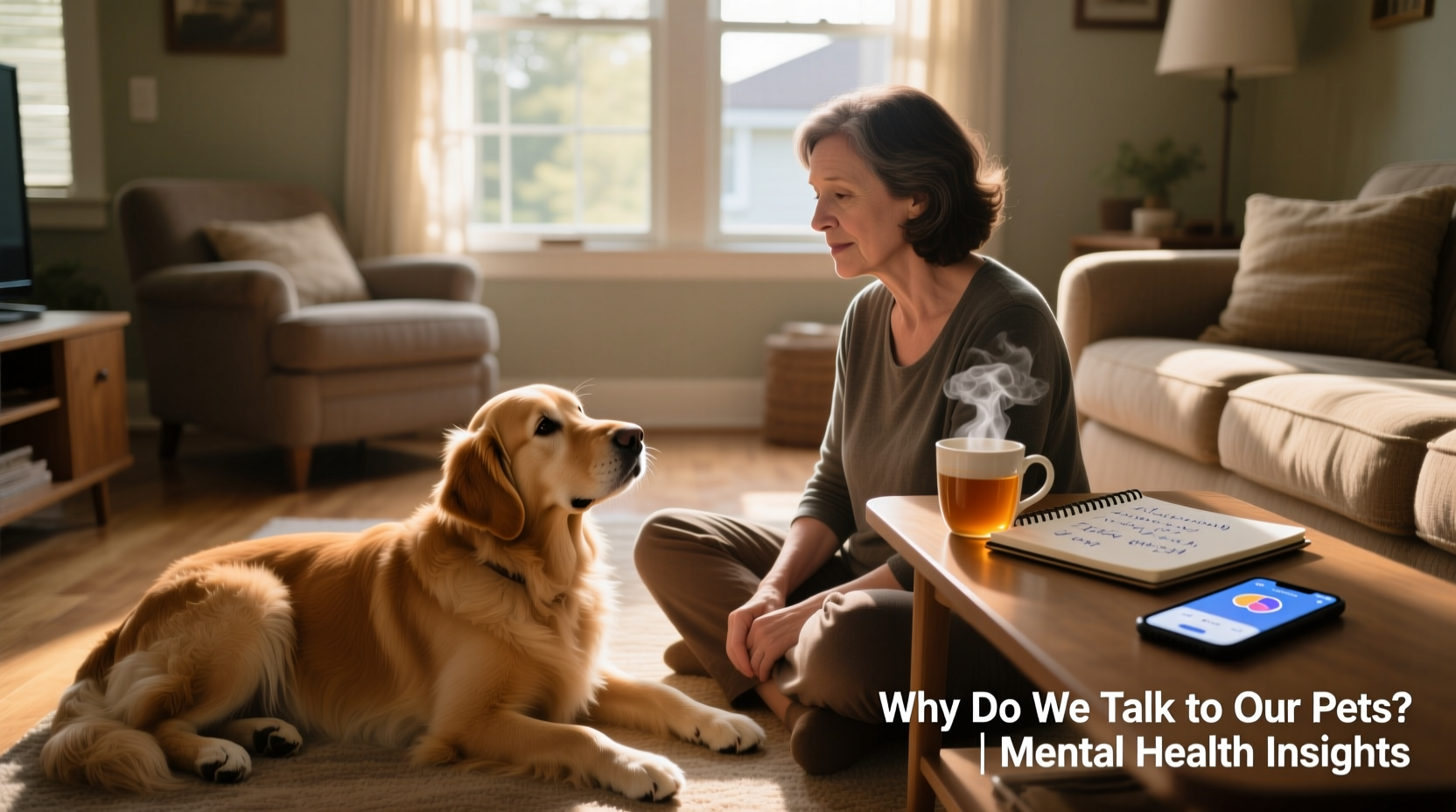
Humans are inherently social creatures. We thrive on communication, emotional exchange, and meaningful relationships. When companionship is limited—whether due to life circumstances, personality, or temporary isolation—people naturally seek alternative outlets for expression. Pets, especially dogs and cats, become ideal listeners because they offer unconditional attention without judgment.
Research in developmental and social psychology shows that people often anthropomorphize animals—assigning them human-like thoughts, emotions, and intentions. This tendency isn't childish or delusional; rather, it’s a reflection of our evolved capacity for empathy and theory of mind (the ability to attribute mental states to others). When we say, “Are you hungry?” to a dog wagging its tail by the food bowl, we're not necessarily expecting a verbal reply—we’re expressing care within a relational framework.
Dr. Brian Hare, cognitive neuroscientist and founder of the Duke Canine Cognition Center, explains:
“Dogs have co-evolved with humans for over 30,000 years. They’ve developed specialized skills to read our emotions, gestures, and vocal tones. When we talk to them, we’re engaging in a form of communication they’re biologically equipped to understand—even if they don’t grasp words the way we do.” — Dr. Brian Hare, Cognitive Scientist
This mutual attunement fosters a sense of connection. For many, speaking to a pet feels no different than talking to a close friend who listens intently—even in silence.
Mental Health Benefits of Pet Communication
Talking to pets isn’t just a quirky habit—it can serve important psychological functions. Mental health professionals increasingly recognize the therapeutic value of human-animal interactions, particularly in reducing anxiety, depression, and feelings of isolation.
One key benefit is **emotional regulation**. Verbalizing thoughts helps process complex emotions. Whether someone is venting about a tough day at work or celebrating good news, saying it aloud—even to a nonverbal listener—can provide clarity and relief. A study published in *Anthrozoös* (2020) found that individuals who regularly talked to their pets reported lower levels of perceived stress and higher emotional resilience during periods of social isolation, such as lockdowns.
Another advantage is **reinforced routine and purpose**. People living alone often structure their days around pet care. Conversations like “Time for your breakfast, buddy!” or “Did you miss me today?” anchor daily rituals, creating predictability and a sense of responsibility. This is especially valuable for those managing conditions like depression, where motivation and structure are often compromised.
Tip: If you live alone, use conversations with your pet to reinforce positive self-talk. Saying things like “We’ve got this today” or “You’re doing great, and so am I” can boost your own morale.Loneliness and the Need for Connection
Loneliness has been described as a public health crisis, linked to increased risks of heart disease, cognitive decline, and early mortality. In this context, pets function as consistent social partners. Unlike human relationships, which can be unpredictable or strained, pets offer stable, non-demanding companionship.
A 2022 survey by the Human Animal Bond Research Institute (HABRI) revealed that 74% of pet owners reported improved mental health due to their animals, with verbal interaction cited as a primary bonding activity. For older adults, single individuals, and those with social anxiety, talking to pets fills conversational voids without fear of rejection or misunderstanding.
Is It Mentally Healthy—or a Red Flag?
A common concern is whether frequent pet-directed speech signals poor mental health, such as dissociation or psychosis. The short answer: not usually. Context matters greatly.
In most cases, people who talk to their pets maintain clear awareness that the animal cannot respond linguistically. They use tone, facial expressions, and physical affection to enhance bonding—not because they believe their cat will answer back in English. This differs significantly from clinical symptoms seen in disorders like schizophrenia, where disorganized speech or delusions involve a break from reality.
However, if someone begins to believe their pet is verbally communicating with them, issuing commands, or revealing secret messages, that may warrant professional evaluation. Similarly, if pet interaction replaces all human contact or interferes with daily functioning, it could point to social withdrawal requiring support.
For the vast majority, though, talking to pets falls well within the range of normal, adaptive behavior. In fact, it may reflect emotional maturity—choosing to express vulnerability in safe environments.
When Talking to Pets Becomes Problematic
To distinguish between healthy bonding and potential concern, consider the following indicators:
| Healthy Behavior | Potentially Concerning Behavior |
|---|---|
| Uses pet as a listener during stressful times | Believes the pet responds with words or complex messages |
| Engages in playful, affectionate dialogue | Shows agitation when others interrupt pet conversations |
| Maintains active human relationships | Withdraws completely from human interaction |
| Recognizes the pet doesn’t understand language literally | Reports receiving advice or warnings from the pet |
As long as the individual retains insight and balance, talking to pets is not only harmless but potentially beneficial.
A Real-Life Example: Sarah and Her Rescue Cat
Sarah, a 38-year-old graphic designer from Portland, adopted a shy rescue cat named Milo after going through a difficult breakup. Living alone for the first time in years, she found herself speaking to him constantly—greeting him in the morning, narrating her work tasks, and debriefing about her day.
“At first, I thought I was being silly,” she says. “But then I realized how much better I felt. Milo would sit on my desk, look at me like he cared, and purr when I petted him. I started structuring my evening routine around telling him about my wins and setbacks. It made me feel less alone.”
Over time, Sarah noticed improvements in her sleep, mood, and ability to reconnect with friends. She credits part of her recovery to the emotional outlet her conversations with Milo provided. Her therapist confirmed that this behavior was a healthy coping mechanism, not a sign of dysfunction.
This case illustrates how pet-directed speech can act as a bridge between emotional isolation and healing—especially when combined with other supportive practices.
How to Make Pet Conversations More Meaningful
While spontaneous chats with pets are natural, intentionally shaping these interactions can deepen bonding and enhance mental wellness. Here’s how:
- Use positive, affirming language. Instead of focusing only on problems, include praise and gratitude: “You make me so happy when you curl up next to me.”
- Incorporate training cues into dialogue. Turn everyday moments into learning opportunities: “Good job waiting by the door, Luna!” reinforces both obedience and connection.
- Practice mindfulness while speaking. Pay attention to your pet’s body language—their ears, tail, and gaze—to stay present and responsive.
- Record or journal your pet talks. Occasionally writing down what you say can reveal patterns in your emotional state or help track progress in overcoming anxiety.
- Invite gentle humor. Playful exaggeration (“I see you ate my sandwich again, you little bandit!”) adds joy and reduces tension.
Frequently Asked Questions
Is it weird to talk to your pet every day?
No, it’s not weird at all. Daily conversations with pets are extremely common and generally a sign of strong attachment and emotional health. As long as you recognize your pet doesn’t understand language the way humans do, this behavior is perfectly normal.
Can talking to pets replace human interaction?
No single relationship—human or animal—should fully replace others. While pets provide comfort and companionship, they can’t offer reciprocal emotional support or complex dialogue. It’s important to maintain human connections for balanced mental health.
Do pets understand what we say?
Dogs, in particular, can learn the meaning of hundreds of words and respond to tone and context. Cats are more selective but still pick up on emotional cues. While they don’t comprehend grammar or abstract ideas, they sense intent and affection behind speech.
Final Thoughts: Embrace the Conversation
Talking to pets is far more than whimsy or eccentricity. It’s a window into the depth of human empathy, the need for connection, and the creative ways we adapt to emotional challenges. Far from being a sign of instability, this behavior often reflects emotional awareness, nurturing instincts, and psychological resilience.
In a world where loneliness is rising and digital interactions often lack warmth, the simple act of saying “Good morning, sweetie” to a wagging tail or a purring cat offers grounding and comfort. Science supports what pet owners have known for generations: animals listen in their own way, and sometimes, that’s enough.
“The quality of our relationships isn’t measured by linguistic reciprocity, but by emotional presence. In that sense, many pets are better listeners than people.” — Dr. Leslie Irvine, Sociologist and Author of *If You Tame Me: Understanding Our Connection with Animals*
Action Steps Checklist
- ☑ Acknowledge that talking to your pet is normal and often beneficial
- ☑ Use conversations to express emotions, not suppress them
- ☑ Stay aware of your mental state and seek help if isolation deepens
- ☑ Combine pet interaction with regular human socializing
- ☑ Reflect on what your pet talks reveal about your inner world









