
Rabbits are quiet animals by nature, but they have a powerful way of making their feelings known: foot thumping. This sudden, rhythmic pounding is more than just a quirky habit—it’s a form of communication rooted in instinct and emotion. Understanding why your rabbit thumps can deepen your bond and help you respond to its needs effectively. More importantly, knowing when thumping becomes a sign of distress or illness can make all the difference in ensuring your pet's well-being.
Thumping isn’t random. It serves as an alarm signal, a territorial marker, or even a reaction to fear or discomfort. While occasional thumping is normal, frequent or intense episodes may point to underlying issues that require attention. This article explores the science and behavior behind rabbit thumping, identifies common triggers, and outlines when it’s time to take action.
The Evolutionary Roots of Foot Thumping
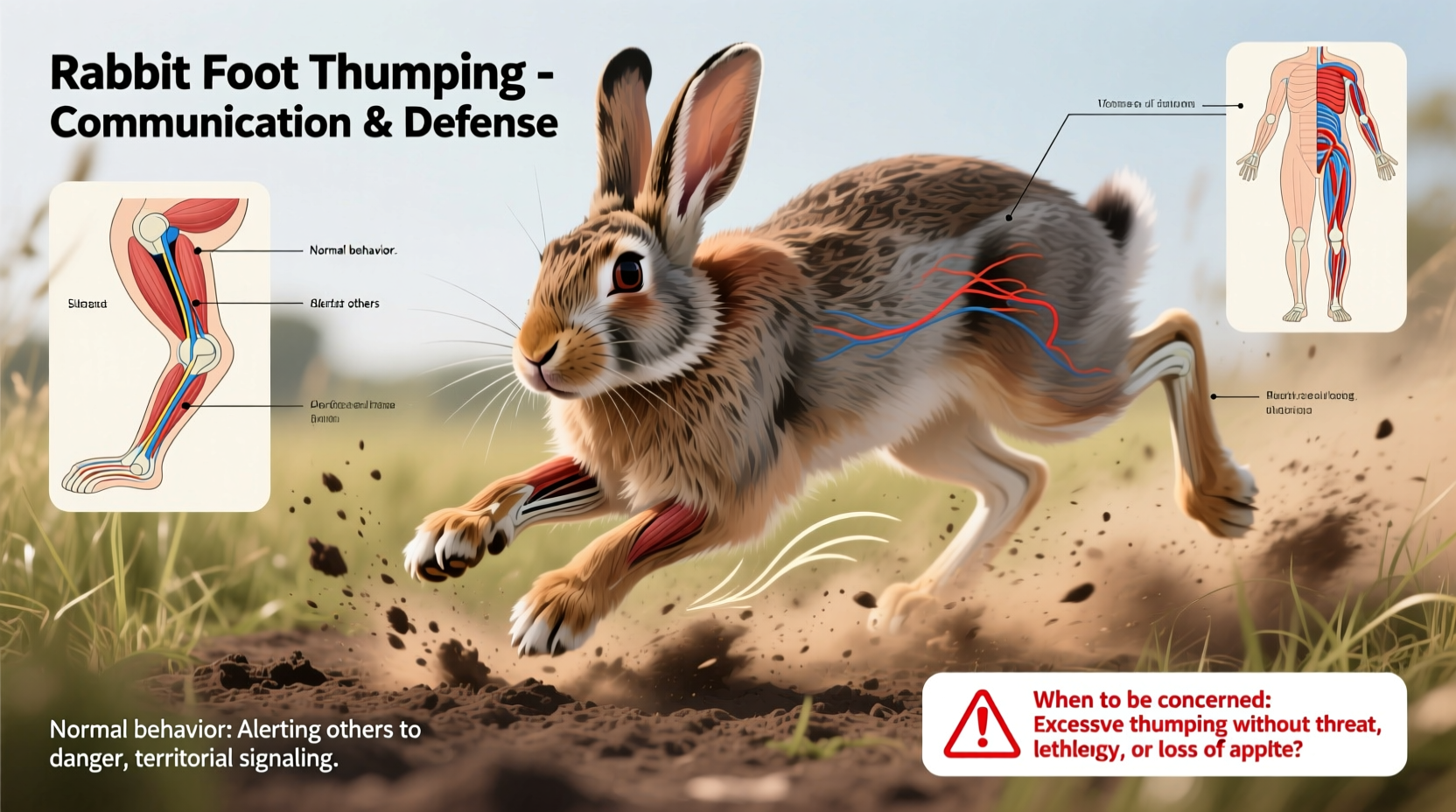
In the wild, rabbits rely on non-vocal communication to avoid attracting predators. Vocalizations like squeals or grunts can draw unwanted attention, so evolution favored quieter warning systems. Foot thumping emerged as a primary method for signaling danger across distances—especially through the ground, where vibrations travel efficiently.
When a wild rabbit senses a threat—a fox moving nearby, unfamiliar scents, or sudden noises—it will lift one or both hind legs and forcefully strike the ground. The resulting vibration alerts other rabbits in the warren, prompting them to freeze, flee, or prepare for danger. This behavior is deeply ingrained, which is why domesticated rabbits still exhibit it despite living in safe environments.
“Thumping is a survival mechanism passed down through generations. Even hand-raised rabbits retain this instinct because it’s hardwired into their nervous system.” — Dr. Lila Hartman, Veterinary Ethologist
Interestingly, studies show that rabbits can distinguish between different types of thumps based on rhythm and intensity. A single sharp thump might indicate mild surprise, while rapid, repeated strikes suggest high alert. This nuanced signaling underscores the sophistication of rabbit communication beyond mere noise.
Common Reasons Why Rabbits Thump
Domestic rabbits thump for many of the same reasons their wild ancestors did—but modern household environments introduce new triggers. Recognizing these causes helps owners interpret their rabbit’s emotional state accurately.
- Fear or perceived threats: Loud noises (vacuum cleaners, thunderstorms), fast movements, or unfamiliar people can trigger defensive thumping.
- Discomfort with handling: Some rabbits thump when picked up, especially if they feel insecure or restrained.
- Environmental changes: New furniture, rearranged cages, or the presence of other pets can provoke anxiety-related thumping.
- Protecting territory: Rabbits are naturally territorial. Thumping may occur when another animal (or human) approaches their space, food bowl, or favorite resting spot.
- Attention-seeking: In some cases, rabbits learn that thumping gets a response—and may use it strategically to demand treats or interaction.
- Pain or illness: Chronic conditions like arthritis or dental pain can cause irritability and lead to increased thumping.
When Thumping Signals a Problem
Occasional thumping is normal. But persistent, unexplained, or aggressive thumping should raise concerns. Unlike momentary reactions to stimuli, problematic thumping often lacks an obvious trigger and may be accompanied by other behavioral changes.
Consider the following red flags:
- Thumping multiple times per day without clear cause
- Thumping during rest periods or at night
- Aggressive posturing (ears back, growling, lunging)
- Avoidance behaviors (hiding, refusing to eat)
- Sudden onset in a previously calm rabbit
These signs may indicate chronic stress, pain, or environmental dissatisfaction. For example, a rabbit with gastrointestinal stasis—a life-threatening condition in rabbits—may thump due to abdominal discomfort. Similarly, older rabbits with joint pain may react defensively to movement or touch.
Case Study: Bella the Nervous Rabbit
Bella, a 3-year-old Dutch rabbit, began thumping frequently after her owners adopted a kitten. Initially, the thumping occurred only when the kitten approached her enclosure. Over two weeks, however, Bella started thumping at night and stopped using her litter box consistently.
Her owner consulted a rabbit-savvy veterinarian, who observed Bella’s tense posture and reluctance to hop freely. After ruling out medical causes, the vet concluded that Bella was experiencing chronic stress from feeling unsafe. The solution involved creating a separate, quiet room for Bella with elevated hiding spots and gradual reintroduction sessions supervised by the owner.
Within three weeks, Bella’s thumping decreased significantly. This case highlights how environmental stressors, even seemingly minor ones, can escalate if not addressed early.
How to Respond to Rabbit Thumping
Your reaction to thumping influences whether the behavior diminishes or escalates. Reacting with alarm or punishment can reinforce fear, while calm, consistent responses build trust.
- Stay calm: Avoid shouting or making sudden movements. Your rabbit is already on high alert.
- Assess the environment: Identify potential triggers—new sounds, smells, or changes in routine.
- Give space: Allow your rabbit time to relax. Approach slowly once it stops thumping.
- Use positive reinforcement: Offer a treat or gentle verbal praise once the rabbit calms down to associate safety with the situation.
- Document patterns: Keep a log of when thumping occurs, duration, and surrounding events to identify trends.
| Scenario | Likely Cause | Recommended Response |
|---|---|---|
| Rabbit thumps when vacuum turns on | Fear of loud noise | Turn off device, offer comfort, gradually desensitize with lower volumes |
| Thumping when handled | Discomfort or lack of trust | Limit handling, use gentle techniques, build trust over time |
| Frequent nighttime thumping | Stress, pain, or insecurity | Veterinary checkup, evaluate housing setup, ensure quiet sleeping area |
| Thumping near food bowl | Food guarding or territoriality | Respect space, avoid sudden movements, feed at consistent times |
Preventing Excessive Thumping: A Proactive Checklist
Creating a stable, enriching environment reduces stress and minimizes unnecessary thumping. Follow this checklist to support your rabbit’s emotional health:
- ✅ Provide multiple hiding places (tunnels, cardboard boxes, covered shelters)
- ✅ Maintain a consistent daily routine for feeding, cleaning, and interaction
- ✅ Minimize exposure to loud noises and sudden disruptions
- ✅ Ensure proper bonding if housing multiple rabbits
- ✅ Schedule annual veterinary exams with a rabbit-specialist vet
- ✅ Offer mental stimulation (toys, foraging activities, safe exploration time)
- ✅ Use soft lighting and avoid extreme temperature fluctuations
Medical Causes Behind Persistent Thumping
Sometimes, thumping is less about emotion and more about physical discomfort. Rabbits are masters at hiding pain, so behavioral changes like increased thumping may be among the first visible clues.
Conditions associated with abnormal thumping include:
- Dental disease: Overgrown teeth cause chronic pain, leading to irritability and defensive behaviors.
- Arthritis: Joint stiffness makes movement painful, increasing sensitivity to touch or handling.
- Gastrointestinal issues: Gas, bloating, or ileus can cause significant abdominal discomfort.
- Ear infections: Balance problems or inner ear pain may make rabbits feel unstable or frightened.
- Spinal injuries: Trauma or degeneration affects mobility and increases defensiveness.
If your rabbit shows any of the following alongside thumping, seek veterinary care immediately:
- Loss of appetite lasting more than 12 hours
- Reduced fecal output or misshapen droppings
- Lethargy or reluctance to move
- Teeth grinding (a sign of pain)
- Drooling or wet chin
- Head tilt or circling
“Never dismiss behavioral changes in rabbits as ‘just personality.’ What seems like stubbornness could be silent suffering.” — Dr. Rafael Mendez, Exotic Animal Veterinarian
Frequently Asked Questions
Is foot thumping normal in rabbits?
Yes, occasional thumping is completely normal and part of natural rabbit communication. It typically occurs in response to startling noises, perceived threats, or territorial situations. However, frequent or unexplained thumping warrants closer observation and possibly a vet visit.
Can rabbits thump out of excitement?
While less common, some rabbits may thump lightly during moments of heightened arousal—not necessarily fear. For instance, a rabbit might thump once when seeing its favorite person enter the room. This differs from fear-based thumping in tone and body language: ears are forward, posture is relaxed, and the thump is isolated.
Should I be worried if my rabbit thumps at night?
Nighttime thumping can indicate discomfort, stress, or environmental disturbances (noises, lights, temperature changes). Since rabbits are most active at dawn and dusk, some evening activity is expected. But repeated or prolonged thumping during rest hours suggests an issue that needs investigation—either medical or environmental.
Conclusion: Listening Beyond the Sound
Rabbit thumping is far more than a curious noise—it’s a window into your pet’s inner world. By learning to interpret the context, frequency, and accompanying behaviors, you gain valuable insight into their emotional and physical state. Most thumping is harmless and rooted in instinct, but when it becomes excessive or unexplained, it may be the only way your rabbit can say, “Something’s wrong.”
Responding with patience, observation, and timely veterinary support ensures your rabbit feels safe and understood. Small adjustments in environment, routine, or handling can dramatically reduce stress and prevent long-term behavioral issues.
💬 Have you noticed patterns in your rabbit’s thumping? Share your experiences or questions in the comments—your insights could help fellow rabbit owners better understand their pets.








