
Puppies explore the world with their mouths. Chewing is a natural, instinctive behavior that helps them relieve teething discomfort, build jaw strength, and satisfy curiosity. While occasional gnawing on appropriate items is normal, unchecked chewing can escalate into destructive habits—shredded shoes, gnawed furniture, or damaged baseboards. Understanding the root causes of puppy chewing is the first step toward managing it effectively. With consistent guidance, environmental control, and positive reinforcement, you can redirect your puppy’s chewing instincts toward acceptable outlets and prevent long-term behavioral issues.
The Science Behind Puppy Chewing
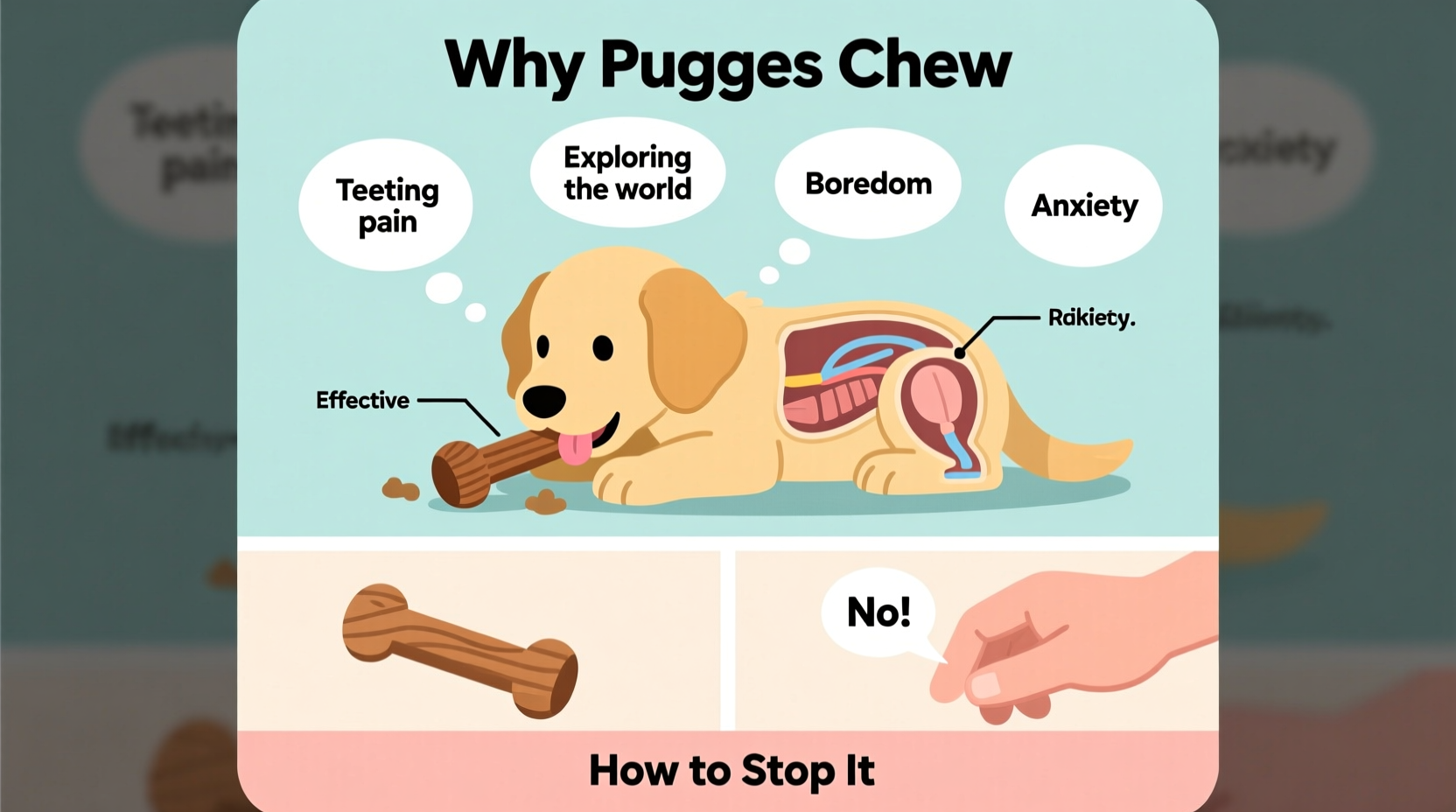
Chewing serves multiple developmental purposes for young dogs. Between 3 and 6 months of age, puppies begin losing their baby teeth as adult teeth emerge. This teething phase causes gum inflammation and discomfort, prompting puppies to chew on soft or cool objects to soothe soreness. The pressure from chewing also helps loosen baby teeth and encourages proper alignment of new ones.
Beyond physical development, chewing is a cognitive and emotional outlet. Puppies use their mouths to investigate textures, shapes, and scents—much like human babies use their hands. It's their primary method of interacting with unfamiliar objects. Additionally, chewing releases endorphins, creating a calming effect that reduces anxiety in uncertain environments.
“Puppies don’t chew out of spite—they chew because it feels good, relieves pain, or satisfies curiosity.” — Dr. Karen Becker, Integrative Veterinarian
Common Triggers of Destructive Chewing
While chewing itself isn't problematic, targeting household items often stems from unmet needs or poor management. Recognizing these triggers allows owners to intervene proactively:
- Teething pain: Most intense between 12–20 weeks; leads to persistent chewing on anything within reach.
- Boredom: Understimulated puppies resort to chewing as a form of self-entertainment.
- Separation anxiety: Destructive chewing when left alone may indicate stress or fear.
- Lack of boundaries: Puppies not taught what’s off-limits will test limits indiscriminately.
- Reinforced behavior: Accidentally rewarding chewing (e.g., playing tug-of-war with a stolen sock) teaches the puppy it’s acceptable.
How to Redirect Chewing Behavior Effectively
Stopping unwanted chewing isn’t about punishment—it’s about redirection and consistency. The goal is to make appropriate chew toys more appealing than household items while discouraging access to off-limit objects.
Step-by-Step Guide to Managing Chewing
- Remove temptation: Secure shoes, cords, trash cans, and other chewable items out of reach.
- Provide variety: Offer different textures—rubber, rope, plush, nylon—to match your puppy’s preferences.
- Rotate toys: Introduce 2–3 toys at a time and rotate weekly to maintain novelty.
- Use taste deterrents: Apply pet-safe bitter sprays to furniture legs or baseboards.
- Supervise closely: Use a leash indoors or confine your puppy to a puppy-proofed area when unsupervised.
- Reinforce desired behavior: Praise and treat your puppy immediately when they choose a toy over an inappropriate object.
Consistency across all family members is crucial. Mixed signals—such as allowing chewing on old slippers but not new ones—confuse the puppy and delay learning.
Choosing the Right Chew Toys
Not all chew toys are created equal. The best options are durable, non-toxic, and suited to your puppy’s size and chewing intensity. Below is a comparison of common chew toy types and their suitability:
| Toys | Best For | Pros | Cons |
|---|---|---|---|
| Rubber toys (e.g., Kong) | All breeds, especially aggressive chewers | Durable, can be stuffed with food for mental stimulation | May be too hard for very young puppies |
| Soft plush toys | Young puppies, light chewers | Comforting texture, mimics nursing | Easily destroyed; supervise to prevent ingestion |
| Rope toys | Teething, interactive play | Flosses teeth, promotes tug play | Fibers can unravel; avoid if swallowed |
| Nylon bones | Puppies past 5 months | Long-lasting, supports dental health | Too hard for early teething; risk enamel wear |
| Edible chews (e.g., yak cheese) | Short-term distraction | Satisfies urge to chew, digestible | Calorie-dense; not suitable for frequent use |
Real-Life Example: Turning Around a Chew Problem
Sophie, a 16-week-old Labrador Retriever, was destroying her owner’s sneakers and couch corners within days of arriving home. Her owners initially responded by yelling and spraying water, which only made Sophie sneak away to chew in private. After consulting a trainer, they implemented a structured plan: they removed all accessible footwear, installed baby gates to limit roaming, and introduced a rotation of frozen Kongs and rubber toys. Whenever Sophie chewed an approved item, she received praise and small treats. Within three weeks, destructive chewing dropped by over 90%. By 6 months, Sophie had learned to go directly to her toy basket when excited or anxious.
This case illustrates that even intense chewing habits can be reshaped with patience and the right strategy—no harsh corrections needed.
Prevention Checklist: Stop Chewing Before It Starts
- ✅ Puppy-proof your home: Hide cords, secure trash, close bedroom doors.
- ✅ Stock up on safe chew toys: Have at least 5–7 on hand.
- ✅ Supervise or confine: Never allow free roam until chewing is under control.
- ✅ Establish a routine: Regular feeding, potty breaks, and play reduce stress-related chewing.
- ✅ Exercise daily: A tired puppy is less likely to seek stimulation through chewing.
- ✅ Use confinement wisely: Crates or pens should be safe spaces, not punishment zones.
- ✅ Monitor chewing patterns: Note times or triggers (e.g., post-meal, pre-nap) to anticipate needs.
FAQ: Common Questions About Puppy Chewing
Is it normal for my puppy to chew everything?
Yes, especially between 8 and 20 weeks. Chewing is instinctual and part of healthy development. However, unchecked access to inappropriate items can turn temporary exploration into a habit. Management and redirection are key.
How long does the chewing phase last?
Most puppies significantly reduce destructive chewing by 6–8 months, once adult teeth settle and mental maturity increases. Some large breeds may continue chewing into their first year, but frequency decreases with training and enrichment.
Can I give my puppy rawhide or antlers?
Rawhide poses choking and digestive risks and is generally not recommended. Antlers are extremely hard and can cause tooth fractures in young puppies. Safer alternatives include rubber toys, bully sticks (in moderation), or vet-approved edible chews.
Conclusion: Building Better Habits One Chew at a Time
Understanding why puppies chew transforms frustration into opportunity. Instead of viewing chewing as misbehavior, see it as a window into your puppy’s needs—relief, exploration, or comfort. By providing appropriate outlets, setting clear boundaries, and reinforcing good choices, you guide your puppy toward becoming a well-mannered adult dog. Remember, every chewed shoe is not a failure but a signal that your puppy needs more structure, stimulation, or supervision. With time, consistency, and empathy, destructive chewing becomes a brief chapter in your shared journey—not a lasting problem.
🚀 Start today: Pick one high-value chew toy, remove three tempting household items, and reward your puppy the next time they choose the right thing. Small steps lead to big changes.








