Pet owners often notice their cats or dogs pausing mid-activity, eyes locked on a blank wall, corner, or seemingly nothing at all. While occasional odd behavior is normal, repeated or intense staring can raise questions about a pet's mental or physical well-being. This behavior isn’t always alarming—sometimes it’s rooted in instinct or curiosity—but in other cases, it may signal underlying health issues. Understanding the difference between harmless quirks and warning signs is essential for responsible pet care.
This article explores the most common reasons pets fixate on empty spaces, from natural instincts to neurological conditions. It also provides clear guidance on when such behavior warrants a vet visit, how to monitor for red flags, and what steps you can take to support your pet’s long-term health.
Instinctual and Environmental Triggers
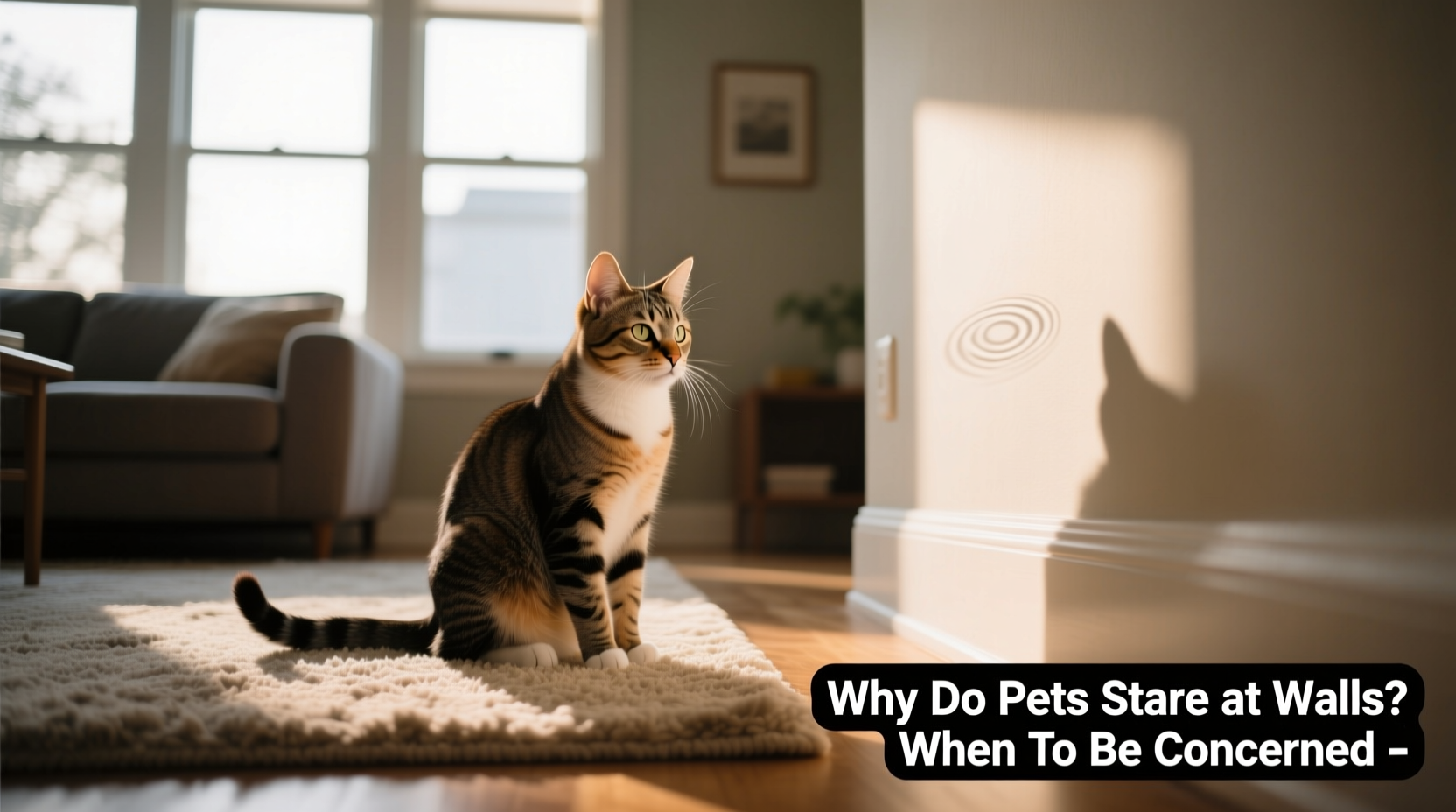
Animals rely heavily on senses that humans don’t experience as acutely. A cat might detect high-frequency sounds beyond human hearing, while a dog could catch faint scents wafting through air vents. These stimuli can originate from within the home: mice scratching inside walls, insects crawling behind baseboards, or even electrical hums from appliances.
In some cases, visual illusions play a role. Sunlight reflecting off glass or polished floors can create moving patterns that capture a pet’s attention. Dust particles drifting in a beam of light may appear like tiny prey to a cat with sharp vision. Dogs, particularly those bred for hunting or guarding, may respond to subtle movements or changes in shadows as potential threats.
Staring can also be part of routine investigative behavior. Pets use focused observation to assess their environment. A sudden change—like a new piece of furniture or a shifted rug—might prompt prolonged scrutiny until the brain registers it as non-threatening.
Tip: Observe your pet’s body language during these episodes. Relaxed posture and blinking indicate curiosity; rigid stance, dilated pupils, or lack of response to calls suggest deeper concern.Behavioral Explanations: Boredom, Anxiety, and Repetitive Habits
Just like humans, pets can develop compulsive behaviors when stressed, under-stimulated, or anxious. Staring into space may become a repetitive act, similar to pacing or tail-chasing. This is especially common in animals with limited enrichment, confined living conditions, or histories of trauma.
Cats left alone for long hours may fixate on static areas out of sheer boredom. The absence of predatory outlets—such as outdoor exploration or interactive play—can lead to displacement behaviors, where the mind seeks stimulation in otherwise uneventful surroundings.
Dogs suffering from separation anxiety or noise phobias (e.g., fear of thunderstorms) may retreat into trance-like states. In these moments, they aren’t truly “seeing” anything but are mentally disengaged as a coping mechanism. Some experts refer to this as \"zoning out,\" a form of dissociation seen in animals under chronic stress.
“Repetitive staring without an external trigger often reflects emotional imbalance. Enrichment and routine are key to restoring mental equilibrium.” — Dr. Lena Torres, Veterinary Behaviorist
Common Behavioral Causes Summary
- Boredom: Lack of toys, exercise, or social interaction leads to fixation on minor stimuli.
- Anxiety: Fear-based conditions cause avoidance or obsessive focus.
- Habit Formation: Once initiated, staring can become self-reinforcing, especially if it brings temporary calm.
- Lack of Mental Stimulation: Intelligent breeds (e.g., Border Collies, Siamese cats) require cognitive challenges.
Medical Conditions Linked to Wall-Staring
When environmental and behavioral factors are ruled out, medical causes must be considered. Persistent staring into corners or blank walls can be a symptom of serious neurological or sensory disorders.
Epilepsy and Seizure Activity
Focal seizures (also called partial seizures) affect only a portion of the brain and may not involve convulsions. Instead, pets may exhibit:
- Fixed gaze lasting seconds to minutes
- Twitching facial muscles or blinking
- Unresponsiveness to voice or touch
- Subtle paw movements or jaw chattering
Vision and Hearing Degeneration
Older pets frequently develop cataracts, glaucoma, or retinal atrophy. As vision declines, they may stare at walls because they misinterpret light contrasts or perceive shadows as objects. Similarly, hearing loss can make pets more visually dependent, causing them to fixate on slight movements that might indicate presence or danger.
Cognitive Dysfunction Syndrome (CDS)
Similar to dementia in humans, CDS affects senior pets. Symptoms include confusion, altered sleep cycles, soiling indoors, and vacant staring. A dog might stand motionless in a corner, seemingly unaware of its surroundings. Studies estimate that over 50% of dogs aged 11–16 show at least one sign of cognitive decline.
Brain Tumors or Lesions
Though less common, tumors in the frontal or temporal lobes can disrupt perception and attention. These may present with additional symptoms like circling, head tilt, aggression, or loss of balance.
When to Be Concerned: Warning Signs Checklist
Not every instance of wall-staring requires intervention. However, certain patterns should prompt immediate veterinary evaluation. Use the following checklist to assess risk:
Checklist: When to Seek Veterinary Help- Staring lasts longer than 1–2 minutes and ends with confusion or drowsiness.
- Your pet doesn’t respond when called by name or touched.
- Episodes occur multiple times per week or increase in frequency.
- Accompanied by twitching, drooling, tremors, or collapsing.
- New onset in older pets (over 8 years for dogs, 10 for cats).
- Sudden behavioral shifts: aggression, withdrawal, or disorientation.
- Changes in appetite, sleep, or house-training habits.
Diagnostic Process and What to Expect at the Vet
If you observe concerning symptoms, schedule a visit with your veterinarian. Diagnosis typically follows a tiered approach:
Step-by-Step Evaluation Timeline
- Initial Consultation: The vet will ask detailed questions about episode duration, triggers, frequency, and overall behavior.
- Physical and Neurological Exam: Assesses reflexes, coordination, pupil response, and cranial nerve function.
- Blood Work and Urinalysis: Rules out metabolic issues like liver disease or kidney dysfunction that can mimic neurological problems.
- Hearing and Vision Tests: Evaluates sensory decline, especially in older pets.
- Imaging (if indicated): MRI or CT scans may be recommended to check for brain abnormalities.
- Referral to Specialist: For complex cases, a veterinary neurologist may conduct EEG testing or advanced diagnostics.
Early detection significantly improves outcomes, particularly for conditions like epilepsy or cognitive dysfunction, which can be managed with medication and lifestyle adjustments.
Real-Life Example: Max the Cat’s Mysterious Staring
Consider the case of Max, a 12-year-old domestic shorthair. His owner noticed he began spending increasing time staring at the same corner of the living room, sometimes for up to five minutes at a stretch. Initially dismissed as aging quirkiness, the behavior escalated—he started missing the litter box and vocalizing at night.
A veterinary exam revealed mild retinal degeneration but no structural brain issues. Blood work was normal. However, after tracking episodes on video, the vet suspected focal seizures. Max was started on a low-dose anticonvulsant. Within three weeks, the staring spells decreased by 80%, and his nighttime restlessness improved. Follow-up confirmed a diagnosis of geriatric-onset epilepsy, now under control.
This case illustrates why documentation—video recordings, logs of timing and duration—is invaluable. It helps vets distinguish between behavioral habits and medical emergencies.
Prevention and Support Strategies
While not all causes of wall-staring are preventable, proactive care can reduce risks and improve quality of life:
| Strategy | Benefit | How to Implement |
|---|---|---|
| Mental Enrichment | Reduces boredom-related behaviors | Rotate puzzle feeders, provide daily interactive play, introduce scent games |
| Routine Veterinary Checkups | Early detection of sensory or cognitive decline | Biannual exams for seniors; annual for adults |
| Consistent Daily Schedule | Minimizes anxiety and confusion | Feed, walk, and play at the same times each day |
| Safe, Calm Environment | Supports pets with sensory impairments | Avoid rearranging furniture; use night lights for older animals |
| Dietary Support | Promotes brain health | Consider vet-approved supplements like omega-3s, antioxidants, or prescription cognitive diets |
Frequently Asked Questions
Is it normal for my cat to stare at the wall occasionally?
Yes, brief moments of focused attention are normal, especially if the cat reacts to sounds or light changes. However, frequent or prolonged staring—especially if unresponsive—should be evaluated.
Can dogs have silent seizures?
Yes. Focal seizures in dogs often lack dramatic convulsions. Signs include freezing, lip-licking, unblinking gaze, or sudden cessation of activity. Video evidence is critical for diagnosis.
My older dog stares into corners and paces at night. Should I worry?
These are classic signs of Cognitive Dysfunction Syndrome. While not immediately life-threatening, they indicate declining brain function. Early intervention with medication, diet, and environmental management can slow progression.
Conclusion: Awareness Leads to Better Care
Pets stare at walls for a range of reasons—from innocent curiosity to serious medical conditions. The key lies in context: how often it happens, what accompanies it, and whether your pet behaves normally before and after. By staying observant and responsive, you protect not just their physical health but their emotional well-being too.
If something feels off, trust your instincts. Record the behavior, note patterns, and consult your veterinarian. Many neurological and behavioral issues are manageable when caught early. Your vigilance today could mean years of comfort and clarity for your companion tomorrow.
💬 Have you noticed your pet staring into space? Share your experience or questions below—your story might help another pet owner recognize a hidden issue.








