Lazy eye, medically known as amblyopia, is a condition where the brain favors one eye over the other, leading to reduced vision in the weaker eye—even when no structural damage is present. It’s the most common cause of single-eye vision loss in children and young adults, affecting approximately 2–3% of the population. Unlike refractive errors that glasses can correct, lazy eye involves disrupted communication between the eye and the brain. If left untreated, it can lead to permanent visual impairment. Understanding the causes, recognizing symptoms early, and pursuing timely treatment are essential steps in preserving long-term visual health.
What Causes Lazy Eye?
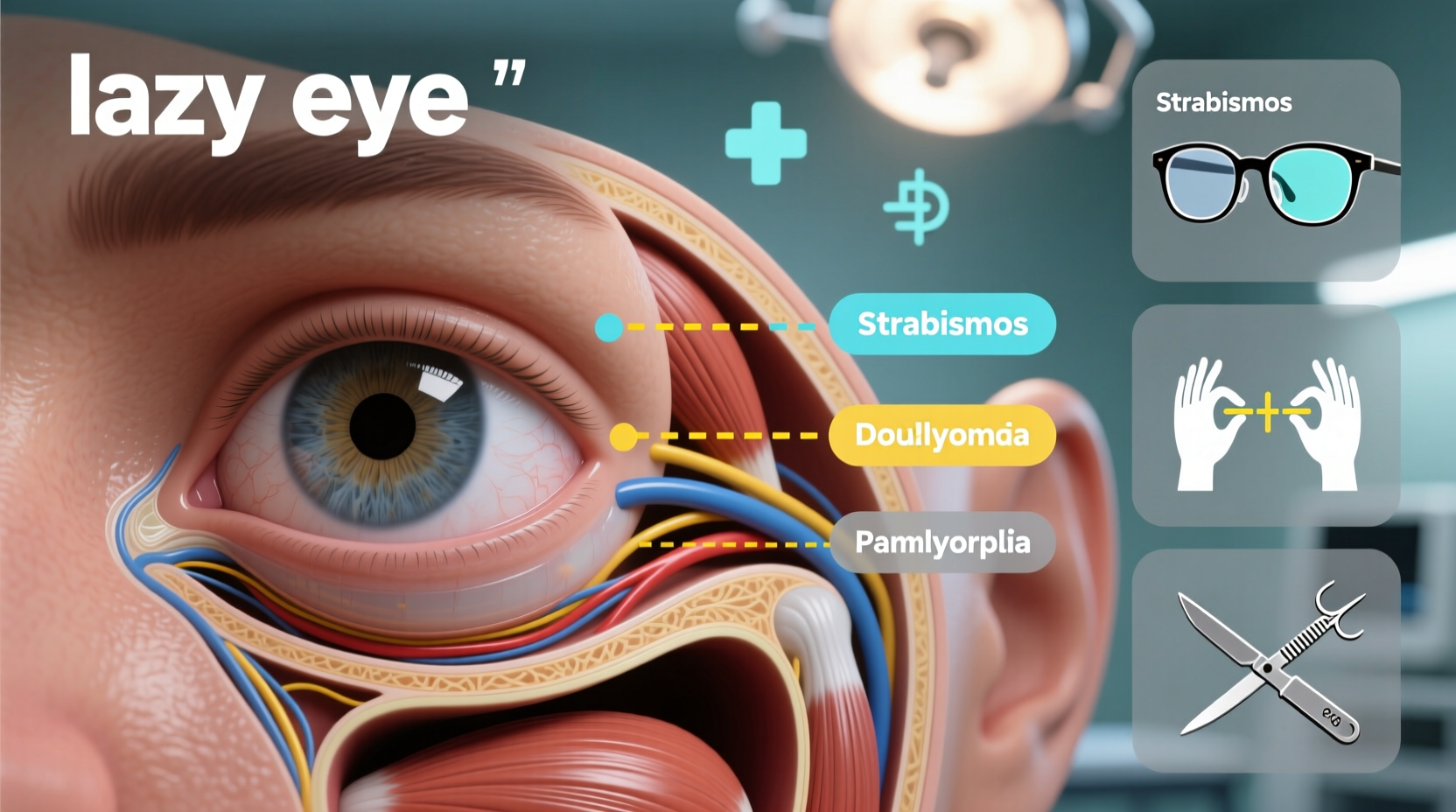
Amblyopia develops during early childhood when the brain fails to process visual input from one eye properly. Instead of relying on both eyes equally, it suppresses or ignores signals from the weaker eye, weakening its development. There are three primary causes:
- Strabismic Amblyopia: The most common type, caused by strabismus—misalignment of the eyes (crossed or turned eyes). To avoid double vision, the brain suppresses the image from the misaligned eye.
- Refractive Amblyopia: Occurs when there’s a significant difference in refractive error (nearsightedness, farsightedness, or astigmatism) between the two eyes. The brain favors the clearer image, ignoring the blurry one.
- Deprivation Amblyopia: Caused by physical obstructions like cataracts, droopy eyelids (ptosis), or corneal scars that block light from entering the eye, preventing normal visual development.
These conditions disrupt binocular vision—the ability of both eyes to work together—which is crucial for depth perception and overall visual acuity. Risk factors include premature birth, low birth weight, family history of amblyopia or strabismus, and developmental disabilities.
Tip: Early vision screening—at 6 months, 3 years, and before first grade—is critical for detecting amblyopia before permanent vision loss occurs.Symptoms and Signs to Watch For
Lazy eye often goes unnoticed because the stronger eye compensates, allowing daily activities to proceed normally. However, subtle signs may appear, especially in children. Parents, caregivers, and educators should be alert to the following:
- Squinting or closing one eye in bright light
- Frequent head tilting or turning to see better
- Poor depth perception (trouble judging distances)
- Bumping into objects on one side
- Difficulty with fine motor tasks like coloring or writing
- Eyes that don’t align properly (one turns inward, outward, up, or down)
- Complaints of blurred or double vision (less common but possible)
In many cases, amblyopia is asymptomatic until detected during a routine eye exam. This underscores the importance of regular pediatric eye screenings. Children are typically not aware their vision is impaired because their brain adapts to the imbalance without conscious effort.
Treatment Options for Lazy Eye
The key to successful treatment is early detection. The visual system is most adaptable in children under the age of 7, though improvements can occur in older children and even some adults with dedicated therapy. Treatment aims to strengthen the weaker eye by forcing the brain to use it. Common approaches include:
1. Corrective Eyewear
Glasses or contact lenses are often the first step, especially in refractive amblyopia. Correcting farsightedness, nearsightedness, or astigmatism can balance input from both eyes and sometimes resolve mild cases.
2. Patching Therapy
This traditional method involves covering the stronger eye with an adhesive patch for several hours a day. By blocking input from the dominant eye, the brain is forced to rely on the weaker one, stimulating visual development.
Patching is typically prescribed for 2–6 hours daily and may continue for weeks or months depending on severity and response.
3. Atropine Eye Drops
An alternative to patching, atropine drops temporarily blur vision in the stronger eye, encouraging use of the amblyopic eye. Administered once daily, this method is often preferred for children who resist wearing a patch.
4. Vision Therapy
Structured exercises supervised by an optometrist help improve eye coordination, focusing, and tracking. These may include activities like pencil push-ups, computer-based games, or using specialized equipment to enhance binocular function.
5. Surgery (When Necessary)
If strabismus or cataracts are the underlying cause, surgery may be required. Strabismus surgery adjusts the eye muscles to realign the eyes, while cataract removal restores clear vision. Surgery does not cure amblyopia but creates the conditions needed for other treatments to succeed.
“Early intervention before age 7 offers the best chance for full recovery. Even a few months of delayed treatment can reduce effectiveness.” — Dr. Laura Simmons, Pediatric Ophthalmologist
Do’s and Don’ts: A Quick Reference Table
| Do’s | Don’ts |
|---|---|
| Schedule regular eye exams for children starting at 6 months | Ignore signs like eye turning or frequent squinting |
| Follow through with prescribed patching or drop regimens | Allow children to peek around the patch or remove it early |
| Encourage visually engaging activities (drawing, reading, puzzles) during treatment | Assume amblyopia will resolve on its own without treatment |
| Use positive reinforcement to support compliance | Rely solely on school vision screenings, which may miss subtle issues |
Real-Life Example: A Case of Successful Intervention
Emily, a 5-year-old girl, began having trouble seeing the classroom board and frequently tilted her head while drawing. Her teacher noticed she often closed one eye in sunlight. During a routine check-up, her pediatrician referred her to a pediatric ophthalmologist. Testing revealed a significant farsightedness difference between her eyes—+4.00 in the right and +1.50 in the left—leading to refractive amblyopia.
She was prescribed corrective glasses and started on a regimen of two hours of daily patching on her stronger eye. Her parents incorporated fun activities like coloring books and tablet games to keep her engaged. After six months, her vision in the weaker eye improved from 20/80 to 20/30. Continued therapy and monitoring helped her achieve 20/20 vision by age 7, with no lasting deficits.
This case highlights how early detection and consistent treatment can fully reverse amblyopia, restoring functional vision and confidence.
Step-by-Step Guide to Managing Lazy Eye
- Recognize Warning Signs: Monitor for eye misalignment, squinting, or poor hand-eye coordination in children.
- Schedule a Comprehensive Eye Exam: See a pediatric ophthalmologist or optometrist for proper diagnosis.
- Begin Corrective Measures: Use prescribed glasses or contacts to correct refractive errors.
- Start Therapy: Begin patching or atropine treatment as directed—consistency is key.
- Engage in Vision Activities: Support therapy with puzzles, reading, or digital vision exercises.
- Attend Follow-Up Appointments: Track progress and adjust treatment as needed.
- Maintain Long-Term Monitoring: Even after improvement, periodic check-ups ensure stability.
Frequently Asked Questions
Can lazy eye develop in adults?
While amblyopia typically develops in early childhood, adults can experience similar symptoms due to untreated childhood amblyopia or new-onset vision problems. Recent studies suggest that adult brains retain some plasticity, and vision therapy may offer modest improvements, though outcomes are less predictable than in children.
Is lazy eye genetic?
There is a genetic component. Children with a family history of amblyopia, strabismus, or significant refractive errors are at higher risk. However, genetics alone don’t determine outcome—environmental factors and early intervention play major roles.
How long does treatment take?
Treatment duration varies. Mild cases may resolve in a few months, while severe amblyopia can require a year or more of consistent therapy. Most gains occur within the first six months, but maintenance is often needed to prevent regression.
Take Action for Better Vision
Laziness in the eye isn’t a behavioral issue—it’s a neurodevelopmental condition requiring medical attention. Ignoring it can lead to lifelong vision challenges, including limited career options, reduced depth perception, and increased risk of blindness if the dominant eye is injured. The good news is that with timely diagnosis and committed treatment, most children can achieve normal or near-normal vision.
If you suspect lazy eye in yourself or a child, don’t wait. Schedule a comprehensive eye exam with a qualified specialist. Share this information with parents, teachers, and caregivers to spread awareness. Vision is a gift—protect it early, protect it well.
💬 Have questions about lazy eye or want to share your experience? Leave a comment below and help others navigate this common but treatable condition.








