
At first glance, a plush penguin might seem like a simple childhood toy—soft, cute, and harmless. But for a growing global community, these aren't just stuffed animals; they're coveted treasures. Rare penguin plushies, often limited-edition releases from brands like Build-A-Bear, Squishmallows, or independent designers, have sparked a passionate collecting culture. What begins as a casual interest can evolve into a full-blown obsession, with collectors tracking down elusive variants, paying premium prices, and forming tight-knit online communities. So, what lies beneath this seemingly whimsical pastime? The answer touches on psychology, social dynamics, and the human desire for meaning through objects.
The Emotional Resonance of Penguins
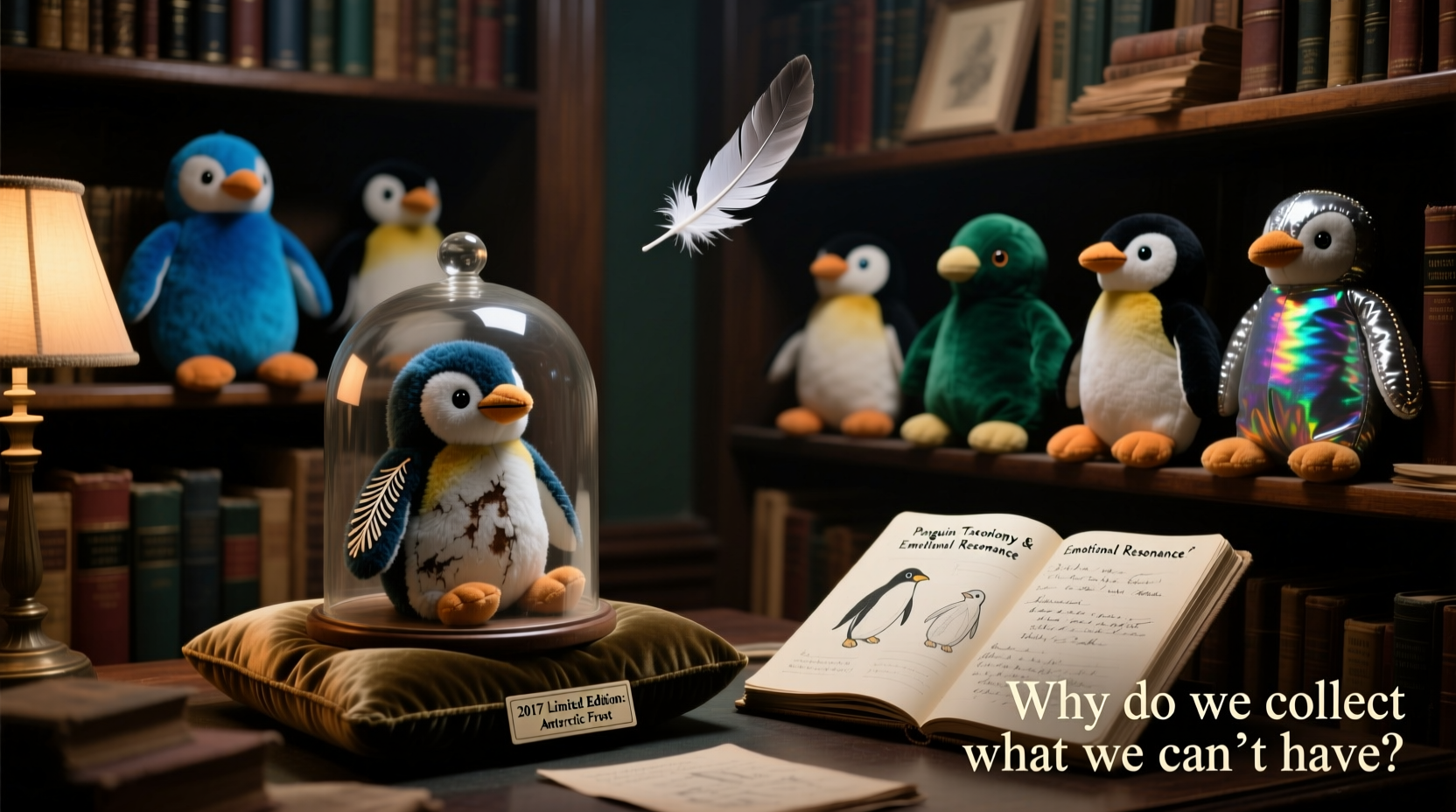
Penguins occupy a unique space in the cultural imagination. They’re resilient survivors of extreme environments, devoted parents, and inherently endearing with their waddling gait and tuxedo-like appearance. Unlike more aggressive or predatory animals, penguins evoke feelings of gentleness, loyalty, and perseverance. For many collectors, these traits resonate on a personal level.
Emotional attachment to plush toys is well-documented. Psychologists note that comfort objects provide a sense of security and continuity, especially during times of stress or transition. A rare penguin plushie isn’t just soft—it becomes a symbol. One collector in Portland shared that she began collecting after a difficult breakup: “I bought a limited-edition blue penguin from a small artist because it reminded me of winter nights we used to spend watching documentaries about Antarctica. Now, each new addition feels like reclaiming a part of myself.”
“Objects become vessels for memory and emotion. When someone collects a plush animal, they're often not just collecting fabric and stuffing—they're curating moments of comfort.” — Dr. Lena Torres, Cultural Psychologist
The Role of Scarcity and Exclusivity
Rarity fuels desire. In behavioral economics, the scarcity principle suggests that people assign higher value to items perceived as limited or hard to obtain. This principle applies powerfully to rare penguin plushies, many of which are released in small batches, tied to holidays, or sold exclusively at pop-up events.
Consider the case of the “Midnight Emperor” penguin by indie designer Mira Chen. Only 50 were made, each hand-embroidered with silver thread. Within hours of release, they sold out. Months later, one appeared on a secondary marketplace priced at $420—a 21x markup from its original $20 tag. Such examples are common in the plushie world, where limited runs create instant demand.
Scarcity also fosters urgency. Collectors describe the adrenaline rush of logging into a drop at midnight, refreshing pages until the item appears. That moment of securing a rare piece triggers dopamine release, reinforcing the behavior. Over time, the chase becomes as rewarding as the acquisition.
Tip: Set up alerts or join official mailing lists from plushie brands to stay informed about upcoming limited releases.Community and Identity in Plushie Culture
Collecting is rarely a solitary act. Behind every rare penguin plushie is a network of enthusiasts who trade, review, photograph, and celebrate their finds. Platforms like Reddit’s r/StuffedAnimals, Instagram hashtags like #PenguinPlushieClub, and Discord servers dedicated to plush trading foster deep social bonds.
For many, collecting becomes a core part of identity. Profiles feature elaborate photoshoots of plushies in themed settings—beach scenes, tiny offices, even miniature libraries. These displays are more than decoration; they’re expressions of creativity and care.
One such example is Alex Rivera, a 29-year-old graphic designer from Toronto, who runs a popular TikTok account showcasing his 70+ penguin plushies. “People think I’m joking when I say my penguins have personalities,” he says. “But naming them, giving them backstories, arranging them around my apartment—it’s how I decompress. My followers share their own stories, and suddenly, it’s not about toys. It’s about belonging.”
- Online trades allow collectors to complete sets or find regional exclusives.
- Annual meetups, like the North American Plush Convention, feature swap tables and artist booths.
- Some collectors create zines or blogs documenting their collections’ evolution.
Psychological Drivers Behind the Obsession
The shift from casual interest to full-fledged obsession isn’t arbitrary. Several psychological factors converge to deepen engagement:
- Nostalgia: Many adult collectors associate plush toys with childhood safety. Reconnecting with that era provides emotional grounding.
- Completion Motive: The urge to finish a set—such as all 12 holiday-themed penguins from a brand—activates goal-oriented behavior.
- Control and Order: Curating a collection offers a sense of mastery in an unpredictable world.
- Social Validation: Positive feedback on social media posts reinforces continued participation.
- FOMO (Fear of Missing Out): Knowing others own a plushie you don’t can trigger compulsive searching.
A 2023 study published in the Journal of Consumer Behavior found that 68% of plush collectors reported feeling “more emotionally balanced” when actively managing their collections. The ritual of organizing, photographing, and sharing brings structure and joy.
| Psychological Need | How Plushie Collecting Fulfills It |
|---|---|
| Belonging | Membership in online groups and conventions |
| Autonomy | Freedom to choose themes, display styles, and acquisition methods |
| Competence | Mastery in identifying rare variants or negotiating trades |
| Meaning | Assigning personal stories or emotional significance to each plushie |
How to Start a Meaningful Penguin Plushie Collection (Step-by-Step)
Entering the world of plushie collecting doesn’t require deep pockets or years of experience. With intentionality, anyone can build a collection that brings lasting joy.
- Define Your Focus: Decide whether you want to collect by brand (e.g., Squishmallows), theme (e.g., Antarctic species), color (e.g., black-and-white vs. pastel), or rarity level.
- Research Reputable Sources: Follow official brand accounts, join collector forums, and subscribe to newsletters for early access.
- Set a Budget: Determine how much you’re comfortable spending monthly. Avoid impulse buys that strain finances.
- Document Your Collection: Use a spreadsheet or app to track names, purchase dates, prices, and sources. This helps identify gaps and avoid duplicates.
- Engage Respectfully: In trading communities, clear communication and honesty about condition are essential. Never inflate value unreasonably.
- Display with Care: Keep plushies away from direct sunlight to prevent fading, and dust them gently with a microfiber cloth.
Mini Case Study: From One Plushie to a Life-Changing Hobby
Jamie Lin, a software developer in Seattle, never considered herself a collector. In 2020, during lockdown, she bought a single “Arctic Hug” penguin from a small Etsy shop just to brighten her home office. Intrigued by the artist’s story, she followed the creator on Instagram and discovered a vibrant community of collectors.
She began seeking out other handmade penguins, eventually connecting with a group that organized virtual plushie tea parties. Through these events, she met her current partner, bonded over shared love of vintage designs. Today, she has 43 penguin plushies, hosts bi-monthly collector livestreams, and credits the hobby with improving her mental health. “It started with one soft toy,” she says. “Now it’s a whole world I didn’t know existed.”
Common Pitfalls and How to Avoid Them
While collecting can be enriching, it carries risks if left unchecked. Here are key challenges and practical solutions:
| Challenge | Do’s | Don’ts |
|---|---|---|
| Over-spending | Set monthly limits and stick to them | Use credit cards impulsively for resale listings |
| Storage Issues | Use breathable cotton bags and shelves | Stack heavy items on delicate plushies |
| Counterfeit Items | Verify sellers via reviews and authenticity tags | Buy from unverified marketplaces without proof |
| Social Isolation | Balance online activity with real-world interactions | Let collecting replace face-to-face relationships |
Checklist: Healthy Collecting Habits
- ☑ Define a clear collecting theme or goal
- ☑ Track purchases and valuations in a log
- ☑ Join at least one active collector community
- ☑ Inspect plushies upon arrival for damage or fakes
- ☑ Schedule regular cleaning and rotation
- ☑ Reassess your collection annually for emotional relevance
FAQ
Are rare penguin plushies a good investment?
While some rare plushies appreciate in value, most should be collected for personal enjoyment rather than profit. Market fluctuations and shifting trends make long-term returns unpredictable. Treat any financial gain as a bonus, not a goal.
How can I tell if a plushie is authentic?
Check for official tags, consistent stitching, correct logos, and packaging details. Compare with verified images from the brand’s website. When buying secondhand, request video unboxings or detailed photos from trusted sellers.
Can children participate in this hobby safely?
Yes, with supervision. Introduce kids to collecting through affordable, widely available plushies. Teach them about saving, research, and responsible ownership. Avoid high-value items unless stored securely.
Conclusion
The obsession with rare penguin plushies is far more than child’s play. It reflects deeper human needs—for comfort, connection, and meaning in tangible form. Whether drawn by nostalgia, the thrill of the hunt, or the warmth of community, collectors find joy in the soft, silent companionship of their penguins. These plush figures, though made of polyester and thread, carry stories, emotions, and identities.
If you’ve ever paused at a limited-edition plushie online, felt a tug of longing, or smiled at the thought of a shelf lined with little penguins—you’re already part of the story. Start small. Be intentional. Share your journey. The world of plushie collecting isn’t about perfection; it’s about presence. And sometimes, the softest things hold the strongest power.
💬 Have a favorite penguin plushie or a story about how collecting changed your life? Share it in the comments—your experience could inspire someone else to begin their own cozy adventure.








