
Lips are among the most delicate parts of the body, lacking oil glands and a protective outer layer like the rest of the skin. This makes them especially vulnerable to dryness, cracking, and chapping. If you find yourself constantly reaching for lip balm with little long-term relief, the issue likely goes beyond surface-level dryness. Understanding the root causes of chronic lip chapping—and knowing which overnight treatments deliver real healing—can transform your lip health in just a few nights.
Why Lips Chap: The Science Behind the Dryness
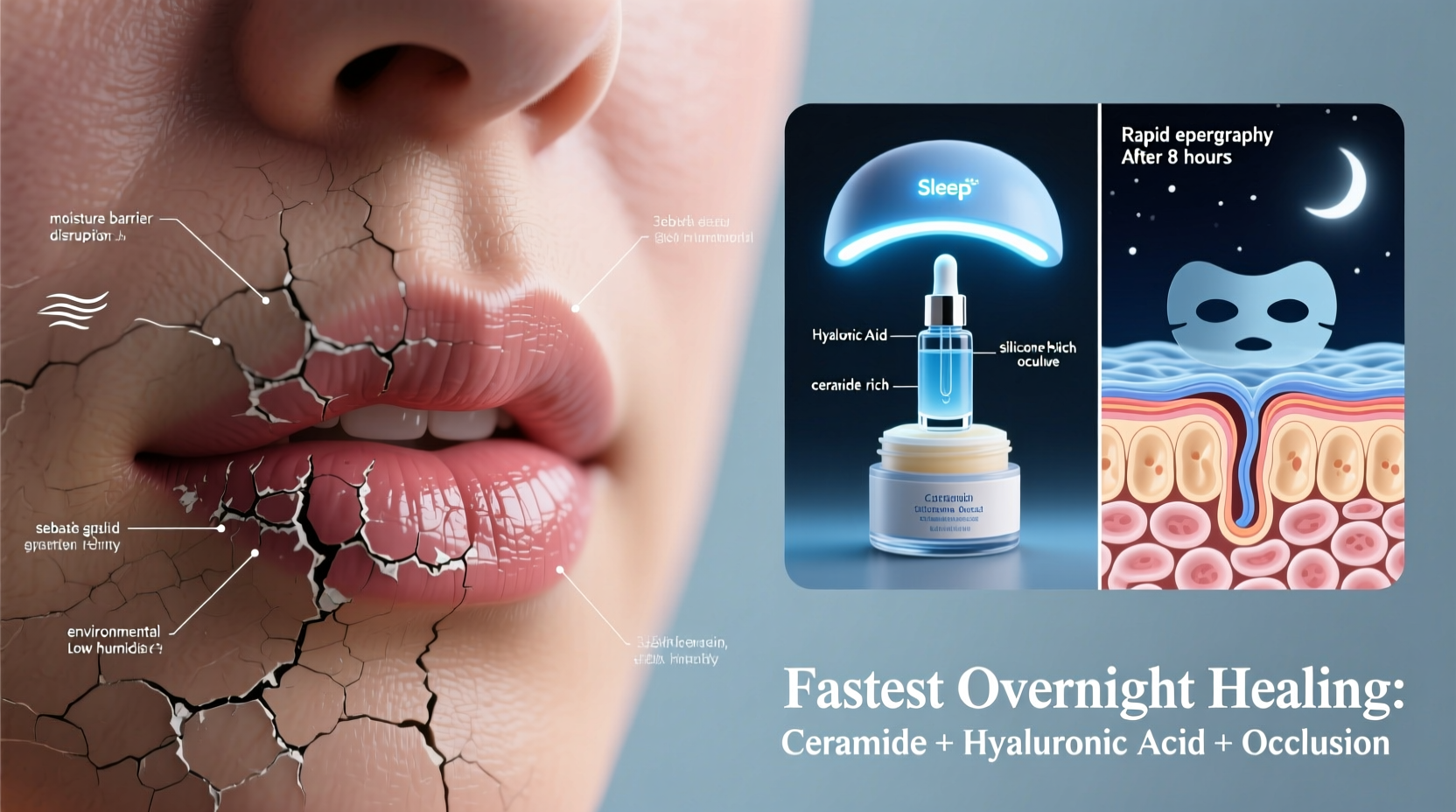
The skin on your lips is fundamentally different from the rest of your face. It’s thinner, lacks melanin (which protects against UV damage), and has no sebaceous (oil) glands. These biological factors make lips prone to moisture loss and environmental stress. When the outer layer dehydrates, it cracks, leading to discomfort, flaking, and even bleeding in severe cases.
But persistent chapping isn’t always about weather or dehydration. Several underlying causes contribute to recurring lip issues:
- Dehydration: Not drinking enough water compromises overall skin hydration, including the lips.
- Cold or dry climates: Low humidity strips moisture from exposed skin.
- Mouth breathing: Especially during sleep, this dries out the lips continuously.
- Lip licking: A common habit that worsens chapping—saliva evaporates quickly, leaving lips drier than before.
- Allergies or irritants: Ingredients in toothpaste, lip products, or even certain foods can trigger contact dermatitis.
- Nutritional deficiencies: Low levels of B vitamins (especially B2, B3, B6), iron, or zinc are linked to chronic cheilitis (lip inflammation).
- Medications: Retinoids, acne treatments, antihistamines, and some blood pressure drugs list dry lips as a side effect.
“Chronic lip chapping often signals an internal imbalance or repetitive exposure to irritants. Treating only the symptom without addressing the cause leads to a cycle of temporary relief.” — Dr. Lena Torres, Dermatologist and Skin Barrier Specialist
Overnight Healing: Why Timing Matters
While daytime lip care focuses on protection (sunscreen, occlusive balms), nighttime is when true repair happens. During sleep, the body enters regenerative mode—cell turnover increases, and moisture retention improves. Applying targeted treatments before bed maximizes absorption and minimizes interference from environmental stressors.
For overnight healing to be effective, the treatment must meet three criteria:
- Occlusion: Forms a barrier to prevent transepidermal water loss.
- Emollience: Softens and smooths cracked tissue.
- Nourishment: Delivers reparative ingredients deep into the dermal layers.
Top Overnight Treatments That Work Fastest
Not all lip products are created equal. Many drugstore balms contain fragrances, menthol, or camphor—ingredients that may soothe temporarily but actually inflame sensitive tissue over time. For rapid healing, choose treatments with proven reparative ingredients.
1. Petroleum Jelly (Medical-Grade)
Petroleum jelly remains the gold standard for overnight occlusion. It forms an inert, non-comedogenic barrier that prevents moisture loss without clogging pores. Look for USP-grade petroleum jelly in a tube or jar to avoid contamination.
2. Lanolin
A natural wax derived from sheep’s wool, lanolin mimics the skin’s own lipids. Studies show it enhances barrier repair and is particularly effective for severely cracked lips. Ideal for nursing mothers or those with extreme dryness.
3. Shea Butter + Beeswax Ointments
These natural emollients provide both softening and structure. Beeswax creates a breathable film, while shea butter delivers fatty acids that nourish damaged skin. Opt for unscented formulas with minimal additives.
4. Ceramide-Infused Lip Masks
Ceramides are lipids naturally found in the skin barrier. When depleted—due to weather, aging, or irritation—replenishing them helps restore integrity. Lip masks with ceramides, hyaluronic acid, and niacinamide accelerate healing by reinforcing the skin’s defense system.
5. DIY Honey & Coconut Oil Blend
Raw honey is antibacterial and humectant, drawing moisture into the lips. Coconut oil contains lauric acid, which penetrates deeply and reduces inflammation. Mix one part honey with two parts coconut oil and apply thickly before bed.
| Treatment | Best For | Healing Time (Avg.) | Key Ingredient |
|---|---|---|---|
| Petroleum Jelly | Daily protection, mild chapping | 3–5 nights | Pure petrolatum |
| Lanolin Cream | Severe cracking, cold weather | 2–4 nights | Anhydrous lanolin |
| Shea-Beeswax Balm | Natural preference, sensitive skin | 4–6 nights | Unrefined shea butter |
| Ceramide Lip Mask | Barrier repair, aging lips | 3–4 nights | Ceramide NP, hyaluronic acid |
| Honey-Coconut Mix | Organic option, mild infection risk | 4–7 nights | Raw Manuka honey |
Step-by-Step Overnight Healing Routine
To maximize recovery, follow this 7-day protocol designed to repair damaged lip tissue and strengthen resilience:
- Evening cleanse: Gently wipe lips with a warm, damp cloth to remove residue and dead skin. Avoid scrubs if cracking is severe.
- Exfoliate (Night 1 and Night 4 only): Use a soft toothbrush or cotton pad with a drop of honey to lightly buff away flakes. Do not force removal—this can worsen micro-tears.
- Apply treatment: Use a clean fingertip or applicator to spread a thick layer of your chosen ointment. Cover completely—don’t forget the edges near the vermillion border.
- Seal with occlusion: For extreme cases, place a small piece of plastic wrap over the lips for 10–15 minutes before bed (optional). This boosts penetration via occlusion therapy.
- Sleep posture: Elevate your head slightly with an extra pillow to reduce fluid pooling and nighttime mouth breathing.
- Morning rinse: Remove residue with lukewarm water. Apply a broad-spectrum SPF 30+ lip balm immediately to protect newly healed tissue.
- Hydrate: Drink a full glass of water upon waking to support cellular repair.
Common Mistakes That Delay Healing
Even with the best products, certain habits sabotage recovery. Avoid these pitfalls:
- Licking your lips: Saliva contains enzymes that break down fragile skin.
- Using flavored or scented balms: Fragrances and artificial flavors are frequent allergens.
- Peeling flakes: This damages new tissue and can lead to scarring.
- Ignoring indoor air quality: Heating systems dry the air. Use a bedroom humidifier set to 40–60% humidity.
- Skipping sun protection: UV rays degrade collagen in lips, making them thinner and more prone to chapping.
Mini Case Study: Recovering from Chronic Cheilitis
Sarah, a 34-year-old teacher from Colorado, struggled with cracked lips for over two years. Despite using multiple balms daily, her condition worsened each winter. She frequently licked her lips due to nervousness and used a mint-flavored toothpaste containing sodium lauryl sulfate (SLS).
After consulting a dermatologist, Sarah was diagnosed with irritant contact cheilitis. Her treatment plan included switching to an SLS-free toothpaste, discontinuing flavored lip products, and adopting a nightly routine with medical-grade petroleum jelly. She also began taking a B-complex supplement and used a bedside humidifier.
Within five nights, her pain reduced significantly. By day 10, the cracks had sealed, and by week 3, her lips were smooth and resilient. Sarah now maintains her results with consistent overnight care and SPF protection during the day.
Checklist: Your 7-Day Lip Healing Action Plan
- ☐ Stop using scented or flavored lip products
- ☐ Replace toothpaste with SLS-free formula
- ☐ Buy a high-quality occlusive (petroleum jelly, lanolin, or ceramide mask)
- ☐ Set a bedtime reminder to apply treatment
- ☐ Exfoliate gently on Day 1 and Day 4
- ☐ Drink at least 2 liters of water daily
- ☐ Use a humidifier in your bedroom
- ☐ Apply SPF 30+ lip balm every morning
- ☐ Check diet for B-vitamin sources (eggs, nuts, leafy greens)
- ☐ Consult a doctor if no improvement in 10 days
Frequently Asked Questions
Can chapped lips be a sign of something serious?
Occasional chapping is normal, but persistent cracking, swelling, or sores that don’t heal within two weeks may indicate an underlying condition such as angular cheilitis, autoimmune disease (like lupus), or nutritional deficiency. See a healthcare provider if symptoms persist despite proper care.
Is it safe to use Vaseline on lips every night?
Yes, pure petroleum jelly (USP grade) is safe for nightly use. It’s non-toxic, hypoallergenic, and does not clog pores. Just ensure you’re using a clean applicator to avoid bacterial contamination.
Why do my lips chap even when I drink plenty of water?
Internal hydration supports skin health, but external factors—like wind, low humidity, mouth breathing, or irritants—can still dehydrate lips. Topical occlusion is essential because lips cannot retain moisture on their own.
Conclusion: Heal Smart, Stay Protected
Constantly chapped lips aren’t just uncomfortable—they’re a signal that your skin barrier needs attention. By identifying triggers and committing to a science-backed overnight healing routine, you can achieve lasting relief in under a week. The fastest results come not from quick fixes, but from consistent, intelligent care that respects the unique biology of your lips.
Start tonight. Cleanse, apply a proven occlusive, and let your body do the rest. With the right approach, soft, healthy lips aren’t just possible—they’re sustainable.
💬 Have a tip that worked for your chapped lips? Share your experience in the comments and help others find relief faster.








